
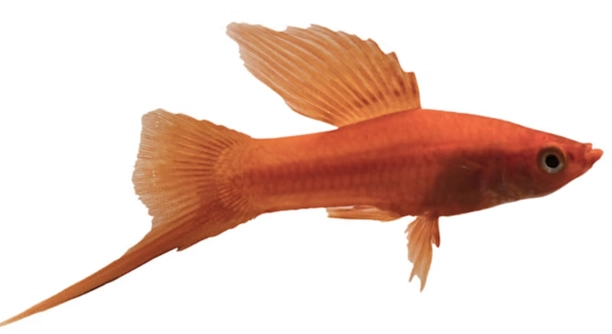
Swordtails are popular freshwater fish known for their vibrant colors and active nature. As an aquarium enthusiast, you may have wondered if plants in your tank can affect their health. Understanding potential risks can help keep your fish healthy and happy.
Swordtails can contract certain diseases from plants if the plants harbor harmful bacteria, parasites, or fungi. Contaminated plants can introduce these pathogens into the water, affecting your fish’s immune system and overall health.
Knowing how plants can impact your fish will help you maintain a cleaner and healthier aquarium environment.
How Plants Can Spread Diseases in Aquariums
In an aquarium, plants can be more than just decoration; they can also be a source of illness. Some plants can carry harmful microorganisms like bacteria, fungi, or parasites. These tiny invaders may be hidden on the leaves, roots, or even in the water around the plants. When you introduce new plants into your tank, they can bring these microorganisms with them, potentially exposing your swordtails to infection. Even well-established plants can be a risk if they’ve been exposed to contaminated water or improper care. It’s important to inspect and clean any new plants before adding them to your aquarium.
While it’s easy to overlook, plants can harbor diseases that affect not just your swordtails but the entire tank ecosystem. A simple issue can turn into a much bigger problem if not addressed early.
To prevent plant-related health problems, be sure to quarantine new plants for a few weeks before adding them to your aquarium. During this time, you can carefully inspect them for any signs of pests or disease. This practice helps you ensure that harmful organisms are not introduced to the tank. Treating new plants with safe, fish-friendly solutions can further reduce risks. Additionally, maintaining proper water quality, regular cleaning, and avoiding overcrowding will reduce the chances of disease outbreaks. Healthy plants benefit both your fish and the overall tank environment.
Symptoms to Look for in Your Swordtails
If your swordtails are becoming sick due to contaminated plants, it’s essential to recognize the signs early. Watch for changes in behavior or appearance.
Swordtails can exhibit a range of symptoms when they’re unwell, including faded colors, unusual swimming patterns, or lesions on their bodies. These symptoms may signal a bacterial or fungal infection caused by contaminated plants. Other signs like reduced appetite or sluggish movement can indicate stress or infection. These issues are often a result of poor water quality, which could be worsened by the introduction of diseased plants.
If you notice these symptoms, it’s important to act quickly. Remove any affected plants and treat the water with appropriate medications. Make sure the water parameters are within the ideal range for swordtails, including temperature, pH, and hardness. A sudden change in any of these factors can weaken your fish’s immune system, making them more susceptible to infections. Proper care, along with vigilant monitoring, will help ensure your swordtails stay healthy and vibrant. Regular water changes and proper filtration are crucial to preventing further spread of diseases.
How to Clean Plants Before Adding Them
When you get new plants for your aquarium, cleaning them properly can prevent the spread of diseases. Gently rinse the plants under fresh water to remove any dirt or debris.
You can also soak the plants in a mild disinfectant solution for about 10–15 minutes. A solution of potassium permanganate or hydrogen peroxide is safe for most plants and helps kill harmful microorganisms. After soaking, rinse the plants thoroughly to remove any leftover solution. This step ensures that any unwanted pests or bacteria are removed before introducing them into the tank.
It’s also a good idea to trim off any damaged or decaying leaves. These areas can be hiding places for harmful organisms. Regularly cleaning plants, whether new or old, will help maintain a healthier aquarium. Taking this small extra step prevents contamination and improves water quality. Healthy plants support a stable ecosystem and contribute to the overall wellbeing of your swordtails.
Quarantining New Plants
Quarantining new plants before introducing them to your tank is an effective way to prevent introducing diseases. This process allows you to observe plants for signs of infection, pests, or any unusual growth patterns.
Set up a separate quarantine tank or a small container for the plants. You can treat them with fish-safe medications or simply keep them isolated for a few weeks. During this period, monitor for any changes. This extra precaution reduces the risk of spreading harmful organisms into your main tank. Keeping new plants away from your swordtails also ensures they don’t contract any illnesses that may not be visible right away.
Quarantining is a simple practice, but it makes a big difference. By isolating new plants, you prevent introducing pathogens that can affect your swordtails’ health. Even if plants appear healthy at first glance, some diseases are not easily visible. This extra effort can save you a lot of trouble down the line and protect your tank’s ecosystem. It’s one of the easiest ways to keep your swordtails safe.
Common Diseases Swordtails Can Get from Plants
Swordtails can catch a variety of diseases from contaminated plants. These include fungal infections, bacterial illnesses, and parasites like ich. Infected plants can spread these pathogens, which weaken your fish’s immune system.
Bacterial infections often cause symptoms like lesions or swelling. Fungal infections can lead to fuzzy growths on the fish’s body. Parasites, on the other hand, may cause your swordtails to itch or scrape against surfaces. These issues not only stress your fish but also disrupt the balance of the tank. If left untreated, the diseases can spread to other tank inhabitants, creating a larger problem.
To avoid these problems, inspect plants carefully for any signs of infection before adding them to your aquarium. Cleaning and quarantining plants can help minimize these risks. If disease does occur, remove infected plants immediately and treat the water to stop the spread.
Maintaining a Clean Tank Environment
Regular maintenance of your aquarium helps reduce the chances of plant-related diseases affecting your swordtails. Clean your tank, filter, and substrate often to keep harmful bacteria from growing.
Changing the water regularly and testing for proper water parameters are also key steps. Keeping your tank clean provides a healthier environment for both your plants and fish. Healthy water quality supports the immune systems of your swordtails, making them less likely to catch diseases from plants or other sources. Additionally, remove any decaying plant matter quickly to avoid attracting harmful organisms.
FAQ
Can swordtails get sick from aquarium plants?
Yes, swordtails can get sick from aquarium plants if those plants are contaminated with harmful bacteria, fungi, or parasites. These pathogens can transfer into the water, leading to infections or diseases in your fish. Cleaning and quarantining plants before introducing them into your tank can reduce the risk.
How can I tell if my swordtail has a disease from plants?
If your swordtail catches a disease from plants, you may notice symptoms such as fading colors, lesions or sores on the skin, difficulty swimming, or rubbing against objects in the tank. Affected fish may also show reduced appetite and sluggish behavior. Monitoring your swordtails closely for these signs can help you catch issues early.
What are common diseases swordtails can catch from plants?
Swordtails are susceptible to a variety of diseases spread by plants. These include fungal infections (like cotton-like growths on the skin), bacterial infections (which can cause sores or redness), and parasites such as ich, which causes white spots on the fish’s body. Other parasites like flukes or external protozoans can also cause problems if they come from contaminated plants.
How do I clean plants before adding them to my tank?
Before adding new plants to your aquarium, rinse them thoroughly under fresh water to remove dirt and debris. You can also soak the plants in a mild disinfectant solution like potassium permanganate or hydrogen peroxide for 10-15 minutes. After soaking, rinse the plants well to ensure no harmful chemicals remain. Trimming damaged or decaying leaves is also a good practice.
Is it necessary to quarantine new plants before adding them to the aquarium?
Yes, quarantining new plants is highly recommended. This allows you to inspect them for pests or signs of disease before introducing them to the main tank. It’s better to isolate the plants for a few weeks to monitor for any changes and prevent potential contamination. This extra step helps protect your fish.
What should I do if I notice a disease in my swordtails?
If your swordtails show symptoms of disease, it’s crucial to act quickly. First, isolate any infected fish to prevent spreading. Remove any contaminated plants immediately and treat the water with fish-safe medications. Test your water parameters to ensure everything is within the ideal range for swordtails, as poor water quality can weaken their immune systems and make them more susceptible to disease.
Can plants bring in parasites that affect swordtails?
Yes, plants can bring in parasites that affect swordtails. Some parasites, like ich or flukes, may hide on plant surfaces or in the water surrounding the plants. When introduced to the tank, these parasites can infect your fish, causing symptoms such as itching, rubbing, or spots on the body. Quarantining plants before adding them to your tank helps minimize this risk.
How can I prevent plant-related diseases from affecting my tank?
To prevent plant-related diseases, it’s important to clean and quarantine plants before introducing them to your aquarium. Regularly inspect plants for damage or decay, and remove any rotting parts promptly. Maintaining good water quality through regular changes and using a proper filtration system will also help your swordtails stay healthy and resistant to disease.
Are there any plants that are more likely to carry diseases?
Certain types of plants, especially those grown in poor conditions or collected from contaminated waters, may have a higher risk of carrying diseases. However, it’s not necessarily the type of plant that matters most, but how they’re handled before they’re introduced to your tank. Avoid buying plants from untrustworthy sources, and always quarantine them before adding them to your aquarium to minimize the risk of contamination.
Can I use aquarium salt to treat plant-related diseases in swordtails?
Aquarium salt can help with certain bacterial and fungal infections in fish, but it’s important to be cautious when using it, especially if you have live plants. Some plants are sensitive to salt, and it may damage or kill them. If you choose to use salt, ensure you’re using it in the correct dosage and be mindful of your plants’ tolerance. Always follow the instructions and, if necessary, remove the plants temporarily while treating the fish.
What is the best way to remove decaying plant matter from my tank?
Removing decaying plant matter quickly is essential for maintaining good water quality. Use a net or aquarium vacuum to remove any fallen leaves or rotting plant parts from the substrate or surface. Regular water changes and cleaning the filter will help keep the tank clean and prevent harmful bacteria from building up.
Final Thoughts
When it comes to keeping swordtails healthy, paying attention to the plants in your aquarium is just as important as maintaining the water quality. Plants can harbor harmful bacteria, parasites, and fungi that may go unnoticed but still pose a risk to your fish. By cleaning and quarantining new plants before adding them to your tank, you can significantly reduce the chances of bringing diseases into your aquarium. Taking these extra steps can help create a safer environment for your swordtails and other tank inhabitants.
It’s also essential to regularly monitor your fish for any signs of illness. Swordtails may show subtle symptoms like changes in behavior, loss of appetite, or unusual spots on their bodies if they catch a disease from plants. Early detection is key to preventing further spread and ensuring that treatment is effective. If you notice any issues, act quickly by removing infected plants, treating the water, and isolating any sick fish. This way, you can avoid larger problems down the road.
Maintaining a clean tank is another important part of swordtail care. Regular water changes, proper filtration, and avoiding overcrowding all contribute to a healthy environment. Healthy plants, along with clean water, create a thriving ecosystem where your swordtails can live and grow. By combining good plant care with regular tank maintenance, you’ll not only protect your swordtails from diseases but also improve the overall well-being of your aquarium. A little extra effort in taking care of your plants and water quality can go a long way in keeping your fish happy and healthy.

Hello,
If you enjoy the content that we create, please consider saying a "Thank You!" by leaving a tip.
Every little bit helps us continue crafting quality advice that supports the health, happiness, and well-being of pets around the world, for pets of all shapes, sizes, and species.
We really appreciate the kindness and support that you show us!