
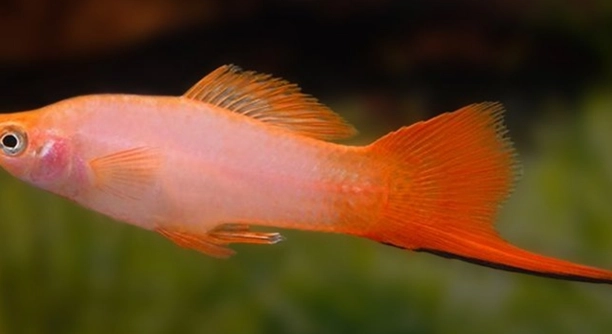
Swordtails are popular aquarium fish known for their striking appearance and active behavior. However, it can be concerning when these fish hide under rocks, seemingly retreating from the world around them.
The primary reason your swordtail may be hiding under rocks is stress. Factors such as poor water quality, abrupt changes in their environment, or the presence of aggressive tank mates can cause them to seek shelter.
This article will cover the various reasons behind this behavior and offer tips on how to create a more comfortable environment for your swordtail.
Stress From Tank Mates
Swordtails are peaceful fish, but they may hide if they feel threatened by more aggressive tank mates. When other fish are overly territorial or competitive for food, your swordtail may retreat to a safer space, like under rocks. This is their way of avoiding conflict and stress.
If the aggression is constant, your swordtail might feel anxious or unsafe in its environment. Aggressive fish such as cichlids or bettas may cause your swordtail to hide often. Pay attention to your tank dynamics to prevent this behavior from worsening.
To reduce aggression, you can separate aggressive fish into different tanks or use tank dividers. Providing plenty of hiding spots in the tank will also help swordtails feel secure. Creating a peaceful, balanced community is key for maintaining their happiness and reducing hiding habits. Consider adding more plants or decorations to offer your swordtail a variety of places to retreat to.
Poor Water Conditions
Sometimes, your swordtail’s behavior could be linked to the water quality in the tank. Swordtails are sensitive to water changes and poor conditions. If the water’s pH, temperature, or ammonia levels are not suitable, your swordtail may choose to hide.
Regularly testing the water and performing partial water changes can improve their living conditions. Keeping the tank clean and ensuring the filter is functioning well will prevent the build-up of harmful substances. Proper water parameters, such as a stable temperature of 72–82°F, are essential for their health and well-being.
Fish are highly sensitive to stress caused by poor water quality. If you see your swordtail hiding, it’s worth double-checking the tank’s conditions to make sure everything is balanced. Temperature fluctuations or dirty water are common stress factors. Ensure your filter is working properly and monitor ammonia or nitrate levels closely.
Overcrowding
Overcrowding can lead to stress and hiding behaviors. If there are too many fish in your tank, it can cause competition for space and resources. Swordtails may retreat to quieter, less crowded areas to avoid feeling overwhelmed.
In a crowded tank, the swordtail will feel confined and anxious. A lack of swimming space can lead to them hiding under rocks or plants as a way to escape the chaos. If you’re unsure, consider removing some fish or upgrading to a larger tank to give them room to move around.
Adding more hiding spots, like plants or caves, can help swordtails feel less stressed in an overcrowded tank. Ensure that the tank has enough space for each fish to have its own territory. Swordtails are active swimmers and need space to move freely, so give them enough room to thrive.
Illness
If your swordtail is unwell, hiding is a common reaction. When a fish is feeling sick, it often seeks out a quiet, safe place. Illness can make them feel weak or vulnerable, so they may hide under rocks to conserve energy.
Common signs of illness include faded color, clamped fins, and abnormal swimming behavior. If you notice these signs, it’s important to check the water quality and observe the fish closely. Certain parasites or bacterial infections can cause them to seek shelter, hiding from others to avoid contact.
Make sure to quarantine the sick fish and treat them with appropriate medications. Monitoring the tank regularly will help you spot issues early and treat them before they worsen. A clean tank and proper nutrition will help swordtails avoid getting sick in the first place.
Environmental Changes
Swordtails are sensitive to changes in their environment. If the tank’s temperature, lighting, or even layout changes, they may hide to adjust. Sudden shifts in water temperature or brightness can stress them out.
If you recently moved the tank or added new decorations, your swordtail might need time to adapt. It’s important to make changes gradually and avoid startling them with major shifts.
Allow your swordtail time to acclimate by keeping the environment stable. Once the fish gets used to the new setup, their hiding behavior should lessen. Creating a consistent, predictable space will make your swordtail feel secure.
Inadequate Diet
A poor or inconsistent diet can cause your swordtail to hide more often. Fish that are not getting the proper nutrients may become stressed or lethargic.
Ensure your swordtail is receiving a balanced diet that includes both plant-based and protein-rich foods. Offering variety in their meals can help keep them healthy and active.
Overfeeding can also lead to water quality problems, which may make your swordtail feel unwell. Stick to a feeding schedule to prevent uneaten food from polluting the tank, and avoid offering too much food at once.
Lighting
Lighting can impact your swordtail’s behavior. Bright lights, especially if left on for long periods, may cause them to feel vulnerable. Swordtails, like many fish, feel safer in dimmer lighting or areas with shadows.
If your tank is too brightly lit, consider dimming the lights or adding plants to provide natural shade. Swordtails prefer moderate lighting levels, which help them feel less stressed and more comfortable. Proper lighting also encourages their natural behavior, keeping them active and healthy.
FAQ
Why is my swordtail hiding all the time?
Hiding can be a sign of stress, illness, or discomfort. Swordtails often seek shelter when they feel unsafe, whether due to aggressive tank mates, poor water quality, or environmental changes. It could also indicate that your swordtail is adjusting to new tank conditions, such as a change in lighting or temperature.
How can I reduce my swordtail’s hiding?
To reduce hiding, ensure the tank environment is stable. Maintain proper water quality, regular feeding schedules, and provide plenty of hiding spots. If aggression from other fish is an issue, consider separating the aggressive species or adding more plants and decorations to create a safe space for your swordtail.
Should I be concerned if my swordtail hides after a water change?
It’s not uncommon for swordtails to hide right after a water change. They may feel stressed due to changes in water temperature, pH, or the cleaning process itself. Allow the fish time to adjust and monitor water parameters to ensure they’re within the ideal range for swordtails.
Can swordtails hide when they are pregnant?
Yes, female swordtails may hide more when pregnant. The process of carrying fry can be stressful for them, and they might seek out quiet, safe places. Providing hiding spots such as plants or rocks will help the pregnant swordtail feel more secure.
How do I know if my swordtail is stressed?
Signs of stress in swordtails include hiding, loss of color, reduced activity, erratic swimming, or clamped fins. If these behaviors persist, it’s a good idea to check the water quality and assess if any other factors are causing stress, such as tank mates or lighting.
Why do my swordtails sometimes hide when the light is on?
Swordtails may hide when the light is too bright or when it is suddenly turned on. Fish can feel vulnerable under harsh lighting, so it’s best to provide moderate lighting or create shaded areas with plants or decorations to help them feel more secure.
Is it normal for swordtails to hide when new fish are introduced?
Yes, swordtails may hide when new fish are introduced to the tank. This is a normal reaction as they adjust to new tank mates. The swordtail may feel threatened or uncertain, especially if the new fish are more aggressive. Give them time to acclimate.
Can I stop my swordtail from hiding by adding more fish?
Adding more fish might not solve the issue and could even make it worse, especially if the tank becomes overcrowded. Overcrowding can increase stress, leading to more hiding. Instead, focus on maintaining a balanced, peaceful tank environment with plenty of space and hiding spots.
How do I treat my swordtail if it’s hiding due to illness?
If your swordtail is hiding because of illness, it’s essential to first check the water quality. If the water conditions are fine, look for signs of illness such as faded color or abnormal behavior. Consider isolating the sick fish and using appropriate medications or treatments based on the symptoms.
Can swordtails hide when they are not eating enough?
Yes, swordtails may hide if they are not getting enough food. A lack of nutrition can lead to stress and weakened immune systems. Make sure to provide a well-balanced diet that includes both plant-based and protein-rich foods. Overfeeding can also cause water quality issues, which may further stress the fish.
How do I create a comfortable environment for my swordtail?
To create a comfortable environment, focus on maintaining clean water, stable temperatures, and providing plenty of hiding places. Swordtails enjoy moderate lighting, plants, and decorations where they can hide if needed. A peaceful community tank without aggressive fish is also essential to prevent stress.
Will swordtails stop hiding once they are used to their environment?
Yes, once swordtails feel safe and comfortable in their environment, they should stop hiding as much. However, it’s important to address the factors that might cause stress, such as aggressive tank mates, poor water quality, or inadequate tank conditions, to help them settle in.
How can I tell if my swordtail is hiding due to water quality issues?
If your swordtail is hiding and showing other signs of stress, check the water quality. Swordtails are sensitive to changes in pH, ammonia, nitrate levels, and temperature. A good water testing kit will help you monitor these parameters and adjust them as needed.
What should I do if my swordtail hides during the night?
Swordtails are typically nocturnal to some extent, and hiding at night is natural behavior. If your swordtail hides during the day and night, it might indicate stress, illness, or unfavorable tank conditions. Make sure they have adequate lighting, water quality, and plenty of space to swim.
Can swordtails hide because they are not getting enough space?
Yes, swordtails can hide if they feel confined or overcrowded. A tank that’s too small can stress them out, causing them to retreat to secluded spots. A general rule is to provide at least 20 gallons of space for a small group of swordtails.
Should I be worried if my swordtail only hides when the tank is noisy?
If there is excessive noise around the tank, swordtails may hide as a defense mechanism. They might feel threatened by the vibrations or sounds. Keeping the tank in a quieter area or reducing disturbances can help reduce hiding behaviors caused by noise.
How do I prevent my swordtail from hiding after every water change?
After a water change, make sure the water parameters are stable. Sudden shifts in temperature, pH, or other conditions can stress your swordtail. Try to keep the changes gradual and avoid drastic adjustments. Offering hiding spots can also make them feel secure during this time.
Final Thoughts
If your swordtail is hiding under rocks or plants, it could be due to stress, illness, or changes in their environment. Swordtails are sensitive to water conditions, tank mates, and lighting. Identifying the cause of their hiding behavior is the first step in addressing the issue. Regularly checking the water quality, monitoring tank mates, and providing proper food and care can help ensure that your swordtail stays healthy and active.
It’s important to remember that fish, including swordtails, have individual needs. Some may hide more often than others, especially when they are adjusting to a new environment or dealing with a stressful situation. While occasional hiding is normal, if your swordtail is hiding frequently or exhibiting other signs of illness, it’s essential to take action. Keeping an eye on your fish and addressing any potential issues promptly will give your swordtail the best chance to thrive in its tank.
Creating a comfortable and stable environment for your swordtail will not only help reduce hiding behavior but also improve their overall well-being. Ensuring that they have enough space, hiding spots, and a balanced diet will go a long way in keeping them healthy. Regular maintenance of the tank and watching for any signs of illness or stress will help keep your swordtail happy and prevent any unnecessary hiding in the future.

Hello,
If you enjoy the content that we create, please consider saying a "Thank You!" by leaving a tip.
Every little bit helps us continue crafting quality advice that supports the health, happiness, and well-being of pets around the world, for pets of all shapes, sizes, and species.
We really appreciate the kindness and support that you show us!