
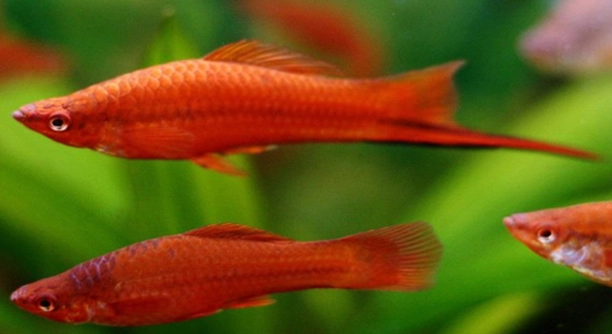
Stress in swordtails can be caused by various factors, such as water quality, tank mates, or environmental conditions. Recognizing the signs of stress in these fish is important for ensuring their well-being and proper care.
When a swordtail is stressed, it may display unusual behaviors such as hiding, rapid swimming, or clamped fins. The fish’s coloration may become dull, and it may lose its appetite. These symptoms indicate discomfort and should be addressed promptly.
Understanding the signs of stress in swordtails can help improve their living conditions and overall health. By identifying early symptoms, you can prevent further complications and ensure a healthier environment for your fish.
Causes of Stress in Swordtails
Several factors can cause stress in swordtails, often linked to water quality, tank conditions, or the presence of aggressive tank mates. Poor water parameters such as high ammonia or low oxygen levels can lead to fish feeling uneasy. Additionally, overcrowded tanks can make swordtails feel threatened, especially when they do not have enough space to swim freely. Overfeeding can also lead to an unhealthy environment, increasing waste and deteriorating water quality. Temperature fluctuations or sudden changes in water conditions may further increase their stress levels. Swordtails are sensitive creatures, and any shift in their environment can cause discomfort. Recognizing these causes early on is key to providing a stable and healthy habitat.
A balanced and clean environment is crucial for swordtail health. Regular water changes and monitoring water parameters are necessary steps to maintain a stress-free setting.
In addition to water quality, the social environment plays an important role in the well-being of swordtails. These fish are generally peaceful but can become stressed if they are housed with overly aggressive tank mates. When this happens, swordtails may isolate themselves, reducing their usual activity. Introducing suitable companions, such as other peaceful species, can help alleviate stress. Another factor to consider is lighting. Bright lights or constant exposure to artificial light can also lead to stress in swordtails. A proper day-night cycle with subdued lighting can help the fish feel secure. It’s important to make gradual changes to their environment rather than sudden adjustments, which can add to their anxiety. Proper care and attention to their habitat will ensure a long, healthy life for your swordtail.
How to Help a Stressed Swordtail
Addressing stress in swordtails involves adjusting the factors causing discomfort. The first step is to improve water quality by testing pH, ammonia, and nitrate levels. Regular water changes are essential to keep these parameters in check. In addition to water changes, ensure the tank is not overcrowded. This provides swordtails with more space to move freely, reducing the chances of stress. The next step is to check the temperature. Swordtails prefer temperatures between 72°F and 82°F (22°C to 28°C). Anything outside this range can lead to stress. Make sure the tank is equipped with a reliable heater and thermometer to maintain a stable temperature. Also, consider adding plants and hiding spots to create a more natural and comfortable environment.
Another useful approach is to monitor the behavior of tank mates. Aggressive species can create tension in the tank, so it’s important to select peaceful companions. Swordtails can coexist well with species like guppies, tetras, and other non-aggressive fish. If aggression is detected, it may be necessary to relocate more aggressive fish to separate tanks to give swordtails a calmer space. Proper lighting is another consideration. Ensure the tank has a consistent day-night cycle to mimic their natural environment. Reducing bright lighting, especially during the night, can help swordtails feel more secure. By taking these steps, you can significantly reduce stress and ensure that your swordtail thrives in its environment.
Recognizing the Signs of Stress in Swordtails
Swordtails show clear signs when they are stressed. These include hiding in corners, clamping their fins, or rapid swimming. They may also lose interest in food or show sudden changes in coloration. These visible signs should not be ignored, as they indicate distress in the fish.
If your swordtail becomes lethargic or its fins appear clamped tightly against its body, this is a sure sign of stress. Another behavior to watch for is erratic swimming. The fish may swim excessively fast or dart around the tank in a panic. In some cases, stress will cause the fish to stop eating altogether. This lack of appetite can weaken the fish and make it more susceptible to illness. If you notice these changes, it’s crucial to identify the source of stress quickly.
Stress can also cause swordtails to lose their vibrant colors. Healthy swordtails have bright, noticeable hues, but stressed fish may look dull or faded. A pale or washed-out appearance signals that something is off in the environment. This can be caused by poor water quality or unsuitable tank conditions. It’s essential to monitor these signs closely to prevent long-term damage to the swordtail’s health.
Addressing Stress Quickly
If your swordtail is stressed, addressing the situation quickly can prevent further harm. Start by checking the water parameters, as poor water quality is one of the most common causes. Testing for ammonia, nitrite, and nitrate levels is a good first step.
If the water tests show any issues, take immediate action by performing a water change. A 25-50% water change can help reduce toxins and restore balance in the tank. Be sure to use a water conditioner to remove chlorine and chloramine, which could further stress the fish. Also, make sure the water temperature is in the optimal range of 72°F to 82°F (22°C to 28°C). A consistent temperature helps keep the swordtail calm and reduces stress from fluctuations.
In addition to water changes, check if there are any aggressive tank mates. If the swordtail is being bullied, it may benefit from being moved to a separate tank or placed with calmer fish. Adding plants or rocks can also provide hiding spots for the swordtail, giving it a safe place to retreat. The more secure and comfortable the fish feels, the less stressed it will be.
The Impact of Overfeeding
Overfeeding swordtails can lead to poor water quality and stress. Excess food can break down into waste, raising the ammonia levels in the tank. This not only pollutes the water but also impacts the health of the fish.
It’s important to feed swordtails only as much as they can consume in a few minutes. Excess food left in the tank decays and contaminates the environment, which can harm the fish. Overfeeding can also lead to obesity in swordtails, further reducing their activity levels and making them more susceptible to stress. Monitor the amount of food given to avoid these issues.
Temperature Fluctuations and Stress
Swordtails are sensitive to temperature changes. Sudden shifts in the water temperature can cause distress, affecting their immune system and making them more vulnerable to diseases. Keeping a stable, warm temperature within the recommended range helps reduce stress and keeps the swordtail healthy.
A quality aquarium heater with a reliable thermometer is key for maintaining consistent temperatures. The optimal range for swordtails is between 72°F and 82°F (22°C to 28°C). Any sudden drops or rises in temperature can shock the fish, leading to stress and potential health problems. Regular monitoring of the water temperature ensures that the swordtail remains comfortable.
Water Quality Monitoring
Monitoring water quality is crucial for swordtail health. Regular testing for ammonia, nitrites, and nitrates will help keep the tank environment safe. Poor water quality is a major stress factor for these fish and can quickly lead to health issues.
FAQ
How can I tell if my swordtail is stressed?
Signs of stress in swordtails include hiding, rapid swimming, clamped fins, and loss of appetite. They may also display a dull or faded coloration. If you notice these symptoms, it’s a sign that something in their environment is causing discomfort.
What is the ideal water temperature for swordtails?
Swordtails prefer water temperatures between 72°F and 82°F (22°C to 28°C). Keeping the temperature stable within this range is crucial for their health and to minimize stress. Any drastic changes in temperature can be harmful, so it’s essential to use a heater and thermometer to maintain consistency.
How often should I feed my swordtail?
Swordtails should be fed once or twice a day, with only as much food as they can consume in a few minutes. Overfeeding can lead to poor water quality and stress, so it’s important to remove any uneaten food after feeding. A healthy feeding routine ensures proper nutrition without adding unnecessary waste to the tank.
Can swordtails live with other fish?
Yes, swordtails can live with other peaceful fish. However, they may become stressed if housed with aggressive species. It’s best to avoid placing swordtails with fish that are known to be territorial or overly active. Good tank mates include other livebearers, tetras, and smaller peaceful fish.
What should I do if my swordtail isn’t eating?
If your swordtail is not eating, check the water quality immediately. Poor water conditions can lead to a loss of appetite. Additionally, stress from overcrowding, aggressive tank mates, or temperature fluctuations can cause them to refuse food. Make sure to address any environmental issues and try offering different types of food.
Why is my swordtail’s color fading?
Fading color is a common sign of stress in swordtails. It can be caused by poor water quality, temperature fluctuations, or inadequate lighting. Ensuring a stable environment with clean water and a proper light cycle can help restore their vibrant colors.
How can I improve water quality for my swordtail?
To improve water quality, perform regular water changes (25-50% weekly), monitor the tank’s ammonia, nitrite, and nitrate levels, and use a good filtration system. Avoid overfeeding, as excess food can pollute the water. Also, check for debris and remove it to keep the water clear.
Can swordtails tolerate high levels of ammonia?
No, swordtails are highly sensitive to ammonia, and even small amounts can cause stress or illness. Testing the water regularly for ammonia and maintaining a good filtration system are key steps in preventing this issue. If ammonia is detected, perform a large water change to restore balance.
Do swordtails need a lot of space?
Swordtails require space to swim freely. A tank of at least 20 gallons is recommended for a small group. Overcrowding can lead to stress, aggression, and competition for resources. Larger tanks give swordtails enough room to move, helping them feel secure and reducing stress.
What are some common causes of swordtail stress?
Common causes of stress include poor water quality, aggressive tank mates, temperature fluctuations, overfeeding, and overcrowding. Other factors like sudden changes in their environment or lack of hiding spots can also cause anxiety. Addressing these issues can help improve their well-being.
How do I deal with aggressive tank mates?
If a tank mate is being aggressive toward your swordtail, it may be necessary to separate them. Consider adding more hiding spots, plants, or decorations to give the swordtail a place to retreat. In some cases, it may be best to rehome the aggressive fish to reduce stress.
Can I use medications for stressed swordtails?
Medications should only be used as a last resort if the swordtail shows signs of illness. Before medicating, focus on improving water quality and addressing environmental stressors. If the fish remains stressed or shows signs of disease, consult with an aquarium professional for the appropriate treatment.
What is the best type of filtration system for swordtails?
A good filtration system is crucial for maintaining clean water and minimizing stress. Canister filters or hang-on-back filters are ideal for larger tanks, while sponge filters are suitable for smaller setups. Make sure the filter provides proper water circulation without creating strong currents, which can add stress to swordtails.
How long can swordtails live?
Swordtails typically live for 3-5 years, though they can live longer with proper care. Ensuring good water quality, appropriate tank mates, and a stress-free environment will help maximize their lifespan. Regular monitoring of water conditions and feeding habits also contributes to their overall health and longevity.
Should I add plants to my swordtail tank?
Yes, adding plants to a swordtail tank can reduce stress by providing hiding spots and creating a more natural environment. Plants also help maintain water quality by absorbing excess nutrients. Live plants such as java fern, anubias, or hornwort are great choices for swordtail tanks.
How do I prevent swordtail stress from water changes?
To prevent stress from water changes, make sure the replacement water matches the temperature and pH of the tank. Perform partial water changes (25-50%) regularly, and avoid changing all the water at once. Gradual changes help prevent sudden shifts in water conditions, which can be stressful for the fish.
Final Thoughts
Caring for swordtails requires attention to their environment, including water quality, temperature, and feeding habits. These factors directly impact their health and well-being. Stressed swordtails may show various signs, such as faded colors, rapid swimming, or loss of appetite. Identifying the source of stress and addressing it promptly can improve their condition and prevent further issues. A stable, clean environment is essential for keeping these fish happy and healthy, as they thrive in well-maintained tanks with plenty of space and appropriate tank mates.
Understanding the causes of stress in swordtails is crucial for their long-term care. Overfeeding, poor water quality, and sudden temperature fluctuations are common stress factors that can significantly affect their behavior and health. Swordtails are sensitive to changes in their surroundings, so it’s important to maintain a routine for water changes and temperature regulation. Ensuring that they are fed the right amount of food and that their tank is not overcrowded will also help reduce stress. Stressful conditions can make swordtails more vulnerable to diseases and other health problems, so preventing stress is key to their overall well-being.
By paying close attention to the signs of stress and taking the necessary steps to correct the issues, you can provide a healthy and comfortable environment for your swordtail. This includes keeping the water clean, maintaining proper temperature ranges, offering a balanced diet, and selecting compatible tank mates. With a little effort and observation, swordtails can thrive and bring beauty and movement to your aquarium for years to come. If stress or health problems persist, it may be helpful to consult with a professional to ensure the best care possible. Ultimately, the key to a thriving swordtail is a well-maintained and peaceful aquarium setting.

Hello,
If you enjoy the content that we create, please consider saying a "Thank You!" by leaving a tip.
Every little bit helps us continue crafting quality advice that supports the health, happiness, and well-being of pets around the world, for pets of all shapes, sizes, and species.
We really appreciate the kindness and support that you show us!