
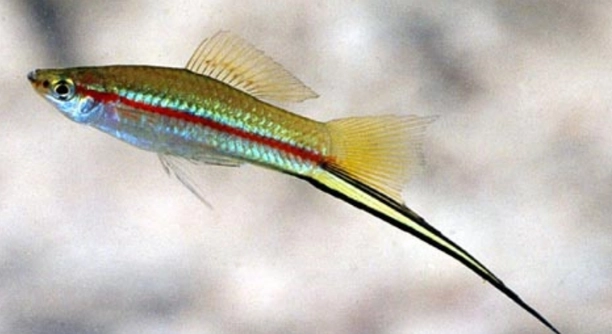
Swordtails are popular aquarium fish, known for their striking appearance and lively behavior. As pets, they often spark curiosity about their mental and emotional states, leaving owners wondering whether these fish are capable of feeling emotions.
Swordtails, like many fish species, exhibit behaviors that suggest emotional responses. While their emotional complexity may differ from humans, studies indicate that they can experience stress, fear, and possibly even forms of pleasure, based on environmental cues and social interactions.
Understanding these emotional experiences can improve how we care for swordtails. The more we learn, the better we can support their well-being in our aquariums.
How Do Swordtails Express Emotions?
Swordtails communicate their feelings mainly through body language and behavior. For instance, when they are stressed, they often hide or become less active. A swordtail in a calm state tends to swim around freely, displaying vibrant colors, especially males who may even show off to attract mates. They also react to changes in water conditions, becoming visibly agitated if the water is too warm or polluted. These emotional reactions show that swordtails have the ability to sense their environment and respond accordingly.
Their social behavior is another indicator of emotional states. Swordtails are known to form social groups and show affection toward one another by swimming close together. Males may also engage in display behaviors, like spreading their fins or chasing each other, which could signal excitement or a competitive instinct.
Swordtails are social creatures that rely on their environment for emotional cues. Recognizing these signs can help aquarium owners understand their needs, ensuring a healthier and happier fish. Providing the right water conditions and companionship is essential for their well-being.
Stress and Fear in Swordtails
Swordtails react to stress similarly to many other fish. When under stress, they may exhibit rapid swimming or darting around their tank. These behaviors are often signs that something is wrong in their environment, such as high ammonia levels or sudden temperature changes.
Fear is another emotion swordtails experience. When startled, they may quickly swim to the tank’s bottom or hide in plants. These reactions suggest that swordtails are sensitive to their surroundings and can feel vulnerable when faced with threats. Maintaining a stable, safe environment helps reduce stress and fear in swordtails.
By addressing factors that contribute to stress, such as overcrowding or improper water conditions, swordtail owners can foster a peaceful and supportive habitat. A well-maintained tank not only helps reduce fear but also improves the fish’s overall emotional health.
Can Swordtails Form Bonds with Other Fish?
Swordtails are known for their social nature, often interacting peacefully with other species in a well-maintained tank. They generally thrive in the company of their own kind, but they can also coexist with other peaceful fish, like tetras or guppies.
In mixed-species tanks, swordtails typically show little aggression unless they are stressed. This stress can be caused by overcrowding or territorial disputes. In such cases, they may display aggressive behaviors like chasing. However, when kept with compatible species in a suitable environment, swordtails usually get along without issues.
The key to fostering healthy interactions between swordtails and other fish is providing enough space and hiding spots for each species. By ensuring that each fish has room to swim and areas to retreat to, it’s easier to avoid territorial conflicts and keep the community peaceful.
Swordtail Reproduction and Emotional Influence
Swordtails reproduce through internal fertilization, with males courting females by showing off their colorful tails. During mating, males engage in elaborate behaviors like chasing and circling, which suggests a form of emotional connection. The females, in turn, show signs of acceptance or disinterest based on the male’s display.
After fertilization, the female carries the eggs internally before giving birth to live young. This process highlights the importance of the emotional state in reproduction, as stressed or unhealthy females may not breed successfully. Maintaining a calm and healthy environment is crucial for encouraging breeding.
Creating the right conditions for swordtail breeding involves regulating water temperature, keeping water quality high, and providing plenty of hiding spots for newborns. Ensuring these factors are in place supports both the physical and emotional health of the fish, making reproduction more likely and successful.
How to Recognize a Swordtail in Stress
Stress in swordtails can be detected through subtle behavioral changes. When stressed, they often swim rapidly, stay close to the tank’s bottom, or hide in plants. Their usual bright colors may also fade, indicating discomfort.
Another clear sign of stress is when swordtails display erratic movements. They may dart back and forth in the tank or act skittish. This behavior often points to poor water quality or sudden changes in their environment, like temperature fluctuations.
Recognizing stress early helps prevent long-term health issues in swordtails. Adjusting tank conditions and ensuring consistent water parameters can make a significant difference in their well-being.
Creating a Comfortable Environment
Providing swordtails with a comfortable environment requires attention to water quality, temperature, and space. Swordtails prefer a temperature range of 72-79°F and clean, well-filtered water to stay healthy. Overcrowding can also increase stress, so ensuring ample swimming space is essential.
By setting up a balanced tank with proper water conditions and a stable temperature, swordtails are more likely to thrive emotionally and physically. Adding plants and decorations for hiding spots can further reduce stress, offering them a sense of security.
Focusing on these aspects allows swordtails to live in a less stressful environment, improving their overall health and behavior.
Swordtails and Social Interactions
Swordtails thrive in social settings, especially when surrounded by other peaceful fish. They often form groups and interact with their own kind, displaying communal behavior. However, too many males in a tank may lead to aggression.
When introducing new fish to a tank, it’s important to monitor interactions closely. Swordtails typically engage in mild displays of dominance, such as chasing, but they can usually coexist peacefully with other species if their environment is managed well.
A well-balanced tank with a mix of species and enough space will help swordtails remain calm and social, improving their emotional well-being.
FAQ
Can swordtails recognize their owners?
Swordtails, like many fish, may not recognize their owners in the same way that pets like dogs or cats do. However, they can become familiar with the presence of people. Over time, they may associate their owner’s movements with feeding, and some may swim toward the glass when they see you approaching the tank. This behavior shows a basic level of recognition, driven by association rather than a deeper emotional connection.
Do swordtails need a companion?
Swordtails are social fish and benefit from having companions. Keeping them with others of their own species can reduce stress and increase their overall happiness. However, swordtails can also live peacefully with other species, provided those species are not aggressive. A well-balanced community tank will help ensure that swordtails are not isolated, improving their social well-being.
What makes swordtails stressed?
Swordtails experience stress from poor water quality, sudden temperature changes, overcrowding, or aggressive tankmates. Additionally, a lack of hiding spaces or inadequate food can lead to stress. It’s important to maintain stable water conditions, provide enough space, and avoid tankmates that might bully them.
How do I prevent aggression in swordtails?
To prevent aggression, ensure that your swordtail tank has ample space for each fish. Overcrowding can lead to territorial behavior, especially among males. If you keep more than one male swordtail, providing plenty of hiding spots can help reduce conflicts. It’s also important to keep swordtails with peaceful tankmates to avoid unnecessary stress.
Can swordtails live alone?
While swordtails can technically live alone, they are social creatures that thrive in groups. Keeping them in pairs or small groups is better for their emotional well-being. A solitary swordtail may become stressed, especially if kept in a small tank with little interaction. A group dynamic allows swordtails to display natural behaviors and interact with each other.
How can I tell if my swordtail is happy?
A happy swordtail is usually active, swimming freely throughout the tank. They will display bright colors, especially the males, who show off their fins to attract females. Healthy swordtails also tend to eat well, socialize with tankmates, and explore their environment. If your swordtail shows these behaviors, it’s a sign that it feels comfortable in its habitat.
Do swordtails experience fear?
Yes, swordtails can experience fear. When frightened, they may quickly swim to the bottom of the tank or hide in plants. Common causes of fear include sudden movements outside the tank, unfamiliar tankmates, or a change in their environment. Reducing stressors and maintaining a stable environment can help minimize fear.
What are the best tank conditions for swordtails?
Swordtails thrive in a tank with a temperature range of 72-79°F (22-26°C) and a pH level between 7.0 and 8.0. Clean, well-filtered water is crucial, as swordtails are sensitive to poor water quality. A spacious tank with plenty of hiding spots and live plants will make swordtails feel more secure.
Do swordtails get along with other species?
Swordtails are generally peaceful and can live with many other species. However, it’s essential to choose tankmates that are not overly aggressive. Fish like tetras, guppies, and mollies often make good companions for swordtails. Avoid keeping them with overly territorial or fin-nipping species, which can stress out your swordtail.
How can I tell if my swordtail is sick?
Signs that a swordtail may be sick include loss of appetite, lethargy, faded colors, or unusual swimming patterns. If a swordtail has external parasites or lesions, it might scratch against tank objects or swim erratically. It’s important to monitor any changes in behavior closely and consult an expert if symptoms persist.
Are swordtails easy to breed?
Swordtails are relatively easy to breed compared to other aquarium fish. They are livebearers, meaning they give birth to fully-formed young rather than laying eggs. The males display courtship behaviors to attract females, and once fertilization occurs, the female carries the eggs internally. With the right water conditions and ample space, swordtails will reproduce naturally.
How do I care for swordtail fry?
Swordtail fry are small and need a safe space to grow without being eaten by adults. After birth, it’s essential to provide hiding spots, such as plants or a separate nursery tank, to protect the fry. They should be fed finely crushed fish food or specialized fry food until they grow large enough to eat regular flakes.
Do swordtails need special food?
Swordtails are omnivores and can eat a variety of foods, including flake food, pellets, and frozen or live food. A balanced diet is essential for their health, including occasional treats like brine shrimp or bloodworms. Overfeeding can lead to water quality issues, so it’s important to feed swordtails in moderation.
Why is my swordtail turning pale?
Paleness in swordtails can be a sign of stress, poor water conditions, or illness. If your swordtail’s color fades, check for any changes in water quality, temperature, or tankmates. Stress from overcrowding or aggressive behavior can also cause them to lose their vibrant colors.
Do swordtails have a natural lifespan?
Swordtails can live for about 3 to 5 years in a well-maintained aquarium. Their lifespan depends on factors such as water quality, tank conditions, and overall care. Keeping their environment stable and providing a balanced diet can help swordtails live a long and healthy life.
Can swordtails live with shrimp?
Swordtails can live with shrimp, but it depends on the species of shrimp and the tank setup. Smaller shrimp may become prey, especially if the swordtails are hungry or curious. Larger shrimp, such as cherry shrimp, may be safe, as long as there are enough hiding places for them.
How do swordtails show affection?
Swordtails don’t exhibit affection in the same way that mammals do. However, they may show social behaviors like swimming near tankmates or interacting with them. During courtship, males show their colorful tails and perform dances to attract females. These interactions are a sign of connection, though not affection in a human sense.
Final Thoughts
Swordtails are unique fish, known for their vibrant colors and social behaviors. Understanding their needs and recognizing their emotional responses can significantly improve their well-being in the home aquarium. By providing them with a stable environment, proper tankmates, and a balanced diet, swordtails can thrive and live healthy, active lives. They are relatively easy to care for, but small adjustments in their environment can make a big difference in their overall happiness.
It’s essential to maintain clean water and provide ample space for swordtails to swim. Overcrowding, poor water quality, or incompatible tankmates can lead to stress, which negatively impacts their health. Regularly testing water parameters, ensuring a stable temperature, and removing any sources of aggression or stress from the tank will help keep swordtails calm. They are peaceful fish that enjoy being in groups, so keeping multiple swordtails together can help prevent loneliness and foster natural social behaviors.
Swordtails are fascinating creatures that can bring joy to any aquarium enthusiast. Their ability to form connections with their tankmates, coupled with their easygoing nature, makes them a great choice for both beginner and experienced fish keepers. By offering them the right conditions and understanding their behavioral cues, you can ensure they live a fulfilling life in your aquarium. In the end, providing a stress-free and enriched environment will help swordtails feel secure and content, allowing them to flourish and display their natural beauty.

Hello,
If you enjoy the content that we create, please consider saying a "Thank You!" by leaving a tip.
Every little bit helps us continue crafting quality advice that supports the health, happiness, and well-being of pets around the world, for pets of all shapes, sizes, and species.
We really appreciate the kindness and support that you show us!