
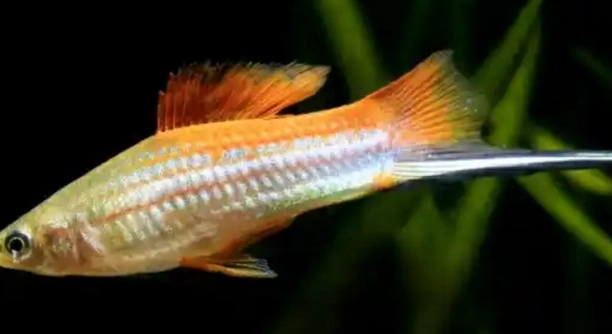
Swordtail fry are fascinating little creatures that often raise questions about their behavior, especially when it comes to feeding habits. As they grow and develop, they may exhibit behaviors that are both surprising and puzzling to fish owners.
Swordtail fry have been known to eat each other, especially in environments where food is scarce or competition is high. This behavior is most common among younger fry, as they may resort to cannibalism to survive in crowded spaces.
Understanding why this happens and how to manage it can help create a healthier environment for your fry. Ensuring that they have enough food and space will reduce the likelihood of this behavior.
Why Do Swordtail Fry Eat Each Other?
Swordtail fry may resort to eating each other due to a lack of food, stress, or overcrowding. This behavior is not uncommon, especially in the early stages of life when fry are more vulnerable. When swordtail fry are born, they are often small and rely on a continuous supply of food. Without enough nutrients, fry may become more aggressive and may turn to eating others in order to survive. This survival instinct is a natural response to harsh conditions, where the weaker fry are at risk.
The fry may also eat each other out of frustration or desperation. If they are in an overcrowded tank, they may struggle for space and food. A high level of stress can trigger aggressive behavior, and cannibalism is often a result of such stressors.
To prevent this, it is crucial to ensure that the fry have adequate space and food. Keep the water clean and free of toxins, and provide them with small portions of food frequently throughout the day to avoid competition and stress.
Managing Swordtail Fry Behavior
Proper care for swordtail fry involves maintaining the right conditions for growth and reducing stress factors. A well-maintained tank with proper filtration and space can help prevent cannibalism. Providing hiding spots for fry to retreat to will also reduce aggression.
Fry can benefit from being separated into different tanks based on their size to minimize fighting. Smaller fry should not be in a tank with larger ones, as this increases the chance of one being eaten. A good tank setup includes hiding places like plants and decorations, where fry can escape from predators.
Having the right food also plays a part. Feeding swordtail fry tiny portions of high-quality food several times a day helps ensure they grow without competing for resources. Proper care from the beginning will lead to a healthier, happier environment for your swordtail fry.
The Role of Space in Preventing Cannibalism
Fry need space to grow and thrive. Overcrowded tanks can lead to stress and aggression, making it more likely for swordtail fry to eat each other. Ensuring the tank is not overcrowded is key to their well-being. Fry that are cramped together have higher chances of conflict and cannibalism.
To reduce overcrowding, regularly monitor the number of fry in the tank. If necessary, move them to larger tanks or divide the population into smaller groups. A general rule is to allow around one inch of space per fry, providing them with the freedom to swim and grow without stress.
Another important factor is the amount of plants and hiding spots in the tank. These provide the fry with places to escape from larger fish, reducing the likelihood of aggression. When fry feel secure, they are less likely to exhibit harmful behaviors, such as cannibalism. Ensure the environment is suitable for their natural instincts to reduce risks.
The Importance of Nutrition
Swordtail fry need a constant supply of nutrients for healthy growth. If the food is insufficient or infrequent, they may resort to eating each other out of hunger. Offering small, frequent meals ensures that fry can get the nutrition they need without competition.
It’s essential to feed swordtail fry high-quality, finely crushed food that is appropriate for their size. This can include specially formulated fry food, such as micro-pellets or powdered flakes, which are easy for them to digest. Overfeeding should also be avoided, as leftover food can pollute the water and lead to unhealthy conditions.
By maintaining a balanced feeding schedule and offering the right types of food, you help reduce the chances of the fry fighting over limited resources. Healthy, well-fed fry are less likely to be aggressive or turn to cannibalism. Feeding properly can promote growth and a more peaceful tank environment.
Tank Conditions and Water Quality
Water quality is crucial for swordtail fry. Poor water conditions can stress fry, leading to more aggressive behavior and potential cannibalism. Regular water changes and proper filtration help maintain a healthy environment. Keep the water temperature and pH levels within an optimal range to support their growth.
Ammonia, nitrites, and nitrates should be monitored closely, as high levels of these toxins can harm fry and increase the likelihood of cannibalistic behavior. Invest in a good filtration system and use water conditioners to maintain a balanced tank. Regular water testing ensures a safer environment.
Fry are highly sensitive to water conditions. When water quality is poor, they may become more vulnerable to disease and stress, leading to heightened aggression. Maintaining clean, filtered water supports their health and minimizes the risk of harmful behaviors, such as cannibalism.
Separation by Size
Separation by size can greatly reduce the chances of swordtail fry eating each other. Smaller fry should not be housed with larger ones, as they become easy targets for cannibalism. Providing separate tanks for different size groups ensures that each fry gets a fair chance to grow.
Larger fry may dominate smaller ones, creating an environment where the weaker fry are at risk. By separating them, you give the smaller fry more room to grow without the threat of being eaten. This simple step can reduce stress and improve their overall survival rate.
Aggressive Behavior Triggers
Stress is one of the main triggers for aggressive behavior in swordtail fry. Factors such as overcrowding, inadequate food, and poor water conditions can cause fry to become stressed. When stressed, fry may exhibit violent behaviors, including cannibalism. Reducing stress factors is crucial for preventing this.
Setting up a calm environment with plenty of hiding spaces and proper nutrition helps to minimize stress. Fry that feel secure in their surroundings are less likely to turn on each other. Creating an ideal environment allows the fry to grow peacefully and develop into healthy adults.
FAQ
Do swordtail fry eat each other right after birth?
Yes, swordtail fry may eat each other shortly after birth, especially in stressful conditions. When they are born, they are small and vulnerable, and their primary instinct is to survive. If food is scarce or there is competition for resources, some fry may resort to eating their siblings. It’s important to provide enough food and space to avoid this behavior.
How can I tell if my swordtail fry are being stressed?
Signs of stress in swordtail fry can include erratic swimming, hiding more than usual, or appearing lethargic. You may also notice aggression towards each other. Stress can be caused by poor water quality, overcrowding, or inadequate food. Keeping the tank clean, maintaining proper water conditions, and offering a balanced diet can help reduce stress.
What should I feed my swordtail fry to prevent cannibalism?
To reduce the risk of cannibalism, swordtail fry should be fed high-quality, small-sized foods that are appropriate for their size. Fry food, micro-pellets, or finely crushed flakes are good options. Offer small portions multiple times a day to ensure they are getting enough nutrients without competition. Overfeeding can lead to poor water quality, so monitor the tank closely.
Can I house adult swordtails with fry?
It’s generally not recommended to house adult swordtails with fry unless there are plenty of hiding spaces for the smaller fish. Adult swordtails may view the fry as potential food. To prevent this, consider separating the adults from the fry, or use a breeder box or mesh divider to keep them apart until the fry grow large enough to avoid being eaten.
How often should I change the water in the fry tank?
Regular water changes are essential for maintaining healthy conditions for swordtail fry. A general rule is to change 10-20% of the water every two to three days. If the fry are in a smaller tank, you may need to change the water more frequently. Always use dechlorinated water and check the water temperature before adding it to the tank.
What is the ideal tank size for swordtail fry?
For a small group of swordtail fry, a 10-gallon tank is a good starting point. As they grow, they will need more space to avoid overcrowding, which can lead to stress and cannibalism. Providing at least 1 inch of space per fry will help them thrive. Consider upgrading the tank size as the fry grow.
Should I use a filter in the fry tank?
Yes, a filter is important to maintain good water quality, which is essential for the health of swordtail fry. However, make sure the filter is not too strong, as it could create too much current and stress the fry. A sponge filter is a good option because it provides filtration without strong water flow.
What temperature should the water be for swordtail fry?
Swordtail fry thrive in water temperatures between 75°F and 80°F (24°C to 27°C). Keeping the water within this range promotes healthy growth and reduces stress. If the water is too cold, it can slow down their metabolism and make them more susceptible to illness. If it’s too warm, it could lead to oxygen depletion.
Can swordtail fry be kept with other types of fish?
Swordtail fry can be kept with other peaceful fish as long as they are not large enough to eat them. However, it’s important to avoid housing fry with aggressive or predatory species. If you want to keep them with other fish, make sure the fry have plenty of hiding spots to avoid being eaten.
How do I prevent overcrowding in my swordtail fry tank?
Overcrowding can be prevented by monitoring the fry population and making adjustments as needed. If the tank becomes too crowded, consider separating the fry into different tanks based on size. Regularly removing any fry that are too large to be kept with smaller ones can help keep the tank manageable and reduce stress on the fry. Proper filtration and regular water changes also help keep overcrowding under control by ensuring healthy water conditions.
Can swordtail fry eat algae?
While swordtail fry may nibble on algae, it should not be their main food source. Algae can provide some nutrition, but it lacks the essential nutrients needed for proper growth. A balanced diet consisting of high-quality fry food, micro-pellets, or finely crushed flakes is important for their development. If algae is present in the tank, it can be a sign of excess nutrients, so it’s essential to maintain good water quality.
Why do some swordtail fry seem weaker than others?
Some fry may be weaker due to genetics, inadequate nutrition, or poor environmental conditions. Weaker fry may struggle to compete for food and resources, making them more susceptible to stress and cannibalism. Ensuring a balanced diet and a clean, well-maintained tank environment will help promote the overall health of all fry.
What can I do to encourage healthy growth in swordtail fry?
To encourage healthy growth, ensure that the fry have a well-maintained tank with proper filtration and water quality. Feed them small, frequent meals of high-quality fry food. Providing plenty of hiding spots will also help reduce stress. Regularly check for any signs of illness and address any issues promptly. Keeping the tank clean and avoiding overcrowding are key factors in promoting healthy growth.
When will swordtail fry be large enough to stop eating each other?
As swordtail fry grow and become stronger, they will be less likely to eat each other. Once they reach around 1 inch in size, they will be more independent and less likely to be preyed upon by other fry. At this stage, the risk of cannibalism decreases, especially if the tank is properly maintained.
Do swordtail fry need special lighting?
Swordtail fry don’t require special lighting, but they do benefit from a light cycle to help regulate their growth. A 10-12 hour light cycle is sufficient to mimic natural day and night conditions. Be sure not to keep the tank under constant bright light, as it could stress the fry.
Can swordtail fry survive without a heater?
While swordtail fry can survive without a heater in warmer climates, it’s best to maintain a consistent water temperature for optimal growth. If the temperature fluctuates too much, the fry may become stressed and susceptible to disease. A heater is especially important in cooler environments to keep the water in the ideal range.
Final Thoughts
Maintaining healthy swordtail fry requires attention to their environment, feeding habits, and overall care. It is important to monitor water quality regularly, ensure a proper diet, and manage the tank size to prevent overcrowding. Stress is a major factor that leads to aggressive behavior and cannibalism, so reducing any sources of stress, such as poor water conditions or limited space, will help ensure the fry grow safely and healthily. Keeping the water clean and at the correct temperature also plays a big role in their development. Fry need a stable environment to thrive, and investing time and effort into creating that space is essential for their well-being.
Feeding swordtail fry high-quality, appropriately sized foods multiple times a day helps prevent hunger-driven aggression. If the fry are given enough food, they are less likely to eat each other. Separation by size is another useful strategy, as smaller fry are often at risk of being eaten by larger ones. Additionally, providing hiding spaces or using breeding boxes can ensure the safety of smaller fry while they grow. Regular water changes and good filtration are key to avoiding harmful conditions that could promote aggressive behavior. Keeping an eye on the fry’s behavior and health will allow you to make any necessary adjustments quickly.
While swordtail fry may show signs of cannibalism in certain conditions, with the right care, they can grow and develop peacefully. By maintaining a clean, stress-free tank and providing enough food, you can reduce the chances of aggressive behavior. As the fry grow, the risk of cannibalism decreases, and they can be safely introduced into a larger tank with adult swordtails or other peaceful species. Keeping these guidelines in mind will help you create an environment where your swordtail fry can grow healthy and strong.

Hello,
If you enjoy the content that we create, please consider saying a "Thank You!" by leaving a tip.
Every little bit helps us continue crafting quality advice that supports the health, happiness, and well-being of pets around the world, for pets of all shapes, sizes, and species.
We really appreciate the kindness and support that you show us!