
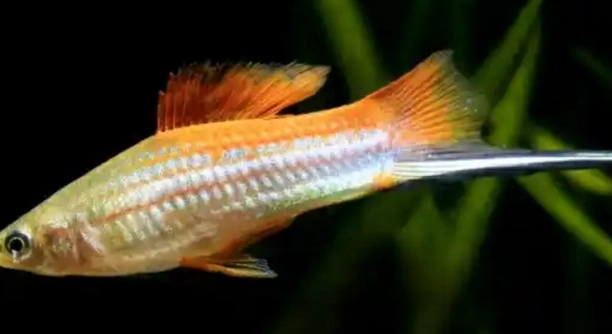
Swordtails are active, colorful fish, but sometimes they display unusual behavior, such as hitting the glass of their tank. This can be puzzling for fish owners, especially when the action seems out of character for a usually calm fish.
The most common reason your swordtail may be hitting the glass is stress. This could be caused by poor water conditions, inadequate tank size, or a lack of hiding spots. Other reasons may include boredom or the presence of aggressive tankmates.
Identifying the cause behind this behavior can help create a better environment for your swordtail. By addressing potential stressors, you can ensure your fish stays healthy and happy.
Possible Causes for Swordtail Hitting the Glass
One of the main reasons your swordtail may be hitting the glass is poor water quality. Fish are highly sensitive to changes in their environment, and dirty water can cause stress, making them act out. High levels of ammonia, nitrites, or nitrates can irritate your fish, leading to abnormal behavior like glass hitting. It’s crucial to test the water regularly and perform water changes to keep the tank clean. Maintaining proper water parameters, such as pH, temperature, and hardness, is essential to prevent stress and other health problems in your swordtail.
If you’re not sure where to start, testing kits are available at most pet stores. Keeping your tank in a consistent, comfortable range will reduce unnecessary stress for your fish. Regular water changes and proper filtration will help keep your swordtail healthy and reduce erratic behavior.
Maintaining proper water conditions will lead to a happier, more comfortable swordtail. It’s important to prioritize water quality for long-term success.
Tank Size and Layout Issues
Swordtails need enough space to swim freely, and a small tank can restrict their movement. A cramped environment may lead to frustration and stress. If your tank is too small for your swordtail, it may resort to behaviors like hitting the glass. An appropriately sized tank will give your fish room to swim and explore, reducing stress.
In addition to tank size, providing enough hiding spots is crucial. Swordtails feel more secure when they have places to retreat to, especially when they feel threatened. Decorations like plants, rocks, or caves can help break up the space and give your swordtail a sense of security. This, in turn, can reduce their need to swim aimlessly or hit the glass. A well-planned tank setup with adequate space and hiding places helps your swordtail feel more comfortable and less stressed, preventing unwanted behaviors.
Boredom and Lack of Stimulation
Swordtails are active fish that need stimulation to stay healthy. When they don’t have enough to do, they can start displaying strange behaviors, such as hitting the glass. Without enough physical or mental challenges, they may try to escape or interact with their environment in ways that seem odd.
Providing toys, plants, or tank mates can help alleviate this boredom. A lack of interesting tank decor or other fish to interact with can lead to your swordtail becoming restless. Make sure your swordtail has a variety of plants and decorations to explore. You can also add species that match their energy levels and offer some interaction.
Swordtails thrive on social interaction, so consider adding a few more fish to the tank if you only have one. This can reduce stress and help them feel more comfortable. Boredom can make them act out, so it’s important to keep their environment engaging to prevent this behavior.
Aggressive Tankmates
Aggressive fish can make your swordtail nervous and stressed, leading to glass hitting. If a more dominant fish is constantly harassing your swordtail, it may try to escape by swimming into the glass. Aggression often causes them to feel unsafe and disrupts their normal behavior.
To address this issue, monitor interactions between tank mates closely. Aggressive species such as cichlids or certain types of barbs may not get along with swordtails. If you notice constant bullying or chasing, separating the aggressive fish or rearranging the tank can help. Also, try adding more hiding spots for the swordtail to retreat to.
Creating a peaceful environment with compatible species will reduce stress for your swordtail and help prevent glass-hitting behavior. Consider their temperament and activity level before introducing new tank mates. A harmonious tank can make a big difference in your swordtail’s behavior.
Lighting and Tank Position
Bright or harsh lighting can stress swordtails, making them feel exposed. If the tank is too brightly lit, they may try to escape by swimming into the glass. Adjusting the lighting can reduce this discomfort and keep them calm.
Consider placing the tank in a location with softer, indirect light. You can also use a dimmer or adjustable lighting system. This will create a more natural, less stressful environment for your swordtail. Swordtails are active and social, so making sure the lighting suits their needs will help them feel at ease.
Feeding Habits
Improper feeding can affect your swordtail’s behavior. Overfeeding can lead to water quality issues, which can stress your fish. On the other hand, underfeeding may cause hunger or frustration. Both scenarios can trigger glass-hitting behavior.
Establishing a consistent feeding routine and providing the right portion sizes will keep your swordtail healthy and reduce behavioral issues. Aim to feed them once or twice daily, offering only the amount they can consume within a few minutes. Proper feeding promotes their health and comfort, preventing unwanted actions like glass hitting.
FAQ
Why is my swordtail swimming against the glass?
Swordtails may swim against the glass due to stress, boredom, or poor water conditions. If they feel trapped or uncomfortable, they might start interacting with the tank walls. To resolve this, improve water quality, increase stimulation with tank decor, and ensure they have enough space to swim freely.
How do I know if my swordtail is stressed?
Stressed swordtails may show signs like erratic swimming, hiding more often, or hitting the glass. If your fish is displaying these behaviors, check water conditions for problems. Also, make sure the tank isn’t overcrowded and that tank mates are compatible. Stress can lead to health issues, so act quickly.
Can I add more fish to reduce my swordtail’s stress?
Yes, adding compatible tank mates can reduce stress. Swordtails are social and can benefit from having other peaceful fish around. Just ensure you don’t overcrowd the tank and that the fish you add have similar water requirements. Too many fish can cause stress, so aim for balance.
What size tank do swordtails need?
Swordtails need a minimum of a 20-gallon tank. If you have multiple swordtails or other fish, opt for a larger tank. A bigger tank offers more swimming space, reduces aggression, and helps maintain stable water parameters. The more space they have, the less likely they are to stress and hit the glass.
How often should I change the water in my swordtail tank?
Water changes should be done weekly, with 20-30% of the water replaced each time. This helps maintain good water quality, removing excess waste and toxins. In tanks with a lot of fish or high waste production, you may need to change water more frequently.
Do swordtails need a filter?
Yes, swordtails need a filter. A filter helps maintain clean, oxygenated water by removing excess waste and keeping the water circulating. This is essential for preventing harmful toxins from building up and causing stress. Make sure the filter is the right size for your tank.
What is the best water temperature for swordtails?
Swordtails thrive in temperatures between 72°F and 79°F (22°C and 26°C). Keeping the water within this range promotes their health and prevents them from becoming stressed. You can use a heater to maintain a consistent temperature, especially in cooler environments.
Can swordtails live with other fish?
Swordtails are peaceful fish and can live with other calm species. Avoid aggressive fish that may bully your swordtail. Species like tetras, mollies, and peaceful catfish are great companions. Always research compatibility before introducing new fish to prevent aggression and stress.
Why is my swordtail not eating?
A lack of appetite can be caused by stress, illness, or water quality issues. If your swordtail is refusing food, check the water parameters, and observe for signs of disease. If the fish seems healthy but stressed, try reducing tank lighting and ensuring it has hiding spots for comfort.
Do swordtails like plants in their tank?
Yes, swordtails enjoy plants in their tank. Plants provide hiding spots, reduce stress, and mimic their natural environment. Floating plants, like water lettuce or hornwort, also offer shade and surface cover. Adding live plants can make the tank more interesting for swordtails and help them feel more secure.
Why is my swordtail swimming upside down?
Swimming upside down is not normal and could be a sign of swim bladder disease, which is often caused by poor water quality or overfeeding. Check the water parameters and consider adjusting your feeding schedule to avoid this issue. If the behavior continues, consult an aquarium professional for treatment.
Final Thoughts
Swordtails are generally hardy and peaceful fish, but they can display odd behaviors like hitting the glass when they are stressed, bored, or uncomfortable. Understanding the causes behind this behavior is important for providing the best care for your fish. It’s essential to monitor their environment closely, ensuring proper water conditions, appropriate tank mates, and enough space to swim. Additionally, keeping them mentally and physically stimulated with plants, decor, and other fish will help them feel secure and happy.
Sometimes, behaviors like glass hitting are just a sign that something needs adjusting. Whether it’s adding more plants, adjusting the lighting, or ensuring their tank mates are compatible, small changes can make a big difference. Swordtails thrive in peaceful, well-maintained environments, and by paying attention to their needs, you can create a comfortable home for them. This will not only reduce stress but also prevent other behavioral issues.
By addressing the factors contributing to glass-hitting, you can help your swordtail lead a healthier, more active life. Keep in mind that these behaviors don’t always point to a major problem, but it’s important to stay observant and proactive. With a little care and attention, your swordtail will be able to swim happily without hitting the glass, giving you peace of mind and a thriving aquarium.

Hello,
If you enjoy the content that we create, please consider saying a "Thank You!" by leaving a tip.
Every little bit helps us continue crafting quality advice that supports the health, happiness, and well-being of pets around the world, for pets of all shapes, sizes, and species.
We really appreciate the kindness and support that you show us!