
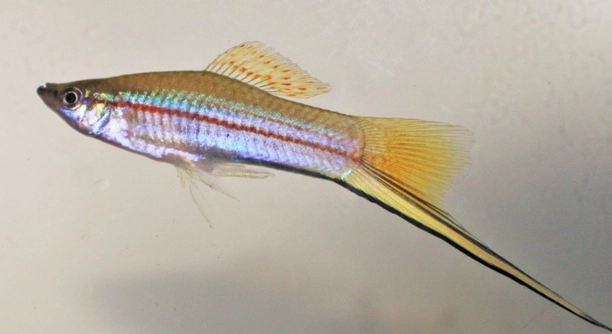
Swordtails are known for their vibrant colors and playful behavior, but like all animals, they can experience changes in their emotional state. While it’s not as common, swordtails can show signs of stress or depression.
Swordtails, like many fish, can experience stress and changes in behavior that might mimic depression. Environmental factors, tank conditions, and lack of stimulation can all contribute to these emotional shifts, resulting in signs such as lethargy or changes in eating habits.
Recognizing these symptoms early can help you address any issues and improve your swordtail’s quality of life. Understanding these signs can lead to a happier and healthier tank environment.
What Causes Depression in Swordtails?
Swordtails, like other fish, may develop stress or depression due to poor living conditions. If their tank isn’t clean, water quality poor, or if they are kept in isolation, they may show signs of sadness. Inadequate tank size or incompatible tankmates can also lead to emotional distress. Fish are social creatures and require interaction with others of their species for mental stimulation. Lack of proper diet, temperature fluctuations, or inappropriate lighting can also trigger stress. It’s important to monitor all aspects of your swordtail’s environment to keep them healthy.
Changing water conditions regularly and keeping the tank clean can help maintain a stable environment. Proper diet and supplementation of essential nutrients also play a role in preventing health issues that may lead to depression. Swordtails should have enough space and the right companions to feel comfortable.
Swordtails need a balanced and stimulating environment. With proper care, you can avoid many common emotional issues that may arise and provide your fish with a happier life.
Recognizing Depression in Swordtails
If your swordtail is showing signs of unusual behavior, it’s essential to recognize it early. Lethargy, lack of appetite, or changes in swimming patterns may indicate emotional distress. If your fish seems withdrawn, avoiding interaction with other fish, it’s a red flag. Regularly check their behavior to ensure they are not feeling stressed.
Swordtails that refuse food or stay in one corner of the tank for long periods may be feeling unwell or mentally distressed. Other signs include dull or faded coloration, which can indicate health or emotional problems. This should be addressed immediately. Stress can negatively affect your fish’s immune system, leading to sickness.
When you notice changes in your swordtail’s behavior, take action quickly to assess water quality, tank size, and tankmate compatibility. Simple adjustments can significantly improve their well-being.
How to Help Your Swordtail Recover
To help your swordtail recover, start by improving its living conditions. Ensure the water is clean, with the right pH levels, temperature, and oxygen content. Swordtails thrive in stable environments, so avoid large, sudden changes. Make sure there’s enough space for them to swim around freely and interact with tankmates. Providing hiding spots in the tank also helps reduce stress.
Diet is essential to their well-being. Make sure your swordtail is getting a balanced, nutritious diet, and offer variety. Overfeeding or underfeeding can lead to health problems, including depression-like symptoms. Pay attention to any changes in behavior after feeding to ensure the food is right for them.
A more social environment will benefit your swordtail. If you notice that your fish is spending too much time alone, consider introducing new tankmates. However, be cautious about introducing aggressive or overly dominant fish. A well-balanced, peaceful tank environment can help boost their spirits.
Tank Size and Its Effect on Swordtail Behavior
A small tank can lead to stress for swordtails. It restricts their movement and makes them feel confined. Swordtails need space to swim freely, which is vital for their mental health. Ensuring that the tank is large enough can alleviate some of the stress that could lead to depression-like symptoms.
Swordtails typically do well in tanks of at least 20 gallons, especially if they are kept with other fish. A crowded tank will not only limit their swimming space but can also cause aggression among tankmates. Too much competition for resources like food and territory can worsen stress. Providing ample space for each fish helps them feel secure and relaxed.
The size of the tank is just as important as the water quality. A larger tank allows for better filtration and stable water parameters. Swordtails in a well-maintained, spacious tank are less likely to develop stress-related issues.
Social Needs of Swordtails
Swordtails are social fish and do better when kept in groups. If they are isolated, they may become lonely and stressed, leading to signs of depression. Keeping them with other swordtails or peaceful community fish is essential for their emotional well-being.
Swordtails are more likely to thrive when they are housed with compatible tankmates. When alone, they can exhibit withdrawn behavior, refuse to eat, or swim aimlessly. It’s also important to have a proper balance of males and females to reduce stress from competition for mates. A good mix helps maintain harmony and lowers the chances of aggression.
Adding new tankmates should be done gradually to avoid territorial disputes. Swordtails generally do well with other peaceful species like tetras or platies, but always ensure that new fish are introduced carefully to avoid causing any stress.
Water Quality and Swordtail Health
Poor water quality is one of the most significant stressors for swordtails. Dirty water, improper pH levels, and fluctuating temperatures can lead to a range of issues, including depression-like behavior. Maintaining stable and clean water conditions is crucial for their well-being.
Swordtails require water temperatures between 72°F and 78°F for optimal health. It’s important to monitor ammonia, nitrate, and nitrite levels regularly to ensure they remain at safe levels. Keeping the tank clean with regular water changes prevents the build-up of harmful substances. Clean, stable water is key to a happy, healthy swordtail.
Temperature and Its Impact on Swordtails
Swordtails are sensitive to temperature changes. A sudden drop or increase in temperature can stress them, causing lethargy or refusal to eat. Maintaining a steady water temperature within their ideal range helps keep them active and healthy.
If the water temperature fluctuates too much, swordtails may display signs of distress. A temperature-controlled tank, preferably with a reliable heater, can prevent sudden changes and keep the fish comfortable. It’s also crucial to avoid placing the tank in areas where the temperature can fluctuate, such as near windows or air conditioning vents.
Consistent temperature control reduces stress, which can lead to happier swordtails. By maintaining a stable, comfortable environment, you can help your swordtail avoid many emotional and physical issues caused by temperature instability.
Feeding Swordtails Properly
Swordtails need a varied, balanced diet to stay healthy and happy. Overfeeding or underfeeding can both cause stress. Swordtails thrive on a diet of high-quality flake food, supplemented with occasional live or frozen foods like brine shrimp.
Proper feeding ensures that your swordtail gets the nutrients it needs to stay active and healthy. Avoid overfeeding, as uneaten food can pollute the water, affecting the fish’s environment. Regularly clean up any leftover food to prevent harmful substances from building up in the tank. Adjust the amount of food based on your swordtail’s size and activity level.
A healthy diet is key to preventing stress. By offering variety and monitoring their intake, you can ensure your swordtail stays happy and healthy.
FAQ
Can swordtails really get depressed?
Yes, swordtails can show signs of stress or depression, especially when their environment is not ideal. Factors like poor water quality, inadequate tank size, lack of stimulation, or social isolation can lead to behaviors that mimic depression. They may become lethargic, refuse food, or swim aimlessly. Swordtails are social creatures and require proper care and environment to maintain their emotional health.
What are the signs that my swordtail is stressed?
Signs of stress in swordtails include lethargy, lack of appetite, fading colors, unusual swimming behavior, and hiding. Stress can also manifest in aggressive behavior towards tankmates or excessive rubbing against objects. Monitoring their behavior closely and providing a stable tank environment can help prevent these issues.
How can I tell if my swordtail is feeling lonely?
Swordtails are social fish and should be kept in groups. If your swordtail is isolated, it may become withdrawn, swimming alone at the bottom or top of the tank. It might also refuse food or stop interacting with other fish. Introducing compatible tankmates can help alleviate loneliness and boost their mood.
Do swordtails need other fish to be happy?
Yes, swordtails are social and thrive in groups. They are less likely to show depression or stress when kept with other swordtails or peaceful species. However, it’s important to maintain a proper balance, as too many males can cause aggression. Including tankmates like tetras or platies can provide social stimulation.
What water temperature is best for swordtails?
Swordtails prefer a water temperature between 72°F and 78°F (22°C to 25°C). Maintaining a stable temperature within this range is essential for their well-being. Sudden temperature fluctuations can lead to stress, so it’s important to use a reliable aquarium heater and monitor the tank temperature regularly.
How do I prevent swordtail depression caused by poor water quality?
Regular water changes and maintaining good filtration are key to preventing stress from poor water quality. Monitor ammonia, nitrite, and nitrate levels, keeping them at safe levels. A clean tank helps reduce harmful substances, which can cause your swordtail to become stressed. Aim for weekly water changes to maintain a stable environment.
What kind of tank do swordtails need?
Swordtails need a tank of at least 20 gallons. This provides enough space for them to swim and interact with other fish. A larger tank also helps with water filtration, making it easier to maintain stable water quality. Ensure there are plenty of hiding spots and plants to create a natural, stress-free environment.
Can swordtails live with other types of fish?
Yes, swordtails can live with many other peaceful species, such as tetras, mollies, and platies. Avoid keeping them with aggressive or fin-nipping fish, as this can stress them out. When introducing new fish, do so gradually to allow the swordtail to adjust to its new tankmates without feeling threatened.
What should I feed my swordtail?
Swordtails require a balanced diet that includes high-quality flake food, as well as occasional live or frozen foods such as brine shrimp, bloodworms, or daphnia. A varied diet helps ensure they get all the necessary nutrients. Overfeeding can lead to water quality issues, so feed small amounts once or twice a day.
Is it necessary to add live plants to my swordtail tank?
While live plants are not a requirement, they do help improve water quality and provide hiding spots. Swordtails enjoy having plants to swim around, and they can also help reduce stress. Plants like Java fern, Anubias, and Amazon swords are good choices for a swordtail tank.
Why is my swordtail swimming at the surface of the tank?
If your swordtail is constantly swimming at the surface, it could indicate a few issues. It may be searching for oxygen, which could be a sign of low oxygen levels in the water. Check your water quality and ensure proper aeration. Alternatively, it could be a sign of stress or disease, so monitor its behavior closely.
How often should I change the water in my swordtail tank?
Water changes should be done at least once a week to keep the tank clean and prevent the buildup of harmful substances like ammonia and nitrates. If you have a heavily stocked tank, you may need to change the water more frequently. Aim for a 20-30% water change each week to maintain a healthy environment.
Can swordtails get along with other male swordtails?
Male swordtails can sometimes become aggressive toward one another, especially if the tank is too small or if there are not enough females. To minimize aggression, keep a ratio of two or more females to each male, which helps spread out the attention. Adding plenty of plants and decorations can also help reduce territorial disputes.
How do I know if my swordtail is sick?
If your swordtail has a change in appearance, such as faded colors, torn fins, or lesions, or if it displays odd behaviors like floating upside down or staying at the bottom of the tank, it could be sick. Illnesses such as fin rot or parasites can cause these symptoms. Early detection is key to successful treatment.
Are swordtails prone to any specific diseases?
Swordtails are susceptible to diseases like fin rot, ich, and external parasites. Poor water quality, overcrowding, and stress can make them more vulnerable to these conditions. Keeping the tank clean, maintaining a stable environment, and providing a nutritious diet can help reduce the risk of these diseases.
How long do swordtails live?
Swordtails typically live for about 3 to 5 years, though some can live longer with proper care. A stable tank environment, a balanced diet, and regular maintenance will help extend your swordtail’s lifespan. Keep an eye on their behavior and health to catch any issues early and ensure they live a full, happy life.
Can swordtails breed in a community tank?
Yes, swordtails can breed in a community tank. However, if you don’t want babies, you should remove males from the tank or separate them from females. Swordtail fry are quite small and can be eaten by other fish, so it’s important to provide cover or a separate breeding tank if you plan to raise them.
What should I do if my swordtail is not eating?
If your swordtail refuses to eat, first check the water quality, as poor conditions can lead to a loss of appetite. Ensure you are offering a varied diet, and try live or frozen foods to entice it to eat. If the issue persists, check for signs of illness and consult a veterinarian if needed.
Why is my swordtail’s color fading?
Fading colors in swordtails can be a sign of stress, illness, or poor water quality. Check the water parameters and make sure they are within the ideal range. Stress from social issues, such as aggression from tankmates or lack of space, can also lead to dull colors.
Final Thoughts
Caring for swordtails involves more than just feeding them regularly. It’s essential to understand their needs in terms of water quality, tank size, and social environment. These fish are social creatures and thrive when they have the right company, along with the space to swim freely. Keeping swordtails in a well-maintained, spacious tank with suitable tankmates is key to ensuring their health and happiness. Their emotional well-being is just as important as their physical health, so providing them with a stress-free environment is necessary for their overall well-being.
Swordtails, like many other fish, can show signs of depression or stress when their environment isn’t ideal. Poor water quality, inadequate tank space, and loneliness can lead to behaviors that are hard to ignore. These behaviors include lethargy, refusal to eat, or even aggression. To help your swordtail stay healthy and happy, monitor the water parameters, keep the tank clean, and provide them with enough room to swim comfortably. Avoid overcrowding the tank and ensure that they have compatible tankmates to interact with.
Ultimately, ensuring your swordtail has a fulfilling life is about creating a stable and supportive environment. Regular water changes, feeding a balanced diet, and monitoring their behavior will help you spot any potential issues early on. Remember that swordtails are resilient fish, but they need the right care and attention to thrive. By understanding their needs and responding to any signs of stress or illness, you can help your swordtail live a long and healthy life.

Hello,
If you enjoy the content that we create, please consider saying a "Thank You!" by leaving a tip.
Every little bit helps us continue crafting quality advice that supports the health, happiness, and well-being of pets around the world, for pets of all shapes, sizes, and species.
We really appreciate the kindness and support that you show us!