
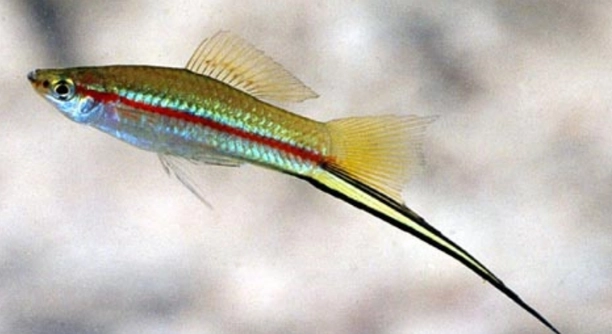
Moving swordtails safely is essential for their well-being. This article will guide you through the necessary steps to ensure they make the move without stress or harm, keeping them healthy and comfortable in their new environment.
Properly moving swordtails requires careful planning and attention to detail. Begin by preparing their new tank, adjusting water parameters, and using appropriate containers for transport. Handle them gently and minimize stress throughout the entire process to prevent injury.
Following these steps will help ensure a smooth transition for your swordtails. Proper preparation and care can make all the difference in maintaining their health and happiness during the move.
Prepare the New Tank Before Moving Swordtails
Before moving your swordtails, set up their new home. Ensure the tank is clean, and fill it with water that matches the temperature, pH, and hardness of their current tank. It’s important to use a reliable water conditioner to treat the new water and remove any chlorine or chloramines. Make sure the tank is properly filtered, and consider adding plants or decorations to help create a natural, comfortable environment for the swordtails.
The setup process should be completed at least a day before moving your fish. This gives the tank time to stabilize, and you can check the water conditions to ensure everything is in order. This way, the swordtails won’t experience a sudden change in their environment when they are transferred.
Take some time to carefully check the filtration system and make sure it’s running smoothly. The swordtails will need a clean, well-oxygenated tank to settle in quickly. Once the tank is ready, you’ll be prepared for a smooth transition for the fish.
Prepare the Transport Containers
Choosing the right container is crucial for safely transporting swordtails. Avoid using small, narrow bags, as they can stress the fish. Use a larger, breathable container that allows the fish to move comfortably during the trip.
Use a container that can hold enough water to fully submerge your swordtails, allowing them to swim freely without much effort. Add an air stone to ensure proper oxygen levels if the trip is long. It’s important to keep the water temperature consistent throughout the journey, so use a portable heater or insulation to prevent temperature fluctuations.
When moving swordtails, avoid overcrowding the container. It’s vital that each fish has enough space to reduce stress. During transport, minimize sudden movements and vibrations to help keep your swordtails calm. Handling the container gently will also help ensure their safety.
Acclimate Swordtails to Their New Tank
Once the swordtails are in their new tank, it’s time to help them adjust. Gradually introduce their new environment by floating their transport container in the tank. This will allow the water temperatures to equalize, reducing the shock from the change. Let them stay in the container for about 15 to 20 minutes.
Slowly pour some of the new tank water into the container. This helps the swordtails get used to the water parameters. After 20 minutes, gently release the swordtails into the tank. Avoid sudden movements that could startle them. Allow them time to explore their new surroundings.
Give them a few hours to adjust. Monitor the water conditions closely, ensuring everything remains stable. You might notice the swordtails acting more reserved at first, but they should become more active after acclimating. The gradual process minimizes stress and helps your fish settle in without complications.
Minimize Stress During the Move
Reducing stress during the move is essential for swordtails’ health. Start by keeping their transport time short. Avoid unnecessary delays and minimize disturbances during the trip. Swordtails are sensitive to rapid changes in their surroundings, so even minor disruptions can affect them.
Keep the transport container in a quiet, calm space. The less noise and movement around the container, the better. Strong vibrations or loud sounds can increase anxiety levels, making the move harder for the fish. Also, don’t overcrowd the container; allowing each fish ample space will help reduce stress.
During the move, avoid bright lights or sudden temperature changes, as these can heighten stress. If the temperature drops or rises too much, the swordtails may become more vulnerable to illness. Keep an eye on them throughout the process, ensuring they remain as calm as possible.
Keep the Water Temperature Stable
Temperature stability is key for swordtails during the move. If possible, use a portable heater or insulated container to maintain a consistent temperature. Avoid sudden drops or spikes in water temperature, as this can cause stress and health issues for your fish.
Monitor the water temperature frequently throughout the move. If you’re traveling for an extended period, consider using a thermometer to check the conditions. If you can’t maintain the perfect temperature, try to keep it within a few degrees of the swordtail’s normal range. Sudden temperature changes can be dangerous, especially if the swordtails are already stressed.
Avoid Overfeeding Before the Move
Feeding swordtails just before a move can lead to problems. Overfeeding increases waste in the transport water, which can cause toxic conditions. It’s better to wait until after the move to feed them.
A lighter feeding schedule will help minimize waste and prevent water contamination. This also ensures that the swordtails won’t experience digestive issues during the move, keeping them healthier and less stressed. If they are already used to their normal feeding times, resist the temptation to feed them right before the move.
FAQ
How long should swordtails be in the transport container?
Swordtails should stay in the transport container for no more than 1 to 2 hours, especially if the trip is local. For longer trips, ensure the water remains oxygenated and the temperature stays stable. If the swordtails are left in the container for too long, stress can increase, which may affect their health. To minimize this, try to make the trip as short as possible and plan for breaks if needed.
What is the best way to acclimate swordtails to a new tank?
The best way to acclimate swordtails is to float the transport container in the new tank for about 15 to 20 minutes. This helps their body adjust to the temperature of the new water. After floating, slowly add water from the new tank into the container over a period of 15 minutes. This gradual process reduces the chances of shocking the fish when they are released into their new environment.
Should I add any medication to the water when moving swordtails?
It’s not necessary to add medication to the water when moving swordtails unless they show signs of illness. If your swordtails have been stressed during the move or if you are concerned about their health, you may add stress-relief products, but avoid using medications unless absolutely required. Ensure the new tank’s water is treated to remove chlorine or chloramines, and let it stabilize before moving the fish.
What is the ideal water temperature for swordtails?
Swordtails thrive in water temperatures ranging from 72°F to 82°F (22°C to 28°C). Keeping the water in this range is vital to their health and comfort. If the temperature is too high or too low, it can cause stress or even lead to health problems. Use a thermometer to monitor the water temperature closely, especially during transport.
Can I move swordtails without a filter in the transport container?
While it’s ideal to have some form of water movement in the transport container, a filter is not essential for short trips. If the move is only going to take a few hours, you can simply use an air stone or manually agitate the water every 30 minutes to keep the oxygen levels stable. For longer trips, consider using a portable filter to maintain clean water conditions.
How do I handle swordtails during transport to minimize stress?
Minimizing stress during transport is essential for swordtails. Handle the transport container gently and avoid sudden movements or vibrations. Keep the container in a quiet area away from loud noises or bright lights. Swordtails are sensitive creatures, and reducing external stress factors will help them stay calm throughout the move.
Should I remove the swordtails from the tank the night before the move?
It’s not necessary to remove swordtails from their tank the night before the move, but you should avoid feeding them the night before. This reduces waste in the transport water, which could lead to poor water quality. If you’re moving them early in the morning, leave them in the tank overnight as usual and remove them right before the move.
Is it safe to transport swordtails with other fish?
Transporting swordtails with other fish can be safe, as long as they are compatible species and have similar care requirements. However, it’s important not to overcrowd the transport container. Swordtails can become stressed when they are in close quarters with other fish, especially if they are aggressive or territorial. If you’re transporting multiple fish, make sure there’s enough space for everyone to move comfortably.
How can I tell if my swordtails are stressed during the move?
Signs of stress in swordtails include erratic swimming, hiding, staying near the surface of the water, or loss of color. If you notice these signs, it’s important to address the situation by minimizing disturbances and ensuring the water temperature remains stable. If stress continues for too long, consider adding a stress-relieving product to the water, which may help the swordtails relax.
What should I do if my swordtails are not eating after the move?
Swordtails may not eat immediately after the move due to stress and changes in their environment. Give them some time to adjust, and avoid offering food for the first 24 hours. Ensure the water quality is optimal, as poor water conditions can also impact their appetite. If they still don’t eat after a few days, check their water temperature, oxygen levels, and other conditions to rule out potential problems.
Can swordtails be moved to a tank with other species?
Yes, swordtails can be moved to a tank with other species, but it’s important to consider their temperament and the other fish species. Swordtails are generally peaceful, but males can be aggressive toward each other, especially when competing for territory. Ensure the tank mates are non-aggressive and similar in size to reduce the risk of conflict. It’s always a good idea to monitor their behavior closely during the first few days after the move.
What should I do if my swordtails are showing signs of illness after the move?
If your swordtails are showing signs of illness after the move, it’s crucial to assess the water conditions first. Poor water quality can lead to health issues. If the water conditions are stable, consider isolating the affected fish to prevent any potential spread of disease. You may also want to consult a vet or aquatic specialist for guidance on how to treat the illness.
How often should I change the water in the new tank after the move?
For the first few days after the move, it’s important to change the water frequently—every 24 to 48 hours. This helps maintain clean conditions while your swordtails adjust. Afterward, you can return to a regular water change schedule of about 25% of the tank volume every week. Always monitor water quality closely during the adjustment period.
Can I move swordtails during a cold or hot season?
It’s best to avoid moving swordtails during extreme weather conditions. Cold temperatures or high heat can stress them out and increase the chances of illness. If you must move them during such seasons, make sure the transport container is insulated and the water temperature is kept stable. If the weather is too extreme, delay the move until conditions improve.
Final Thoughts
Moving swordtails can be a straightforward task if proper precautions are taken. The key to a successful move is maintaining a stable environment throughout the process. This includes keeping the water temperature consistent, preventing sudden changes in the fish’s surroundings, and reducing stress as much as possible. By planning the move carefully, swordtails can transition to their new home with minimal discomfort, allowing them to settle in without unnecessary risk to their health. Ensuring that the transport container is clean and suitable for the fish will also go a long way in maintaining their well-being.
Preparation plays a huge role in minimizing stress during the move. Avoiding overfeeding, checking the water quality before departure, and using an air stone or filter to keep the water oxygenated will help. While it might seem like a lot of effort, taking the time to create the best possible conditions for your swordtails will pay off in the long run. This ensures they arrive in their new tank healthy and ready to adjust. Swordtails are hardy fish, but like all living creatures, they need attention and care during times of change. Keeping their environment stable and calm will help them adapt with fewer challenges.
Finally, remember that each swordtail may respond to the move differently. Some might adjust quickly, while others may need more time. Patience is essential when helping your fish settle in. Regularly monitoring their behavior and water conditions will help you identify any issues early on, allowing you to act before things worsen. Once settled in their new environment, your swordtails should continue to thrive, adding beauty and liveliness to your tank for years to come. By following these guidelines, you’ll be well-prepared for a safe and smooth move.

Hello,
If you enjoy the content that we create, please consider saying a "Thank You!" by leaving a tip.
Every little bit helps us continue crafting quality advice that supports the health, happiness, and well-being of pets around the world, for pets of all shapes, sizes, and species.
We really appreciate the kindness and support that you show us!