
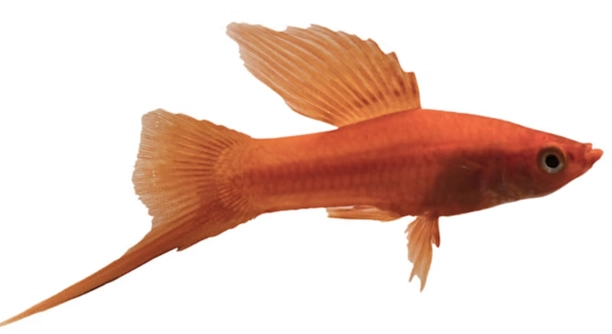
Swordtails are often misunderstood fish, and many myths surround their care and behavior. These myths can lead to confusion and poor practices. It is important to address these misconceptions to better care for these vibrant fish.
Swordtails are hardy and adaptable, but many misconceptions persist regarding their care. Some myths about their diet, tank conditions, and behavior can mislead fish owners. Debunking these myths is essential to ensure swordtails thrive in your aquarium.
By understanding these myths, you can create a healthier and happier environment for your swordtails. This article will guide you through the facts.
Myth 1: Swordtails Need a Huge Tank
Many people believe swordtails require a very large tank to thrive, thinking they need a huge amount of space to swim. However, this isn’t true. Swordtails do well in tanks that are 20 gallons or larger, but they are not as demanding as some other fish. A tank size of 20 gallons allows them to grow to their full size comfortably without overcrowding. A larger tank can help keep the water quality better, but it’s not a strict necessity for a healthy swordtail.
Tank size is just one factor in their care. Providing them with proper filtration and regular water changes can go a long way in maintaining a healthy environment. Swordtails are relatively low-maintenance in this regard, but they will benefit from a stable water temperature and good tank mates.
The misconception around tank size often leads to over-preparation and unnecessary expense. It’s important to focus more on maintaining clean water and a balanced environment for their growth. Proper filtration and appropriate water parameters should be prioritized.
Myth 2: Swordtails Only Eat Live Food
There is a common belief that swordtails can only be fed live food to remain healthy. While they do enjoy live food, it is not essential for their well-being. Swordtails are omnivores, and they can thrive on a variety of foods. A diet that includes flakes, pellets, and occasional live or frozen food is ideal.
Feeding them a mix of high-quality flake food and protein-rich options like brine shrimp, bloodworms, or daphnia will provide a balanced diet. Overfeeding live food can cause health problems, such as obesity, so it’s crucial to avoid making it the main staple in their diet.
In fact, many commercial fish foods are designed to meet the nutritional needs of swordtails, making it easy to provide a varied diet without the need for live foods. Proper portion control and variety are essential for keeping your swordtails healthy. Offering vegetables like blanched spinach or zucchini is also a great way to supplement their diet and ensure they receive all the necessary nutrients.
Myth 3: Swordtails Are Aggressive Fish
Swordtails are often labeled as aggressive, but this is not entirely accurate. While males may sometimes show territorial behavior, swordtails are generally peaceful. They tend to get along with other peaceful species, making them ideal for community tanks. It’s important to ensure that tank mates are compatible and avoid overcrowding.
Aggression can arise when swordtails feel threatened or stressed, which is why providing them with plenty of space to swim and hiding spots is crucial. Maintaining proper water conditions and feeding them well can also reduce stress levels and prevent unwanted behaviors.
Sometimes, when they are kept with overly aggressive species, swordtails may display defensive aggression. However, with the right tank setup, this behavior can be minimized. Ensuring a balanced environment with compatible tank mates will help your swordtails live in peace.
Myth 4: Swordtails Are Difficult to Breed
Breeding swordtails is not as complicated as many believe. In fact, swordtails are livebearers, meaning they give birth to fully developed young rather than laying eggs. The process of breeding is fairly straightforward as long as the conditions are right.
A male and female swordtail will mate, and after a few weeks, the female will give birth to tiny fry. To ensure the survival of the fry, provide plenty of plants or decorations for them to hide in. The parents won’t care for the young, so they need a safe environment to grow.
As long as there is a healthy male-to-female ratio, breeding swordtails is simple. A 2:1 female to male ratio helps reduce the chances of the male harassing the female too much. With proper care, swordtails will breed naturally, and you’ll soon have a new generation of fish.
Myth 5: Swordtails Require Special Water Conditions
Swordtails are often thought to need very specific water conditions, but they are quite adaptable. They thrive in slightly alkaline water with a pH of 7.0 to 8.0. As long as the water is clean and properly filtered, swordtails will do well.
Temperature is another key factor, and swordtails prefer water between 72°F and 82°F. They are quite hardy and can tolerate slight fluctuations in water temperature, as long as they are not extreme. Maintaining stable conditions is more important than trying to achieve perfection with specific parameters.
With regular water changes and a good filtration system, swordtails can thrive in a variety of water conditions. Keeping the water clean and avoiding large shifts in temperature or pH will help ensure their health.
Myth 6: Swordtails Can Live in Small Tanks
While swordtails don’t need a massive tank, they do require enough space to swim and explore. A small tank can make them feel cramped and stressed, leading to health problems.
For healthy swordtails, a minimum tank size of 20 gallons is recommended. This allows for proper swimming space and easier maintenance of water quality. A small tank can lead to poor water conditions, especially if the tank is overcrowded.
A larger tank also gives swordtails room to establish territories and reduces aggression. Providing enough space will lead to healthier and happier fish in the long run.
Myth 7: Swordtails Don’t Need Plant Coverage
Swordtails may not be as reliant on plants as some other species, but they do benefit from having some in their tank. Plants provide hiding spots, reduce stress, and improve water quality by absorbing excess nutrients.
Swordtails enjoy swimming around plants and using them as cover when they feel threatened. Adding a few hardy plants, such as Java ferns or Anubias, can create a more natural environment. Plants also help reduce the buildup of harmful substances like nitrates, which can affect the health of your fish.
FAQ
How often should I feed my swordtails?
Swordtails should be fed once or twice a day. A balanced diet of high-quality flakes or pellets, along with occasional treats like brine shrimp or bloodworms, is best. Be sure to feed only what they can consume in a few minutes to prevent overfeeding. Overfeeding can lead to poor water quality and health issues.
Can swordtails live with other fish?
Yes, swordtails are generally peaceful and can live with many other community fish, especially other peaceful species like tetras or guppies. Avoid housing them with overly aggressive fish. They may show territorial behavior, particularly males, but overall they are compatible with a wide range of species in a well-planted tank.
Do swordtails need a filter?
Yes, swordtails require a good filtration system. Filtration helps maintain clean water by removing waste and excess nutrients, which is vital for their health. A strong filter is necessary, especially if you have multiple fish or plan to breed them. Regular water changes and proper filtration are key to a successful tank.
How long do swordtails live?
Swordtails typically live for 3 to 5 years, although some can live longer with proper care. The lifespan of your swordtail will depend on factors like water quality, diet, and overall tank conditions. Keeping the tank clean, feeding a balanced diet, and avoiding stress can help them live a longer, healthier life.
Why are my swordtails losing their color?
If your swordtails are losing their vibrant colors, it could be a sign of stress or poor water quality. Make sure the water parameters, such as pH and temperature, are within the appropriate range. Poor diet, especially a lack of variety, can also cause fading colors. Providing a nutritious diet and stable living conditions will help restore their bright colors.
Can swordtails breed in a community tank?
Yes, swordtails can breed in a community tank, but there are a few things to consider. If there are multiple males, they may compete for the attention of females, causing stress. It’s important to ensure a proper male-to-female ratio, ideally two females for every male, to reduce harassment. Providing plants or hiding spots for the fry will help ensure their survival.
What are the best tank mates for swordtails?
The best tank mates for swordtails include peaceful fish like guppies, mollies, tetras, and corydoras catfish. Avoid aggressive species, as they may stress or harm your swordtails. Shrimp and snails also make great tank mates and can help with algae control. Ensuring all fish have enough space and hiding spots is crucial for a peaceful tank.
What is the best temperature for swordtails?
Swordtails thrive in water temperatures between 72°F and 82°F (22°C – 28°C). It’s important to maintain a consistent temperature within this range to avoid stressing your fish. Use a reliable aquarium heater and thermometer to keep the water stable, as sudden temperature fluctuations can negatively affect their health.
Are swordtails easy to care for?
Yes, swordtails are relatively easy to care for. They are hardy and adaptable to various water conditions. However, they do require a clean tank, proper filtration, and a balanced diet. Swordtails are low-maintenance fish, making them a great option for beginners. Regular water changes and monitoring water parameters will keep them healthy.
How can I tell if my swordtail is male or female?
Male swordtails are typically smaller than females and have a longer, more noticeable “sword” tail, which is the extension of their lower caudal fin. Female swordtails are usually larger and rounder, with a more typical tail shape. You can easily identify their sex once they mature, usually around 3 to 4 months of age.
Can swordtails be kept in a tank with live plants?
Yes, swordtails can live in tanks with live plants. In fact, plants help improve water quality and provide hiding spots for the fish. Swordtails may nibble on soft plants, but they generally don’t cause damage to hardy plants like Java ferns or Anubias. Plants also provide a natural environment that promotes healthy behavior.
Do swordtails need a heater?
While swordtails are hardy, they prefer warmer water and may benefit from a heater, especially in cooler climates. A stable water temperature between 72°F and 82°F is optimal for their health. A heater will help maintain this range, preventing temperature fluctuations that could stress your fish.
What do swordtail fry eat?
Newborn swordtail fry can be fed fine powdered flakes or specially designed fry food. As they grow, you can introduce baby brine shrimp or daphnia to their diet. Ensure the food is small enough for them to eat and feed them small portions throughout the day to encourage healthy growth.
Why is my swordtail hiding?
Swordtails may hide when they are stressed, scared, or unwell. Factors such as water quality issues, incompatible tank mates, or improper temperature could cause stress. Ensure that the water parameters are correct and provide hiding spots like plants or decorations. If hiding continues, check for signs of illness.
How can I breed swordtails successfully?
To breed swordtails successfully, you need to maintain a healthy male-to-female ratio, with two females for each male. Provide plenty of hiding spots for the fry, such as plants or mesh breeders. Keep the water clean and ensure a stable environment. Swordtails will breed easily under these conditions, and the fry will grow quickly in a safe, clean tank.
Final Thoughts
Swordtails are hardy and adaptable fish, making them an excellent choice for both beginners and experienced aquarium enthusiasts. They require a balanced diet, a clean tank, and stable water conditions to thrive. With the proper care, swordtails can live for several years, providing vibrant color and movement to any tank. While they are generally easy to maintain, it’s essential to understand their specific needs, such as water temperature and tank size, to ensure they remain healthy. Regular maintenance, including water changes and monitoring water quality, is key to keeping your swordtails in top condition.
One of the most important aspects of caring for swordtails is providing an appropriate environment. They are social fish that do well in community tanks but can become stressed in overcrowded or poorly maintained tanks. Proper tank mates and enough space for swimming are crucial for keeping swordtails happy. They also benefit from having hiding spots and live plants in their tanks, which help reduce stress and mimic their natural habitat. Keeping the tank clean and maintaining proper filtration will go a long way in preventing health issues.
Breeding swordtails is relatively easy, but ensuring the safety of the fry is vital. Providing plenty of hiding spots and ensuring a proper male-to-female ratio will help promote healthy breeding. If you’re interested in breeding swordtails, it’s also important to separate the fry from the adults to prevent them from being eaten. Swordtails are hardy and can adapt to various conditions, but they do best when given the right environment. By following these simple guidelines, you can enjoy healthy, vibrant swordtails for years to come.

Hello,
If you enjoy the content that we create, please consider saying a "Thank You!" by leaving a tip.
Every little bit helps us continue crafting quality advice that supports the health, happiness, and well-being of pets around the world, for pets of all shapes, sizes, and species.
We really appreciate the kindness and support that you show us!