
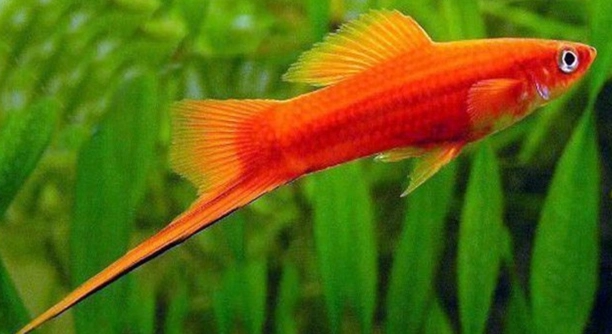
Swordtail fish are popular aquarium fish, known for their vibrant colors and active personalities. Understanding their behavior can help ensure they thrive in their environment and provide a satisfying experience for their owners.
Swordtail fish are generally social and active, often displaying behaviors like swimming in groups and exploring their surroundings. Healthy swordtails exhibit consistent movement, feeding, and occasional display of territoriality, especially during mating or when feeling stressed.
Understanding swordtail fish behavior is essential for keeping them healthy and happy in an aquarium. It will help you identify normal patterns and ensure a thriving aquatic environment.
Swordtail Fish Social Behavior
Swordtail fish are known for being active swimmers, often found moving around their tank in small schools. They are social fish that enjoy the company of others, especially other swordtails or peaceful species. While they are not overly aggressive, they may display territorial behavior, particularly during breeding periods. When feeling threatened or stressed, they tend to seek shelter or hide. This is a normal response that helps them feel safe. Swordtail fish usually communicate with each other through body language, like chasing or displaying their fins.
They are also curious and will often explore their environment, checking for new hiding spots or potential food sources. It’s important to provide plenty of plants, rocks, and decorations in the tank to support their natural behavior. This helps them feel more secure and reduces stress, leading to healthier fish.
When swordtails feel comfortable, they become more outgoing. A balanced, well-maintained tank encourages them to show their natural behaviors and thrive.
Feeding and Eating Habits
Swordtail fish are opportunistic feeders, enjoying a varied diet that includes both plant and animal matter. They will readily accept flakes, pellets, and live foods such as brine shrimp. They often feed multiple times throughout the day, especially if there are multiple fish in the tank.
A varied diet is important to keep them healthy and provide the nutrients needed for growth and color enhancement. Offering them different types of food ensures they receive balanced nutrition. Swordtail fish also enjoy foraging for food at the bottom of the tank. It’s a good idea to add sinking foods to cater to this natural behavior. However, overfeeding can lead to poor water quality, so moderation is key.
Ensuring that swordtail fish are fed properly will help keep them active and vibrant. It also prevents health problems caused by malnutrition or excessive waste buildup in the tank.
Swordtail Fish Mating Behavior
Swordtail fish display noticeable behaviors when they are ready to mate. Male swordtails often show off their brightly colored tails and fins to attract females. They may also engage in chasing rituals to demonstrate their fitness. These behaviors are common during mating seasons or when a female is in heat. The male’s persistence can be intense, as he attempts to convince a female to mate.
Once the female accepts a male, she may display specific body language like staying still or moving gently to indicate her readiness. During the mating process, the male will use his modified anal fin, known as the gonopodium, to fertilize the female’s eggs.
After mating, the female swordtail will carry the fertilized eggs in her body for several weeks before giving birth to live young. It’s important to provide a suitable environment for them during this time, with plenty of hiding spots for the fry to grow safely.
Territorial Behavior
Swordtail fish may occasionally show territorial behavior, particularly in smaller tanks. They often claim specific areas as their own, guarding them against other fish. This can lead to aggressive behavior, especially if there are multiple males in the tank. Ensuring adequate space in the tank helps reduce these issues.
Male swordtails are the most likely to show territorial aggression, especially when competing for mates or food. They may chase away other fish or display their fins to assert dominance. In larger tanks with more hiding spaces, this behavior is less common. It’s best to provide enough room for each fish to establish its own area without constant conflict.
This territorial nature is part of their instinctual behavior, and while it might seem aggressive, it’s a natural way for swordtail fish to protect themselves and their resources. With careful tank setup, the aggression can be minimized, keeping the peace.
Swordtail Fish Health Indicators
Swordtail fish are generally hardy, but their behavior can reflect their health. If they start hiding more than usual, it could be a sign of stress or illness. Healthy swordtails swim actively, interact with tank mates, and feed well. Any changes in these behaviors should be monitored.
A change in color, lethargy, or lack of appetite are common signs of health issues. It’s important to keep an eye on their general appearance, including fins and scales. If you notice any abnormalities, such as clamped fins or unusual swimming patterns, it could indicate a problem that needs attention.
Regular water changes and proper filtration help maintain a healthy environment, reducing the risk of disease. Healthy swordtails should remain active and exhibit bright colors.
Social Dynamics
Swordtail fish are social but can sometimes exhibit dominance or aggression. They may show more aggression in overcrowded tanks or when their space is limited. Male swordtails, in particular, can become territorial when competing for mates.
Providing plenty of hiding spots and sufficient space helps reduce social tension. When swordtail fish have enough room, their social behavior remains peaceful. They will interact in groups, swimming together and showing no signs of stress. Encouraging a balanced male-to-female ratio can also help minimize aggressive behavior.
Keeping the tank well-maintained and monitoring their interactions ensures that swordtails maintain a harmonious social environment.
Swordtail Fish Compatibility
Swordtail fish are generally peaceful, but they can become territorial, especially with other males. They do well in tanks with other peaceful species like tetras, guppies, or mollies. Avoid placing them with overly aggressive fish, as this can cause stress.
If you’re looking for tank mates for swordtails, choose species that are similar in size and temperament. Swordtail fish thrive in peaceful communities, and providing them with a variety of compatible companions helps maintain a healthy tank environment. Properly sized tanks and balanced fish populations contribute to a calm, well-adjusted swordtail community.
FAQ
What is the ideal tank size for swordtail fish?
Swordtail fish are active swimmers and need space to thrive. A 20-gallon tank is usually the minimum for a small group of swordtails. The larger the tank, the better, as it allows them to explore and interact with one another. Having more space helps reduce territorial aggression and keeps them healthy. Keep in mind that swordtails prefer to swim in groups, so it’s important to ensure the tank is large enough for a few fish to feel comfortable without overcrowding.
Can swordtail fish live with other species?
Swordtail fish are peaceful and generally get along with other species, especially those that are similarly peaceful. Tetras, mollies, and guppies make good tank mates for swordtails. However, avoid placing them with overly aggressive or fin-nipping species, as these can stress them out. A good rule of thumb is to choose fish that are similar in size and temperament. As long as the tank has enough space, they can coexist without issues.
How often should I feed my swordtail fish?
Swordtail fish should be fed once or twice a day, offering small amounts of food. Overfeeding can lead to water quality issues, so it’s best to feed them in small portions, ensuring they consume everything within a few minutes. They are opportunistic feeders and will eat a variety of foods, including flakes, pellets, and live or frozen foods like brine shrimp. A balanced diet contributes to their overall health and vibrant coloration.
What is the lifespan of swordtail fish?
Swordtail fish typically live for 3 to 5 years in a well-maintained tank. Their lifespan can be affected by factors such as water quality, diet, and general care. Keeping the tank clean, providing a proper diet, and ensuring stable water conditions can help swordtails live a long, healthy life. Regular water changes and proper filtration are essential for maintaining good health.
Do swordtail fish need a filter?
Yes, swordtail fish benefit from having a filter in their tank. A filter helps maintain water quality by removing waste and keeping the water clean. Swordtails are sensitive to poor water conditions, so having a good filtration system is important for their health. It’s also essential to perform regular water changes to ensure that the filter is not doing all the work. Keep the filter’s flow rate moderate, as swordtails prefer calm waters.
Why are my swordtail fish not eating?
If your swordtail fish stop eating, there could be several reasons. It may be a sign of stress, illness, or poor water quality. Check the water parameters, ensuring the pH, temperature, and ammonia levels are within the proper range. Stress can also result from overcrowding, aggressive tank mates, or lack of hiding spots. If the fish still won’t eat, it might be time to observe for other signs of illness, such as abnormal swimming or body discoloration.
How can I tell if my swordtail fish is pregnant?
Female swordtail fish carry their young internally, and the pregnancy can last for about 4 to 6 weeks. You can usually tell if a female swordtail is pregnant by the dark gravid spot near her abdomen, which becomes larger as the pregnancy progresses. The gravid spot is where the developing babies are visible through the skin. If the female is very round, this also indicates that she is close to giving birth.
How do I care for baby swordtail fish?
Once the female swordtail gives birth, the baby fish, or fry, should be kept in a separate tank or a breeder net to protect them from being eaten by the adults. Swordtail fry are small and vulnerable, so providing them with small foods like crushed flakes or newly hatched brine shrimp is important. Maintain stable water conditions for the fry to grow healthy. As they grow, you can gradually introduce them to the main tank.
Why is my swordtail fish swimming upside down?
If your swordtail fish is swimming upside down, it may be a sign of swim bladder disease, which can result from poor water quality, overfeeding, or an infection. To help, ensure the water conditions are ideal and avoid overfeeding. If the issue persists, isolating the fish and offering medicated food may help. In some cases, swim bladder issues resolve on their own, but persistent problems may require further intervention.
Do swordtail fish need a heater?
Swordtail fish prefer warmer water, typically between 72°F and 82°F. If you live in a cooler climate or if the temperature fluctuates in your home, a heater is necessary to maintain stable conditions. Sudden temperature changes can stress the fish, leading to health problems. A reliable aquarium heater will help keep the water within the optimal range for swordtail fish to thrive.
How do I prevent disease in my swordtail fish?
Maintaining good water quality is the most effective way to prevent disease in swordtail fish. Regular water changes, proper filtration, and monitoring of tank parameters are essential. Avoid overfeeding and ensure that tank mates are compatible. If you introduce new fish, quarantine them for a few weeks to prevent introducing potential diseases. Additionally, keeping the tank free of stressors like overcrowding and aggressive behavior will also help keep swordtails healthy.
Final Thoughts
Swordtail fish are popular aquarium fish due to their vibrant colors and active behavior. They are relatively easy to care for, making them a good choice for beginners. As long as you provide them with the right tank size, clean water, and a balanced diet, swordtails can live a long and healthy life. Their peaceful nature allows them to coexist with many other species, which makes them versatile in community tanks. Paying attention to their social needs, water conditions, and diet will help keep them in good health.
While swordtail fish are generally hardy, there are a few things to keep in mind. They can become stressed if the tank is overcrowded, if there is aggressive behavior from other fish, or if the water quality is poor. Keeping their environment stable and stress-free is key to ensuring they thrive. Regular water changes and appropriate filtration are necessary to maintain the quality of their living space. Being proactive in monitoring their health and behavior can also help detect any issues early, preventing more serious health problems down the line.
Swordtails are a rewarding species to keep, offering vibrant displays of color and personality in any aquarium. Understanding their behavior, social needs, and health requirements will ensure they stay active and healthy. With proper care, swordtail fish can live for several years, providing enjoyment and beauty to your aquarium.

Hello,
If you enjoy the content that we create, please consider saying a "Thank You!" by leaving a tip.
Every little bit helps us continue crafting quality advice that supports the health, happiness, and well-being of pets around the world, for pets of all shapes, sizes, and species.
We really appreciate the kindness and support that you show us!