
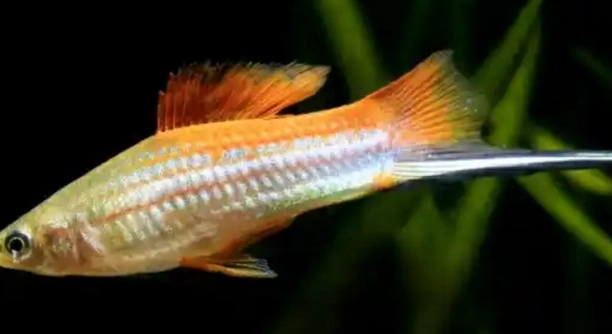
Sometimes, fish keep us guessing. If you have a swordtail fish, you might be wondering why it hasn’t given birth yet. There can be various reasons behind this delay, and understanding them can help you care for your fish better.
Swordtail fish may take longer to give birth due to stress, improper water conditions, or insufficient diet. It is also possible that the female is not yet fully gravid or may be experiencing hormonal imbalances.
Learning about the factors that impact your swordtail’s pregnancy can help you ensure a successful and healthy birth for your fish. Keep reading for more details on how to support her during this important time.
Common Reasons for Delayed Birth in Swordtails
There are a few common reasons why your swordtail might not be giving birth yet. Stress is one of the most common factors. Swordtail fish, like many other species, can get stressed by poor water conditions, overcrowding, or even changes in the environment. If your fish feels threatened or unsettled, it could delay the birthing process. Temperature plays a role, too. Swordtails need a stable, warm water temperature to breed successfully. If the water is too cold, their metabolism slows down, and this may delay birth.
Another reason could be a lack of proper nutrition. A swordtail’s body needs certain nutrients to support a healthy pregnancy. If your fish is not getting a balanced diet, her pregnancy could be delayed, or the fry might not develop properly. Make sure you’re offering the right food, like high-quality fish flakes and occasional live food, to keep her healthy.
Sometimes, swordtail fish simply take longer to reach full term. If your fish appears healthy and active, but the birth is delayed, she could just be taking her time. Monitoring her behavior and keeping her environment stable will encourage her to give birth when she’s ready.
Stress and Overcrowding
Overcrowding is another key factor that impacts a swordtail’s pregnancy.
When the tank has too many fish, it increases the level of stress for your swordtail. Stress can lead to complications in the pregnancy, including delays. Swordtails need plenty of space to feel secure, especially when they are carrying fry. Providing them with enough room will help ensure a calm environment, promoting a healthy pregnancy.
Fish that are under stress may also show signs of poor health, including reduced activity, faded colors, or loss of appetite. These are signs that their body is not in the best condition to deliver babies. When fish experience stress, their bodies release hormones that can interfere with the birth process. To avoid this, maintain a well-stocked tank with a proper ratio of fish to space, and keep the water conditions stable. Regular water changes and a filter system will also help to keep your fish relaxed and ready to give birth.
Water Temperature and Its Impact
Water temperature plays a major role in the birth process. Swordtail fish need warm water to stay healthy and active. If the temperature drops below 75°F (24°C), it can slow down their metabolism and delay birth. It’s essential to keep the water between 76°F and 80°F (24-27°C) for optimal conditions.
A stable temperature will help your swordtail feel more comfortable and reduce stress. Fluctuations in temperature, especially sudden drops, can make your fish uneasy, affecting their ability to give birth. Using an aquarium heater will help maintain a consistent environment, ensuring the temperature stays within the ideal range. This simple adjustment can make a big difference in when your fish gives birth.
To ensure your swordtail stays comfortable, invest in a reliable thermometer. Regularly check the temperature and adjust the heater if necessary. Keeping the water in the right range is not just about birth timing; it also supports the overall health of your fish, ensuring their well-being and a smoother pregnancy process.
Diet and Nutrition
A balanced diet is crucial for a healthy pregnancy in swordtails. If your fish isn’t receiving enough nutrients, it can delay or even prevent her from giving birth. Offering a variety of food like high-quality fish flakes, live food, and frozen options will ensure your swordtail has the proper nutrition.
Swordtails need protein-rich foods, especially during pregnancy, to support the growth and development of the fry. A lack of nutrients can cause her to have weak or underdeveloped babies, or even absorb the fry before they are born. Make sure you’re feeding her the right food regularly.
Be mindful of overfeeding as well. Too much food can lead to bloating or water quality issues, which can create additional stress and harm your swordtail. Feeding her small, frequent meals will help her stay healthy and prepared for birth. Pay attention to the size and type of food to ensure she’s getting the best nutrition during this crucial time.
Hormonal Imbalance
Hormonal imbalances can delay birth in swordtails. If the female has irregular hormone levels, she might not be able to carry the pregnancy to full term. These imbalances can be caused by poor water conditions, stress, or an improper diet.
It’s important to ensure that your fish is living in a stress-free environment with stable water conditions. Hormonal issues can also be linked to inbreeding. Avoiding overbreeding and introducing new, healthy bloodlines can help reduce the chances of hormonal imbalances. A healthy fish is more likely to experience a smooth and timely birth.
Health of the Fish
A healthy swordtail is key to giving birth on time. Poor health can lead to delays, premature births, or even stillbirths. Ensure your fish is active, eating well, and free of any visible health issues like lesions or parasites.
Regular water changes and proper tank maintenance are essential to keep her environment clean and safe. A healthy swordtail will be more likely to carry the pregnancy full term and give birth without complications.
Male’s Role in Reproduction
The male swordtail also plays a role in the timing of the birth. If the male has not fertilized the female properly, the pregnancy may not progress as expected. Swordtails can store sperm for a while, but if conditions aren’t right, they may not become pregnant at all.
FAQ
Why is my swordtail not pregnant yet?
If your swordtail isn’t pregnant yet, it could be due to a number of reasons. It may not have been fertilized, or the female could still be too young or underdeveloped for pregnancy. Swordtails reach sexual maturity at around 4 to 6 months of age, so if your fish is younger than that, it’s unlikely to be pregnant. The conditions in the tank, such as water temperature and quality, can also affect pregnancy. Stress from overcrowding, improper food, or poor water conditions can prevent the female from becoming pregnant.
How do I know if my swordtail is pregnant?
Pregnancy in swordtails is often visible when the female’s belly becomes noticeably swollen. You may also notice her becoming less active as she prepares for birth. If you look closely, you may see the dark spot near the anal fin, which is the gravid spot—this indicates that the female is carrying eggs. As she gets closer to giving birth, the spot becomes darker and more prominent.
What are the signs that my swordtail is about to give birth?
As your swordtail approaches birth, her belly will become more rounded and pronounced. You might see her hiding more often, as she seeks a quiet place to give birth. Additionally, she might stop eating or show signs of agitation. The gravid spot will become much darker, and you may even notice the fry starting to move inside her. At this point, it’s essential to prepare for the birth by ensuring there is a separate area for the fry to hide from other fish, as they can be eaten quickly after birth.
Can swordtail fish give birth in a community tank?
Yes, swordtails can give birth in a community tank, but this isn’t always the best option. If there are other fish in the tank, particularly larger or more aggressive species, they may eat the newborn fry. To increase the survival rate of the fry, you can move the pregnant swordtail to a separate breeding tank or provide plenty of hiding spots in the main tank, like plants, rocks, or breeding boxes, where the fry can stay safe from other fish.
How long does it take for a swordtail to give birth after mating?
After mating, swordtail fish usually give birth within 4 to 6 weeks. However, the time can vary depending on the fish’s health, water temperature, and other factors. Warmer water typically speeds up the process, while cooler water can slow it down. If your fish has been pregnant for a while, be patient, as some females take longer than others. Monitoring the condition of your fish and ensuring that it’s healthy will give you the best chance of a successful birth.
How many fry do swordtails have at once?
Swordtail fish typically give birth to between 20 and 100 fry at a time. The exact number can vary based on the size and health of the female, as well as the environment. Larger females often have larger batches of fry. Swordtails are livebearers, meaning the fry are born fully formed and ready to swim right away. The mother can continue to produce batches of fry over time, so you may notice several groups of newborns over the course of several months.
What should I do after my swordtail gives birth?
After your swordtail gives birth, it’s important to keep the water quality high. Clean the tank, do water changes as needed, and ensure that there are plenty of hiding spots for the fry. You may also want to remove the mother from the main tank to prevent her from eating the fry. You can keep the fry in a separate breeding tank or use a breeder box in the main tank. Provide them with small, nutritious food like finely crushed fish flakes or specially formulated fry food until they grow large enough to eat regular food.
Do I need to separate the pregnant swordtail?
It’s not strictly necessary to separate a pregnant swordtail, but doing so can ensure that the fry have a better chance of surviving. If you keep the pregnant female in a separate tank, you can reduce the risk of other fish eating the fry. However, it’s also possible to keep her in a community tank if you provide a safe space for the fry, such as a breeding box. Be sure to monitor the mother’s behavior closely to make sure she is comfortable and not stressed.
Can swordtails eat their own fry?
Yes, swordtail fish will sometimes eat their own fry. This is especially true if the fry are left in the same tank as the adults or if they are small and easy to catch. To avoid this, it’s best to either remove the pregnant swordtail to a separate tank or use a breeder box where the fry can hide and grow safely. In the wild, swordtails would not have to contend with predators, but in an aquarium, they can be at risk of being eaten.
How do I care for newborn swordtail fry?
Newborn swordtail fry are quite delicate, so it’s important to provide them with a safe, clean environment. Keep the water quality high and ensure the temperature remains stable. You can feed them small, nutritious foods like liquid fry food or crushed flakes, but be sure not to overfeed. As the fry grow, you can gradually introduce larger foods. Keep an eye on their development and make sure they are getting enough nutrition to thrive.
Final Thoughts
Understanding why your swordtail is not giving birth yet can be a bit of a puzzle, but it’s not something to worry about right away. Swordtail pregnancies can vary in length depending on many factors, like stress, water conditions, and even the health of the fish. If you’ve been taking care of your swordtail’s environment, providing proper nutrition, and keeping the water clean, chances are the birth will happen when the time is right. Sometimes, it just takes patience for nature to do its work.
While waiting for your swordtail to give birth, focus on maintaining a calm and stable environment. Keep the water temperature in the right range, ensure that the water is well-filtered, and avoid overcrowding. Swordtails thrive in peaceful, clean environments, and a relaxed atmosphere will help them stay healthy throughout the pregnancy. If your fish is still not giving birth, make sure you’ve also considered her diet and whether she might need more nutritious food to support the developing fry inside her.
Remember, not all pregnancies are the same, and sometimes the female might take longer to deliver than you expect. The key is to stay patient and make sure the conditions around her remain optimal. If after a while there’s still no sign of birth, check if your swordtail has been properly fertilized or if she might be too stressed to carry the pregnancy to term. Keeping a close eye on her behavior and body condition will guide you in understanding her needs.

Hello,
If you enjoy the content that we create, please consider saying a "Thank You!" by leaving a tip.
Every little bit helps us continue crafting quality advice that supports the health, happiness, and well-being of pets around the world, for pets of all shapes, sizes, and species.
We really appreciate the kindness and support that you show us!