
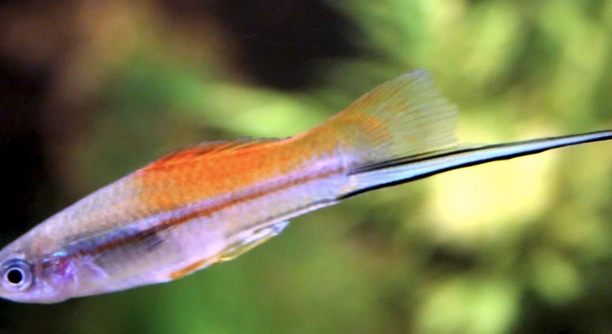
Swordtails are popular fish in aquariums, known for their colorful appearance and active behavior. Many aquarium owners often wonder about the social behavior of these fish, especially in relation to their tankmates.
Swordtails generally do not form strong attachments to their tankmates. They are social fish but do not exhibit the same level of attachment or bonding seen in some other species like bettas or cichlids.
Understanding swordtail behavior is important to ensure a harmonious tank environment. Keep reading to learn more about how they interact with other fish.
Swordtail Behavior and Social Interactions
Swordtails are generally peaceful fish that enjoy the company of other tankmates. While they don’t form strong attachments, they do thrive in a community tank. These fish are naturally active and curious, often swimming in groups. However, their social behavior doesn’t necessarily mean they bond with specific individuals. They interact with other fish in a more casual way, without forming deep connections. Swordtails are also known to establish a hierarchy in their social group, with dominant individuals often leading the pack.
They may follow others, but it’s more out of interest than affection. Swordtails are more likely to get along with peaceful fish. They can live in harmony with species like guppies, platies, and mollies, which have similar temperaments. However, aggressive fish may cause stress for swordtails, as they aren’t known for defending themselves aggressively.
In a tank, it’s essential to provide ample space and hiding spots. This helps swordtails feel safe and secure. It also allows them to interact naturally with other fish, without feeling threatened. A well-planted tank with enough room can reduce territorial behavior and promote peaceful interactions. Swordtails are also social feeders and may often eat together with tankmates. Though they’re not attached to one specific fish, they do enjoy the presence of others in their environment.
Tank Setup for Swordtails
Proper tank conditions will ensure swordtails thrive in your aquarium. Providing the right environment promotes peaceful interactions with other fish. With suitable water conditions and enough space, swordtails live comfortably and peacefully.
Swordtails prefer a tank with a temperature between 72-78°F (22-26°C), soft to moderately hard water, and a pH between 7.0-8.0. Adding plants and decorations can help them feel secure and reduce stress. Fish need room to swim, and swordtails are no exception. A tank of at least 20 gallons is ideal for a small group of swordtails. When housing swordtails with other fish, it’s important to keep in mind that they thrive best with peaceful, similarly sized fish. Avoid putting them with overly aggressive species, as swordtails may not be able to defend themselves effectively. As social fish, they enjoy a community tank with other non-aggressive species, which helps them feel comfortable and less stressed.
Swordtails and Tankmates Compatibility
Swordtails are peaceful but can become stressed with overly aggressive tankmates. It’s best to house them with fish that have a similar temperament. Species such as guppies, mollies, and platies make excellent companions, offering peaceful interactions.
They prefer a calm environment where they can swim freely. Swordtails tend to be more active when housed with similar species, and they interact well with other non-aggressive fish. However, any fish that is territorial or overly dominant can stress swordtails. They are not aggressive fish and may retreat or hide if threatened. Keeping them with calm tankmates reduces stress, promoting better health.
Another consideration is the size of the fish in the tank. Larger fish may unintentionally bully swordtails or steal food. Swordtails do best when housed with similarly sized fish that aren’t too competitive for resources. Keeping the tank peaceful allows swordtails to thrive and behave naturally.
Signs of Stress in Swordtails
Stress in swordtails can show through changes in behavior or appearance. They may become more reclusive or display erratic swimming patterns. Watching for these signs helps prevent serious health issues.
Swordtails are social fish, but they do need space. If they feel crowded or threatened, they may hide more often. Stress can also cause them to stop eating or exhibit dull coloring. Maintaining a proper tank setup with plenty of hiding spots is crucial to reduce stress levels. Swordtails also need a stable environment, with consistent water quality and temperature. Any sudden changes in these conditions can lead to stress.
To prevent stress, avoid overcrowding the tank and ensure swordtails have enough room to swim. Regular water changes and careful monitoring of the tank’s conditions will also help swordtails stay healthy and happy. Keeping the tankmates calm and compatible also plays a key role in reducing stress.
Swordtails and Their Social Needs
Swordtails are social fish but don’t form strong bonds like some other species. They thrive in groups, but each fish interacts more casually with others. They prefer being in the company of similar peaceful species.
While they are social, swordtails don’t depend on individual tankmates for companionship. They will swim together but without any deep attachment. Having a few swordtails in a tank allows them to interact with each other, reducing stress. They are not as likely to display protective or affectionate behavior towards one another.
Swordtails and Mating Behavior
When it comes to mating, swordtails exhibit more interaction with each other. Male swordtails display a colorful sword-like fin to attract females. This behavior is part of their natural mating ritual. Mating is mostly driven by instinct rather than attachment.
The males chase and court the females, showing off their long, colorful swords. Females often swim away or become less responsive if they are not interested. Once a female accepts a male, mating occurs quickly. Afterward, females may give birth to several fry, though they do not stay close to their offspring.
The Importance of Tank Size for Swordtails
Swordtails need space to feel comfortable. A tank that is too small can cause stress, leading to unhealthy behaviors. Giving swordtails room to swim freely is essential for their well-being.
A tank that is at least 20 gallons is ideal for a small group of swordtails. This allows them to interact with tankmates and establish a social hierarchy. A larger tank with plenty of hiding spots reduces stress and promotes peaceful behavior. Keeping the tank clean and providing good filtration ensures water quality, which also supports the health of swordtails.
FAQ
Do swordtails form attachments to other fish?
Swordtails are social but not particularly affectionate. They tend to swim in groups but don’t form strong, personal bonds like some other fish. While they enjoy the presence of other fish, their interactions are more casual and not rooted in deep attachment.
Can swordtails live with other species?
Yes, swordtails are generally peaceful and can live with many other species, especially those that are similarly calm. Good tankmates include guppies, mollies, and platies. Avoid aggressive or overly territorial fish, as these can stress the swordtails and disrupt the peace in your tank.
How do I know if my swordtail is stressed?
Swordtails show signs of stress through behavior changes like hiding, erratic swimming, or loss of appetite. Stress can also cause them to lose their vibrant color or become more reclusive. Keeping the tank environment stable and peaceful is key to preventing stress.
Can swordtails breed in a community tank?
Yes, swordtails can breed in a community tank. Males will display their long, colorful sword-like fins to attract females. Once mating occurs, females will give birth to fry. However, be aware that the fry may be eaten by other fish unless there are sufficient hiding spots.
Do swordtails care for their fry?
No, swordtails do not provide parental care. After giving birth, the female will leave the fry to fend for themselves. It’s common for fry to be eaten by other tankmates, so it’s a good idea to provide hiding spots for the young fish or move them to a separate tank for safety.
What is the ideal tank size for swordtails?
Swordtails need at least a 20-gallon tank to thrive. This allows them enough space to swim freely and interact with other fish. A larger tank with plenty of plants and hiding spots will help swordtails feel secure and reduce stress, promoting healthier behavior.
What are the best tankmates for swordtails?
Swordtails do well with other peaceful, non-aggressive fish. Good tankmates include guppies, mollies, platies, and other similarly sized fish. Avoid keeping swordtails with aggressive or large species, as they can bully the swordtails or compete for food and space.
Can swordtails live in small tanks?
While swordtails can technically live in smaller tanks, it’s not ideal. A tank smaller than 20 gallons can cause stress and limit their swimming space, leading to poor health. A larger tank with adequate filtration and space for them to swim will keep your swordtails happier and healthier.
Do swordtails need a lot of plants in their tank?
Swordtails don’t require a heavily planted tank, but having some plants and decorations provides shelter and helps reduce stress. Plants also help maintain water quality by absorbing excess nutrients. Swordtails enjoy swimming in a natural environment, so a mix of plants and open space is ideal.
Are swordtails easy to care for?
Yes, swordtails are relatively easy to care for, making them a good choice for beginner aquarium owners. They are hardy fish that can adapt to a range of water conditions. Regular water changes, proper filtration, and maintaining stable temperature and pH levels will ensure your swordtails stay healthy.
How can I tell if my swordtail is male or female?
Male swordtails are usually smaller than females and have a long, sword-like extension on their tail fin. Females are larger, rounder, and lack the sword-like fin. This distinction makes it easy to tell them apart, especially when they are fully grown.
Do swordtails get along with each other?
Swordtails are social and often live well in groups, especially if there are more females than males. Males may compete for female attention, but this behavior rarely leads to aggression. Maintaining a peaceful environment with enough space is key to keeping swordtails comfortable with each other.
Can swordtails live in cold water?
Swordtails prefer warm water, with an ideal temperature range of 72-78°F (22-26°C). They are not suited for cold water, and exposure to temperatures outside of this range can cause stress or illness. Keeping the water temperature stable and within the recommended range is important for their well-being.
How often should I feed my swordtails?
Swordtails should be fed once or twice a day, offering them small portions of high-quality fish food. Avoid overfeeding, as it can lead to water quality issues. Swordtails are omnivores and will enjoy a variety of foods, including flakes, pellets, and occasional live or frozen food like brine shrimp.
What do swordtails eat in the wild?
In the wild, swordtails are omnivorous and eat a varied diet, including algae, small invertebrates, and plant matter. In captivity, they should be provided with a balanced diet that mimics their natural food sources. This includes plant-based foods like spirulina as well as protein-rich foods like worms and brine shrimp.
Can swordtails live with snails?
Yes, swordtails can live with snails, as long as the snails are not aggressive or too large. Snails can help keep the tank clean by eating algae and leftover food, and swordtails generally won’t bother them. However, be mindful of any tankmates that may harass the snails.
What should I do if my swordtail isn’t eating?
If your swordtail isn’t eating, first check the water quality and temperature. Poor water conditions can lead to a loss of appetite. Stress or illness can also cause a swordtail to stop eating. Ensure they are not being bullied by other tankmates and try offering different types of food to encourage eating.
How long do swordtails live?
Swordtails typically live for around 3-5 years with proper care. Their lifespan can be affected by water quality, tank conditions, and diet. Keeping their environment stable and stress-free will help them live a long, healthy life. Regular maintenance of their tank is key to their overall health.
Do swordtails need a heater in the tank?
Yes, swordtails need a heater to maintain a consistent water temperature. Without a heater, the water temperature can fluctuate, leading to stress or illness. A stable temperature between 72-78°F (22-26°C) is essential for their well-being. Investing in a reliable aquarium heater will help keep your swordtails comfortable.
Final Thoughts
Swordtails are active and peaceful fish that can thrive in a community tank, but they don’t form deep attachments to their tankmates. They prefer a more casual interaction with others, enjoying the company of similar species. Although they swim together and can share space with other peaceful fish, swordtails don’t seek out individual bonding. Instead, they are more focused on the environment and group dynamic. Keeping them with compatible species like guppies, mollies, and platies ensures they feel comfortable in their tank.
For the best results, swordtails should be housed in a tank that offers plenty of space. A tank size of at least 20 gallons is ideal, as it allows the swordtails to swim freely and interact with each other and their tankmates without feeling crowded. Proper tank conditions, including stable water temperature, pH levels, and clean water, are also essential. Swordtails are not particularly demanding, but their well-being depends on maintaining a balanced and peaceful environment. Providing hiding spots and plants in the tank helps reduce stress and gives them areas to retreat when needed.
While swordtails are relatively easy to care for, it’s still important to be mindful of their social needs. They prefer a calm and stable tank, free from aggressive fish or sudden changes in their environment. Ensuring that swordtails have the right tankmates, a good-sized tank, and a proper setup will allow them to live a happy, healthy life. These fish are not only beautiful but also fun to watch as they interact with their environment and fellow tankmates, offering a dynamic addition to any peaceful aquarium.

Hello,
If you enjoy the content that we create, please consider saying a "Thank You!" by leaving a tip.
Every little bit helps us continue crafting quality advice that supports the health, happiness, and well-being of pets around the world, for pets of all shapes, sizes, and species.
We really appreciate the kindness and support that you show us!