
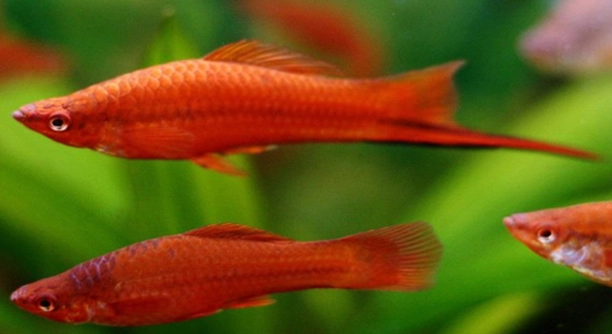
Have you ever set up a new aquarium and wondered whether your swordtails will enjoy the filter flow you picked out?
Swordtails generally prefer moderate water flow, as it mimics their natural habitat. While they can tolerate fast-moving filters, constant strong currents may cause stress and reduce their ability to rest or feed comfortably.
Learning about their natural preferences helps you create a more suitable tank environment and keep your swordtails healthy and active.
Why Filter Speed Matters for Swordtails
Swordtails are active swimmers that come from streams and rivers in Central America, where the water tends to move steadily but not too fast. In a home aquarium, they usually thrive with a moderate filter flow that keeps the water clean without creating too much current. When the filter is too strong, swordtails may spend more time fighting the current than enjoying their space. This can lead to fatigue and even poor feeding behavior, as they struggle to swim up to food. On the other hand, if the water flow is too weak, waste can settle, and oxygen levels may drop, which is also not good for them. That’s why it’s important to strike a balance. Using a filter with adjustable flow settings or adding decorations to break up the current can help. These adjustments let swordtails swim more naturally and feel more at ease in their environment.
Fast filters can also disrupt their social behavior, making them more skittish or aggressive.
Swordtails enjoy swimming through open water but also appreciate quiet zones. You can create these calm spots by using plants, rocks, or other tank decor. These resting areas give them a chance to relax without the constant push of fast water. It’s especially helpful if you have both males and females, as males can sometimes be persistent and chase others around. The ability to retreat into calmer parts of the tank gives all the fish a break and reduces stress levels. A strong filter placed in a way that avoids blasting the entire tank can keep water quality high while still respecting the needs of your fish. Many aquarium owners find that a gentle current in some areas and stillness in others offers the best results for keeping swordtails active, healthy, and calm. With the right setup, your swordtails will be more likely to display natural behaviors and stay vibrant.
Signs the Filter Flow Might Be Too Strong
Swordtails swimming frantically near the surface or hiding often may be reacting to too much water movement.
A strong current can affect their feeding habits and lead to poor health over time. If food floats away too quickly, they might miss meals or get stressed while chasing it. It’s important to observe how they behave during feeding time. If they seem exhausted or keep being pushed around by the current, the filter might be too powerful. Also, if they’re constantly hiding or staying low near plants and corners, they may be avoiding the flow. A stressed swordtail might also show dull colors or frayed fins. Reducing the filter flow slightly or adjusting its position to face a wall or a decoration can help calm the current. Another option is using a sponge filter or adding a flow baffle to slow things down without reducing water quality. Making these small changes can lead to a big improvement in your swordtails’ behavior and health.
How to Adjust Filter Flow for Swordtails
Some filters come with built-in flow settings, making it easier to control water movement. If yours doesn’t, you can still reduce the current using simple tricks like redirecting the output or adding a sponge attachment.
Placing decorations like rocks, driftwood, or tall plants in front of the filter output can help slow the flow. These objects break up the current and create peaceful zones where your swordtails can rest. You can also try angling the filter’s outflow toward a tank wall, which softens the force of the water before it spreads through the tank. Sponge pre-filters or flow baffles made from plastic bottles can also help. These are simple, budget-friendly ways to calm things down. Keep an eye on your swordtails after making changes. If they start swimming more freely, exploring all areas of the tank, and eating better, the flow is likely more comfortable for them.
If your tank has more than one filter or added air stones, be sure they’re not working against each other. Sometimes multiple sources of flow can cause unnecessary turbulence, which makes the tank uncomfortable for your fish. Try running one filter at a time to see if that changes their behavior. If you use an internal filter, position it lower in the tank to avoid too much surface agitation. For hang-on-back filters, using filter floss or a piece of sponge where the water exits can slow it down. Small adjustments go a long way. Test the water regularly, since reducing flow too much can affect oxygen levels. If everything is balanced and your swordtails look active but relaxed, you’ve probably found a setup that works well for them.
Best Tank Setup for Swordtails in Moderate Flow
Swordtails do best in tanks that have space to swim and spots where they can hide or rest. A good balance of open areas and planted zones works well.
Start with a tank that holds at least 20 gallons of water. This gives them enough room to move around and keeps the water more stable. Use live or silk plants to provide shelter and break up the current. Java fern, anubias, and hornwort are great options. Choose a filter that’s rated for the tank size and ideally has an adjustable flow. Add a few rocks or driftwood to help block the current in some areas. A darker substrate can help bring out their colors, and soft lighting keeps them relaxed. Keep the temperature steady between 72–82°F, and test water conditions weekly. Swordtails are hardy, but they do best when the tank setup supports both water movement and comfort.
Common Mistakes to Avoid
Avoid placing the filter output too close to where your swordtails spend most of their time. This can create stress, especially if there are no calm areas in the tank for them to rest or hide when needed.
Don’t forget to clean the filter regularly. A dirty filter can slow down water flow unevenly or cause strong bursts of current. It also affects water quality, which may harm your swordtails over time. Simple monthly maintenance helps avoid these issues.
How Breeding Behavior is Affected by Flow
Swordtails breed often in the right conditions, but too much water movement can disrupt this. Males might struggle to chase females properly, and females may not feel safe enough to give birth. When the current is too strong, swordtails often hide more, reducing their usual activity and interaction. For breeding tanks, it’s better to keep the flow gentle and steady. Use sponge filters or cover filter outputs to keep fry from being sucked in. Dense plants like guppy grass and moss also give fry a safe place to hide. A calm setup helps both the adults and the babies stay healthy and stress-free.
When to Consider a Different Filter Type
If your swordtails are still struggling despite adjustments, a sponge filter may be a better choice. These filters provide gentle flow, quiet operation, and biological filtration without stressing the fish.
FAQ
Do swordtails prefer slow-moving or fast-moving water?
Swordtails generally prefer moderate water flow. In the wild, they inhabit areas with steady currents, but not strong ones. While they can tolerate fast-moving water, it can cause stress and disrupt their natural behaviors, like feeding and resting. They thrive in tanks with moderate water movement where they can swim freely without battling the current.
How do I know if the filter flow is too strong for my swordtails?
If your swordtails seem to struggle swimming, often hide in the corners, or avoid certain parts of the tank, the filter flow might be too strong. Another sign is if they appear stressed or if food keeps getting swept away from them during feeding. These are clear indications that the flow is too harsh.
Can a strong filter cause stress for swordtails?
Yes, a strong filter can cause stress. Swordtails are active fish, but constant exposure to strong currents can tire them out. This can also affect their behavior, making them less active and possibly more aggressive. Stress from fast-moving water can impact their health, leading to reduced appetite and weakened immune systems.
What kind of filter should I use for swordtails?
For swordtails, an adjustable filter is a good option because you can control the flow speed. A hang-on-back filter or an internal filter with adjustable flow allows you to tailor the current to the needs of your fish. Sponge filters are also a good choice as they provide gentle flow and excellent biological filtration, making them perfect for swordtails.
How can I adjust the filter to make the flow gentler?
There are several ways to adjust the filter’s flow. First, try angling the outflow toward the tank wall or decorations to disperse the current. Adding plants or rocks in front of the filter can also help break up the flow. Some filters have attachments like baffles or sponges that can be added to reduce water movement.
Can too much water flow impact swordtail breeding?
Yes, excessive water flow can interfere with breeding. Males might find it harder to chase females, and females may feel unsafe or stressed. If you want swordtails to breed successfully, it’s essential to maintain a calm and steady environment. Gentle water flow helps them feel secure, which can encourage mating and reduce stress during pregnancy.
Do swordtails like to have areas of calm water in their tank?
Swordtails do appreciate areas of calm water where they can rest. While they enjoy swimming through moderate currents, they also like to retreat to places where the water is still. Adding plants, rocks, or other decorations can create sheltered areas where your swordtails can escape the flow, relax, and feel safe.
How often should I clean the filter for swordtails?
It’s important to clean the filter regularly to prevent the build-up of debris and ensure proper water flow. Ideally, you should clean your filter once a month. If your tank has a lot of fish or if you notice the water flow slowing down, you may need to clean it more frequently. A clean filter ensures that the water remains oxygenated and free of harmful waste.
Can I use a sponge filter for swordtails?
Yes, a sponge filter is an excellent choice for swordtails, especially if you want a gentle water flow. These filters provide biological filtration and oxygenate the water while creating minimal current. They’re perfect for small to medium-sized tanks and can be especially useful if you have baby swordtails, as they are gentle enough to not suck up the fry.
Should I use a water pump with my filter for swordtails?
A water pump can be helpful in some cases, but it’s not always necessary for swordtails. If the flow from your filter isn’t strong enough, a water pump can increase circulation. However, be cautious with the strength of the pump, as too much current can stress your swordtails. It’s essential to monitor their behavior to make sure they aren’t struggling against the flow.
Is it important to have surface agitation for swordtails?
Surface agitation is important for maintaining oxygen levels in the tank. Swordtails, like most fish, require good oxygenation, especially if the tank is densely stocked. However, the agitation shouldn’t be too strong, as it can cause waves of current that might stress your fish. A moderate level of surface movement, like from a gentle filter outflow, is ideal for swordtails.
How do I create a tank environment swordtails will enjoy?
To create an environment swordtails will enjoy, start with a 20-gallon tank or larger. Use live plants to provide hiding places and reduce the water flow. Rocks, driftwood, and soft substrate help mimic their natural habitat. The filter should have adjustable flow or be positioned so that it doesn’t create strong currents. Regular maintenance, like water changes and filter cleaning, will help keep the tank healthy for your swordtails.
Can swordtails live in a tank with fast-moving fish?
Swordtails can live with fast-moving fish as long as the tank is large enough and has areas where they can escape the current. However, if the fast swimmers are too aggressive or if the current from the other fish causes too much turbulence, it could stress your swordtails. It’s important to monitor interactions and adjust the flow to keep all the fish comfortable.
How does water temperature affect swordtails and filter flow?
Swordtails prefer a water temperature between 72–82°F. Water temperature can affect how your fish react to the filter flow. Warmer water can make fish more active, which might make them more sensitive to strong currents. On the other hand, cooler water can slow them down, making them less affected by flow. However, extreme temperatures in either direction can cause stress, so always aim to keep the temperature stable.
Final Thoughts
When setting up a tank for swordtails, paying attention to the filter flow is crucial for their well-being. Swordtails are active swimmers, but they don’t thrive in tanks with strong currents. If the flow is too powerful, they may become stressed, lose their appetite, and even experience difficulty swimming. On the other hand, if the flow is too weak, it can lead to poor water quality and an unhealthy environment. Finding the right balance is key. Adjusting the filter, adding plants or decorations to reduce water movement, and ensuring that there are calm spots in the tank can help keep your swordtails happy and healthy.
Swordtails are adaptable fish, but they do best in environments that mimic their natural habitat. In the wild, they inhabit areas with gentle to moderate currents, which makes it easier for them to swim and feed comfortably. To create a comfortable tank setup, make sure to provide plenty of swimming space while also offering areas for them to hide or rest. By using an adjustable filter or employing decorations to break up the current, you can ensure that your swordtails have both active areas and calm retreats. This helps reduce stress and keeps them active, healthy, and more likely to breed.
Finally, always observe your swordtails closely to see how they react to changes in the tank setup. If they seem to be avoiding certain areas or showing signs of stress, it might be time to adjust the flow or reevaluate the filter’s position. The key is to maintain a clean and stable environment with moderate water movement that suits their natural preferences. With proper care, a balanced filter flow, and a comfortable environment, your swordtails can thrive and bring vibrant color and life to your aquarium for years to come.

Hello,
If you enjoy the content that we create, please consider saying a "Thank You!" by leaving a tip.
Every little bit helps us continue crafting quality advice that supports the health, happiness, and well-being of pets around the world, for pets of all shapes, sizes, and species.
We really appreciate the kindness and support that you show us!