
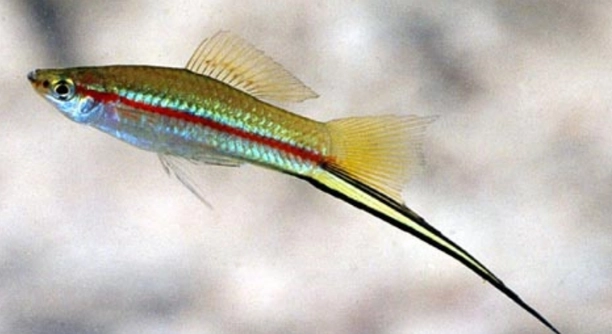
Swordtails are a popular choice for aquarium enthusiasts due to their vibrant colors and peaceful nature. However, it can be frustrating when these fish spend most of their time hiding instead of swimming freely.
Swordtails may hide due to factors such as stress, poor water quality, or insufficient space in the tank. They are sensitive to environmental changes, and these conditions can make them feel insecure, leading to hiding behaviors.
Learning what causes your swordtails to hide can help you make necessary changes in their environment. By addressing their needs, you can create a more comfortable and enjoyable space for your fish.
Poor Water Quality
One of the most common reasons your swordtails may hide is poor water quality. Swordtails are sensitive to changes in their environment, and water that is too dirty or imbalanced can cause them stress. If your tank’s pH, ammonia, nitrate, or nitrite levels are off, your fish may retreat to the corners of the tank. Regular water changes and testing water parameters can help avoid this. Swordtails thrive in clean, stable water conditions. If you notice your swordtails hiding, it’s a good idea to check your water quality before anything else. A healthy tank helps your fish feel secure and comfortable.
Ensuring your swordtails have clean water is essential for their health. You can do this by maintaining proper filtration and checking water quality regularly.
A good filtration system will keep the water clean and clear, allowing swordtails to swim and explore without feeling threatened. Make sure to test the water often, especially after a water change. This ensures that your fish aren’t exposed to harmful toxins or an unstable environment. Additionally, water temperature plays a role in their comfort. Swordtails prefer water temperatures between 72°F and 82°F (22°C – 28°C). Sudden shifts in temperature can stress them out and cause them to hide more often.
Stress from Other Tank Mates
Swordtails are peaceful, but they can be easily stressed by aggressive tank mates. Fish that are too territorial or active can make swordtails feel unsafe. If your tank has aggressive fish, your swordtails may hide to avoid conflict. In this case, it’s essential to choose tank mates that are peaceful and can coexist with swordtails without causing them distress.
Aggression in the tank can lead to your swordtails hiding more often. Consider separating aggressive fish if you notice this behavior.
If you have aggressive fish in your tank, try to introduce new, calmer tank mates. You can also rearrange the tank’s layout to create more hiding spots or separate territories. A good mix of peaceful fish can reduce stress levels and make your swordtails feel more at ease. Additionally, overcrowding in the tank can lead to stress and hiding. Always ensure your swordtails have enough space to swim freely and comfortably. Giving them a larger tank and ample hiding spots will help them feel less stressed and more confident. A peaceful environment encourages swordtails to spend more time swimming openly instead of hiding.
Inadequate Space in the Tank
Swordtails need space to swim freely. If your tank is too small or overcrowded, they might feel cramped and seek out hiding spots to avoid contact with other fish. A tank that’s too small can lead to stress and health issues for your swordtails, causing them to hide more often.
A general rule is to provide at least 20 gallons of water for a small group of swordtails. With this amount of space, they can swim comfortably and explore their environment. Larger tanks reduce the chance of overcrowding, allowing for better water quality and a more balanced ecosystem.
Overcrowding can lead to territorial disputes, making swordtails feel unsafe. If there’s not enough space for each fish to establish their territory, hiding becomes their way of coping. When you add new fish to the tank, be mindful of the space and consider upgrading your tank size to avoid this issue. Proper spacing is essential for keeping your swordtails happy and healthy, as it helps reduce stress and improves their overall well-being.
Unstable Water Temperature
Swordtails are sensitive to temperature changes. If the water temperature fluctuates too much, it can make them uncomfortable and cause them to hide. They prefer a stable environment where the water stays between 72°F and 82°F (22°C – 28°C). Extreme fluctuations can cause stress and health issues.
A reliable aquarium heater will help maintain a steady temperature in your tank. If the temperature is too cold or too hot, your swordtails might retreat to the darkest, safest corners of the tank. To prevent this, invest in a good-quality heater and use a thermometer to monitor the water temperature regularly. Stable conditions will encourage your swordtails to be more active and confident.
If you live in an area with significant temperature fluctuations, it may be helpful to use an aquarium heater with a built-in thermostat. This way, the water stays within a consistent range, preventing stress caused by drastic changes. Keeping the water temperature within the recommended range helps your swordtails feel secure and reduces the likelihood of hiding behavior.
Poor Diet
Swordtails need a balanced diet to stay healthy. If they aren’t getting the right nutrients, they might become stressed or lethargic, leading to hiding. Ensure they’re fed a variety of foods like flakes, pellets, and occasional live or frozen food to keep them active.
A poor diet can make your swordtails feel weak or unwell, pushing them to hide more often. Stick to high-quality fish food and avoid overfeeding, as leftover food can pollute the water. Feed them small amounts several times a day to prevent them from getting too stressed or sick.
Make sure the food you offer is suited for swordtails, as they need both plant matter and protein. This variety helps keep them healthy, active, and confident in their environment. If they’re not getting the right nutrients, swordtails might retreat to hiding spots and avoid interacting with the rest of the tank. A proper diet can reduce this behavior and encourage more open swimming.
Tank Decorations
Your swordtails need places to hide, but too many decorations can make them feel overwhelmed. If the tank is cluttered or the layout doesn’t allow them to swim freely, they may retreat to hiding spots. Keep decorations simple and spaced out.
Having the right balance of hiding spots and open swimming space will allow swordtails to feel more comfortable. A few plants or rocks are enough to create a stress-free environment where they can find refuge if they need it but still swim around confidently.
FAQ
Why are my swordtails hiding all the time?
Swordtails might hide due to stress, poor water quality, temperature fluctuations, inadequate space, or aggressive tank mates. They’re sensitive to changes in their environment, so if they feel unsafe, they may retreat to a hiding spot. Check the water quality, temperature, and space in the tank to help reduce stress. Additionally, make sure they have peaceful companions. If the tank is too crowded or the water isn’t clean, it’s more likely they’ll hide.
Can swordtails hide because of illness?
Yes, swordtails might hide if they’re feeling unwell. Fish often seek hiding spots when they’re sick or stressed. If you notice your swordtails hiding more than usual, check for signs of illness like faded colors, clamped fins, or unusual swimming patterns. It’s a good idea to check water quality as poor conditions can lead to health issues. If symptoms persist, you may need to isolate the sick fish and consult with an aquarium vet.
How do I improve the water quality for my swordtails?
Maintaining clean water is essential for swordtails. Regular water changes of 20-30% every 1-2 weeks can keep the tank in good shape. Use a good filtration system to remove toxins like ammonia, nitrates, and nitrites. Test the water regularly to ensure the pH, hardness, and temperature levels are stable. Swordtails prefer slightly alkaline water with a pH between 7.0-8.0. The temperature should remain between 72°F and 82°F (22°C – 28°C). Using a water conditioner can help neutralize chlorine or chloramine in tap water.
Do swordtails hide when they’re stressed?
Yes, swordtails often hide when they feel stressed. Stress can come from various factors like poor water conditions, bullying by other fish, sudden temperature changes, or overcrowding. If your swordtails are hiding, first check their environment to see if it’s calm, clean, and spacious enough for them to feel secure. Reduce stress by creating a peaceful atmosphere with proper tank mates, clean water, and enough space.
How can I reduce aggression in my tank?
Swordtails are peaceful fish, but aggression from other fish can make them hide. To reduce aggression, make sure to choose peaceful tank mates and avoid overcrowding. Larger fish or very active species may intimidate swordtails. Rearranging the tank decor can also help, as it allows fish to establish territories without conflict. Adding more hiding places can also help swordtails feel secure, even if they’re being chased. Consider keeping swordtails in groups, as they are social fish and may feel more comfortable with others of their kind.
How much space do swordtails need to avoid hiding?
Swordtails need enough space to swim freely. A tank that’s at least 20 gallons is recommended for a small group. This gives them enough room to establish territories and reduces stress. If the tank is too small or overcrowded, swordtails may feel trapped and more likely to hide. A larger tank allows for better water quality and gives the fish space to explore. If you have more than one male swordtail, a larger tank is especially important to prevent territorial aggression.
What temperature should I keep the water for swordtails?
Swordtails prefer stable water temperatures between 72°F and 82°F (22°C – 28°C). If the temperature fluctuates too much, they can become stressed and may hide more often. Use a reliable aquarium heater to maintain a constant temperature. If the water is too cold, swordtails may become sluggish, and if it’s too hot, they can become stressed and oxygen levels might drop. Monitoring the temperature with a thermometer can help ensure they’re in a comfortable range.
Can swordtails hide because of a poor diet?
Yes, swordtails can hide if they’re not getting the proper nutrients. A poor diet can lead to weakness or illness, which may cause them to hide more often. Make sure to feed them a varied diet, including high-quality fish flakes or pellets and occasional live or frozen food like brine shrimp or daphnia. Swordtails need a mix of plant and protein-based foods. Overfeeding can also pollute the water, so feed them small amounts throughout the day, avoiding excess food that can negatively impact their health.
How do I know if my swordtail is sick?
If your swordtail is sick, you may notice behavioral changes like excessive hiding, swimming erratically, or not eating. Physical signs of illness can include faded colors, bloated bellies, clamped fins, or abnormal spots or lesions on the body. It’s important to isolate the sick fish to prevent the spread of disease and check the water conditions to ensure they are not contributing to the illness. If the symptoms persist, consult an aquarium professional or vet to determine the appropriate treatment.
Should I add more fish to my tank to stop swordtails from hiding?
Adding more fish might not always help swordtails feel more comfortable. While swordtails are social and enjoy the company of their own kind, overcrowding can increase stress and lead to hiding. Instead, ensure the tank is large enough for all the fish and that the water quality remains optimal. If adding more fish, choose peaceful species that won’t stress the swordtails. Overcrowding can reduce swimming space and increase competition for food, making swordtails feel unsafe.
How often should I clean the tank for swordtails?
Regular cleaning is essential to maintain a healthy environment for swordtails. Perform partial water changes (20-30%) every 1-2 weeks to remove waste and maintain water quality. Clean the substrate and decorations during these changes to prevent the build-up of harmful substances. Rinse the filter media in tank water (never tap water) to avoid killing beneficial bacteria. Avoid over-cleaning, as this can disrupt the tank’s ecosystem and cause more stress to your fish.
Final Thoughts
Swordtails are generally peaceful, vibrant fish, but they can sometimes hide more than expected. If your swordtails are constantly hiding, it’s essential to check their environment for stress factors. Poor water quality, overcrowding, aggressive tank mates, and inadequate space can all cause your fish to retreat to the corners of the tank. Identifying the cause of this behavior and addressing it is crucial for their well-being.
Ensuring a clean tank with proper water quality is one of the first steps in improving the situation. Swordtails thrive in stable, clean water conditions, so regular water testing and changes are necessary. Additionally, they need an appropriate temperature range between 72°F and 82°F (22°C – 28°C). Keeping the water temperature stable can significantly reduce stress and encourage swordtails to be more active. Providing enough space for them to swim freely also helps avoid stress caused by overcrowding.
Lastly, it’s important to consider their social needs. Swordtails are social creatures and tend to feel more secure when they’re in a group of their own kind. However, they should not be kept with overly aggressive or territorial fish. Peaceful tank mates and proper hiding spots allow them to feel safe and secure without having to hide constantly. By maintaining a balanced tank environment, you can ensure your swordtails live a happy and healthy life, reducing the stress that leads to hiding.

Hello,
If you enjoy the content that we create, please consider saying a "Thank You!" by leaving a tip.
Every little bit helps us continue crafting quality advice that supports the health, happiness, and well-being of pets around the world, for pets of all shapes, sizes, and species.
We really appreciate the kindness and support that you show us!