
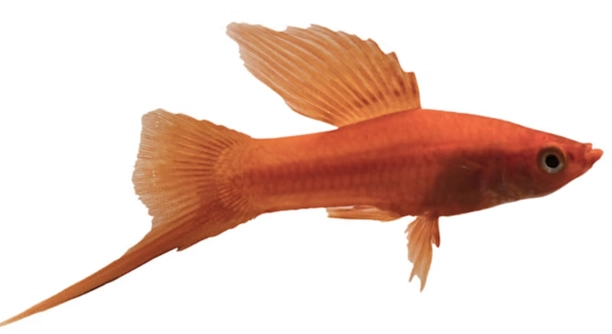
If you’re a fish enthusiast, breeding vibrant swordtails can be an exciting challenge. Brightly colored swordtails are not only visually striking but also a rewarding result of careful breeding practices.
To breed brightly colored swordtails, focus on providing a healthy and stable environment, selecting the right breeding pairs, and ensuring proper nutrition. Genetics and water quality also play key roles in enhancing their colors.
Breeding swordtails can be a fun and fulfilling experience. Keep reading for helpful tips that can guide you in achieving the best results.
Choosing the Right Swordtail Breeding Pair
The foundation of breeding brightly colored swordtails starts with selecting the right pair. When choosing your breeding pair, make sure both fish have good health and vibrant colors. Male swordtails typically show more intense color patterns, while females tend to be more subdued. It’s important to find a male with bright, vivid hues and a female that will pass on the right genes to the offspring. You also want to select pairs that are genetically different, which will help produce healthier, more colorful offspring.
Genetic variation in your breeding pair is crucial for colorful results. Avoid breeding two swordtails that are too closely related, as this can limit color diversity in the next generation. It’s recommended to choose males and females from different bloodlines for the best outcomes.
When you begin breeding, observe the pair for a few weeks before separating them. Make sure the female is healthy enough to handle the stresses of breeding. Once successful, you’ll begin to notice the offspring’s colors developing quickly.
Maintaining Optimal Water Conditions
Water quality is essential for maintaining vibrant colors in swordtails. Clean, well-maintained water promotes the health and coloration of the fish. Aim for a temperature between 72°F and 78°F, as swordtails prefer warm environments. Proper filtration is also necessary to keep the water clean and free from harmful toxins.
In addition to water temperature, regular water changes are vital for swordtail health. Dirty water can cause stress and poor coloration. Changing about 20-30% of the water every week will help keep things in balance. Be mindful of the pH level as well, keeping it between 7.0 and 8.0 for optimal conditions.
Also, consider adding live plants to the tank. They not only help improve water quality by absorbing excess nutrients, but they also provide hiding spots, reducing stress in your swordtails. Stress-free fish are more likely to show off their vibrant colors and breed successfully.
Providing Proper Nutrition
Feeding swordtails the right diet is essential for vibrant colors. A mix of high-quality flake foods, live foods, and frozen options will help maintain their health and coloration. Color-enhancing pellets or food with added carotenoids, like spirulina, can boost the intensity of their hues. Make sure to vary their diet to provide all necessary nutrients.
Swordtails are omnivores, so they thrive on a balanced diet. You can feed them a combination of vegetables and protein sources. Daphnia, brine shrimp, and bloodworms are excellent protein-rich foods. Vegetables like zucchini and spinach also add variety, which helps with their overall health. Proper nutrition can encourage stronger color expression and breeding behavior.
Overfeeding swordtails can lead to poor water quality, which can negatively affect their health and colors. Make sure to feed small amounts twice daily, removing any excess food to keep the tank clean. Proper feeding habits will improve your swordtails’ chances of successfully breeding and maintaining vivid colors.
Enhancing Genetics for Better Colors
To get the brightest swordtails, focus on genetics. Select fish with the desired traits, such as vibrant coloration, fin shapes, and body structure. You want to choose parents that are genetically diverse but share some common color traits to pass them down. This can lead to more consistent offspring with enhanced hues.
Genetic traits in swordtails can be influenced by various factors, such as the quality of the parent’s genes and how they are paired. Mating two fish with good genes will give you a better chance of getting healthy, colorful offspring. Some breeders focus on selective breeding to enhance certain colors like red, orange, or yellow. Keep in mind that colors might not always appear immediately, as they can develop over time.
By carefully observing your fish’s offspring, you can gradually improve their colors with each generation. Patience is key when working with genetics, but with careful selection and time, you can create swordtails that are truly spectacular in color.
Creating a Stress-Free Environment
Swordtails need a calm environment to thrive and display their brightest colors. Stress can cause them to lose vibrancy, so it’s important to minimize any stressors in their tank. Keep the water conditions stable and avoid overcrowding to prevent aggression and competition among fish.
Provide plenty of hiding spots in the tank to give swordtails a sense of security. Live plants, caves, or decorations work well for this purpose. Additionally, ensure the tank isn’t in a high-traffic area to prevent startling the fish. A peaceful setting helps them feel safe and promotes better health and coloration.
Temperature and Lighting
Temperature plays a major role in breeding brightly colored swordtails. Maintain a steady temperature between 72°F and 78°F to keep them healthy. Sudden fluctuations can cause stress, impacting their color and breeding behavior. A reliable heater and thermometer are essential.
Lighting also affects the swordtails’ color intensity. Ensure they receive 10-12 hours of light per day. Avoid harsh lighting that can cause stress or algae growth in the tank. Gentle lighting helps bring out their natural colors and keeps the environment balanced.
Regular Water Changes
Regular water changes are necessary to keep swordtails healthy and colorful. Aim for a 20-30% water change each week to maintain water quality. Clean water supports better overall health, which can improve the brightness of their scales.
Changing the water consistently also prevents the buildup of toxins that could negatively impact their skin and fins. Clean water is key to ensuring that the swordtails remain active, healthy, and vibrant, contributing to successful breeding and color development.
FAQ
How long does it take for swordtail fish to develop vibrant colors?
It can take anywhere from a few weeks to several months for swordtails to fully develop their colors, depending on their age, genetics, and environment. Younger swordtails will often take longer to show their brightest colors, especially if they are still growing. In some cases, their full color potential may not appear until they are sexually mature. Maintaining stable water conditions, proper nutrition, and minimal stress will help speed up this process. However, some variation can still occur, as genetics also play a significant role in color development.
Can I breed swordtails of different colors to get brighter fish?
Yes, breeding swordtails of different colors can sometimes result in offspring with brighter and more varied colors. However, the outcome depends on the specific genetics of the parent fish. By choosing pairs that have desirable color traits, you increase the chances of getting offspring with vibrant colors. For example, pairing a bright red male with a female of a different color can lead to offspring with a range of hues, but the exact shades will depend on the genetics inherited. Selective breeding over multiple generations can help enhance the vibrancy of the colors in your swordtails.
Do swordtails need live food to stay colorful?
While swordtails don’t strictly need live food to maintain vibrant colors, offering them live foods can boost their health and coloration. Live foods such as brine shrimp, daphnia, or bloodworms provide a rich source of protein and essential nutrients, which can enhance the fish’s overall condition and improve their color intensity. Frozen or freeze-dried alternatives can also work, but live food is generally more nutritious. It’s essential to offer a balanced diet that includes both protein-rich foods and plant matter to keep swordtails healthy and colorful.
What is the best water pH for swordtails?
Swordtails prefer water with a pH level between 7.0 and 8.0, which is slightly alkaline. Keeping the pH within this range ensures optimal health and supports the vibrant colors of your fish. If the pH level dips too low (acidic) or rises too high (alkaline), it can stress the fish and lead to health problems, including faded colors. Regular water testing and adjustments, if necessary, will help maintain the ideal pH balance for your swordtails.
Do swordtails breed easily?
Swordtails are relatively easy to breed, making them a popular choice for both beginner and experienced fishkeepers. Female swordtails can give birth to live young, usually in batches of 20-50 fry. To ensure a successful breeding experience, provide the right conditions such as stable water temperature (72°F to 78°F), good water quality, and plenty of hiding spots for the female to feel secure during gestation. Once the fry are born, they should be moved to a separate tank or nursery to prevent adult swordtails from eating them.
How can I prevent swordtail fry from being eaten by adults?
To protect swordtail fry from being eaten, it’s important to provide hiding places in the tank, such as dense plants or small caves, where they can escape adult swordtails. Another option is to separate the pregnant female into a breeding box or tank until the fry are born. After the birth, you can remove the adults and keep the fry in a safer environment until they grow larger and can defend themselves. In community tanks, removing the adults temporarily or using a separate breeding tank can greatly reduce the risk of fry predation.
Can swordtails live with other fish?
Yes, swordtails are peaceful fish and can live well with other species in a community tank, provided the tankmates are not overly aggressive or territorial. Good tankmates for swordtails include other peaceful livebearers like guppies and mollies, as well as tetras, catfish, and other small to medium-sized fish. However, it’s important to avoid housing swordtails with fin-nipping fish or overly aggressive species, as this could cause stress and prevent them from displaying their best colors. Always consider the temperament and size of potential tankmates before adding them to your swordtail tank.
How often should I change the water for my swordtails?
Water changes are vital for maintaining swordtail health and bright colors. Aim for a 20-30% water change each week to keep the water clean and free from toxins. Frequent water changes help reduce waste buildup, improve water quality, and prevent stress in the fish. It’s also a good idea to regularly check water parameters such as pH, ammonia, nitrites, and nitrates to ensure everything remains within the optimal range for your swordtails.
Why are my swordtails’ colors fading?
Fading colors in swordtails are often a sign of stress or poor water conditions. If the water temperature fluctuates too much or if there are high levels of ammonia, nitrites, or nitrates, it can cause the swordtails to lose their vibrant colors. Poor diet, overcrowding, or the presence of aggressive tankmates can also contribute to color fading. To resolve this issue, check your water quality regularly, provide a balanced diet, and ensure that your swordtails have a peaceful and stress-free environment.
Can swordtail fish change color over time?
Yes, swordtails can change color over time, especially as they grow and mature. The intensity of their colors may shift as they reach adulthood, with some colors becoming more vivid. Additionally, if swordtails are exposed to different environmental factors, such as changes in diet, water quality, or light conditions, their coloration may also be affected. Some swordtails may show different shades during different life stages, so it’s essential to keep their conditions stable to maintain the brightest colors possible.
What temperature is best for breeding swordtails?
To breed swordtails successfully, it’s important to maintain a temperature range between 72°F and 78°F. This is the ideal temperature for promoting breeding behavior and healthy fry development. If the temperature falls below this range, swordtails may not breed as readily, and their overall health may decline. Conversely, temperatures above 78°F can cause stress and harm the fish, so keeping the water within this range is essential for both the breeding process and the health of your swordtails.
Can swordtail fish breed with other species?
Swordtails can breed with other species within the same family, such as platies and mollies, as they are all part of the Poeciliidae family. However, breeding with different species may result in hybrid offspring that do not breed true to type. These hybrids may also have health issues, so it’s typically recommended to breed swordtails only with other swordtails to preserve their unique traits. If you’re aiming for brightly colored swordtails, it’s best to stick to breeding within the species.
Final Thoughts
Breeding brightly colored swordtails is a rewarding experience that requires attention to detail and patience. While genetics play a significant role in achieving vibrant colors, water quality, nutrition, and stress-free environments are just as important. By choosing healthy breeding pairs, maintaining stable water conditions, and offering a balanced diet, you’ll increase the chances of producing colorful and healthy swordtails. Remember that every breeding attempt may not result in the perfect fish, but with time and effort, you will begin to see results. Keeping track of your swordtails’ health and behaviors can also guide you in adjusting conditions for better outcomes.
When it comes to selecting your breeding pair, it’s essential to prioritize both appearance and health. Vibrant males with strong genetic traits are a good choice, but don’t overlook the importance of selecting healthy females as well. Ensuring genetic diversity is another key factor. Inbreeding can lead to weaker fish and may hinder the development of bright colors. By carefully pairing different bloodlines, you’ll improve your chances of success. Additionally, providing a variety of foods, including live foods, can greatly enhance the color of your fish. A balanced diet not only supports health but can also boost color vibrancy.
Ultimately, breeding swordtails is about maintaining a balance between environment, genetics, and care. Achieving the best results takes time, but it’s important to enjoy the process and observe the subtle changes in your fish. As they grow and mature, you’ll notice their colors become more defined, and your efforts will pay off. Stay patient and make adjustments as needed. With dedication, you can enjoy the beauty of brightly colored swordtails in your aquarium for years to come.

Hello,
If you enjoy the content that we create, please consider saying a "Thank You!" by leaving a tip.
Every little bit helps us continue crafting quality advice that supports the health, happiness, and well-being of pets around the world, for pets of all shapes, sizes, and species.
We really appreciate the kindness and support that you show us!