
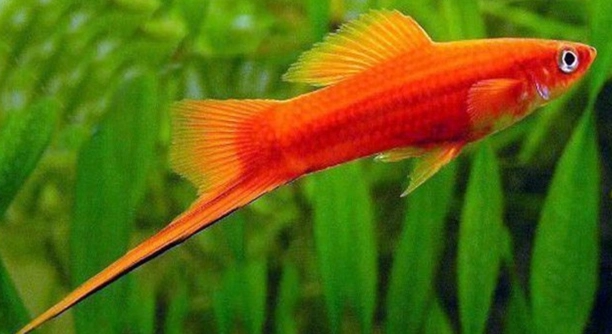
Many pet owners enjoy spending time with their fish, but may wonder if their swordtails can recognize them. Understanding how fish interact with their environment can offer insight into their behaviors and relationships with their caretakers.
Swordtails can exhibit a level of recognition towards their owners, especially in environments where they are consistently fed or interacted with. They may associate their owners with food and show excitement when approached, although their reactions are primarily instinctual.
Recognizing these behaviors can enhance your connection with your swordtail and help you understand their needs and preferences.
How Swordtails React to Their Owners
Swordtails are intelligent fish, and they can learn to associate their owners with food. Over time, they may begin to recognize your presence. When you approach the tank, they might swim to the front, expecting a meal or interaction. This behavior isn’t limited to swordtails alone but is common in many pet fish species. Fish learn from repetitive events in their environment, and if you often feed them at a certain time, they will begin to expect you. This connection goes beyond simple feeding; swordtails can even react to specific actions like the sound of a feeding routine.
Even without a direct bond, swordtails can show curiosity when their owners approach the tank. They might swim around or follow movements, not just out of instinct but because they recognize the familiar figure. Their behavior can provide a sense of closeness, although it’s more about food or routine than true emotional attachment.
Swordtails, like other fish, don’t form relationships with people in the same way mammals do. They don’t seek attention for affection, but their behavior can be interpreted as recognition of the routine. These reactions are mostly tied to their survival instincts, which are closely linked to feeding. They might not show overt signs of affection like a dog, but their actions indicate a level of awareness about their environment. In short, their response to their owners is primarily rooted in learned behavior related to feeding times and regular interactions.
Factors Affecting Swordtail Behavior
Swordtails respond differently depending on the environment and stimuli they are exposed to. Temperature, water quality, and tank setup can all influence their behavior. A comfortable environment encourages fish to feel safe and explore their surroundings. It also makes them more likely to react to familiar figures.
When swordtails are in a stable environment, they are more likely to display curious behavior. Consistent water conditions, such as temperature and cleanliness, allow the fish to focus on other aspects of their surroundings. For instance, swordtails may become more responsive if they feel secure. In contrast, if their tank conditions change, such as fluctuating temperatures or poor water quality, swordtails may exhibit signs of stress, becoming less active or more withdrawn. Additionally, the presence of other fish can alter their interactions, either by making them more social or, in some cases, more territorial. In an overcrowded tank, swordtails may avoid their owners altogether.
A well-maintained tank encourages swordtails to engage more with their owners. When the environment is favorable, swordtails are likely to react positively when approached. Their behaviors, such as swimming to the tank’s edge or eagerly awaiting feeding, indicate that they recognize their caretaker as part of a daily routine. It’s important to observe them and note how their behavior changes in response to external factors.
Swordtail Recognition of Owners
Swordtails are capable of associating their owners with feeding times. Over time, they learn to react to familiar movements and sounds. This recognition is largely based on their routine and expectations rather than a deeper emotional connection.
These fish are highly observant. If you approach the tank regularly at certain times to feed them, they may swim toward the front of the tank as they anticipate food. Their ability to link specific actions to outcomes is essential for their survival. Even without a direct bond, swordtails may learn to identify their caretakers, showing a predictable response when they see them.
This form of recognition is tied to repetition. The more you feed or interact with the fish in a consistent manner, the more they’ll expect you. Over time, they will recognize your movements and the routine associated with them, even without actively seeking attention.
How to Strengthen Your Bond with Swordtails
To strengthen the connection with your swordtails, consistency is key. Stick to regular feeding times, and your swordtails will begin to respond predictably to your presence. Over time, they may swim toward you when they recognize you.
While swordtails don’t form emotional bonds like mammals, their behavior can be shaped by the consistency of your actions. Providing a calm, predictable environment can encourage them to be more responsive. Swordtails are more likely to approach the glass when they know that feeding time is near, displaying a clear sign of recognition.
You can also try hand-feeding them occasionally. While it may take time for them to become comfortable with your hand in the tank, this type of interaction can help build a routine they associate with you. This method may not always result in instant success, but it can gradually encourage them to interact more directly with you, reinforcing their understanding of who is responsible for feeding them.
Can Swordtails Learn to Recognize Other Fish?
Swordtails have the ability to recognize other fish in their tank, especially if they interact regularly. They can distinguish between their tank mates and may show interest or aggression depending on their relationship.
When swordtails are kept in groups, they can learn to identify familiar tank mates. They may exhibit different behaviors toward different fish, such as swimming together or displaying territorial behavior if they feel threatened. Over time, swordtails will recognize their companions based on visual cues, behaviors, and positioning within the tank.
Recognizing tank mates helps swordtails adjust their social interactions and avoid unnecessary conflict. This learning ability makes them more adaptable to their environment, as they develop a clear understanding of the social dynamics within their tank.
Swordtail Tank Setup
To help swordtails feel more comfortable, provide plenty of space and hiding spots. Overcrowded tanks can cause stress, making swordtails less likely to approach their owners or react positively.
Creating an environment that mimics their natural habitat promotes more active behavior. Plants, rocks, and other structures will allow swordtails to feel secure, encouraging more frequent and positive interactions. The layout of the tank should offer them a balance of open space for swimming and areas to retreat when needed. This balance reduces stress, making them more responsive to you.
Temperature and Water Quality
Maintaining the right temperature and water quality is essential for swordtail health and behavior. A stable tank with proper filtration and water conditions encourages swordtails to be more active and responsive. Fish in good health are more likely to approach their owners and engage with their surroundings.
FAQ
Do swordtails recognize their owners?
Yes, swordtails can learn to recognize their owners over time, especially when they associate you with feeding. This recognition is based on their ability to link specific actions to rewards, such as food. They may swim toward the front of the tank when they see you, anticipating their next meal. While this is a learned response, it indicates that swordtails can distinguish between familiar and unfamiliar figures. Their behavior is mostly driven by routine rather than emotional attachment, but it still shows a level of recognition.
How do swordtails react when they see their owners?
When swordtails recognize their owners, they often swim to the front of the tank or follow the person’s movements. This is most noticeable during feeding times when they associate their owner’s presence with food. Swordtails may also show excitement, moving around in the tank or darting back and forth. These reactions indicate that they have learned to connect you with a predictable routine, even if the behavior isn’t a sign of affection like a pet might show.
Can swordtails form bonds with other fish?
Swordtails can recognize and differentiate between other fish in their tank. They may form social groups with other swordtails or interact with compatible species, though this depends on the tank dynamics. Swordtails can exhibit territorial behaviors, particularly if space is limited or they feel threatened. However, they are generally peaceful fish and do not form close emotional bonds like mammals. Instead, their relationships with other fish are driven by instinct and the need for survival, such as competing for resources or establishing social hierarchies.
What is the best tank environment for swordtails?
Swordtails thrive in a well-maintained tank with stable water conditions. A tank that mimics their natural environment with plenty of plants, rocks, and hiding spots helps swordtails feel secure. They prefer a temperature range of 72°F to 78°F (22°C to 26°C) and a neutral pH. A clean tank with proper filtration is crucial for their health and behavior. Additionally, swordtails benefit from having enough space to swim and explore. A tank that is overcrowded or lacking in hiding places can cause stress, making them less likely to interact with you.
Do swordtails need a lot of attention?
Swordtails do not require constant attention but do benefit from a consistent routine. They are more likely to react positively if they associate you with feeding or other routine activities. While they do not seek interaction like a dog or cat, they will learn to recognize you if you feed them regularly at the same time each day. Swordtails are independent creatures, but a stable and predictable environment will help them feel more comfortable and responsive.
How can I tell if my swordtails are happy?
Happy swordtails are active and swim throughout the tank. They may interact with other fish or explore their environment. Swordtails that are happy and healthy typically have vibrant colors, a smooth swimming motion, and no visible signs of illness. If your swordtails seem lethargic, stop eating, or begin hiding excessively, it could be a sign of stress, poor water quality, or health issues. Healthy swordtails will also engage with their environment, showing curiosity about new elements or interacting with other fish in the tank.
What should I feed swordtails to keep them healthy?
Swordtails are omnivores, so they need a balanced diet that includes both plant matter and protein. They will eat a variety of foods, such as high-quality flake food, freeze-dried or frozen worms, and vegetable matter like algae wafers or blanched spinach. It is important to feed them a varied diet to ensure they receive all the necessary nutrients. Avoid overfeeding, as swordtails are prone to obesity. Offering small, frequent meals throughout the day is the best way to keep them healthy and active.
How often should I feed my swordtails?
Swordtails should be fed once or twice a day, depending on their age and size. Younger swordtails may require more frequent feedings, while adults typically do well with one meal a day. It’s important not to overfeed, as leftover food can pollute the water and lead to poor water quality. Offering them small portions that they can consume in 2-3 minutes is ideal. Adjust feeding amounts based on their size and activity level.
Can swordtails live with other types of fish?
Swordtails are peaceful and can live with a variety of other fish, especially other community species that have similar water requirements. They can be kept with other livebearers, such as guppies or mollies, as well as non-aggressive species like tetras or catfish. However, avoid housing swordtails with overly aggressive or territorial fish that may stress them out. Ensure the tank has enough space and hiding spots to reduce any potential conflicts.
What size tank do swordtails need?
Swordtails do best in tanks that are at least 20 gallons. A larger tank gives them plenty of space to swim and reduces the likelihood of territorial behavior. A 20-gallon tank can comfortably house a small group of swordtails, but the more space available, the better. Overcrowding can lead to stress, which affects their health and behavior. Make sure the tank is properly filtered and maintained to keep the water quality high.
Final Thoughts
Swordtails are interesting and adaptable fish that can recognize their owners over time, primarily through routines and feeding schedules. While they may not form deep emotional bonds like mammals, they do learn to associate familiar figures with positive experiences, such as being fed. Their recognition of owners is largely based on repeated interactions and the consistency of their environment. This ability to learn and anticipate actions shows that swordtails are more aware of their surroundings than many might think, and they can develop predictable behaviors when they feel comfortable and safe in their tanks.
Maintaining a proper environment for swordtails is key to encouraging this kind of recognition. A clean, stable tank with appropriate water conditions is essential for their health and overall well-being. Swordtails thrive in tanks with enough space to swim and hide, as this helps reduce stress and encourages them to be more active. They are relatively low-maintenance fish, but their behavior can be influenced by the care they receive, particularly through feeding routines. Swordtails will respond positively to owners who provide a consistent and reliable environment, making it easier for them to engage with their surroundings.
While swordtails may not form the kind of emotional connections that some pets do, they can still offer an enjoyable experience for aquarium owners. Observing their behavior and interactions, especially when they recognize their owner, can be a rewarding experience. The key to fostering this behavior is consistency in care and attention. By maintaining a routine and providing a comfortable environment, owners can build a predictable and pleasant relationship with their swordtails. This simple bond, built on recognition and routine, can enhance the experience of keeping these fascinating fish as pets.

Hello,
If you enjoy the content that we create, please consider saying a "Thank You!" by leaving a tip.
Every little bit helps us continue crafting quality advice that supports the health, happiness, and well-being of pets around the world, for pets of all shapes, sizes, and species.
We really appreciate the kindness and support that you show us!