
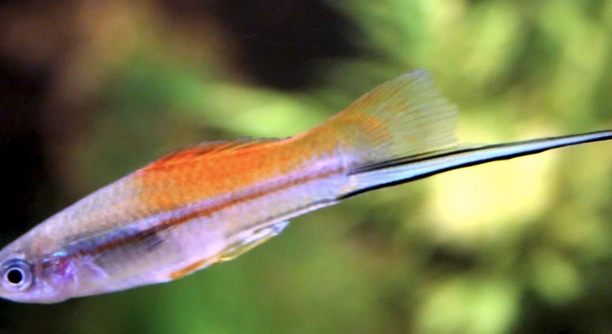
A swordtail tank can quickly show signs that something isn’t quite right. Understanding these signs is essential to maintaining a healthy and happy environment for your fish. Regular attention to their needs will ensure everything stays in balance.
When your swordtail tank is in need of a change, certain indicators become evident. These include cloudy water, unusual behavior from the fish, excessive algae growth, foul odors, and declining water quality. Regular maintenance will help address these issues.
Taking action to fix these problems can keep your swordtail tank thriving. Keeping an eye out for these signs will ensure a healthier, more vibrant aquarium.
Cloudy Water in Your Swordtail Tank
Cloudy water is often one of the first signs that something is off in your tank. It could result from overfeeding, which leads to excess food breaking down in the water, causing bacteria growth. When these bacteria bloom, they cloud the water and lower its oxygen levels. Another cause could be a build-up of waste from your fish, which disrupts the water’s natural filtration. Cloudy water isn’t just unsightly; it can stress your swordtails and make it harder for them to breathe. Regular water changes, cleaning the tank, and proper filtration are key to preventing this issue.
Clearing the water means checking your filter system and ensuring it’s working properly. Maintaining a healthy balance will keep things clear and your fish happy.
Water changes will help keep things fresh, but you must also ensure your filter is clean and running efficiently. Using the right filtration system and maintaining proper feeding habits will reduce the chances of cloudy water reoccurring.
Algae Growth in Your Tank
Excessive algae growth can quickly turn your aquarium into a green mess. This issue is usually caused by too much light or an excess of nutrients in the water. The more nutrients, the faster algae can spread. It is common when you overfeed your swordtails, leaving uneaten food to decay and fuel algae growth. If you notice algae covering the tank’s walls, decorations, or plants, it’s time to address the issue.
Algae can cause harm to your swordtails, as it competes with them for oxygen, especially in low-light conditions. To fight algae, you need to reduce the amount of light your tank receives and clean up excess food. Also, try adding algae-eating fish to help keep it under control. Maintaining proper filtration and ensuring the tank is not overexposed to light is essential. If algae growth persists, consider adjusting your feeding habits and cleaning your tank more frequently.
Algae isn’t just a cosmetic problem; it can affect the water’s oxygen levels and harm your fish’s health. Proper care and regular maintenance will keep algae under control and your swordtail tank in better shape.
Foul Odors Coming from the Tank
If your swordtail tank smells bad, it’s a clear sign that something isn’t right. Bad odors typically come from decaying organic matter, such as leftover food, dead fish, or plant debris. This material breaks down in the water, releasing unpleasant smells and creating an unhealthy environment.
Cleaning your tank regularly will help prevent foul odors. Start by removing uneaten food, cleaning the substrate, and checking for any dead fish or plants. Also, ensure your filtration system is working properly. Poor filtration often leads to stagnant water, making it easier for bacteria to thrive and cause these odors.
If the smell persists despite cleaning, check your water parameters. Unstable water chemistry can cause bad odors, indicating that the tank isn’t properly maintained. Maintaining consistent water quality, cleaning the tank, and using a proper filtration system will keep your tank fresh and odor-free.
Unusual Behavior in Swordtails
Swordtails are active and social fish, but when they start showing signs of stress, it often points to a problem in the tank. If they swim erratically, hide more than usual, or stop eating, it could indicate poor water quality, disease, or an issue with their environment.
The most common cause of these behavioral changes is a drop in water quality. Test the water regularly for ammonia, nitrites, and nitrates. Poor water quality can cause discomfort and stress in swordtails, leading to abnormal behavior. To remedy this, perform regular water changes, ensure proper filtration, and avoid overfeeding.
Another factor that can cause stress is overcrowding. When there are too many fish in the tank, it creates competition for space and resources, which can stress your swordtails and cause them to act strangely. Make sure you maintain an appropriate fish-to-tank ratio. Regular maintenance and a stable environment will help keep your swordtails happy and active.
Decrease in Swordtail Activity
A decrease in activity can be a sign that your swordtails are stressed or sick. If they are spending more time hiding or swimming sluggishly, something in their environment may be off. Stress is usually caused by poor water quality, overcrowding, or changes in temperature.
Make sure your swordtails have enough space and that the water conditions are stable. Test the water regularly for ammonia, nitrites, and nitrates. Also, keep an eye on the temperature and ensure it’s within the ideal range for swordtails. Consistent water quality and a well-maintained environment can help prevent stress.
If the tank is overcrowded, consider reducing the number of fish or upgrading the filtration system. Swordtails need room to move and thrive, and too many fish can cause them to feel cramped and uncomfortable.
Fish Scratching or Rubbing Against Objects
When swordtails start rubbing or scratching against tank decorations, it’s often a sign of irritation or infection. This behavior is commonly associated with external parasites or skin conditions. If left untreated, the irritation can lead to more serious health issues.
To address this, inspect your swordtails carefully for any visible signs of parasites or lesions. If you find anything unusual, consider quarantining the affected fish and treating them with an appropriate medication. Clean the tank to remove any potential sources of infection.
A good practice is to avoid sudden changes in water quality or temperature, as these can weaken your fish’s immune system and make them more susceptible to infections. Keeping the tank clean and maintaining water quality will help prevent this behavior from recurring.
Increased Fish Aggression
Swordtails are generally peaceful fish, but increased aggression can be a sign that something is wrong in their environment. If you notice that your swordtails are fighting or chasing each other more than usual, it could be due to stress, lack of space, or improper tank conditions.
Stress is often caused by poor water quality or overcrowding. In these situations, fish become territorial and more aggressive. Ensure that your tank is appropriately sized and that water parameters remain stable. Providing enough hiding spots and plants can also reduce aggression by giving fish a sense of security.
Sometimes, aggressive behavior can be a sign of an imbalance in male-to-female ratios. Too many males in a tank can lead to fighting over territory and mates. Balancing the ratio can help reduce aggression.
FAQ
How often should I change the water in my swordtail tank?
Water changes are essential for maintaining a healthy tank. It is recommended to change about 25-30% of the water every two weeks. However, if you notice any signs of poor water quality, such as cloudy water or a foul odor, it’s important to change the water more frequently. Regular water changes help remove toxins and waste, ensuring your swordtails stay healthy.
What water temperature is best for swordtails?
Swordtails prefer warm water, with an ideal temperature range between 72°F and 82°F (22°C to 28°C). Consistent water temperature is crucial, as drastic changes can stress your fish. Use a reliable aquarium heater and thermometer to monitor the water temperature regularly. Avoid placing the tank in areas with fluctuating temperatures.
Why are my swordtails hiding more than usual?
Swordtails may hide when they are stressed, sick, or uncomfortable. Poor water quality, overcrowding, or aggressive tank mates can all contribute to this behavior. Make sure your swordtails have enough space to swim, and check the water parameters regularly. If the hiding persists, it could indicate a health issue, and you should check for signs of illness.
How can I tell if my swordtails are sick?
Signs of illness in swordtails include abnormal swimming behavior, loss of appetite, discoloration, or visible lesions on their body. If you notice any of these symptoms, it’s essential to act quickly. Quarantine the sick fish to prevent spreading illness and treat them with the appropriate medication. Also, check water quality to ensure it’s not contributing to the problem.
How do I prevent overfeeding my swordtails?
Overfeeding can lead to poor water quality and health issues for your swordtails. A simple way to prevent overfeeding is to feed them small amounts that they can consume in 2-3 minutes. Remove any uneaten food after this time to avoid it decomposing in the water. Fish should be fed once or twice a day, depending on their size and activity level.
Can I keep swordtails with other fish?
Yes, swordtails are peaceful and generally do well with other species. They can live with a variety of community fish, such as tetras, mollies, and guppies. However, it’s important to avoid aggressive species or fish that may compete for space or resources. Always consider the temperament and size of potential tank mates before adding them.
Do swordtails need plants in their tank?
While swordtails don’t require plants, they benefit from having live plants in their tank. Plants provide hiding spaces, help with water filtration, and contribute to the overall health of the tank. If you have live plants, make sure they’re not being eaten by the swordtails, as they may nibble on soft leaves.
What is the best filtration system for a swordtail tank?
A good filtration system is essential for maintaining water quality. For swordtails, a filter that provides both mechanical and biological filtration is ideal. It should be appropriate for the size of your tank and capable of circulating the water without creating too much current. Choose a filter with adjustable flow rates to ensure it suits your swordtail’s needs.
How do I maintain the ideal pH for my swordtails?
Swordtails prefer a pH level between 7.0 and 8.0, which is slightly alkaline. To maintain this range, test the water regularly and use a pH buffer if necessary. If the pH is too low or high, consider adding products specifically designed to adjust it. Avoid sudden changes in pH, as they can stress your fish.
Can swordtails live in freshwater and saltwater?
Swordtails are freshwater fish and should be kept in a freshwater tank. They are not suited for saltwater environments, as they can’t tolerate high salinity. Keep your tank’s salinity levels within freshwater ranges and avoid adding salt unless you’re treating a specific illness that requires it.
How many swordtails should I keep together?
Swordtails are social fish and should be kept in groups. A good rule of thumb is to keep at least 3-5 swordtails together to prevent loneliness and stress. A group will help distribute aggression among males and create a more natural environment. Be mindful of the tank size, ensuring there is enough space for all the fish to thrive.
Why are my swordtails not breeding?
If your swordtails are not breeding, several factors could be at play. Ensure that both males and females are present in the tank, and that the males outnumber the females. Swordtails require stable water conditions, including the right temperature and pH. Also, check if there are any stress factors, such as overcrowding or aggressive tank mates, that could hinder breeding.
Can swordtails live with other livebearers?
Yes, swordtails can live with other livebearing fish like guppies, mollies, and platies. These species have similar care requirements and are generally peaceful. However, you should maintain a good male-to-female ratio to reduce competition for mates. Overcrowding can lead to stress and health issues, so monitor your tank’s population.
How do I spot and treat parasites on my swordtails?
Parasites often cause swordtails to rub against objects or swim erratically. Common signs include white spots (ich), redness, or damaged fins. If you notice any of these signs, isolate the infected fish and treat them with the appropriate medication. It’s essential to maintain good water quality to prevent parasitic infections.
Final Thoughts
Maintaining a healthy swordtail tank requires regular monitoring of water conditions, proper care, and attention to the fish’s behavior. It’s important to create an environment that meets their needs, ensuring that factors like water temperature, pH, and tank size are appropriate. Keeping the water clean by performing regular water changes and using a reliable filtration system will help prevent many common issues. A well-maintained tank can lead to a more vibrant and active swordtail population.
Swordtails are hardy and relatively easy to care for, but they do have specific needs that must be met for them to thrive. Stress from poor water quality, overcrowding, or incompatible tank mates can cause health problems and behavioral changes. Observing your swordtails regularly and addressing issues early on will help keep them healthy. When you notice signs of stress or illness, it’s essential to act quickly to prevent further problems.
By following simple guidelines, you can ensure that your swordtails live long and healthy lives. It’s important to keep learning and adjusting based on the needs of your fish. With the right care, swordtails can be a colorful and peaceful addition to your aquarium. Regularly monitoring their environment and being proactive about their well-being will help you enjoy your fish for years to come.

Hello,
If you enjoy the content that we create, please consider saying a "Thank You!" by leaving a tip.
Every little bit helps us continue crafting quality advice that supports the health, happiness, and well-being of pets around the world, for pets of all shapes, sizes, and species.
We really appreciate the kindness and support that you show us!