
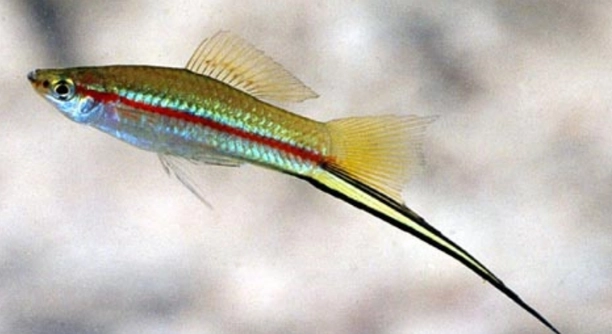
Swordtail fry are small and delicate creatures, and it’s natural to wonder if they can live safely with adult fish. Many aquarium owners seek to create a peaceful environment for all their fish, including fry.
Swordtail fry can live with adults, but careful consideration is necessary to ensure their survival. Adult swordtails may eat smaller fry if not provided with enough hiding spaces. The key to successful cohabitation is creating a balanced tank with plenty of cover.
By understanding the factors that influence their survival, you can set up the right environment for both fry and adults to thrive.
Swordtail Fry and Adult Compatibility
When it comes to swordtail fry, the key to successful cohabitation with adult swordtails is creating a safe and secure environment. Swordtail fry are small and vulnerable, which means adult fish may inadvertently harm them if they are not properly separated. In nature, swordtail fry often stay hidden among plants or in areas where the adults can’t reach. This instinct can be replicated in your aquarium. You can use plants, rocks, or decorations to create hiding spots where the fry can stay protected. The fry will need to grow to a certain size before they can defend themselves against adults.
To make it easier for both fry and adults to coexist, maintain a good balance of space. Overcrowding your aquarium can lead to stress and competition for resources. Consider adding more hiding places as fry grow larger to ensure they don’t become targets.
A proper filtration system can also help reduce stress for both fry and adults. Clean water is essential for a healthy environment where both can thrive.
Tank Setup for Fry and Adults
When setting up a tank for both adult and baby swordtails, it’s essential to ensure there is enough space for everyone. Providing hiding spots for fry allows them to feel secure.
The size and layout of the tank play a significant role in preventing problems. You will need to consider the number of adult swordtails and the number of fry you plan to keep in the aquarium. A tank that’s too small can create stress for both the fry and adults. Aim for a tank that allows at least 10 gallons of space for every 3 to 4 adult swordtails. The fry need space to grow and develop without constant fear of being eaten.
Adding a variety of live plants will not only give the fry a place to hide but also improve the overall health of the tank. Healthy plants help maintain water quality by absorbing excess nutrients. As the fry grow, the plants will provide additional cover, reducing the chances of adult swordtails noticing them.
Feeding Swordtail Fry with Adults
Feeding swordtail fry alongside adults can be tricky. Adult swordtails will often try to eat smaller fry, especially when food is introduced. To prevent this, use finely crushed flakes or baby fish food for the fry. Place the food in areas where the fry can easily access it, such as near plants or at the bottom of the tank.
As the fry grow, they can start eating larger pieces of food. You can gradually introduce them to slightly bigger pellets or flake food, depending on their size. Keep in mind that adults may still try to eat food meant for the fry, so ensure the fry are getting their share.
Feeding the fry separately or during off-peak hours can help them get the nutrition they need without competition from the adults. You could also use a breeding box or net to feed the fry in a more controlled environment, ensuring they have access to food without being harassed by adults.
Monitoring the Growth of Fry
As swordtail fry grow, they’ll begin to show more color and develop their fins. It’s important to monitor their growth to ensure they’re healthy and developing properly. Fry that aren’t growing at a normal rate could be experiencing stress from the adults or poor water conditions.
Regular water changes are necessary to maintain water quality. The healthier the water, the better the fry will grow. It’s also a good idea to check for any signs of illness, such as faded colors or abnormal swimming behavior. This could indicate stress or disease, which can quickly spread to the adults as well.
If the fry seem to be struggling to grow, consider adjusting the tank environment. More plants, additional hiding spots, or even a separate tank for the fry might be needed to ensure proper development and health. Keep a close eye on them to ensure they are thriving.
Potential Risks of Mixing Fry with Adults
Even with proper precautions, mixing swordtail fry with adults carries risks. Adult swordtails may accidentally harm or eat smaller fry, especially when they’re very young. Stress from constant hiding or competition for food can also stunt their growth.
Adding enough plants and decorations can reduce stress for the fry. However, without ample cover, they may feel vulnerable. In the early stages, they should be closely monitored, especially when introduced into a tank with adult fish. Ensuring they’re fed at different times or in separate areas can help prevent conflict.
Maintaining Water Quality
Maintaining high water quality is essential for the health of both fry and adult swordtails. Frequent water changes, proper filtration, and monitoring of water parameters are necessary for a thriving tank. Poor water quality can lead to disease, affecting fry more severely than adults.
Clean water helps reduce stress levels for both groups. Fry are especially sensitive to toxins, so keeping the water at the right temperature and pH is crucial. A good filtration system can help remove waste and debris, keeping the environment safe for both the fry and adults.
FAQ
Can adult swordtails eat fry?
Yes, adult swordtails can eat fry, especially when they are very small. Adult swordtails may mistake fry for food, particularly if the fry are not large enough to escape. This is why providing plenty of hiding spaces is crucial. As the fry grow, they become less of a target for adults. Using plants, rocks, and decorations will help shield them.
How can I protect my swordtail fry from adults?
Creating a tank environment with plenty of hiding places is key to protecting fry from adult swordtails. Adding dense plants, caves, or a breeding box can give the fry space to hide and avoid being eaten. It’s also helpful to feed fry in separate areas or at different times than the adults to reduce competition.
When can I introduce swordtail fry to adult swordtails?
Fry can be introduced to adults once they are large enough to avoid being eaten. Typically, this happens when they reach around 1 inch in length. At this size, the fry are less vulnerable to adult swordtails. It’s best to monitor the situation closely when introducing them to ensure no aggression occurs.
What should I feed swordtail fry?
Swordtail fry require very small, nutritious food to grow properly. Baby brine shrimp, crushed flakes, or specially formulated fry food are excellent choices. As the fry grow, you can gradually introduce slightly larger pieces of food. Ensuring the fry are getting enough nutrition is important for their development.
How often should I feed swordtail fry?
Swordtail fry should be fed multiple times a day, especially in the early stages of their life. Their small size means they have a high metabolism and need frequent meals. Feed small amounts of food throughout the day to ensure the fry can consume it before it deteriorates in the water. As they grow, you can reduce the feeding frequency.
Do swordtail fry need special water conditions?
Yes, swordtail fry are sensitive to water conditions. It’s important to maintain stable water temperature, pH, and hardness. Fry prefer warmer water, typically between 75°F and 80°F, and slightly alkaline water. Regular water changes are essential to keep the environment clean and reduce the risk of diseases.
Can swordtail fry survive in a tank with other fish?
Swordtail fry can survive with other species, but it depends on the tank mates. Some fish might see fry as food, especially if they are small or the other fish are aggressive. It’s best to introduce swordtail fry to a tank with peaceful fish that won’t target them. Monitoring the tank closely during the early days is important.
Should I separate swordtail fry from adults immediately?
Separating swordtail fry from adults isn’t always necessary, but it can be a good idea in the first few weeks. If you notice the adults showing interest in eating the fry or if the fry are getting stressed, consider separating them. This gives the fry a safer environment to grow in.
Can swordtail fry survive on their own without adults?
Swordtail fry can survive without adults if their environment is set up correctly. They need to be fed frequently and provided with places to hide from any potential predators. Fry are more vulnerable in a community tank, so it’s best to keep them in a tank with other small or peaceful fish or by themselves.
How can I tell if my swordtail fry are healthy?
Healthy swordtail fry should be active and swimming around the tank. Their colors will begin to develop as they grow, and they should be eating well. If the fry are pale, lethargic, or showing signs of disease like white spots, it could indicate poor water quality or illness. Keep an eye on their behavior and growth to ensure they’re healthy.
What’s the best tank size for swordtail fry?
The best tank size for swordtail fry depends on how many you have. A 10-gallon tank is usually sufficient for a small group of fry. As they grow, you can move them to a larger tank to provide more space. Overcrowding can lead to stress and health problems, so make sure the tank is large enough for them to grow properly.
Do swordtail fry need specific tank mates?
While swordtail fry can live with other peaceful species, it’s best to avoid aggressive fish or those that are large enough to eat the fry. Other livebearers, like guppies, can make good tank mates. Avoid putting the fry with fin-nipping or carnivorous species. Peaceful community fish are ideal.
Can I raise swordtail fry in a separate tank?
Raising swordtail fry in a separate tank can be a good idea, especially if you want to ensure their survival. A smaller tank dedicated to the fry can allow you to monitor their growth and feed them more easily. As they grow and become more capable of defending themselves, you can move them into a community tank.
Final Thoughts
Caring for swordtail fry requires attention and patience. While swordtail adults can coexist with fry, there are risks involved. Adult swordtails may see smaller fry as food, especially in a crowded tank. Providing plenty of hiding spaces, such as plants and decorations, can help protect the fry. Feeding the fry in separate areas or during different times also reduces the risk of competition with adults for food.
The fry’s growth and development are heavily influenced by the water conditions. Maintaining a clean and stable environment is crucial for their health. Regular water changes and monitoring of temperature and pH are essential. Fry are sensitive to poor water quality, and any changes in these conditions can lead to stress or disease. Keeping the water clean will also help ensure the adults stay healthy and less likely to cause harm to the fry.
While it is possible for fry and adults to coexist, a more controlled environment may be best for the fry’s safety. If you are concerned about the fry being eaten or stressed, consider using a breeding box or separating them into their own tank. This will give the fry a better chance to grow and thrive. As the fry grow older, they will become more capable of handling themselves around adults. By then, they’ll be strong enough to share the tank with the adults and other fish.

Hello,
If you enjoy the content that we create, please consider saying a "Thank You!" by leaving a tip.
Every little bit helps us continue crafting quality advice that supports the health, happiness, and well-being of pets around the world, for pets of all shapes, sizes, and species.
We really appreciate the kindness and support that you show us!