
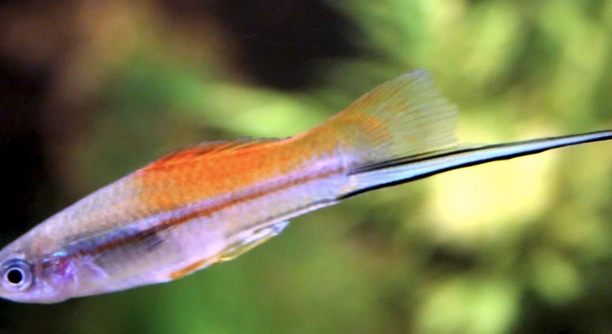
Swordtails are popular aquarium fish, known for their vibrant colors and active nature. One interesting aspect of their behavior is how they interact with their offspring, particularly whether they can recognize their fry.
Research indicates that swordtails do have the ability to recognize their fry. This ability is likely based on familiarity with the fry’s scent and appearance, which helps them distinguish their young from other fish.
This behavior plays an important role in the survival of their fry. Understanding how swordtails care for their young can help us appreciate their parenting habits and how they thrive in aquatic environments.
Swordtails’ Recognition Abilities
Swordtails are equipped with several sensory mechanisms to help them identify their fry. Research suggests they can recognize their young through visual cues, as well as scent markers. When swordtail fry are born, they resemble their parents but are smaller and more vulnerable. As time passes, their markings become more pronounced, making them easier to recognize. The parent fish rely on these visual markers to distinguish their fry from other fish in the aquarium. Additionally, scent plays a role in this recognition. Swordtails can detect chemical signals emitted by their fry, further reinforcing their ability to identify them.
While this behavior might seem instinctive, it can vary based on environmental factors. Swordtails in larger tanks with many other fish might struggle to recognize their fry, particularly if the conditions are stressful. Still, the ability to differentiate their offspring offers some protection and is crucial for ensuring their fry receive the necessary care and protection.
Fry recognition in swordtails is essential for their survival, as it prevents the adults from inadvertently eating their young. It also helps the fry to receive care from their parents, increasing their chances of survival.
Environmental Impact on Fry Recognition
In a controlled aquarium setting, swordtails can better recognize their fry. The size of the tank, the presence of other species, and the overall tank conditions influence how effectively the fish identify their offspring.
If the tank is overcrowded or there is a lot of movement, it may cause stress to both the parents and the fry. Stress can interfere with the swordtails’ ability to recognize their young. In such cases, the parents may be more likely to become confused and may not provide adequate care. For swordtails to recognize their fry, it’s important to maintain a balanced and calm environment. Clear water, appropriate hiding places for the fry, and the right number of fish are key factors to consider. These conditions not only promote the health of the fry but also ensure that the parents are able to recognize and care for them properly.
Swordtails’ Parental Care
Swordtails display a form of parental care that is relatively rare among fish. After birth, the fry instinctively scatter to avoid predators. The parents may monitor their young and defend them if needed. This protective behavior is crucial for ensuring the fry grow strong enough to survive in a crowded tank or in the wild.
The parents’ recognition of their fry extends beyond protection. Swordtails may actively guide their young toward food sources, providing an opportunity for the fry to thrive and grow. This parental investment increases the fry’s chances of reaching maturity, as they are given time to develop in a safe environment.
However, not all swordtail parents show the same level of care. Some may show little interest in their offspring after birth. This can vary depending on individual temperament or the conditions of the tank. Nonetheless, parental care is a key factor in the fry’s survival, particularly in the early stages.
Fry Survival and Growth
The survival of swordtail fry heavily depends on how well they are recognized and protected by their parents. If the parents fail to identify their young or if the environmental conditions are too harsh, the fry’s chances of survival drop significantly. Swordtail fry are highly vulnerable to other fish in the tank, especially if they are not given enough space to hide.
Once the fry start growing, they can fend for themselves to some extent. However, they still benefit from their parents’ attention, especially in the first few weeks. The parents continue to monitor their young and guide them toward food sources, helping them develop the skills necessary for independence. This level of parental care can be especially important in aquariums where predators or other species might threaten the fry’s safety. With proper care and a safe environment, swordtail fry can thrive and grow into healthy adults.
Factors Affecting Fry Recognition
The ability of swordtails to recognize their fry can be influenced by several factors, including the size of the tank, the number of fish present, and the overall water quality. Stress from overcrowded conditions can make it harder for the parents to distinguish their young from others.
When swordtails are kept in smaller, more controlled environments, their fry recognition abilities are enhanced. The parents can better monitor the fry and provide protection. On the other hand, if the tank is too large or too chaotic, the fry may become lost in the crowd, making recognition difficult.
Fry Behavior and Development
Swordtail fry display unique behaviors that help them survive, such as staying close to cover and swimming in a protective group. As they grow, they begin to explore more actively. During this stage, recognition by their parents is crucial to their safety.
Though the fry are independent, they still rely on their parents’ attention. If the swordtails recognize their fry, they can offer guidance and protection. Fry recognition allows the parents to keep track of their young, ensuring they are safe and developing properly.
FAQ
Can swordtail parents recognize their fry after birth?
Yes, swordtail parents can recognize their fry. They do so through visual cues and scent markers. This helps them distinguish their offspring from other fish, providing protection and guidance. Fry recognition is crucial for their survival, as it prevents the parents from accidentally harming or neglecting them.
How long do swordtails take to recognize their fry?
Swordtails can recognize their fry almost immediately after birth. The fry’s visual and chemical signals help the parents identify them. Although the recognition happens quickly, the level of parental care may depend on the tank conditions and the number of fish present.
Do swordtail fry need parental care to survive?
While swordtail fry can survive without constant parental care, they are more likely to thrive with the protection and guidance of their parents. The fry benefit from the parents’ ability to help them find food and avoid danger in the tank. Without parental care, their chances of survival decrease.
How do swordtail parents protect their fry?
Swordtail parents protect their fry by staying close to them and watching for threats. They may chase away other fish that pose a risk. The parents also provide a safe environment for the fry to hide in, which is essential during their vulnerable early stages of life.
Can swordtail fry be raised without their parents?
Yes, swordtail fry can be raised without their parents, but it requires more care from the aquarium keeper. Without the parents’ protection, the fry are at risk of being eaten by other fish. It’s important to provide hiding spots and ensure the water quality is optimal for their growth.
What can affect a swordtail’s ability to recognize its fry?
The ability to recognize fry can be affected by stress, overcrowding, or poor water quality. Swordtails are more likely to recognize and care for their fry in a peaceful environment with enough space. Stress or difficult tank conditions may reduce their ability to distinguish their young from other fish.
Do swordtails eat their fry?
Swordtails may eat their fry if they don’t recognize them or if they are stressed. However, if the parents are able to identify their young, they typically protect them from harm. In cases where the parents are unable to care for them, other fish in the tank may pose a threat to the fry.
Why do some swordtails ignore their fry?
Some swordtails may ignore their fry due to stress, lack of space, or overcrowding in the tank. In stressful environments, swordtails may not display typical parental behaviors. Additionally, if there are many other fish or if the water quality is poor, the swordtails may be less likely to recognize or care for their fry.
Can swordtail fry be raised in a community tank?
Raising swordtail fry in a community tank can be challenging, especially if there are larger fish that may prey on them. To increase their chances of survival, it’s best to provide plenty of hiding spots and separate them from aggressive fish. Some fish, like larger cichlids, may eat the fry, so care must be taken when choosing tank mates.
How can I ensure my swordtail fry survive in a tank with other fish?
To ensure swordtail fry survive in a tank with other fish, provide plenty of hiding places, such as plants or decorations where the fry can seek shelter. You may also want to separate the fry into a breeding box or a smaller tank until they are large enough to fend for themselves. Ensuring the water quality is excellent and avoiding overly aggressive fish can also help.
What is the best tank size for swordtails and their fry?
A tank size of at least 20 gallons is recommended for swordtails and their fry. This gives enough space for both the adult fish and their offspring. Larger tanks provide more room for the fry to hide and grow without the constant threat of predation from the adults or other fish in the tank.
Final Thoughts
Swordtail fish show a unique form of care for their fry, which plays a crucial role in their survival. While they do not exhibit the same level of attachment as some other species, they are still capable of recognizing and protecting their young. This recognition helps ensure the fry grow strong enough to survive in the often challenging environment of a home aquarium. Swordtail parents are known to monitor their offspring closely, guiding them toward food sources and keeping them safe from potential dangers.
However, not all swordtails will display the same level of care. Some may be more attentive than others, and various factors can affect their ability to recognize and protect their fry. Stress, overcrowding, or poor water conditions can reduce their parental behaviors, making it harder for the fry to survive. In such cases, the fry may need extra help from the aquarium keeper, such as providing hiding spots and monitoring water quality to ensure they have the best chance to grow.
While swordtails do provide some level of care, raising their fry successfully often requires attention to the tank’s environment and careful monitoring. Fry are vulnerable and need protection from other fish, especially in community tanks. If you plan to breed swordtails, understanding their parenting behaviors and creating a suitable environment will be key to ensuring your fry thrive. With the right conditions, swordtail fry can grow into strong, healthy fish and continue the cycle of life in your aquarium.

Hello,
If you enjoy the content that we create, please consider saying a "Thank You!" by leaving a tip.
Every little bit helps us continue crafting quality advice that supports the health, happiness, and well-being of pets around the world, for pets of all shapes, sizes, and species.
We really appreciate the kindness and support that you show us!