
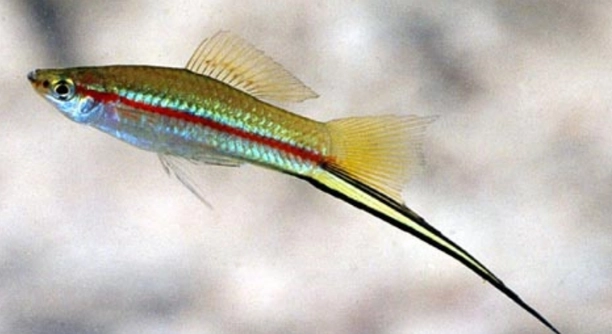
Swordtails are popular aquarium fish known for their bright colors and lively personalities. However, some owners notice white patches appearing on their swordtails’ bodies, which can be concerning. Understanding the causes behind these spots is essential for their care.
White patches on swordtails often result from a variety of factors, including poor water quality, stress, infections, or even nutritional deficiencies. Identifying the cause early is crucial to ensure their health and prevent further complications.
Taking action to address the root cause will help your swordtail maintain its health. By recognizing the signs and understanding the underlying issues, you can improve their environment and overall well-being.
Poor Water Quality
The water quality in your tank plays a huge role in your swordtail’s overall health. If the water is too acidic, too alkaline, or contains high levels of ammonia or nitrites, swordtails can develop white patches. Poor water quality stresses the fish, weakening their immune system and making them more susceptible to infections. Regular water changes and keeping an eye on water parameters like pH, ammonia, and nitrate levels are crucial for their well-being. If these levels are not kept in check, your swordtail may develop visible health problems, including these troubling white spots.
To avoid this, you should test your tank water frequently. Use reliable water testing kits to monitor the levels of ammonia, nitrates, and pH. Additionally, ensure your filtration system is working properly. If the water quality isn’t ideal, it might be time for a water change or filter upgrade. Swordtails thrive in a stable environment, and by maintaining proper water conditions, you can help prevent the appearance of white patches.
It’s essential to create a clean and stable environment for your swordtails. Ensuring optimal water conditions can help prevent potential issues before they start. Proper care can keep your swordtail looking healthy and vibrant.
Stress
Swordtails can be very sensitive to stress. Stress triggers various issues, including white patches on their skin. Stress can come from overcrowded tanks, aggressive tank mates, or sudden changes in their environment. These factors make swordtails feel unsafe, which impacts their immune system. If your swordtail is stressed for too long, it becomes more prone to skin conditions, including the formation of white patches.
To reduce stress, ensure your swordtail has enough space and is housed with compatible tank mates. Avoid sudden changes in temperature or water conditions, as these can also cause stress. Keeping the tank environment calm and peaceful is key to preventing stress-related health issues. It’s worth monitoring your fish’s behavior, as stressed fish often exhibit signs like hiding, darting, or being lethargic. Keeping a stress-free tank environment ensures your swordtail remains in optimal health.
A stress-free environment is vital for your swordtail’s well-being. By providing the right space, companions, and water conditions, you can protect them from the effects of stress.
Infections
White patches on swordtails can be a sign of a skin infection, often caused by bacteria or parasites. These infections can occur due to stress, poor water quality, or weakened immunity. If left untreated, the infection could spread and worsen, leading to other health issues.
If you notice white spots, it’s crucial to act quickly. Begin by isolating the affected swordtail to prevent the infection from spreading to other fish. Use a medicated treatment for skin infections, and make sure to maintain excellent water quality during this time. Keep the tank clean, and avoid overcrowding. If the fish doesn’t improve, consult with a veterinarian who specializes in fish.
Most skin infections can be treated successfully if caught early. By ensuring your swordtail is isolated and treated promptly, you’ll give it the best chance of recovery. Proper tank maintenance helps prevent future infections.
Nutritional Deficiencies
A lack of proper nutrition can lead to the development of white patches on swordtails. These fish require a balanced diet rich in vitamins and minerals, including vitamin C, which helps maintain healthy skin. If their diet is lacking, it can result in poor skin health and spots.
Ensure your swordtail is getting the right nutrients by feeding them high-quality, varied food. Offer a mix of flakes, pellets, and occasional live or frozen foods, like brine shrimp or bloodworms. A well-rounded diet will improve their immune system and reduce the risk of skin problems.
Incorporating more live foods can also improve your swordtail’s diet. A combination of different food types keeps their nutritional intake diverse and supports overall health. Healthy swordtails with proper nutrition are less likely to develop white patches.
Old Age
As swordtails age, their skin can naturally show signs of wear, including white patches. Older fish often have a weaker immune system, making them more susceptible to skin issues. These white patches may not always indicate a serious problem, but it’s still essential to monitor their health.
Older swordtails may also experience slower healing times, so any existing skin issues can take longer to improve. While age-related white patches are usually harmless, maintaining clean water and a balanced diet is crucial for their overall health. Ensure they are not stressed and are kept in optimal conditions.
With age, your swordtail’s skin may lose some of its vibrancy. Keeping them in a stable environment helps support their health through their later years.
Temperature Fluctuations
Sudden temperature changes can lead to stress and physical issues, including white patches on swordtails. When the water temperature fluctuates too much, swordtails become more susceptible to infections, which often appear as white spots. Consistency in tank temperature is key to preventing this.
To avoid temperature-related problems, invest in a reliable heater and thermometer. Ensure that the tank’s temperature stays within the ideal range for swordtails, which is between 72°F and 78°F. Avoid placing the tank in areas where the temperature can drastically change, such as near windows or vents.
By maintaining stable water temperatures, you can help protect your swordtail from stress and skin problems. A consistent environment promotes better health and well-being.
Poor Tank Maintenance
Regular tank maintenance is essential for preventing health problems in your swordtail. Dirty tanks lead to a build-up of harmful substances like ammonia and nitrites, which can cause skin issues, including white patches. A lack of cleaning puts additional stress on your fish.
Make it a habit to perform regular water changes, clean the substrate, and check filtration systems to ensure they are working correctly. Skipping maintenance increases the risk of poor water quality, which can negatively impact your swordtail’s health. A clean tank promotes a stress-free environment for your fish.
Maintaining a clean tank is one of the simplest ways to keep your swordtail healthy. Regular upkeep can help prevent many common skin problems, including the appearance of white patches.
FAQ
What are the most common causes of white patches on swordtails?
The most common causes of white patches on swordtails include poor water quality, stress, infections, nutritional deficiencies, and old age. Poor water conditions can weaken the fish’s immune system, leading to skin issues. Stress from overcrowding or incompatible tank mates can also trigger the appearance of white spots. Infections caused by bacteria or parasites often result in these patches as well. Swordtails with poor diets may also develop skin problems, including white patches. As swordtails age, their skin may show signs of wear, and the immune system weakens, making them more vulnerable to skin conditions.
How can I prevent white patches on my swordtail?
To prevent white patches on your swordtail, keep the water quality in your tank stable. Test the water regularly for ammonia, nitrites, and pH levels to ensure they are within the ideal range for swordtails. Avoid stress by ensuring the tank is not overcrowded and that the swordtails are not housed with aggressive fish. Provide a balanced, nutritious diet, and regularly clean the tank to prevent bacteria or parasites from spreading. If your swordtail is getting older, maintain optimal care to reduce the likelihood of age-related skin problems.
What should I do if my swordtail develops white patches?
If your swordtail develops white patches, first check the water quality. Perform a water change to improve conditions, and test the water parameters to make sure they are within the proper range. If the water quality is fine, isolate the affected fish to prevent any potential spread of an infection. Treat the fish with a medicated solution designed for skin infections or parasites. Keep an eye on their behavior—if the condition doesn’t improve after treatment, consult with a veterinarian or an aquarium specialist for further advice.
Can I use any over-the-counter medication to treat white patches on swordtails?
Yes, there are several over-the-counter medications available for treating skin infections, fungal diseases, and parasites in aquarium fish. These medications can be added directly to the tank or used in a separate quarantine tank for treatment. Always follow the instructions on the packaging for proper dosages, and remove any activated carbon from the filter before treatment, as it can absorb the medication. Some common treatments include copper-based medications, formalin, or antifungal treatments. However, it’s essential to know the exact cause of the white patches before selecting a medication.
Can I prevent white patches caused by aging?
Unfortunately, age-related white patches cannot always be prevented. As swordtails get older, their skin naturally becomes more fragile and prone to conditions like fading or developing spots. However, you can minimize age-related issues by maintaining a clean and stable tank environment, offering a high-quality diet, and avoiding stress. Regular water changes and monitoring the health of the fish can help slow down the aging process and ensure your swordtail stays as healthy as possible. Keeping older fish in ideal conditions helps reduce the risk of other health complications.
Are white patches on swordtails contagious to other fish?
It depends on the cause of the white patches. If the patches are caused by a skin infection or parasites, the condition can be contagious. In such cases, isolating the affected fish and treating it with appropriate medication is crucial to prevent the spread of the infection. However, if the patches are caused by non-contagious factors, such as stress or age, the white spots are not contagious. Always observe the other fish for any signs of illness to make sure the problem is not spreading.
What type of diet should I provide to avoid white patches on swordtails?
A well-balanced diet is essential to avoid white patches caused by nutritional deficiencies. Swordtails require a mix of high-quality flake food, pellets, and occasional live or frozen foods, such as brine shrimp, bloodworms, or daphnia. Ensure that the food contains vitamins and minerals, particularly vitamin C, which helps maintain healthy skin. You can also add plant matter to their diet, as swordtails are omnivores. A varied diet will ensure they get all the nutrients they need, boosting their immune system and helping them stay healthy.
Can temperature fluctuations cause white patches on swordtails?
Yes, sudden temperature fluctuations can cause stress in swordtails, making them more susceptible to skin problems, including white patches. Swordtails are sensitive to temperature changes, and if the water becomes too cold or too hot too quickly, their immune system weakens. This makes them more prone to infections that appear as white spots on the skin. To prevent temperature-related issues, maintain a stable tank temperature, ideally between 72°F and 78°F. Use a reliable aquarium heater and thermometer to keep the temperature consistent.
How often should I clean my swordtail’s tank to avoid white patches?
You should clean your swordtail’s tank at least once a week to maintain optimal water quality. Perform regular water changes, removing about 20-30% of the water every week. Clean the tank substrate, remove any uneaten food, and check the filter to ensure it’s working properly. By keeping the tank clean, you reduce the risk of harmful bacteria or parasites that could cause infections and lead to white patches. Regular maintenance also helps reduce stress, which is another factor in the development of skin problems.
Can swordtails with white patches still live a normal life?
It depends on the severity and cause of the white patches. If the patches are caused by mild stress or age-related factors, the swordtail may continue to live a normal life with proper care. However, if the white patches are the result of a skin infection or a parasitic issue, the fish may require treatment to recover fully. With prompt action, most swordtails can recover from infections and lead a healthy life. The key is early intervention and ensuring a clean, stable environment to promote healing.
What are the signs that my swordtail’s white patches are caused by a serious infection?
If the white patches on your swordtail are caused by a serious infection, you may notice additional signs, such as excessive lethargy, loss of appetite, or abnormal swimming behavior. Infected fish may also develop open sores or lesions, and the white patches could spread quickly. The skin may appear slimy or inflamed, and the fish may start to scratch against objects in the tank. If you notice these symptoms, it’s important to isolate the affected fish and start treatment immediately to prevent further spread and complications.
Final Thoughts
Swordtails are generally hardy fish, but like all aquarium species, they can develop health issues such as white patches on their skin. The appearance of these spots can often be traced to factors like poor water quality, stress, infections, or nutritional deficiencies. By maintaining a stable environment, offering a balanced diet, and keeping stress levels low, you can reduce the chances of your swordtail developing white patches. Regular water testing and maintenance are key to ensuring your fish stay healthy and free from skin problems.
While some causes of white patches are unavoidable, such as aging, others can be managed with proper care. If you notice white spots on your swordtail, it’s important to act quickly. Check the water quality, isolate the fish if necessary, and begin treatment based on the cause. Many skin infections and parasites can be treated effectively with over-the-counter medications. However, identifying the root cause is essential for choosing the right course of action. If the patches persist or worsen, consulting an aquarium professional or a veterinarian is always a good option.
Taking preventive measures can help keep your swordtail happy and healthy for a long time. Regular tank maintenance, water testing, and a balanced diet will reduce the risk of many common issues, including white patches. Understanding the possible causes and knowing how to address them can help you provide the best care for your swordtail. With the right environment and care, you can ensure your swordtail continues to thrive in its aquatic home.

Hello,
If you enjoy the content that we create, please consider saying a "Thank You!" by leaving a tip.
Every little bit helps us continue crafting quality advice that supports the health, happiness, and well-being of pets around the world, for pets of all shapes, sizes, and species.
We really appreciate the kindness and support that you show us!