
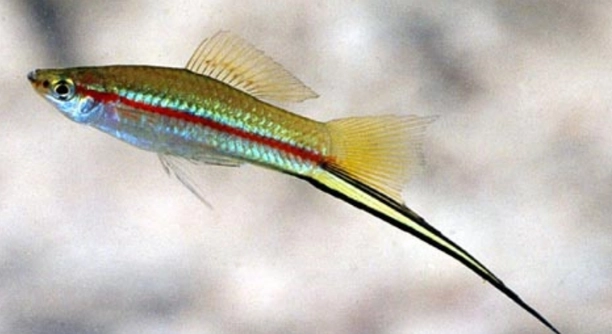
Are your swordtails starting to look rounder than usual, leaving you concerned about their health and well-being in the tank? Bloated fish can be a sign that something needs attention in their care routine.
The most common reasons swordtails appear bloated include overfeeding, internal parasites, or dropsy. These conditions affect their digestive system or internal organs, leading to noticeable swelling in the abdominal area.
Understanding what causes bloating will help you take the right steps and prevent future issues for your swordtails’ health.
Common Causes of Bloating in Swordtails
Bloating in swordtails is often related to diet, water quality, or internal health problems. Overfeeding is one of the most frequent causes. When fish eat too much or too quickly, it can lead to digestive trouble and swelling. In some cases, they may swallow air while eating at the surface, which adds to the bloated look. Another reason could be constipation, especially if they’re not getting enough fiber or variety in their food. Poor water conditions also play a role. Dirty water stresses fish and weakens their immune systems, making them more prone to infections or parasites. Some bloating is also linked to bacterial infections like dropsy, where fluid builds up inside the body. These situations can quickly worsen if not addressed. Watching for additional symptoms, such as clamped fins, lethargy, or pinecone-like scales, helps identify what’s really going on with your swordtails.
Keep an eye on your fish’s behavior and eating habits to catch early signs of bloating before it becomes serious.
Understanding each cause makes it easier to decide what steps to take and how to help your swordtails recover without delay.
How to Help a Bloated Swordtail
Start by isolating the bloated fish if possible, especially if it’s showing signs of illness or unusual behavior.
Begin with a diet adjustment. Stop feeding for 24–48 hours to allow the digestive system to reset. Then, reintroduce food slowly with blanched peas or high-fiber alternatives that can help relieve constipation. Check your feeding routine and consider offering smaller amounts twice a day rather than one large feeding. Next, assess your water parameters. Test for ammonia, nitrite, nitrate, and pH levels to ensure everything is balanced. Regular water changes are essential—about 25–30% weekly—to keep the tank clean and stable. If you suspect a bacterial infection or parasites, it’s best to use aquarium-safe medications. Dropsy can be hard to treat, but early use of antibacterial treatments may help. Quarantine helps prevent spreading any potential illness. Keep the water warm and reduce stress by turning off bright lights and avoiding sudden tank changes. A calm environment supports quicker healing.
Preventing Bloating in the Future
Feed your swordtails a balanced diet with variety and portion control. Avoid giving the same food every day, and rotate between flakes, pellets, frozen, and fresh options like blanched vegetables to support digestion and prevent constipation from developing.
Make feeding more manageable by offering small portions twice a day instead of one big feeding. This helps avoid overeating and reduces the risk of digestive issues. Soak dry food briefly before feeding to reduce air intake. Keep an eye on how much your fish actually eat and remove any uneaten food after five minutes. Overfeeding doesn’t just affect their health—it also impacts water quality. Combine good feeding habits with a reliable tank cleaning routine. Vacuum the gravel and perform partial water changes every week. Maintaining stable water parameters keeps stress low and immunity strong. When fish are healthy, they’re less likely to develop bloating or related problems over time.
In addition to diet, tank hygiene is critical. Uneaten food and waste quickly degrade water quality, so regular maintenance is key. Check your filter, clean it as needed, and avoid overcrowding your tank. A stable, clean setup creates the right environment for swordtails to thrive and stay healthy without bloating becoming a frequent issue.
When to Seek Help
If your swordtail remains bloated for more than a few days or starts showing symptoms like pinecone scales or difficulty swimming, it may be time to get professional advice. These signs could point to serious internal problems.
Bloating that doesn’t improve with basic care may require targeted treatment. Infections like dropsy or internal parasites often need medications you can’t find in regular pet stores. A vet specializing in fish can guide you on the right treatment plan or suggest appropriate antibiotics. If a vet isn’t available, reaching out to experienced aquarists or contacting aquarium product companies for advice on safe medications can also help. Be cautious when using treatments—always follow instructions closely. Isolating the affected fish during treatment is essential to avoid spreading illness. Early action and attention to small signs make a big difference in how well your fish recovers. The sooner you address serious bloating, the better the chances of helping your swordtail bounce back.
Signs That the Bloating Is Serious
If your swordtail’s belly is very swollen, and its scales are sticking out like a pinecone, this may be a sign of dropsy. This condition is often linked to organ failure or internal infections and needs fast attention.
Other serious signs include swimming sideways, resting at the bottom, or not eating. These behaviors can mean your fish is in distress and may require more than basic care. Quick action gives you the best chance to help your swordtail recover before the condition worsens.
What to Do If Multiple Fish Are Bloated
When more than one fish looks bloated, start by checking your water parameters immediately. Something in the environment could be affecting all of them. Test for ammonia, nitrite, nitrate, and pH. High levels of waste or poor water conditions can cause stress and digestive problems. Make a partial water change right away, and clean any leftover food or debris. Temporarily stop feeding for 24 hours, then switch to a lighter diet. Also, observe your fish closely for shared symptoms like clamped fins, strange swimming, or labored breathing. If needed, isolate the most affected ones and begin treatment based on what symptoms show up.
Can Bloating Be Caused by Stress?
Yes, stress weakens the immune system and can lead to bloating. Poor water quality, sudden temperature changes, and overcrowding all increase stress levels in swordtails. Keep their environment stable and calm to reduce the risk.
FAQ
Why is my swordtail bloated but still eating?
Bloating without loss of appetite can still be a sign of overfeeding or constipation. Swordtails often appear bloated if they’ve eaten too much, especially if their diet lacks variety or fiber. The fish might still be hungry, but their digestive system is struggling. It’s important to cut back on feeding and offer foods that are easier to digest, like blanched peas or high-quality pellets.
How can I prevent bloating in my swordtails?
To prevent bloating, avoid overfeeding. Offer small portions twice a day rather than a large feeding once a day. Incorporate a balanced diet that includes a mix of flakes, pellets, and frozen or fresh food like peas and daphnia. Ensure your tank’s water quality is ideal with regular maintenance—this includes weekly water changes and proper filtration. Healthy swordtails are less likely to develop bloating when their environment and diet are well-managed.
Can bloating cause death in swordtails?
Yes, severe bloating can lead to death if left untreated. The bloating could be caused by an underlying health issue like dropsy or an internal infection, which can cause organ failure. If bloating is severe and accompanied by signs like pinecone-like scales, lethargy, or difficulty swimming, it’s important to act quickly. Seek professional help to ensure the swordtail has a chance to recover.
Is it safe to use medications for bloating in swordtails?
Using medications can be effective, but they should only be used when necessary. Overuse of chemicals can stress the fish further. If your swordtail shows signs of dropsy, parasites, or other infections, an aquarium-safe medication might be necessary. Always follow the dosage instructions and consider quarantining affected fish while treating them. If you’re unsure, consult a professional or experienced aquarist before using treatments.
What is the best diet to avoid bloating in swordtails?
A varied and balanced diet is key to avoiding bloating. Offer high-quality flakes or pellets, supplemented with live or frozen foods like brine shrimp, daphnia, or bloodworms. Adding blanched vegetables, such as peas or spinach, can help prevent constipation. Avoid overfeeding, and make sure to remove any uneaten food from the tank to prevent water contamination.
Should I fast my swordtail if it’s bloated?
Yes, fasting your swordtail for 24–48 hours can give its digestive system time to reset. This break from food can help clear out any undigested food in its system, especially if constipation is the cause. After fasting, you can slowly reintroduce food, starting with easily digestible options like peas.
Can water quality affect bloating in swordtails?
Yes, poor water quality can cause stress and digestive issues in swordtails, which can lead to bloating. High levels of ammonia, nitrite, or nitrate, along with fluctuating pH levels, can weaken the fish’s immune system and make them more susceptible to infections or digestive problems. Regular water changes, filtration, and monitoring of tank parameters are essential for preventing bloating and other health issues.
What should I do if my swordtail has been bloated for several days?
If your swordtail remains bloated for more than a few days and you’ve already adjusted its diet, it’s important to check for other signs of illness. If the bloating is accompanied by pinecone-like scales, difficulty swimming, or lethargy, this could indicate dropsy or another serious infection. In such cases, isolation and treatment with antibiotics or anti-parasitic medications may be necessary. Consulting a vet or an experienced aquarist can also help guide your next steps.
Are swordtails prone to bloating?
Swordtails are generally hardy fish, but like many species, they can experience bloating due to poor diet, water quality, or stress. While they aren’t especially prone to bloating compared to other fish, maintaining a clean, stable tank and feeding them the right amount of food will reduce the likelihood of this problem.
Can I treat bloating without isolating my swordtail?
It’s possible to treat bloating without isolating your swordtail if the issue is mild, like minor constipation. However, if you suspect a more serious condition, such as dropsy or internal parasites, isolating the affected fish is recommended to prevent the spread of disease. Isolation also allows for easier monitoring and more focused treatment. If in doubt, it’s better to err on the side of caution.
What are the signs of a bacterial infection in swordtails?
Bacterial infections in swordtails can cause symptoms like bloating, red or swollen areas on the body, abnormal swimming behavior, and the appearance of lesions or ulcers. If the fish is lethargic or not eating, it’s important to check for these signs and consider using appropriate antibiotics or treatments for bacterial infections. If unsure, a vet visit is always a safe option.
How can I tell if my swordtail’s bloating is caused by parasites?
Parasites can cause bloating, especially if accompanied by other symptoms like rapid breathing, erratic swimming, or discoloration. A fish with internal parasites may also experience weight loss, despite eating normally. If you suspect parasites, isolating the fish and treating with anti-parasitic medications is recommended. A professional diagnosis can confirm whether parasites are the cause of the bloating.
Final Thoughts
Bloating in swordtails is a common issue that can often be traced back to diet, water quality, or stress. If you notice your fish becoming bloated, it’s important to address the underlying cause as soon as possible. Overfeeding and poor water conditions are the main culprits, but diseases like dropsy or parasites can also cause bloating. The good news is that in most cases, with the right care, bloating can be treated and prevented.
To prevent bloating, always make sure your swordtails are getting the proper amount of food. Feeding smaller portions more frequently is better than large meals. Additionally, a varied diet will help avoid constipation and digestive problems. You should also pay close attention to your tank’s water quality. Testing for ammonia, nitrite, and nitrate levels regularly can help ensure your fish are living in a healthy environment. Good water quality is key to keeping your fish stress-free and less susceptible to illness.
If your swordtail is showing signs of severe bloating, such as pinecone-like scales or trouble swimming, immediate action is necessary. This could indicate a more serious health issue, like dropsy or a bacterial infection. In these cases, isolating the fish and providing treatment is crucial. Don’t hesitate to consult an experienced aquarist or vet if you’re unsure how to proceed. With proper care and attention, swordtails can live healthy, happy lives, and bloating can be minimized or avoided altogether.

Hello,
If you enjoy the content that we create, please consider saying a "Thank You!" by leaving a tip.
Every little bit helps us continue crafting quality advice that supports the health, happiness, and well-being of pets around the world, for pets of all shapes, sizes, and species.
We really appreciate the kindness and support that you show us!