
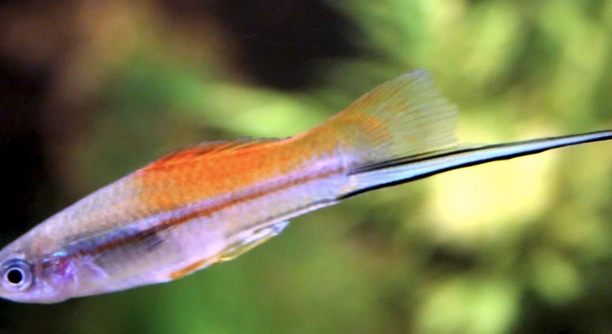
Have you ever set up a tank for your swordtails and felt unsure about which type of substrate will keep them happy? Choosing the right base for their environment can make a big difference in their behavior.
Swordtails generally prefer a sandy substrate over a rocky one. A soft, sandy bottom allows them to forage and move comfortably, mimicking their natural habitat. Rocky substrates can sometimes lead to stress or minor injuries if not carefully arranged.
Understanding their natural preferences can help you create a more comfortable and enriching space for your swordtails to thrive.
Why Sandy Substrate Works Well for Swordtails
Sandy substrate closely resembles the riverbeds and streams where swordtails originate. In a home aquarium, this soft and fine material gives them a natural space to explore and sift through. Swordtails are active fish that occasionally dig or graze along the tank bottom. With sand, they can do this comfortably without damaging their fins or bellies. Sand also prevents leftover food from getting stuck in deep crevices, making the tank easier to clean. Another benefit is that sand doesn’t shift as much when fish swim near it, which helps maintain a stable environment. Plants rooted in sand also tend to grow well, giving your tank a balanced look. When swordtails feel comfortable in their surroundings, they display better color, swim more freely, and interact with each other in a calm, natural way. Sand helps create a peaceful space for them to thrive day to day.
A sandy base provides comfort, reduces injuries, and creates a cleaner, more stable tank for swordtails to live in.
Choosing fine sand with smooth texture helps your swordtails stay active and stress-free. Avoid coarse or sharp-edged sand that may harm their fins. Always rinse sand well before adding it to your aquarium.
Why Rocky Substrate May Be Less Ideal
Rocks can trap waste and uneaten food, which may affect water quality over time.
While rocky substrates can offer a natural look and give some structure to a tank, they come with a few drawbacks when keeping swordtails. These fish aren’t bottom dwellers like catfish, but they do interact with the tank floor occasionally. Sharp or rough-edged rocks can scrape their fins or delicate underbellies. Larger stones can also make cleaning more difficult, especially if food or debris gets stuck between them. Swordtails prefer open swimming space, and cluttered rocks may interrupt their movement. Some aquarium owners mix smooth pebbles with sand for visual interest, but it’s important to make sure these additions don’t interfere with your swordtails’ comfort. If you do choose to add rocks, keep them smooth and place them securely to prevent shifting. Always consider how each item you add may affect your fish’s behavior, stress levels, and ease of movement.
How Substrate Affects Tank Maintenance
Sandy substrate is easier to clean if you stay on top of it. Since waste and food sit on the surface instead of falling in between gaps, it only takes a light vacuuming to keep things tidy each week.
Rocks tend to trap waste deep between the cracks, making routine cleaning more of a chore. You’ll need to use a siphon carefully and spend extra time reaching tight spots. Waste build-up in those gaps can lead to water quality issues and algae. On the other hand, sand allows you to quickly remove debris without stirring up too much of the substrate. It’s also easier to notice when an area needs attention. While sand may compact slightly over time, regular light stirring can keep it from forming pockets. If you’re someone who values quick, efficient cleaning, sand is generally the better choice for maintaining a healthy swordtail tank.
Having a clean tank means more than just clear water—it supports your swordtails’ long-term health. Sandy substrates make this easier because they don’t hide debris the way rocks do. Fish waste, leftover food, and plant material stay visible, so nothing sits and decays without you noticing. You can see when it’s time to clean, which helps you stay consistent. With rocks, maintenance becomes a bit more time-consuming and less predictable. Unless you’re committed to lifting and shifting rocks regularly, waste will collect and potentially affect water quality. And if you keep live plants, it’s easier to root them in sand than to wedge them between rocks. Sand keeps things simple, and when you’re managing a busy tank, that ease can really matter.
Substrate and Swordtail Behavior
Swordtails are naturally curious and active. A soft, sandy bottom gives them room to explore, forage, and swim without restriction. It supports their daily habits and encourages more natural behavior in a peaceful, low-stress environment.
Rocks can sometimes interrupt their movement or cause them to act more cautiously. Swordtails do best in environments where they feel secure, and that includes the base of the tank. When the bottom feels sharp or crowded, they may spend less time exploring or grazing along the floor. With sand, they move freely and comfortably, often swimming close to the substrate without hesitation. This helps reduce stress and can even support healthier interactions between tankmates. If the substrate feels safe, swordtails may become more active and show off their best colors. In contrast, rocky tanks may limit these behaviors and cause the fish to spend more time mid-tank or hiding around decorations.
Substrate and Live Plants
Sand works well for rooting most live plants, especially those with fine or delicate roots. It lets you anchor them easily without damaging the roots. Once settled, plants stay in place and grow steadily with minimal disruption.
Rocky substrate makes it harder to plant and keep things stable. Roots can get wedged awkwardly or remain exposed, affecting how well the plant grows. You might need to use extra weights or tools to help anchor them, which adds more effort to setup and maintenance.
Choosing the Right Substrate Mix
Some aquarists use a mix of fine sand and smooth pebbles for balance. This gives swordtails the soft feel they prefer while adding visual texture to the tank. If you go this route, make sure the rocks are not sharp or too large. Keep sand as the dominant layer, and place any pebbles in spots where the fish are less likely to graze. You’ll still get the clean, easy-to-maintain surface of sand while adding depth to your tank’s look. Always rinse both materials before adding them, and check regularly for signs of buildup or compacted spots in the sand layer.
Final Thoughts on Substrate Texture
Swordtails thrive in tanks with soft, clean surfaces. Sand supports their natural behavior and makes day-to-day care easier.
FAQ
Can swordtails hurt themselves on sharp rocks?
Yes, swordtails can injure themselves on sharp or jagged rocks. Their fins and bellies are especially vulnerable if they swim too close or brush against rough surfaces. Even small cuts or scrapes can lead to infections if not treated properly. If you use rocks in your tank, make sure they are smooth, rounded, and free of sharp edges. Rinse them thoroughly and feel each piece before placing it in the tank. Injuries may not be obvious at first, but over time, repeated contact with rough substrate can cause stress or slow damage. For safety, softer substrates are better.
Is it okay to use aquarium gravel instead of sand or rocks?
Aquarium gravel can work, but it depends on the size and texture. Fine, smooth gravel is better suited for swordtails than large, jagged pieces. The main issue with gravel is that it often traps food and waste between gaps, which means more cleaning. Gravel can also be tough for delicate plant roots and may shift around more than sand. That said, some people like the way gravel looks and use it successfully with swordtails, especially if paired with good filtration and regular vacuuming. If you choose gravel, opt for a type designed for freshwater fish, with no sharp edges.
How deep should the substrate be for swordtails?
A depth of about 1.5 to 2 inches is usually enough. This gives you room to plant live plants and provides a comfortable base for swordtails to explore. If you go too deep, sand can compact and develop anaerobic pockets, especially in low-flow areas. For gravel or rocks, a shallow layer is better to avoid trapping too much waste. Keep an eye on the surface to make sure it stays clean and undisturbed. If you notice your fish digging or if plants keep floating up, you may need to adjust the depth or pack the substrate more firmly.
Can swordtails dig or move substrate around?
Swordtails don’t dig like some fish, but they may occasionally nudge the substrate while foraging for food. In sandy tanks, this may leave small marks or shifts in the surface, but it’s usually not an issue. They’re not strong diggers like cichlids or loaches, so they won’t drastically reshape the tank. If you see them poking around in the sand or lightly disturbing it, it’s just part of their normal behavior. In tanks with gravel or rocks, they might try to sift through gaps for leftover food, but again, the movement is minimal and rarely a problem.
Does substrate color matter to swordtails?
Swordtails don’t care much about color, but lighter substrates can make them feel more exposed. If your tank has bright lighting and a pale bottom, your fish may stay lower in the tank or avoid open spaces. Darker sand or natural-toned gravel helps bring out their colors and gives them a sense of safety. It also helps hide debris between cleanings. Color choice is mostly about what looks good to you, but aim for something that doesn’t reflect too much light or create a stark contrast with the rest of your tank setup.
Can I switch substrate in an established tank?
You can, but it takes some care. Removing all the substrate at once can stir up waste and disrupt beneficial bacteria. If you’re switching from gravel to sand, try removing a small portion of the old substrate at a time while slowly adding the new one. This helps preserve the biological balance in your tank. Keep your filter running and do partial water changes to control any spike in ammonia or nitrites. Avoid stressing your swordtails—consider moving them to a temporary container if the swap takes more than a few hours. Go slowly and check parameters daily.
Do I need to stir the sand to prevent problems?
Yes, regular light stirring helps prevent anaerobic pockets from forming. These pockets trap gases that can be harmful if released suddenly. Use a stick or your fingers to gently turn the sand once a week or during water changes. Don’t stir the entire tank at once—just a small area each time. This keeps things balanced and allows beneficial bacteria to thrive without being disrupted too much. Swordtails may also help by moving around and disturbing the surface slightly as they forage. Still, a little help from you makes a big difference in keeping the sand clean and safe.
Will bottom feeders do better on sand or gravel?
Most bottom feeders, like corydoras or kuhli loaches, prefer sand. It’s gentle on their bellies and barbels, making it easier and safer for them to sift through while looking for food. Gravel can damage their sensitive parts and cause discomfort over time. If you keep swordtails with bottom feeders, a sandy substrate is the better option for both. It encourages natural foraging behavior and lowers the risk of injury. Plus, sand helps these fish find leftover food more easily, reducing waste in the tank. Just make sure to choose fine sand that won’t cloud the water when disturbed.
Final Thoughts
Choosing the right substrate for your swordtails is more important than it may seem at first. These fish may not dig deeply or burrow, but the material at the bottom of the tank still affects their comfort, safety, and behavior. Sand tends to offer a softer, more natural feel. It’s easy on their bodies and gives the tank a smooth, clean look. However, sand requires regular maintenance to prevent compacting and waste buildup. Rocky substrates, especially when sharp or uneven, can put your swordtails at risk of injury. These types of setups also make cleaning more difficult and may trap uneaten food and waste in small spaces.
Swordtails are not overly picky, but they do best in stable, clean conditions. Substrate plays a role in water quality, ease of cleaning, and how well your plants grow. Live plants can thrive better in sand or soft gravel, while rough rocks or large pebbles might not support root systems very well. If your goal is to keep your tank looking tidy and safe for your fish, a fine, smooth substrate is the better choice. Keep in mind that not all sands or gravels are the same—some are made for aquariums and are pre-washed or coated for fish safety. Always avoid materials that change the pH or hardness of the water unless you specifically need those changes.
Whether you’re starting a new tank or thinking about switching substrates, take time to consider the needs of both your fish and your overall setup. Think about your cleaning routine, your filter type, and whether you keep other fish that prefer soft bottoms, like bottom feeders. Swordtails can adjust to different substrates, but they’ll thrive best when the tank is safe, easy to maintain, and supports natural behavior. You don’t need to overcomplicate it. Stick with clean, fish-safe sand or fine gravel, keep the depth moderate, and clean it regularly. With the right setup, your swordtails will stay healthy, active, and colorful, giving you a peaceful and low-stress tank to enjoy. Making a thoughtful choice now can lead to fewer problems later, and it helps create a better space for your fish to live and grow.

Hello,
If you enjoy the content that we create, please consider saying a "Thank You!" by leaving a tip.
Every little bit helps us continue crafting quality advice that supports the health, happiness, and well-being of pets around the world, for pets of all shapes, sizes, and species.
We really appreciate the kindness and support that you show us!