
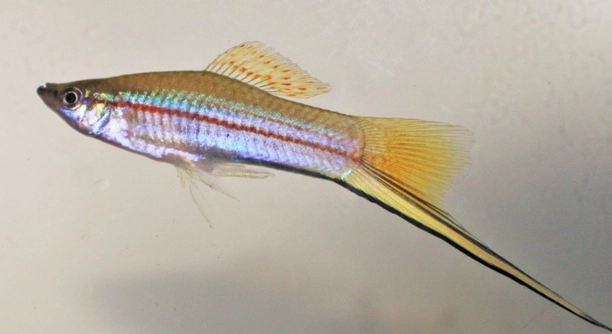
Swordtail fish are a popular choice for aquarium enthusiasts, known for their bright colors and active nature. However, if you’re new to caring for these fish, you may be curious about their babies and how they look as they grow.
Swordtail babies, or fry, are very small and typically transparent when they are born. They are often a light color, gradually developing more color as they mature. Their bodies are slender, with tiny fins and tails.
As swordtail fry grow, they begin to show more distinctive features, such as hints of their parents’ colors. Understanding their development can help you care for them better as they grow into beautiful adult fish.
What Do Swordtail Fry Look Like at Birth?
When swordtail fry are born, they are incredibly small, measuring only about 1/4 inch in length. They are initially transparent, which can make them hard to spot in the aquarium. Their bodies are slender, and their fins are barely visible. The fry’s most noticeable feature is their lack of color at birth, which will develop as they grow. At this stage, they mainly rely on their instincts to find shelter and food. It’s important to provide a safe, peaceful environment for the fry as they are very vulnerable in the early days.
Swordtail fry don’t have their characteristic colors immediately after birth. Instead, they are translucent with tiny bodies, and it can take several days for any pigmentation to appear. They may also appear slightly yellowish or gray at first.
As they mature, the fry’s appearance changes. The once-transparent bodies begin to show faint orange, red, or yellow hues, depending on their parents’ colors. At around 1-2 weeks old, the fry start to develop more distinct features, such as small fins and tails. These early weeks are crucial, and the fry require ample space and protection to grow. They often hide in plants or decorations to avoid being eaten by adults.
How Do Swordtail Fry Develop?
As swordtail fry grow, their size and features become more pronounced. Their fins and tails lengthen, and their colors start to brighten. This is a gradual process, with the fry becoming more like their parents in terms of color and shape.
The process of development is highly influenced by their environment. The more stable the water conditions, the healthier the fry will grow. Temperature, water quality, and the availability of food all play an important role in how quickly the fry develop. In optimal conditions, you can expect them to reach a length of about 1 inch within the first few weeks. At this stage, the fry will begin to resemble miniature versions of their parents. However, their colors may still be a bit dull compared to the adults. As they continue to grow, the fry will exhibit more vibrant and distinct colors, making them more recognizable as swordtails. They will also become more active and start exploring the tank more confidently. With proper care, swordtail fry will eventually reach adulthood, displaying the bright colors and characteristics of their species. The process is not always linear, and some fry may grow faster than others depending on their environment.
How To Care for Swordtail Fry
To care for swordtail fry, it’s important to provide a clean, safe environment. Make sure the water temperature is between 75-80°F and that the water is well-filtered but not too strong. Avoid overcrowding the tank, and include plenty of hiding spots like plants or decorations.
Feed the fry small amounts of food several times a day. Special fry food is a good option, but you can also offer crushed flake food or baby brine shrimp. It’s important not to overfeed as uneaten food can lead to water quality issues. Swordtail fry grow quickly, so you will need to adjust their food and care routine as they get bigger.
Keep an eye on the water quality by performing regular water changes, about 25% weekly. Poor water quality can cause the fry to become stressed, affecting their growth. If possible, separate them from adult fish to reduce the risk of predation. Swordtail fry are highly sensitive to changes in their environment, so consistency is key.
When Do Swordtail Fry Start Showing Color?
Swordtail fry begin to show color within 1-2 weeks of birth. Initially, their colors are very faint and can be difficult to distinguish. Over time, depending on their genetics, you’ll start seeing hints of the bright orange, yellow, or red colors typical of swordtails.
The development of color in swordtail fry is influenced by factors like their diet and the water conditions in the tank. Fry raised in healthier environments with adequate nutrition tend to show brighter, more distinct colors sooner. Some fry may even develop colors earlier than others, but the process usually becomes clearer by week three.
As the fry continue to grow, they begin to resemble miniature versions of adult swordtails, with more noticeable color patterns emerging. However, the full vibrant colors may take a bit longer to develop. Around 6-8 weeks, the fry will show a more complete range of colors similar to their parents.
Do Swordtail Fry Need Special Care?
Swordtail fry do require special care, especially in their early weeks. Ensuring they have a safe, stable environment is crucial for their growth. Make sure the tank is well-maintained with optimal water quality, and provide plenty of hiding places to protect them from potential stress or predation.
Fry need to be kept in a tank separate from adult swordtails to prevent them from being eaten. Smaller fry may be intimidated or bullied by larger fish, so providing a calm space is essential. Special care also includes feeding them tiny amounts of food multiple times a day to ensure healthy growth.
Common Issues with Swordtail Fry
One common issue with swordtail fry is stunted growth, often due to poor water quality or improper nutrition. Fry need clean, warm water and high-quality food to grow at a healthy rate. Another issue is aggression, as some fry may be bullied by others if space is limited.
Stress and poor conditions can also lead to deformities in the fry. These deformities may be genetic, but more often, they stem from environmental factors like fluctuating temperatures, low oxygen levels, or overcrowding. Keeping the fry in a stress-free environment and monitoring their health will help prevent these problems.
How Long Do Swordtail Fry Stay in the Nursery Tank?
Swordtail fry should remain in the nursery tank for 4-6 weeks. During this time, they are growing rapidly and becoming more independent. It’s important to monitor their development and gradually introduce them to the main tank once they are large enough to avoid being eaten.
FAQ
How long does it take for swordtail fry to grow?
Swordtail fry grow quickly under the right conditions. Typically, they can reach about 1 inch in length within the first two to three weeks. By 6-8 weeks, they will begin to resemble adult swordtails more closely, with their bodies developing more color and their fins becoming more defined. Full maturity can take around 4-6 months, depending on the environment and care.
Do swordtail fry need special food?
Yes, swordtail fry need special food to ensure they grow healthy and strong. They can start with finely crushed flake food or specialized fry food. As they grow, you can gradually introduce live food like baby brine shrimp or micro worms. It’s important to feed them small amounts multiple times a day.
Can swordtail fry live with other fish?
Swordtail fry are best kept in a separate nursery tank until they are large enough to avoid being eaten by other fish. When they are smaller, they are vulnerable to larger tankmates. Once they grow, they can be introduced to the main tank with other peaceful fish. Be mindful of fish that may be more aggressive.
What temperature is best for swordtail fry?
Swordtail fry thrive in warm water, ideally between 75°F and 80°F. Maintaining a stable temperature within this range will promote healthy growth and development. It’s also important to keep the water quality high and avoid drastic temperature fluctuations, as this can stress the fry and stunt their growth.
How do I prevent swordtail fry from being eaten by adults?
To protect swordtail fry from being eaten, separate them from adult swordtails in a separate nursery tank. You can also provide plenty of hiding places, such as plants, to give them cover. If you don’t have a separate tank, consider using a breeding box in the main tank to keep them safe.
What should I do if my swordtail fry aren’t growing?
If your swordtail fry aren’t growing as expected, check the water quality and temperature. Poor water conditions can stunt their growth. Make sure the water is filtered properly, and perform regular water changes to maintain cleanliness. Additionally, ensure they are getting the right food in the right amounts, as poor nutrition can also hinder growth.
How can I tell if my swordtail fry are male or female?
It’s difficult to tell the sex of swordtail fry until they are about 6-8 weeks old. At this stage, males will start to develop a sword-like extension on their tails, which is the defining feature of the male swordtail. Females will remain rounder and lack the sword. Until this point, the fry will look very similar.
Can swordtail fry be raised in a community tank?
While swordtail fry can eventually be raised in a community tank, it’s safer to keep them in a separate nursery tank until they are large enough. In a community tank with adult fish, the fry are at risk of being eaten or bullied. Once they reach an appropriate size (usually around 1 inch), they can be moved into the main tank with peaceful fish.
Do swordtail fry need a filter?
Yes, swordtail fry benefit from a gentle filter. However, the filter should not have a strong current, as this can stress the fry. A sponge filter is ideal for fry tanks because it provides filtration without pulling the small fry into the intake. It’s important to maintain good water quality, as poor conditions can lead to health issues for the fry.
Why are my swordtail fry swimming upside down or acting strangely?
Swordtail fry may swim upside down or display abnormal behavior if there are issues with water quality, such as high ammonia or nitrite levels. Stress, poor water conditions, or disease can also cause strange behavior. It’s essential to test the water parameters and make any necessary adjustments. If the issue persists, check for signs of illness and consult a vet or experienced aquarist.
When should I move my swordtail fry to the main tank?
Swordtail fry should be moved to the main tank when they are large enough to avoid being eaten and are actively swimming with confidence. Typically, this is around 6-8 weeks of age, but it can vary depending on their growth rate. Ensure the fry are healthy and well-developed before introducing them to the adult tank.
Can swordtail fry be raised with other species of fry?
Swordtail fry can be raised with other peaceful species of fry, as long as they are similar in size and temperament. However, it’s best to keep them in a separate tank initially, as some species may compete for food or bully the smaller fry. Always monitor the tank closely for any signs of aggression or stress.
How do I increase the chances of swordtail fry surviving?
To increase the survival rate of swordtail fry, provide a clean, warm environment with good water quality. Feed them small amounts of high-quality food and ensure they have enough hiding spaces to avoid stress. It’s also helpful to remove any adult fish that may pose a threat. Regular water changes and monitoring for any signs of disease are essential.
Can swordtail fry be raised with live plants?
Yes, live plants are great for swordtail fry. They provide hiding spots and a natural environment, reducing stress. Plants also help improve water quality by absorbing excess nutrients. Just make sure the plants are not too dense, as this could limit the fry’s swimming space and hinder their growth.
What is the best way to breed swordtail fish?
To breed swordtail fish, provide a well-maintained tank with a stable water temperature and good filtration. Female swordtails will give birth to live fry, so it’s important to have plenty of hiding places to protect the babies. Separate males and females after breeding if you do not want to control the breeding process.
Final Thoughts
Raising swordtail fry can be a rewarding experience, but it requires attention to detail and consistent care. When swordtail fry are born, they are tiny and vulnerable, so providing a safe and clean environment is essential. They rely on their surroundings to grow and develop, so maintaining the right water temperature, keeping the water clean, and feeding them the proper food will ensure healthy growth. While swordtail fry may not need much care compared to adult fish, their early weeks are crucial to their survival and growth.
One of the most important things to remember is that swordtail fry grow quickly, and their needs will change as they develop. When they are born, they are transparent and tiny, but soon they begin to develop their color and distinctive features. As they grow, their diet and environment must also evolve. Introducing a variety of foods like baby brine shrimp and high-quality fry food will help them thrive. Additionally, once the fry reach a certain size, they can be moved to a main tank with other peaceful fish, but they should always be monitored to ensure they are safe and healthy.
Caring for swordtail fry is a process that requires patience, but it’s very rewarding. Watching them grow from tiny, translucent fry to vibrant adult fish is an exciting part of aquarium keeping. As they develop their colors and characteristics, you’ll feel proud knowing you helped nurture them into healthy swordtails. With the right care, your swordtail fry will grow into strong, beautiful fish that will bring color and life to your aquarium for years to come.

Hello,
If you enjoy the content that we create, please consider saying a "Thank You!" by leaving a tip.
Every little bit helps us continue crafting quality advice that supports the health, happiness, and well-being of pets around the world, for pets of all shapes, sizes, and species.
We really appreciate the kindness and support that you show us!