
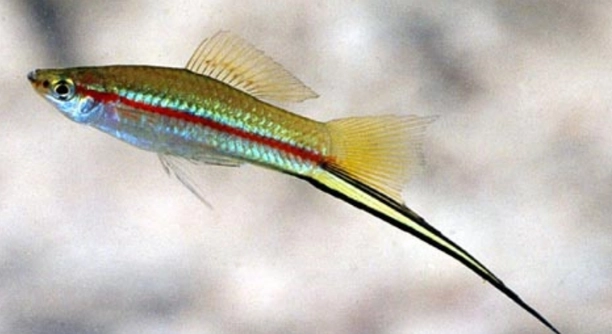
Swordtails are popular fish in home aquariums, known for their colorful tails and playful behavior. However, sometimes their actions, like chasing fry, can be confusing to fish owners. Understanding these behaviors is important for maintaining a peaceful tank.
Swordtail fish chase their fry primarily due to natural instincts, such as hunting or territorial behavior. In some cases, the adult swordtails may view the fry as prey, leading them to chase and potentially harm them.
Understanding the reasons behind this behavior can help you create a safer environment for your fry. By managing your tank setup and observing your swordtails’ behavior, you can find solutions to reduce these aggressive actions.
Why Do Swordtails Chase Fry?
Swordtail fish have natural instincts that drive their behavior. In the wild, adult swordtails will often chase smaller fish or fry as a way of hunting. This instinct to pursue prey is part of their survival mechanism, and in an aquarium, it can lead to unwanted aggression toward the fry. It’s also possible that they are establishing their territory or asserting dominance in the tank. Swordtails may feel threatened by the presence of fry and act aggressively to protect their space. The adult swordtails’ pursuit might not be out of malice but simply part of their instincts.
In some cases, swordtails may also chase the fry because they view them as competition for food. If the fry are taking food that the adults are interested in, the adults might chase them off.
Making sure there’s enough food in the tank for both the fry and adults can help reduce this kind of behavior. Using a separate feeding area or hiding spaces for fry can also help avoid stress and aggression.
How Can You Prevent Swordtails from Chasing Fry?
One way to stop swordtails from chasing fry is by setting up hiding spots for the smaller fish. A tank with plants, rocks, or decorations can create areas where fry can safely swim away from the adults. You can also introduce a separate breeding tank for the fry, allowing them to grow without being chased or harassed.
Keeping fry and adult swordtails in separate spaces, even temporarily, ensures the fry can grow in peace. This gives the fry time to mature before being introduced back into the main tank. When it’s time, introduce them slowly to minimize any territorial issues between the adults and the newly grown fry. This process helps prevent conflict and ensures the fry are safe as they grow.
Are Swordtails Aggressive Toward Fry?
Swordtails can sometimes show aggression toward fry, particularly when they feel their territory is being threatened. While they aren’t inherently aggressive, their natural instincts can kick in, especially if the fry are competing for food or space. This aggression might be more noticeable if the fry are too close to the adult fish.
It’s important to note that this behavior isn’t always harmful, but it can stress the fry. Aggressive swordtails may chase the fry, nibbling or pushing them away. In some cases, the fry may be eaten, especially if they are small enough to be considered prey by the adult fish.
By creating separate spaces in the tank or offering enough food and hiding spots, the swordtails’ aggressive behavior can be minimized. Keeping fry in a breeding box or separate tank during their early growth stages can protect them from potential harm caused by adult swordtails.
How Can You Tell If Your Swordtails Are Chasing Fry?
One clear sign that swordtails are chasing fry is if you see the adult fish constantly swimming after the fry. It can also appear that they are herding the fry into corners or corners of the tank. Swordtails may become visibly agitated, swimming quickly after the fry, often causing the smaller fish to scatter.
This behavior is often more noticeable when the fry are still very young and small, as they tend to stay near the bottom or in hiding. When adults begin to approach, it’s usually because they are either curious or perceiving the fry as competition.
Observing closely can help identify if the chase is territorial or food-related. Swordtails might not always be chasing in a hostile way, but the behavior can lead to stress if not managed properly.
Can Swordtails Eat Fry?
Yes, swordtails can eat fry, especially when they are very small. Adult swordtails may view fry as a source of food if they are hungry or if they feel threatened by their presence. This natural predatory instinct can lead to the consumption of the young fish.
Fry are particularly vulnerable during their first few weeks of life. Their size makes them an easy target for adult swordtails, who might not distinguish them from other small prey. To prevent this, it’s best to separate the fry from the adults until they’re large enough to defend themselves.
Creating a Safe Environment for Fry
A safe environment for your fry can be achieved by providing hiding spaces like plants, rocks, or breeding boxes. These spaces give fry a place to escape adult swordtails and can reduce stress. It’s also essential to have enough food for both adults and fry.
Fry need a calm, secure place to grow. Keeping the fry in a separate, smaller tank with ample hiding spaces ensures they can mature without fear of being eaten. It’s also important to maintain proper water conditions to help them thrive in a stress-free environment.
The Role of Tank Size
Tank size plays a role in how swordtails interact with fry. A larger tank provides more space for adults to swim without feeling crowded, which reduces territorial aggression. It also gives fry the chance to swim and hide more easily. A small tank may encourage stress and conflict.
FAQ
Why do swordtails chase their fry?
Swordtails chase their fry mostly due to their natural instincts. In the wild, adult fish may chase smaller fish as a way of hunting. Even in an aquarium, swordtails might mistake the fry for prey, especially if they’re small and easy to catch. Another reason could be territorial behavior, as adults may see fry as a threat to their space. Lastly, if there isn’t enough food in the tank, swordtails might chase the fry to compete for resources.
Do swordtails eat their fry?
Yes, swordtails can eat their fry, particularly if the fry are small and vulnerable. Adult swordtails are opportunistic feeders, meaning they may not hesitate to snack on the fry, especially if they are hungry or stressed. To prevent this, it’s helpful to separate the fry from the adults during the early stages of their growth. Providing enough food for both the adults and fry will also reduce the chances of the adults turning to the fry as a food source.
How can I protect fry from swordtails?
To protect your fry from adult swordtails, consider using a breeding box or a separate tank. A breeding box is a small enclosure that fits inside the main tank, allowing fry to stay safe while still being close to the adults. This prevents the adults from chasing the fry and gives the fry a chance to grow without fear of being eaten. You can also provide plenty of hiding spots using plants, rocks, or decorations, which will give the fry places to retreat.
Can swordtails harm their fry?
Swordtails can harm their fry, especially if they are small or stressed. Adult swordtails may chase, nip at, or even eat the fry, depending on the situation. This behavior is more likely if the fry are unprotected or if there is competition for food. By ensuring that the fry have enough space and resources to thrive, you can minimize the risk of harm.
How long do swordtails chase fry?
Swordtails may chase fry until they are large enough to defend themselves or until they are moved to a safer area. The aggression typically decreases as the fry grow and become more capable of avoiding the adults. If fry are kept in a separate space or provided with enough hiding spots, they may be left alone once they are large enough to not be seen as prey.
Should I separate fry from adult swordtails?
It’s a good idea to separate fry from adult swordtails, at least during the early stages of their growth. This gives the fry a better chance to grow without being chased, stressed, or eaten. Once the fry are large enough to defend themselves, they can be reintroduced to the main tank. However, it’s important to monitor their interactions after reintroduction, as adults may still show territorial behavior.
What’s the best tank setup to keep swordtails and fry together?
A well-planted tank with plenty of hiding spots works best for keeping both swordtails and fry together. Plants, rocks, or tank decorations provide shelter for the fry while giving adult swordtails enough space to swim comfortably. A larger tank will reduce territorial behavior and offer more room for both the adults and fry. It’s also essential to maintain clean water and proper filtration to keep the tank environment healthy for all fish.
How can I ensure swordtails aren’t stressed in the tank?
Swordtails can become stressed if they feel crowded, threatened, or if there’s a lack of food. To reduce stress, provide enough space in the tank for the adults to swim comfortably. Ensure there are plenty of hiding spots, especially for fry, and feed your fish regularly to prevent competition. Avoid sudden changes in water conditions, temperature, or lighting, as these can stress your swordtails.
Do swordtails show aggression toward other fish?
Swordtails are generally peaceful fish but can become territorial if there isn’t enough space. They may show aggression toward other males or fish that intrude on their space. However, they are usually not aggressive toward other species unless they feel threatened or stressed. Providing plenty of space and hiding spots in the tank can help reduce aggression toward other fish.
How can I tell if swordtails are stressed?
Stressed swordtails might show signs such as hiding more than usual, a decrease in activity, or abnormal swimming behavior. They may also become more aggressive toward other tankmates or display signs of poor health, like faded colors or a lack of appetite. Monitoring water conditions and ensuring the tank is not overcrowded can help prevent stress.
Final Thoughts
Understanding why swordtails chase fry and how to manage it is important for keeping both adults and fry safe in your aquarium. Swordtails have natural instincts that sometimes lead them to chase smaller fish, especially fry. Whether it’s out of hunger, territorial behavior, or a need to establish dominance, it’s essential to know these actions are not usually personal. Instead, they are linked to survival instincts, even in the controlled environment of your tank. Recognizing these behaviors early can help prevent unnecessary harm to your fry.
The good news is that there are simple steps you can take to protect the fry and minimize any potential aggression. Adding plants, rocks, and hiding spots in your tank will give the fry places to escape from the adult swordtails. Breeding boxes or separate tanks are also a good option to ensure the fry can grow without being chased or harmed. By providing enough food and space for both adults and fry, you reduce the chances of competition and aggression. A larger tank, especially one with plenty of hiding spots, makes it easier for both swordtails and fry to coexist without issues.
Ultimately, it’s about creating a balanced and peaceful environment for all the fish in your tank. By understanding the natural behavior of swordtails and taking steps to protect your fry, you can enjoy watching them grow and thrive. The key is observation and taking quick action when needed, whether that means separating the fry or adjusting the tank environment. With the right care and attention, your swordtails and fry can live happily together, growing in a safe and healthy environment.

Hello,
If you enjoy the content that we create, please consider saying a "Thank You!" by leaving a tip.
Every little bit helps us continue crafting quality advice that supports the health, happiness, and well-being of pets around the world, for pets of all shapes, sizes, and species.
We really appreciate the kindness and support that you show us!