
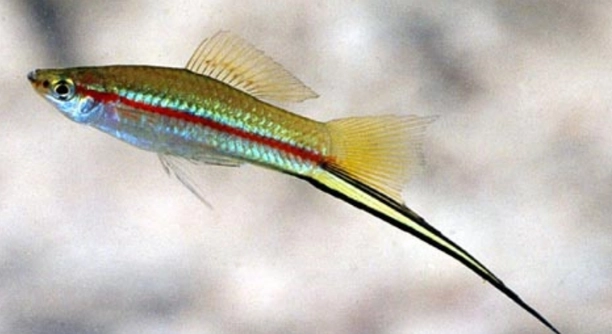
Overfeeding swordtail fish can lead to various health issues. It’s important to be aware of the signs that indicate your fish may be consuming more than necessary. This guide highlights these key symptoms to help you monitor your fish’s health effectively.
Overfeeding swordtail fish can cause digestive problems, stress, and water quality issues. Symptoms like bloating, lethargy, and rapid weight gain are indicators of overfeeding. Monitoring portion sizes and feeding schedules is crucial for maintaining the health of your fish.
Recognizing these signs early can prevent more serious health concerns and ensure your swordtail fish thrive in a balanced environment.
Signs of Overfeeding in Swordtail Fish
Overfeeding can quickly lead to health problems for swordtail fish. One of the first signs is bloating. When swordtails consume too much food, they may develop visible bloating in their abdomen. This swelling often results in slower movement and discomfort. If your fish is spending more time near the surface or hiding, it could be struggling with overconsumption. Additionally, overfeeding can stress their digestive system, making it harder for them to process food effectively.
Another issue that arises is poor water quality. Overfeeding contributes to an excess of uneaten food in the tank. As food decays, it releases harmful substances into the water, which can lead to unhealthy water conditions. This creates an environment where your swordtail fish may struggle to thrive. Keeping your aquarium clean and monitoring food intake is key to preventing this.
You may also notice your swordtail fish becoming lethargic. Excessive food can make them less active, as their bodies work harder to process the overload. This can result in a decrease in overall vitality, making it difficult for your fish to interact or swim normally.
How Overfeeding Affects Swordtail Fish Health
Overfeeding can also lead to issues with your swordtail’s long-term health. As they gain weight, they may become less agile and have difficulty swimming properly. This can reduce their ability to avoid predators or compete for food. Over time, if not addressed, this can lead to even more severe health issues, including heart problems or weakened immunity. Maintaining a balanced diet is essential to keeping your fish in good condition.
Ensuring your fish receive the right amount of food helps avoid these problems. A general rule is to feed your swordtail only as much as they can consume in a few minutes. If there is leftover food, it should be removed immediately. Regular water changes will also help manage any excess food or waste. The goal is to maintain a healthy balance between nutrition and water quality, which ultimately leads to a happier, healthier fish.
Physical Signs of Overfeeding
Overfed swordtail fish often exhibit visible signs like bloating and rapid weight gain. If you notice your fish’s abdomen swelling or them becoming sluggish, this may be due to excessive food intake. These physical changes can affect their overall behavior and movement, making them less active than usual.
Additionally, overfeeding can cause discomfort, leading to a decrease in swimming ability. Swordtail fish are typically active swimmers, but excess food can weigh them down, leading to lethargy. This physical fatigue makes them more vulnerable to stress and diseases, further impacting their health. Monitoring your fish’s condition closely is key to preventing these issues.
Maintaining proper feeding amounts is essential. Overfeeding not only causes physical discomfort but also puts stress on their internal organs. Swordtail fish rely on an appropriate balance to keep them healthy. Adjusting your feeding habits will help avoid these physical symptoms, ensuring they stay active and in good shape.
Impact on Water Quality
Excess food left in the tank after feeding is not only wasted but can degrade the water quality. As uneaten food breaks down, it releases harmful compounds that can lead to higher ammonia and nitrate levels. This imbalance can cause poor water conditions, impacting your swordtail’s health.
With poor water quality, your fish may begin to show signs of stress, such as faded colors or reduced activity. The water can also become cloudy, and harmful bacteria can multiply, causing diseases. Regular cleaning and monitoring of the water parameters are essential to avoid this. Overfeeding accelerates the decay process, so being mindful of how much food you give your swordtail can help maintain a cleaner environment.
Feeding your swordtail in controlled portions is a simple way to prevent food waste from affecting water quality. Clean up any leftovers and perform regular water changes to keep the tank environment safe and healthy. This proactive approach keeps the tank in optimal conditions for your fish’s well-being.
Effects on Swordtail Fish Behavior
Overfeeding can lead to noticeable changes in your swordtail fish’s behavior. They may become lethargic, spending more time resting at the bottom of the tank. This shift in activity is often caused by the discomfort from overeating, which affects their natural swimming patterns.
If your fish is consistently sluggish or reluctant to swim, it could be a sign they’ve been fed too much. Swordtails are usually quite active, so any significant drop in movement is a red flag. Overfeeding can cause discomfort that makes them less likely to engage in their usual playful activities, which is harmful in the long run.
Changing your feeding habits can restore their usual behavior. Reducing the amount of food and monitoring their response will allow you to notice any improvement in their energy and activity. With proper care, their natural behavior will return.
Long-Term Health Risks
Overfeeding swordtail fish can result in long-term health problems. Excess weight and poor water quality can lead to organ stress, affecting their overall health. Over time, this can lead to issues like internal infections or more serious complications that require professional intervention.
Keeping their diet balanced will prevent the build-up of health problems. Fish that consistently overeat may suffer from metabolic disorders or have weakened immune systems, making them more vulnerable to diseases. A regulated feeding schedule is crucial in preventing these long-term risks, ensuring your fish live a healthy life.
Maintaining a Healthy Feeding Routine
To keep your swordtail fish healthy, establish a feeding schedule that prevents overfeeding. Offering small amounts of food twice daily is a good practice. This helps ensure they get the necessary nutrients without overwhelming their digestive system.
By maintaining this routine, you can avoid many of the negative effects of overfeeding. Watching how much your swordtail eats at each session will give you a clearer picture of whether you’re meeting their dietary needs. Keeping a steady feeding schedule ensures that both your fish and their environment remain healthy.
FAQ
How can I tell if I’m overfeeding my swordtail fish?
Signs of overfeeding in swordtail fish include bloating, lethargy, and rapid weight gain. If your fish seems less active or is struggling to swim, it could be a result of consuming too much food. Additionally, uneaten food left in the tank will begin to decompose, leading to poor water quality. Monitoring your fish for these signs can help determine if you’re feeding them too much.
What is the proper feeding amount for swordtail fish?
Swordtail fish should be fed an amount they can consume in about two to three minutes. This ensures that they are eating enough without leaving excess food behind. You can start by offering small portions and gradually adjust based on how much they consume. It’s better to feed them smaller portions multiple times a day than one large feeding.
How often should I feed my swordtail fish?
Feed your swordtail fish twice a day, offering small portions each time. This feeding schedule ensures that they get the proper nutrition without overwhelming their digestive system. Swordtails are active fish and need regular meals to maintain their energy levels, but feeding them too frequently can cause problems like overfeeding.
Can overfeeding affect the water quality in my tank?
Yes, overfeeding will affect the water quality in your tank. When there is leftover food, it breaks down and releases harmful substances such as ammonia and nitrates into the water. This can lead to an increase in harmful bacteria, making it harder for your swordtail fish to thrive. Properly managing food portions will help maintain clean water.
How can I prevent overfeeding my swordtail fish?
To prevent overfeeding, make sure to only offer a small amount of food that your swordtail can finish in a few minutes. Observe your fish and remove any uneaten food after feeding. Using a feeding schedule and sticking to it will help ensure you don’t feed them too often or too much.
Is it okay to feed swordtail fish frozen or live food?
It’s perfectly fine to feed your swordtail fish frozen or live food, but it’s important to control the portion size. These types of food are rich in nutrients and can help enhance the fish’s diet, but they should still be given in moderation. Make sure the food is appropriately sized and does not overfill the fish’s stomach.
What happens if I consistently overfeed my swordtail fish?
If you consistently overfeed your swordtail fish, it can lead to various health problems. Excess food can cause bloating, digestive issues, and an increased risk of disease. Additionally, poor water quality can result in stress, which weakens your fish’s immune system and may lead to illness. Consistent overfeeding also puts unnecessary strain on their organs and overall health.
Can I use an automatic fish feeder to regulate their meals?
Yes, an automatic fish feeder can help regulate meal portions for your swordtail fish. These feeders allow you to control how much food is dispensed at each feeding and can help prevent overfeeding by ensuring your fish get only the right amount. However, you should still monitor the water quality and ensure that the fish are eating the right portions.
Should I adjust the amount of food if I have multiple swordtails in the tank?
If you have multiple swordtail fish in the same tank, you may need to adjust the amount of food slightly to ensure all the fish are fed properly. However, it’s essential not to overfeed, as extra food will still degrade the water quality. Monitor the fish to make sure they are all eating and adjust accordingly based on their behavior.
What are some signs that my swordtail fish is not eating enough?
If your swordtail fish are not eating enough, they may appear thin or have a lack of energy. You might also notice that they are hiding more often or have dull colors. If the fish seem to be losing weight, try adjusting the amount of food to ensure they are receiving the proper nutrients. However, if these symptoms persist, consider seeking advice from a fish expert or veterinarian.
Can swordtail fish survive on just flake food?
Flake food can be part of a swordtail’s diet, but it shouldn’t be the only food they get. Offering a variety of food types, such as frozen, live, or vegetable-based options, ensures your swordtail gets a balanced diet. A diverse diet provides essential nutrients and helps keep them healthy and active.
How can I make sure my swordtail fish are getting the right nutrients?
To ensure your swordtail fish are getting the right nutrients, provide a variety of foods, including high-quality flakes, pellets, and occasional treats like frozen or live foods. This variety helps meet their nutritional needs. Additionally, observe their condition and adjust their diet if they show signs of nutrient deficiencies, such as faded colors or poor growth.
Does overfeeding swordtail fish impact their breeding?
Yes, overfeeding can impact breeding in swordtail fish. Excess weight and poor health can reduce their reproductive success. When fish are overfed, they may not be in optimal condition for mating. Healthy swordtail fish need a balanced diet and clean water to breed successfully.
Final Thoughts
Overfeeding your swordtail fish can lead to a number of health and environmental issues. These fish, like most aquatic pets, depend on a balanced diet for their overall well-being. When fed too much, swordtails can become sluggish, and the excess food can harm both the fish and the tank’s ecosystem. Leftover food decays, which lowers water quality, leading to increased ammonia and nitrate levels. This can stress your fish and cause diseases. Maintaining a proper feeding routine and portion control is essential for their health.
By observing your swordtail fish closely, you can learn how much food is appropriate for each feeding. It’s important to remember that they should eat all their food within a few minutes. If any food remains, it should be removed promptly. Feeding twice a day, with small portions, helps maintain their health without overwhelming their system. Swordtails do best when given a mix of food types, including flakes, pellets, and the occasional live or frozen food. This variety provides the necessary nutrients for their growth and energy.
Establishing and sticking to a feeding schedule ensures that you meet your swordtail fish’s nutritional needs while avoiding overfeeding. Regularly monitor both your fish’s behavior and the water quality in the tank. Healthy fish are active, with vibrant colors and a good appetite. If you notice signs of overfeeding, such as sluggishness or unclean water, adjust the feeding habits immediately. With a little attention to detail, you can keep your swordtails happy, healthy, and thriving in their environment.

Hello,
If you enjoy the content that we create, please consider saying a "Thank You!" by leaving a tip.
Every little bit helps us continue crafting quality advice that supports the health, happiness, and well-being of pets around the world, for pets of all shapes, sizes, and species.
We really appreciate the kindness and support that you show us!