
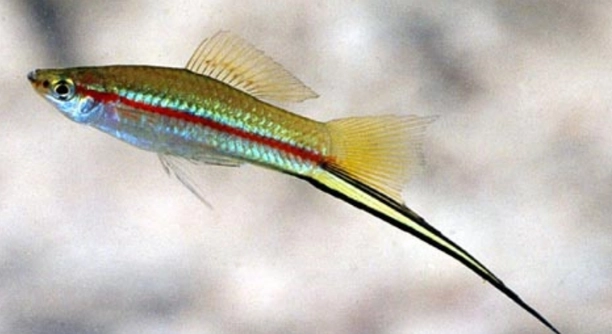
Swordtail fry can be fragile and require special care to thrive. Protecting them from dangers in their environment is crucial for their survival and healthy development. There are several ways to keep these tiny fish safe and secure.
To ensure swordtail fry remain safe, provide a secure tank environment with proper water conditions and protective spaces. Separate them from adult fish to prevent predation, and feed them appropriately while maintaining regular water changes for optimal health.
Understanding these steps will help ensure your swordtail fry grow into healthy fish in a safe and secure environment.
Provide Adequate Hiding Spots
When swordtail fry are young, they are particularly vulnerable to being eaten by adult fish or even other fry. It’s essential to provide plenty of hiding spots within the tank to give them a safe place to retreat. You can use plants, rocks, or aquarium decorations to create these safe spaces. A well-planted tank will also help reduce stress for the fry, offering them the opportunity to explore without fear.
Fry will often seek out secluded areas, so it’s vital to make sure the tank is designed with their safety in mind. By creating hiding places, you not only provide security but also reduce the chance of aggressive behavior among the fish.
Consider adding fine-leaved plants such as Java Moss, which can serve as both a hiding place and a food source for the fry. If you’re using aquarium decorations, choose ones that are fry-safe and have smooth edges to prevent injury. Creating a habitat with these elements will support their development.
Monitor Water Quality
The water quality in your tank plays a critical role in the health and safety of your swordtail fry. Proper filtration, regular water changes, and consistent monitoring of pH and temperature levels will keep your fry healthy and reduce the risk of disease.
Maintaining clean, well-oxygenated water helps prevent harmful toxins from building up. Additionally, swordtail fry are more sensitive to water fluctuations than adults, so ensuring stable conditions is key to their survival. Make it a routine to check water quality daily and adjust when needed.
Feed Fry Properly
Feeding swordtail fry the right amount and type of food is crucial for their growth and health. Young fry require small, finely crushed flakes or specially designed fry food. Overfeeding should be avoided, as it can lead to poor water quality.
In the early stages, baby brine shrimp or daphnia can be a great option. These live foods provide essential nutrients, ensuring healthy growth and development. Feed them small amounts several times a day, but make sure to remove any uneaten food after a few minutes to prevent it from decomposing and fouling the water.
As the fry grow, they can gradually start to consume larger foods, but always ensure that the food is suitable for their small mouths. Keeping their diet varied will help keep them healthy and active. This routine will help them transition into adulthood with minimal issues.
Maintain Stable Water Temperature
Maintaining a consistent water temperature is vital for swordtail fry. They thrive in warm water, typically between 75-80°F (24-27°C). Any significant fluctuations in temperature can stress the fry and hinder their growth.
Use an aquarium heater with a thermometer to ensure the water remains within this range. Avoid placing the tank near windows or vents that could cause temperature swings. It’s also important to check the temperature regularly, especially during colder months, to make sure it remains stable. Fry are especially sensitive to cold water, so even minor changes can cause health problems.
Keeping the water at a consistent temperature will not only help the fry grow but also prevent diseases that can arise from temperature stress. Fry are more susceptible to infections when exposed to rapid changes in their environment.
Separate Fry from Adult Fish
It’s crucial to separate swordtail fry from adult fish to prevent them from being eaten. Adult swordtails are often opportunistic and will readily consume smaller fish, including fry. A separate breeding tank or a fry-safe area in the main tank will ensure their safety.
Using a mesh breeder box or a small nursery tank can be an effective solution. These options allow fry to swim freely while keeping them safe from larger, more aggressive tank mates. Keeping the fry separated reduces the risk of predation and gives them the space they need to grow and develop properly.
Keep the Tank Clean
Maintaining a clean tank is essential for the health of your swordtail fry. Regular water changes and debris removal should be a part of your routine. Dirty water can lead to poor water quality, which can cause stress and illness in the fry.
A sponge filter is ideal for fry tanks because it provides filtration without sucking up the small fish. Clean the tank gently to avoid disturbing the fry. Check for uneaten food and remove it promptly to prevent it from decaying in the water. Keeping the tank clean will prevent harmful bacteria and parasites from spreading.
FAQ
How long do swordtail fry need to be kept separate from adult fish?
Swordtail fry should remain separated from adult fish for at least 4 to 6 weeks, or until they are large enough to avoid being eaten. During this time, they will grow and develop more rapidly without the threat of predation. It’s important to keep them in a safe, secluded area where they can feed and grow without stress. After a few weeks, you can begin introducing them to the adult fish, but always monitor interactions to ensure the fry remain safe.
What is the best food for swordtail fry?
The best food for swordtail fry is small, high-protein options like newly hatched brine shrimp, micro-worms, or finely crushed flakes. These small foods are easy for fry to eat and provide essential nutrients for their development. You should feed them small amounts several times a day to ensure they are getting enough nutrition without overfeeding. As the fry grow, you can gradually introduce larger food items, but be sure to maintain a balance to avoid water contamination.
Can swordtail fry eat adult fish food?
Swordtail fry should not be fed adult fish food, as it is too large for them to consume. Adult fish food, such as standard fish flakes or pellets, will not provide the appropriate nutrients for fry and can lead to poor growth. Fry need specially formulated food that is small enough for their tiny mouths. Opt for foods designed specifically for fry to ensure they receive the right nutrients for healthy growth.
What temperature should the water be for swordtail fry?
Swordtail fry thrive in water temperatures between 75-80°F (24-27°C). Maintaining a stable, warm temperature is essential for their growth and development. Temperatures outside of this range can stress the fry, leading to poor health or even death. Use an aquarium heater with a thermostat to keep the temperature consistent. Regularly check the water temperature to avoid any sudden fluctuations, which can negatively affect the fry.
How often should I clean the tank for swordtail fry?
You should clean the tank for swordtail fry at least once a week. Perform partial water changes, removing about 20-25% of the water each time. This will help maintain good water quality and remove any waste or uneaten food. Be sure to vacuum the substrate gently to avoid disturbing the fry. Cleaning the tank regularly prevents the buildup of toxins that could harm the fry. Always check the filter as well, ensuring it’s working properly without sucking up the fry.
Can I add decorations or plants to the fry tank?
Yes, adding decorations or plants to the fry tank is highly recommended. Plants provide hiding spots and reduce stress by creating a more natural environment for the fry. Java moss, hornwort, or other fine-leaved plants are great options. They also provide surfaces for the fry to graze on, which can help with their development. Make sure any decorations are smooth to prevent injury to the fry, and avoid using sharp objects or rough materials in the tank.
How do I know if my swordtail fry are healthy?
Healthy swordtail fry are active, swim confidently, and have a vibrant color. If the fry appear lethargic, have faded colors, or are floating at the surface, these could be signs of illness or poor water conditions. It’s important to keep an eye on their behavior and appearance. Fry that are struggling to swim or have visible signs of injury may need medical attention or a more stable environment. Regular monitoring of their behavior and the tank conditions will help you spot any potential health issues early.
How can I tell when my swordtail fry are ready to be introduced to adult fish?
Swordtail fry are typically ready to be introduced to adult fish once they are about 1 inch in length. At this stage, they are large enough to avoid being eaten and can more easily defend themselves. However, it’s important to monitor the interaction carefully when you first introduce them to the adults. If any aggression is displayed, it may be best to wait a little longer before adding the fry to the main tank. Ensure there is enough space and hiding spots for the fry to avoid conflict.
Should I use a sponge filter for the fry tank?
Yes, a sponge filter is ideal for a fry tank. Unlike regular filters that use suction to pull water through, sponge filters provide gentle filtration while maintaining water flow without posing a risk to small fry. The sponge is porous, allowing it to trap debris while ensuring that the fry remain safe from being sucked into the filter. Sponge filters also provide additional aeration, which is beneficial for the fry as they grow. Make sure the sponge is cleaned regularly to maintain optimal water quality.
Do swordtail fry need a lot of space?
While swordtail fry do not need an excessively large tank, they do need enough space to swim and grow. A 10-20 gallon tank is typically sufficient for a small batch of fry. Providing ample space helps reduce stress and allows the fry to explore and find food without feeling overcrowded. Overcrowding can lead to poor water quality and stunted growth, so it’s important to ensure that the fry have enough room to thrive.
What should I do if my swordtail fry are showing signs of illness?
If swordtail fry are showing signs of illness, such as lethargy, discoloration, or abnormal swimming behavior, it’s essential to act quickly. First, check the water quality to ensure it is within the appropriate parameters for the fry. If the water is clean and the temperature is stable, consider isolating the affected fry in a separate tank for observation. You may need to treat the tank with appropriate medications if a bacterial or parasitic infection is suspected. Ensure that the tank conditions are stable and clean to prevent the spread of illness to other fry.
How long does it take for swordtail fry to grow to adulthood?
Swordtail fry typically take about 6 months to reach adulthood, depending on the conditions in the tank. Factors such as water temperature, food availability, and tank space can all affect the growth rate. Warmer water temperatures and proper feeding can speed up their growth, while poor water quality and stress can slow it down. Monitor their development and ensure they have everything they need to grow at a healthy pace.
Final Thoughts
Caring for swordtail fry requires attention to detail and consistent effort. From maintaining water quality to providing the right food, every aspect of their environment influences their health and growth. Keeping the fry separate from adult fish is crucial, as it ensures they are safe from being eaten. It is also important to monitor water temperature and cleanliness regularly to avoid any issues that could affect their development. Providing a proper, clean environment where fry can thrive will help them grow into healthy adult swordtails.
Patience is key when raising swordtail fry. While it may take a few weeks for the fry to grow large enough to join adult fish, taking the time to care for them properly will result in stronger, healthier fish. Be mindful of their food intake and ensure that the tank is free of debris and waste. Proper feeding, along with a consistent routine for tank maintenance, will help foster a positive environment for your fry to grow in. Remember, providing a safe and stable environment is one of the most important aspects of raising fry.
In the long run, raising swordtail fry can be a rewarding experience. Watching them grow from tiny, vulnerable fish into adult swordtails is both satisfying and educational. By following the basic guidelines for their care, you can ensure their survival and success. It is also essential to understand that their needs may evolve as they grow, and you will need to adapt their environment accordingly. With consistent care and attention, your swordtail fry will grow into healthy, thriving fish.

Hello,
If you enjoy the content that we create, please consider saying a "Thank You!" by leaving a tip.
Every little bit helps us continue crafting quality advice that supports the health, happiness, and well-being of pets around the world, for pets of all shapes, sizes, and species.
We really appreciate the kindness and support that you show us!