
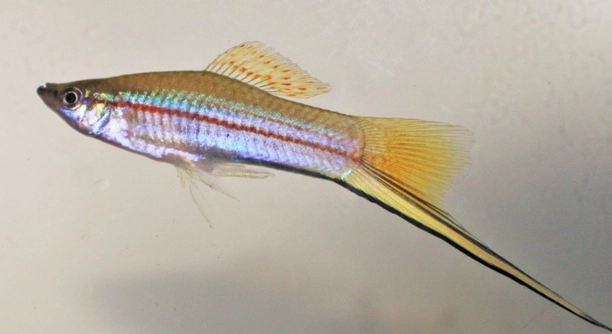
Swordtail fish are popular freshwater aquarium pets. These active and colorful fish are often admired for their striking appearance and lively nature. As you care for them, you may find yourself wondering if they need company in their tank.
Swordtail fish, being social animals, benefit from the company of other swordtails or peaceful species. While they can survive alone, keeping them with others encourages more natural behavior and reduces stress. A group setting promotes better health.
Maintaining a healthy environment for your swordtails involves understanding their social needs. Keeping them with compatible tank mates can lead to happier, more vibrant fish in your aquarium.
Do Swordtail Fish Enjoy Socializing?
Swordtail fish are naturally social creatures, and they thrive when they’re kept in groups. In the wild, they’re found swimming in schools, which is why a single swordtail in an aquarium might become stressed or lonely. Keeping them with a few others of their kind helps mimic their natural environment. The presence of other fish can also help them feel more secure, reducing anxiety. These fish are active swimmers and engage in playful interactions, so having company makes for a more dynamic and healthier tank environment.
Adding other peaceful species, like guppies, can also work. Swordtails are peaceful by nature, but it’s important to avoid overly aggressive tank mates that may cause stress or harm. A well-balanced community tank with compatible species ensures everyone gets along and your swordtails remain happy and active.
In short, swordtails do better with companions. They feel more at ease in groups and exhibit more natural behavior. When setting up a tank, ensure you have at least two or three swordtails for them to interact with. This way, they won’t feel isolated and will thrive in their aquatic home.
How Many Swordtail Fish Should Be Kept Together?
The general recommendation is to keep at least three swordtail fish together.
While they can survive with one or two, three or more swordtails make for a better experience. In smaller groups, swordtails may still show signs of stress or become overly territorial, especially if the tank is too small. A larger group allows them to spread out, reducing stress and the risk of conflict. When kept in groups, swordtails are more likely to display natural behaviors, like swimming together and interacting with each other in a more comfortable manner.
Maintaining a group also encourages the natural social hierarchy. Swordtails are often seen in schools in the wild, so mimicking this in your tank is key to ensuring they behave as they would in nature. It also reduces the risk of bullying. Since swordtails can be a bit territorial, having multiple fish helps distribute attention and space, making the tank less stressful for everyone.
Keeping at least three swordtails in a group is ideal. This will create a much more peaceful and natural environment for them. Larger groups are even better, as long as your tank size can accommodate them comfortably.
Can Swordtail Fish Live Alone?
While swordtail fish can survive alone, they are much happier when kept with others. A single swordtail may become stressed, particularly in smaller tanks. The lack of interaction with others of their kind can lead to a decline in their overall well-being.
Swordtail fish are social and active creatures. When kept alone, they might swim aimlessly or hide more often, as they feel unsafe or lonely. In a group, they exhibit more natural behaviors like schooling and interacting with one another. The presence of tank mates helps reduce stress and encourages a healthier, more active lifestyle.
If you only have one swordtail, consider adding a couple more. Even if your tank is small, having at least two or three swordtails can greatly improve their behavior and health. It’s crucial to remember that swordtails need social interaction, so a solitary life isn’t ideal for them in the long run.
The Right Tank Size for Swordtail Fish
Swordtail fish require a minimum tank size of 20 gallons. This ensures they have enough space to swim freely and interact with their companions. A larger tank will give them even more room to thrive and help maintain water quality.
When keeping swordtails in groups, space becomes essential. A tank that’s too small can result in overcrowding, which can increase stress and lead to aggression. A 20-gallon tank provides enough room for a few swordtails and other peaceful species, creating a balanced and harmonious environment. It also allows proper filtration and oxygenation, both of which are vital for fish health.
As your swordtails grow and reproduce, you may need to upgrade to a larger tank. Over time, you’ll want to monitor the fish and their behavior to ensure they have enough space to avoid stress and territorial disputes. Regular maintenance and water changes are essential to keeping the tank in top condition.
Can Swordtail Fish Live with Other Species?
Swordtail fish can live with other peaceful species. They are generally non-aggressive and can get along with fish like guppies, mollies, and tetras. However, it’s important to avoid aggressive species that could harm them.
When adding other species, make sure they share similar water and temperature requirements. Swordtails do best with fish that are calm and not overly territorial. Aggressive fish may stress out your swordtails or even bully them. Avoid keeping swordtails with fin-nippers or overly large fish that could outcompete them for space and food.
Best Tank Mates for Swordtail Fish
Some of the best tank mates for swordtails include peaceful species like neon tetras, Corydoras catfish, and platies. These fish are calm, like swordtails, and thrive in similar water conditions. Keeping these species together creates a balanced, stress-free tank environment.
When choosing tank mates, always ensure that the species are not too large or aggressive. Swordtails enjoy swimming actively and need plenty of space to do so. Compatible species help maintain harmony and prevent unnecessary conflicts. Choose species that won’t compete heavily for food or space, ensuring all fish are well cared for.
Are Swordtail Fish Compatible with Betta Fish?
Swordtails are not the best choice to keep with betta fish. Betta fish are territorial and can be aggressive, particularly toward fish with long, flowing fins like swordtails. This can lead to constant stress for both fish.
Betta fish may attack swordtails, especially males with longer fins. The betta may see the swordtail’s tail as a threat or competitor. While it is possible to keep them together in a very large tank with plenty of hiding spaces, it’s generally not recommended.
FAQ
Do swordtail fish need a heater in their tank?
Yes, swordtail fish require a heater in their tank. They are tropical fish and need a stable water temperature between 72°F and 79°F (22°C to 26°C) to thrive. A heater helps maintain this temperature, especially in colder environments. Without a heater, the water may become too cold, which can stress the fish and make them more vulnerable to illness. A consistent temperature promotes better health and natural behavior.
If you live in a cooler area, investing in a reliable aquarium heater is essential for keeping swordtails happy. Make sure the heater is appropriately sized for your tank to ensure the temperature remains stable. Regularly check the water temperature to prevent overheating or dropping too low.
How often should I feed swordtail fish?
Swordtail fish should be fed once or twice a day, depending on their age and tank conditions. Adults usually do well with one meal a day, but younger fish or those in breeding conditions may need more frequent feeding. Offering small amounts of food prevents overfeeding, which can lead to water quality issues.
Swordtails are omnivores and enjoy a variety of foods, including flakes, pellets, and frozen or live foods like brine shrimp or daphnia. Feeding them a balanced diet ensures they get the necessary nutrients for growth and health. Remove any uneaten food after about 5 minutes to maintain water cleanliness and avoid polluting the tank.
How can I tell if my swordtail fish are stressed?
Stressed swordtail fish may display several signs, such as erratic swimming, hiding more often, or losing their vibrant colors. They may also exhibit signs of aggression or avoid interaction with other fish. Stress can be caused by various factors, including poor water quality, inappropriate tank mates, or overcrowding.
If you notice your swordtails behaving unusually, check the water parameters first. Ensure the temperature, pH, and ammonia levels are within a safe range. Also, examine their tank environment to make sure they have enough space and are not being harassed by aggressive species. Reducing stress helps improve their overall well-being and lifespan.
How long do swordtail fish live?
Swordtail fish typically live for around 3 to 5 years, though some may live longer with proper care. Factors that affect their lifespan include water quality, tank mates, and diet. Maintaining good water conditions and a healthy environment will help your swordtail live to its full potential.
In some cases, swordtails can live even longer with minimal health problems. Regular water changes, feeding a balanced diet, and reducing stress contribute to their longevity. Make sure to monitor their health for signs of illness to address any issues early on and extend their life.
Can swordtail fish breed in a community tank?
Yes, swordtail fish can breed in a community tank. They are livebearers, meaning they give birth to live young instead of laying eggs. If you have both males and females, it’s likely that they will breed, even in a tank with other fish. However, breeding in a community tank can lead to overcrowding if not controlled.
To prevent overpopulation, you may need to separate the males and females or remove pregnant females to a breeding tank. Swordtail fish are prolific breeders, and without proper management, you could find yourself with an excess of baby fish. If you want to keep the population under control, consider adding only one gender or regularly rehoming the fry.
Do swordtail fish get along with other fish?
Swordtail fish are generally peaceful and get along well with most other non-aggressive species. They do best in a community tank with other peaceful fish like guppies, platies, and tetras. However, it’s important to avoid species that are overly aggressive, such as bettas or large cichlids, as they could harm or stress the swordtails.
While swordtails are calm by nature, males can be a little territorial with one another, especially if there are not enough hiding places. To ensure a peaceful environment, it’s best to have a mix of males and females, and provide plenty of plants or decorations to break up the tank and give them areas to retreat.
Do swordtail fish need light?
Yes, swordtail fish benefit from a light source in their tank, as it helps simulate a natural day-night cycle. They don’t need constant light, but a consistent 10-12 hours of light per day is ideal. Providing proper lighting helps regulate their internal clocks, encourages natural behaviors, and promotes plant growth if you have live plants in the tank.
However, be mindful not to leave the light on all day, as excessive lighting can cause algae growth and disturb the fish’s rest periods. A timer is a great way to ensure the lights stay on for an appropriate amount of time each day.
What should I do if my swordtail fish have fin rot?
Fin rot is a common condition in swordtail fish caused by poor water quality or bacterial infections. If you notice your swordtail’s fins are frayed, discolored, or showing signs of deterioration, it’s important to take action quickly. The first step is to test the water and perform a partial water change to improve the tank’s quality.
Next, remove any fish with visible signs of fin rot and place them in a quarantine tank if possible. Treat the infected fish with appropriate antibiotics or antifungal treatments. Continue to monitor the water parameters and keep the tank clean to prevent the infection from spreading.
Why are my swordtail fish losing color?
Swordtail fish may lose their color due to stress, poor water quality, or an imbalance in their diet. Stress factors like overcrowding, aggressive tank mates, or improper tank conditions can cause swordtails to lose their vibrant colors. Additionally, a poor diet lacking in necessary nutrients may also affect their appearance.
To restore their color, improve their environment by performing regular water changes, reducing stress, and providing a well-balanced diet. Ensure they have plenty of swimming space, compatible tank mates, and proper lighting. A healthy swordtail will return to its bright, colorful self once these factors are addressed.
Final Thoughts
Swordtail fish are social creatures that thrive in groups. While they can survive alone, they are much happier and healthier when kept with others. A group of swordtails encourages natural behaviors, reduces stress, and helps maintain a balanced environment. If you’re considering adding swordtails to your aquarium, it’s best to have at least three in the tank to promote a more comfortable and active atmosphere. They interact well with other peaceful species and can be part of a diverse community tank.
Maintaining swordtail fish involves providing them with the right care. They require proper tank size, a stable water temperature, and a clean environment. Ensuring they have space to swim and enough hiding spots will keep them happy. Swordtails are also easy to care for when it comes to feeding. They are omnivores, so you can offer a mix of flakes, pellets, and occasional live or frozen foods. Avoid overfeeding, as this can lead to poor water quality, which can negatively affect their health.
Lastly, it’s important to be aware of the challenges that come with swordtail fish, such as breeding and potential stress factors. They are livebearers and may breed quickly in community tanks, leading to overcrowding if not managed. Stress can also cause health issues, so ensuring your swordtails have compatible tank mates and a peaceful environment is crucial. With the right care, swordtail fish can live for several years and provide vibrant color and movement to your aquarium. By understanding their social needs and creating a proper habitat, you can enjoy watching your swordtails thrive in a well-maintained tank.

Hello,
If you enjoy the content that we create, please consider saying a "Thank You!" by leaving a tip.
Every little bit helps us continue crafting quality advice that supports the health, happiness, and well-being of pets around the world, for pets of all shapes, sizes, and species.
We really appreciate the kindness and support that you show us!