
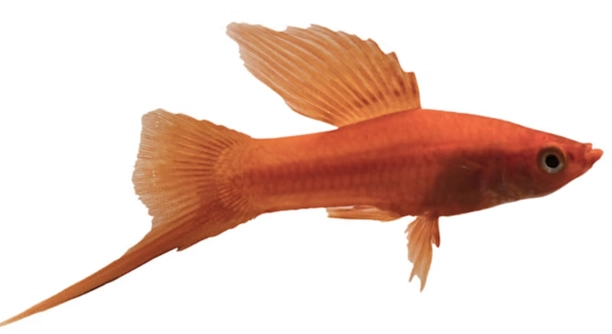
Swordtail fish are popular pets in many aquariums due to their vibrant colors and lively nature. However, they require proper care to thrive. Mistakes in tank setup or maintenance can lead to health problems or even death for your fish.
Swordtail fish are sensitive to their environment. Tank mistakes, such as improper water quality, overcrowding, or unsuitable tank mates, can quickly cause stress and disease. These factors contribute to a high risk of fatal health issues for your fish.
By learning how to avoid these common mistakes, you can provide a better environment for your swordtails. Proper care ensures your fish live long and healthy lives, with vibrant colors and active behavior.
Poor Water Quality Can Be Dangerous
Swordtail fish thrive in clean, stable water conditions. If the water is too dirty or the parameters are off, your fish can quickly become stressed and sick. Water quality affects everything from their growth to their immune system. It’s essential to monitor the pH, temperature, ammonia, nitrite, and nitrate levels regularly to keep your swordtails healthy. A sudden change in water conditions can cause shock, which may lead to death.
Maintaining proper filtration and performing regular water changes can help prevent water quality issues. It’s also important to avoid overfeeding, as uneaten food can degrade water quality quickly.
Regular testing kits are available to help you track your water parameters. When everything is in check, your swordtail fish will be much happier and healthier, and you’ll notice their vibrant colors. A little effort in water management goes a long way to ensuring their wellbeing.
Overcrowding Your Tank
An overcrowded tank puts stress on your swordtail fish. Too many fish in a small space can cause fighting and poor water quality.
When choosing the number of fish for your tank, aim for a well-balanced community where each swordtail has enough room to swim comfortably. Overcrowding leads to stress, which weakens your fish’s immune system, leaving them more vulnerable to illness.
Swordtails need a minimum of 10 gallons of water for every 3-4 fish, depending on their size. If you try to fit too many, the water will quickly become dirty, and the fish will have to compete for food and space. They can become aggressive toward each other, leading to injuries. The result is usually poor health or death. By sticking to appropriate stocking guidelines and not overfilling your tank, your swordtail fish can thrive.
Incorrect Tank Mates
Choosing the right tank mates is vital for swordtail fish. Some species are too aggressive or too delicate for swordtails to live alongside. Aggressive fish can stress out your swordtails, while fragile species might be bullied or outcompeted for food.
Make sure to research the behavior and temperament of potential tank mates before adding them to your aquarium. Swordtails do well with other peaceful community fish, such as guppies, platies, and mollies. However, avoid mixing them with fin-nippers or overly territorial fish.
When choosing tank mates, it’s best to pick species that have similar water temperature and pH requirements. If tank mates are too large, they might intimidate your swordtails, or if they are too small, they may get eaten. Swordtail fish can thrive with the right companions and a balanced ecosystem.
Temperature Fluctuations Are Harmful
Swordtail fish are sensitive to temperature changes. Rapid shifts in temperature can cause stress and even death. The ideal temperature for swordtails is between 72°F and 78°F. Going outside of this range, even for short periods, can be dangerous.
Sudden drops or rises in water temperature can lead to shock. For example, if the heater is malfunctioning or you perform a water change with water that’s too cold or too hot, your swordtails can experience distress. They may become lethargic or hide, signaling that something is wrong.
To avoid this, invest in a reliable aquarium heater and thermometer. Keep the temperature consistent and steady, especially during seasonal changes. By maintaining a stable environment, your swordtail fish will stay healthy and active, enjoying their time in the tank.
Inadequate Filtration System
A poor filtration system can harm your swordtail fish by allowing waste and debris to accumulate in the water. Without proper filtration, toxins like ammonia and nitrites build up, stressing the fish and causing health problems.
Filtration helps keep the water clean by removing organic waste, excess food, and harmful chemicals. A filter with the right capacity for your tank size is essential. Be sure to clean the filter regularly to maintain its effectiveness. A strong filtration system ensures your swordtails have a safe environment, free from pollutants that can lead to illness or death.
Sometimes, even with a filter, water can still get dirty if it’s not maintained. Regular water changes of about 20-30% every week can help keep things in balance. When you provide your swordtails with clean water, they will thrive and stay more active. Don’t overlook this crucial aspect of tank care.
Overfeeding Swordtails
Overfeeding is one of the most common mistakes that lead to poor tank conditions. Swordtails are not picky eaters, but when they’re given too much food, it can pollute the water. Leftover food decays, releasing harmful substances into the tank.
You should feed your swordtails small amounts of food that they can consume in 2-3 minutes. Once they finish, remove any uneaten food to prevent it from decomposing. Overfeeding also leads to obesity in fish, which can cause health problems like swimming difficulties and organ failure.
If you’re not sure how much to feed, it’s better to give less than to risk polluting the water. Monitoring their eating habits will help you understand their needs and keep your tank cleaner. Regular feeding schedules and portion control are key to avoiding overfeeding.
Incorrect Tank Size
Swordtails need ample space to swim and explore. Keeping them in a tank that is too small can lead to stress, poor water quality, and health issues. A larger tank offers more room for movement and stability.
A 10-gallon tank is the minimum for a small group of swordtails. However, if you have more fish or plan to add tank mates, a larger tank is essential. The more space you provide, the better your fish will feel, reducing the risk of aggression and stress-related health problems.
Choosing the right tank size helps maintain a healthier, happier environment. It also makes tank maintenance easier, as larger volumes of water are less likely to fluctuate quickly. Swordtails are active fish, and they deserve a space where they can swim freely.
Unstable pH Levels
Swordtails prefer slightly alkaline water, with a pH between 7.0 and 8.4. Fluctuating pH levels can stress your fish and cause health issues, leading to disease or death.
Constantly changing pH can confuse your swordtails, as they thrive in stable conditions. To prevent pH swings, regularly test your water and make adjustments as necessary. Adding buffers or adjusting the water’s hardness can help stabilize pH levels, ensuring your fish stay healthy and comfortable in their environment.
Poor Lighting Conditions
Lighting is important for your swordtail’s wellbeing. They need a consistent day-night cycle to regulate their biological rhythms. Poor lighting or overly bright lights can stress them out.
A timer for your tank light ensures that your swordtails have a reliable light schedule, mimicking natural conditions. A good balance of light also encourages plant growth, which improves water quality and provides hiding spots for your fish.
FAQ
How do I know if my swordtail fish is sick?
If your swordtail is sick, it may exhibit several signs. Common symptoms include lethargy, loss of appetite, abnormal swimming patterns, or faded colors. Additionally, you might notice external signs such as clamped fins, visible lesions, or swelling. These symptoms suggest stress, illness, or poor water quality. Keep an eye on your fish’s behavior and appearance, and act quickly if you notice anything unusual. Testing your water quality and ensuring your tank setup is correct can help prevent many health issues.
What temperature should my swordtail tank be?
Swordtails prefer water temperatures between 72°F and 78°F (22°C and 26°C). Maintaining a steady temperature is key to keeping your fish healthy. Using a reliable aquarium heater and thermometer is the best way to ensure your tank stays within this range. Temperatures that are too high or low can cause stress and affect your fish’s immune system, making them more susceptible to illness.
Can swordtails live with other fish?
Yes, swordtails can live with other peaceful community fish. They do well with species such as guppies, mollies, and platies. However, avoid keeping them with aggressive or fin-nipping fish, as these can stress or harm your swordtails. When adding new fish to your tank, make sure they have similar water requirements and temperaments.
How often should I change the water in my swordtail tank?
You should perform a water change about once a week, replacing 20-30% of the tank’s water. Regular water changes help remove toxins, waste, and excess nutrients, which contribute to poor water quality. Always use a water conditioner to treat tap water and ensure the new water matches the temperature and pH of the tank.
What should I feed my swordtail fish?
Swordtails are omnivores and will eat a variety of foods. Offer them a balanced diet that includes high-quality flake food, frozen or live foods like brine shrimp, and some plant matter like algae or spinach. Feed them small portions that they can consume within 2-3 minutes, once or twice a day. Overfeeding can quickly lead to water quality issues.
How many swordtails can I keep in my tank?
The general rule of thumb is to allow 1 inch of fish per gallon of water. Swordtails grow to about 4-5 inches in length, so in a 10-gallon tank, you can comfortably keep around 2-3 swordtails. If you plan to have more fish or larger tank mates, you’ll need a larger tank to avoid overcrowding.
Why are my swordtail fish fighting?
Swordtails are generally peaceful, but they can become aggressive in overcrowded tanks or if there are territorial fish present. Males may also become territorial and compete for females. Providing enough space, hiding spots, and a balanced male-to-female ratio (preferably more females than males) can help reduce aggression and stress.
How do I breed swordtails?
Breeding swordtails is relatively easy. They are livebearers, meaning they give birth to live young instead of laying eggs. To breed them, simply place a male and female in a separate breeding tank with plants for cover. The female will give birth to 20-100 babies every 3-4 weeks. After birth, separate the babies from the adults to prevent them from being eaten. Be sure to feed the fry small foods like baby brine shrimp or powdered flake food.
How can I prevent diseases in my swordtail tank?
Maintaining good water quality and a stable tank environment is the best way to prevent diseases. Regular water changes, proper filtration, and avoiding overcrowding all contribute to a healthy tank. It’s also important to quarantine new fish before adding them to the tank, as they might carry diseases. Regularly check for signs of illness and treat any infections promptly to avoid spreading them to other fish.
Can swordtails live in a planted tank?
Yes, swordtails do well in a planted tank. Plants help improve water quality by absorbing excess nutrients, providing oxygen, and offering hiding spots for the fish. Make sure to choose hardy plants that can tolerate the same water conditions as your swordtails. Avoid plants with sharp edges, as they could harm the fish.
Are swordtail fish easy to care for?
Swordtail fish are relatively easy to care for, making them a great choice for beginners. As long as you provide the right water conditions, feed them properly, and avoid common mistakes like overcrowding or poor filtration, swordtails will thrive in your tank. They are hardy fish that adapt well to different environments, but regular maintenance is still important for their health and happiness.
What size tank is best for swordtails?
A 10-gallon tank is the minimum size for swordtails. However, a larger tank, such as a 20-gallon or more, is recommended if you plan to keep multiple swordtails or tank mates. A larger tank helps maintain stable water conditions and gives your fish plenty of space to swim. If you keep swordtails with other fish, ensure the tank is large enough to prevent overcrowding.
Do swordtails need a filter?
Yes, swordtails need a filter to keep the water clean and remove harmful toxins. A good filter helps maintain water quality by removing waste, excess food, and debris. Be sure to choose a filter that matches the size of your tank and clean it regularly to ensure it runs efficiently.
Final Thoughts
Taking care of swordtail fish requires attention to detail, but it’s not overly complicated. By providing the right tank conditions, such as good water quality, stable temperature, and proper filtration, you can help your fish thrive. Regular tank maintenance, including water changes and monitoring water parameters, is essential for keeping the environment healthy for your swordtails. They are relatively hardy fish, but neglecting these basics can lead to stress, illness, or even death.
Another key aspect of swordtail care is choosing appropriate tank mates. Swordtails do best in a peaceful community tank where they aren’t crowded or stressed by aggressive fish. You also need to avoid overfeeding, as this can pollute the water and harm your swordtails’ health. It’s important to provide them with a balanced diet of high-quality food and give them only as much as they can eat in a few minutes. Overfeeding not only impacts water quality but also leads to unhealthy, overweight fish.
With proper care, swordtail fish can live for several years, bringing beauty and liveliness to your aquarium. By staying on top of water quality, tank size, and diet, you’ll create a thriving environment where your swordtails can flourish. Learning about their specific needs and making adjustments as necessary will help prevent common mistakes that could harm their health. When you understand the needs of your fish, you’ll be able to enjoy their colorful presence and active behavior for a long time.

Hello,
If you enjoy the content that we create, please consider saying a "Thank You!" by leaving a tip.
Every little bit helps us continue crafting quality advice that supports the health, happiness, and well-being of pets around the world, for pets of all shapes, sizes, and species.
We really appreciate the kindness and support that you show us!