
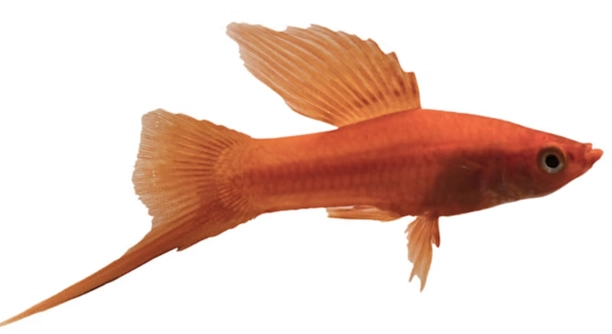
Maintaining clear water for your swordtail fish is essential for their health and well-being. It’s important to know how to keep their environment clean and thriving. This article offers tips to help you achieve crystal-clear water.
The key to keeping swordtail water crystal clear lies in proper filtration, regular maintenance, and preventing overfeeding. Adequate filtration removes excess waste, while consistent water changes and careful feeding habits help maintain water clarity.
By following these steps, you can ensure your swordtail’s tank stays clear and healthy. Keep reading for practical tips to maintain a clean aquarium and enhance your fish’s environment.
Use the Right Filtration System
A good filtration system is essential for keeping the water in your swordtail tank clear. It helps remove debris, fish waste, and other unwanted particles. Choose a filter that is suitable for the size of your aquarium. If the filter is too weak, it won’t be able to handle the waste, leading to cloudy water.
The right filter should provide both mechanical and biological filtration. Mechanical filtration removes debris, while biological filtration ensures that harmful bacteria are broken down before they affect the water. A filter rated for a slightly larger tank than yours will provide extra cleaning power.
Maintaining the filter is also key. Clean it regularly, but avoid over-cleaning, as it can remove beneficial bacteria. Check the filter’s intake and outflow for any blockages. If necessary, replace the filter media when it starts to degrade, as this will ensure optimal performance for keeping the water clear.
Avoid Overfeeding
Overfeeding is a common mistake that leads to murky water. Uneaten food decomposes, releasing excess nutrients into the tank, which causes algae growth.
To prevent this, only feed your swordtails what they can consume in a few minutes. This simple step reduces waste and keeps the tank clean.
Feed your swordtails small amounts multiple times a day rather than one large meal. This helps them eat it all without leftovers sinking to the bottom, where they can decompose and cloud the water.
Regular Water Changes
Regular water changes are a must for maintaining clean water. Changing 20-30% of the water each week will remove toxins and reduce algae growth. Stale water is a breeding ground for bacteria, so fresh water helps keep the environment healthy.
Before performing water changes, use a gravel vacuum to remove waste and debris from the substrate. This ensures that waste won’t decompose and cloud the water. Always treat tap water with a water conditioner to remove chlorine and chloramines, which can harm the fish and beneficial bacteria in the tank.
Consistency is key when changing water. Skipping water changes can lead to a buildup of harmful substances like ammonia and nitrate, causing cloudy water and stressing your swordtails. Make water changes part of your weekly routine to maintain the best conditions for both your fish and their habitat.
Monitor Water Temperature
Swordtails thrive in stable water temperatures. Fluctuating temperatures can stress them and affect water quality. Keep the tank between 72°F and 82°F for optimal health.
A reliable aquarium heater can maintain the right temperature. Avoid placing the tank in direct sunlight or near heat sources, as this can cause sudden temperature changes. If you notice temperature shifts, invest in a thermometer to monitor it consistently.
Sudden temperature changes can lead to rapid algae growth or oxygen depletion, both of which impact water clarity. By keeping your tank’s environment stable, swordtails stay healthy, and the water remains clear.
Use Live Plants
Live plants help improve water quality by absorbing excess nutrients, preventing algae blooms. They also produce oxygen, which benefits your swordtails. Choose low-maintenance plants that thrive in aquarium conditions.
Plants act as natural filters, providing both aesthetic appeal and functional benefits. They help balance the tank’s ecosystem by consuming nitrates and phosphates, two key nutrients that cause water to cloud. Additionally, plants offer shelter for your fish, promoting a more natural environment.
When selecting plants, make sure they are suited to the swordtail’s tank environment. Some plants may require more light or specific conditions, so choose those that will thrive with minimal care. Regularly trim overgrown plants to prevent them from blocking water flow.
Avoid Overstocking
Overstocking can lead to poor water quality. More fish means more waste, which quickly clouds the water. Stick to the recommended stocking limits for your tank size.
Adding too many fish can overwhelm the filter and cause ammonia or nitrate spikes, harming both the fish and the water clarity. Always ensure your fish have enough space to swim freely and avoid overcrowding. A balanced stocking level makes it easier to maintain clear water and a healthy aquarium.
Clean the Substrate
Keeping the substrate clean is vital to prevent waste buildup. Vacuuming the substrate helps remove uneaten food, fish waste, and debris that can pollute the water. Make it part of your regular maintenance routine to avoid dirty water.
A clean substrate is crucial for a healthy aquarium. Over time, waste collects and decomposes, which can lead to poor water quality. Using a gravel vacuum helps remove this buildup, preventing cloudiness. Additionally, this keeps the tank looking clean and fresh, reducing the chances of bacterial growth.
FAQ
How often should I change the water in my swordtail tank?
Water changes should be done weekly, removing about 20-30% of the water each time. Regular water changes help remove harmful toxins and keep the water clear. If you notice cloudy water before the weekly change, it’s okay to do a smaller water change to address the issue. Using a gravel vacuum while changing the water also helps remove debris and waste that settles on the bottom.
Can I use tap water for my swordtail tank?
Tap water can be used, but it must be treated first. Tap water often contains chlorine or chloramines, which are harmful to fish. You should use a water conditioner to neutralize these chemicals. It’s also important to match the temperature of the water to avoid shocking your swordtails. Always test the water quality after treating it to ensure it is safe for your fish.
How do I know if the water quality is bad?
Cloudy water is often a sign of poor water quality. If you notice an increase in algae growth, foul odors, or your swordtails becoming lethargic, the water may be unbalanced. Testing kits are available to check the levels of ammonia, nitrites, nitrates, and pH, which can help you determine if your water is in a healthy range. Consistent maintenance like water changes and filter cleaning is essential to prevent these issues.
What kind of filter should I use for my swordtail tank?
Choose a filter that is rated for the size of your tank. A filter with both mechanical and biological filtration is best. Mechanical filtration removes particles and debris, while biological filtration helps break down harmful waste. Canister filters or hang-on-back filters are popular choices. Make sure the filter’s flow rate is not too strong, as swordtails prefer a calm current. Clean the filter every few weeks to maintain its effectiveness.
Why is my swordtail tank turning green?
Green water usually occurs due to an overgrowth of algae, often caused by excess nutrients like nitrates or phosphates. These nutrients can build up from overfeeding, poor water changes, or excessive light. To fix this, cut back on feeding, reduce the light exposure, and perform regular water changes. Using a UV sterilizer can also help clear up green water by killing algae spores.
Can I use artificial plants instead of live plants?
Yes, you can use artificial plants, but they won’t help with water quality. Live plants absorb excess nutrients and improve water quality by competing with algae. While artificial plants can still offer hiding spots for your fish, they don’t offer the same filtration benefits. If your goal is to maintain clear water, live plants are a better choice.
How do I deal with cloudy water?
Cloudy water can be caused by a variety of factors, including overfeeding, poor filtration, or a newly established tank. First, check your filter to make sure it’s working properly. Reduce feeding amounts and perform a water change to remove excess nutrients. If it’s a bacterial bloom, a water clarifier may help clear the water. However, bacterial blooms are often temporary and can clear up on their own.
What should I do if my swordtail tank smells bad?
A foul smell is usually a sign of decaying organic matter or poor water quality. Check for any uneaten food, dead plants, or fish in the tank. Remove any debris and perform a water change. Make sure your filter is working properly. If the smell persists, you might need to check the water parameters for ammonia or nitrite spikes, which are dangerous for your fish.
How can I prevent algae growth in my swordtail tank?
To prevent algae growth, reduce the light exposure in your tank. Limit the amount of time the tank light is on to around 6-8 hours per day. Also, be mindful of overfeeding. Uneaten food contributes to nutrient buildup, which encourages algae growth. Regular water changes and using live plants to absorb excess nutrients also help prevent algae.
How do I clean the substrate in my tank?
Use a gravel vacuum to clean the substrate during water changes. This tool will suck up debris, waste, and uneaten food from the bottom of the tank. Move the vacuum around the substrate to ensure you get all the waste. Don’t over-clean the substrate, as some waste can be broken down by beneficial bacteria. Clean the substrate every week to maintain a healthy tank environment.
Should I use a heater in my swordtail tank?
Yes, swordtails prefer a stable temperature between 72°F and 82°F. A heater will help maintain this temperature range, especially in colder rooms or during seasonal temperature changes. A reliable aquarium heater is essential to avoid temperature fluctuations that can stress your fish. Make sure the heater is the correct size for your tank and always use a thermometer to monitor the temperature.
What can I do if my swordtails aren’t active?
Lack of activity could be a sign of stress, illness, or poor water quality. Check the water parameters, as imbalanced water can cause fish to become lethargic. Swordtails may also hide if the tank is overcrowded or if they’re not comfortable in their environment. Provide hiding spots with plants or decorations to help your fish feel secure.
How do I prevent disease in my swordtail tank?
Good water quality is the key to preventing disease. Regular water changes, proper filtration, and avoiding overstocking will help keep the tank healthy. Quarantine new fish before adding them to the tank to avoid introducing illness. Additionally, monitor your swordtails for any signs of illness, such as white spots, faded colors, or abnormal behavior, and address the issue as soon as possible.
Why are my swordtails hiding all the time?
Swordtails may hide if they feel stressed or threatened. This can be due to water quality issues, tank mates that are too aggressive, or not enough hiding spots. Ensure your swordtails have plenty of plants or decorations to hide in. Also, check the water parameters and make sure there’s no bullying from other fish.
Final Thoughts
Maintaining crystal-clear water in your swordtail tank is essential for their health and happiness. With the right care, you can keep the water clean and provide a healthy environment for your fish. Regular water changes, proper filtration, and careful feeding habits are some of the most important steps to achieve this. By following these basic principles, you can prevent common issues like cloudy water, algae blooms, and poor water quality, which can all affect your swordtails’ well-being.
It’s also crucial to monitor the temperature and stocking levels in the tank. Keeping the water at a stable temperature and ensuring the fish aren’t overcrowded can make a big difference in the overall water quality. Swordtails need space to swim freely, and too many fish can lead to excess waste, making it harder to keep the tank clean. Live plants can also be a great addition to your aquarium, helping to absorb excess nutrients and improving the overall balance of the tank’s ecosystem. They are a natural way to help filter the water and provide shelter for your fish.
Ultimately, keeping your swordtail tank clean requires regular maintenance and a little extra care. It’s not just about keeping the water clear; it’s about creating a stable and healthy environment where your fish can thrive. By staying on top of water changes, monitoring water quality, and ensuring proper filtration, you’ll be able to keep your swordtail tank looking great and your fish healthy. With these tips, maintaining clear water becomes manageable and straightforward, allowing you to enjoy a beautiful and thriving aquarium.

Hello,
If you enjoy the content that we create, please consider saying a "Thank You!" by leaving a tip.
Every little bit helps us continue crafting quality advice that supports the health, happiness, and well-being of pets around the world, for pets of all shapes, sizes, and species.
We really appreciate the kindness and support that you show us!