
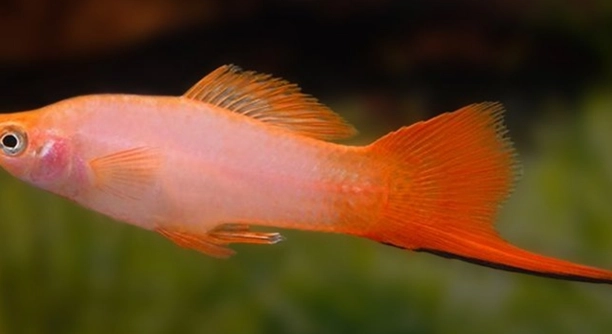
Swordtails are a popular fish species, known for their striking colors and interesting behaviors. If you are an aquarium enthusiast, you may wonder about their sleeping habits. Specifically, whether they sleep with their eyes open.
Swordtails do not sleep with their eyes open. Like most fish, they do not have eyelids to close, so their eyes remain open at all times. However, they do rest in a state of reduced activity, which is their form of sleep.
Understanding how swordtails rest and sleep can help you maintain a healthy aquarium environment. Knowing their behavior will also provide insight into their well-being and needs.
Swordtails’ Natural Sleeping Behavior
Swordtails are known to be active and energetic, especially during the daytime. At night, their activity level drops, and they enter a resting state. While they don’t sleep in the traditional sense like humans or land animals, their form of rest is essential for their well-being. Swordtails find a quiet, secure area in the aquarium where they can slow down. Their bodies remain still, and their movements become minimal. This resting behavior helps them conserve energy for the next day’s activities. Even though their eyes stay open, they experience periods of reduced responsiveness, similar to sleep.
Their ability to rest while remaining alert to changes in their environment is a natural defense mechanism. In the wild, swordtails would need to stay aware of potential predators, even while resting.
Fish like swordtails rest by slowing down, often hanging near plants or the aquarium’s substrate. Providing a calm environment with minimal disturbances can help ensure they get the rest they need. A proper resting area is crucial for their overall health.
Resting Patterns and Tank Setup
A good tank setup can influence how well swordtails rest. They need spaces to retreat from the aquarium’s bustling environment, where they can remain still. With the right elements in place, swordtails can rest peacefully.
Swordtails do not have eyelids, so they keep their eyes open throughout their resting periods. Their eyes might look alert, but they are actually conserving energy and taking a break from swimming. This behavior can sometimes be mistaken for being awake, but it’s a natural way for the fish to rest without fully disengaging from their surroundings. They tend to rest in places that offer some form of shelter, like plant beds or beneath aquarium decor.
Resting time for swordtails is crucial because it helps them recover for the next day of activity. This behavior is especially important in an aquarium setting, where consistent environmental conditions and appropriate rest periods contribute to their overall health. Creating spaces that offer some shelter while maintaining clean water and stable temperatures is key for swordtails. They benefit from environments that allow them to feel secure enough to rest and recharge.
Importance of Rest for Swordtails
Rest is essential for swordtails as it allows them to maintain their energy levels. Even though they do not sleep with their eyes closed, the periods of inactivity are crucial for their overall health. Swordtails need these moments to recharge, just like any other living creature.
Without sufficient rest, swordtails can become stressed and may not thrive in their tank. Stress can lead to weakened immune systems, making them more susceptible to diseases. If their rest is constantly disturbed, they may show signs of lethargy or poor eating habits. Proper rest helps swordtails recover from the activities of the day and maintain their vibrant colors.
Creating an environment where they can rest peacefully is just as important as providing space for swimming. Offering some shaded areas or hiding spots in the aquarium will allow them to retreat to safe places where they can rest without feeling threatened.
Common Resting Spots
Swordtails tend to seek out spots in the aquarium that provide both comfort and protection. They prefer hiding among plants or behind aquarium decorations. These areas give them a sense of security while they rest. If the tank lacks sufficient hiding spots, swordtails may become stressed or restless.
Providing these spots allows swordtails to retreat when they need rest. They’ll feel more secure, knowing they have an area where they can rest undisturbed. Plants like Java fern or Anubias are perfect for creating hiding spots. Swordtails may even rest at the bottom of the tank, especially if it’s a deeper area with rocks or gravel.
When designing your tank, make sure to include plants and structures that encourage swordtails to feel at ease. A well-designed environment helps them to rest effectively, resulting in a healthier, happier fish. Having these hiding places also mimics their natural habitat, where they would naturally find shelter among aquatic plants or submerged rocks.
Swordtail Behavior During Resting
During their resting periods, swordtails become less active, but they still maintain a level of awareness. They might slow down but will swim lightly if disturbed or when food is introduced. Their resting state is not a complete shutdown.
This light activity during rest helps swordtails stay alert to their surroundings. They remain prepared to respond quickly to potential threats. While they don’t sleep in the same way mammals do, they still need these quiet moments to stay healthy. Swordtails also use these moments to digest food and relax their muscles.
Water Quality and Rest
Maintaining clean water is vital for swordtails, especially when they are resting. Poor water quality can increase stress and disrupt their rest. Swordtails are sensitive to changes in water parameters, such as temperature, pH, and ammonia levels.
When the water quality is poor, swordtails may not rest properly. Stress from bad water can lead to physical symptoms like discoloration or erratic behavior. Keeping the water clean promotes restful periods and overall health. Regular water changes, filtration, and monitoring of water conditions will ensure that swordtails remain calm and able to rest.
Tank Lighting and Resting Cycles
Swordtails are sensitive to lighting, which affects their resting cycles. Providing a day-night light cycle that mimics their natural habitat will encourage them to rest during the night and be active during the day.
By dimming the lights at night and allowing natural or artificial light during the day, you can help swordtails establish a regular rest cycle. Consistent lighting patterns contribute to their overall health, giving them the chance to rest during the darker hours and become active during the day.
FAQ
Do swordtails sleep with their eyes open?
Yes, swordtails keep their eyes open while resting. Unlike mammals, swordtails do not have eyelids to close. However, their rest is similar to sleep in that they reduce their activity levels and enter a quiet, less responsive state. They may appear alert, but they are simply conserving energy for the next active period.
How can I tell if my swordtail is resting or sick?
If your swordtail is resting, it will typically remain still, slow its movements, and stay in a specific area of the tank, such as near plants or rocks. A sick swordtail, on the other hand, may exhibit signs like erratic swimming, loss of color, or lethargy that does not improve after a short rest. If these behaviors persist, it may be a sign of illness.
Can swordtails rest while swimming?
Swordtails are capable of resting while swimming, especially in low-flow areas. They may hover in one spot, using minimal energy to stay in place. This allows them to rest without fully stopping their movement. However, they generally prefer to rest in secure areas, like plants, when possible.
Is it normal for swordtails to stay in one spot for hours?
It is normal for swordtails to remain in one spot for extended periods, particularly during their resting phase. They might choose a spot with adequate shelter or security. As long as they swim around periodically and eat well, this behavior is nothing to worry about.
Do swordtails need a specific temperature for rest?
Yes, swordtails prefer a consistent and moderate water temperature. If the water is too cold or too warm, it may affect their resting behavior. Ideally, the water temperature should be between 72°F and 82°F (22°C – 28°C). Sudden temperature changes can cause stress and interfere with their ability to rest properly.
How can I provide a good environment for swordtails to rest?
To create an ideal resting environment for swordtails, you should offer plenty of hiding spots and plants. Live plants or aquarium decorations like rocks and caves can provide the shelter swordtails need to feel secure. Avoid strong water currents or excessive light, as both can disturb their resting periods. Keep the water quality high with regular maintenance and a good filtration system.
Do swordtails rest more in the dark?
Swordtails, like many fish, tend to rest more in lower light conditions. They do not sleep like humans, but they prefer dim environments when they need to rest. A light cycle that includes a period of darkness will help them regulate their resting periods. Using an aquarium light timer can help create a natural day-night rhythm.
What are the signs that my swordtail is stressed instead of resting?
Signs of stress in swordtails include erratic swimming, darting around the tank, hiding excessively, and loss of color. They may also refuse to eat or become more aggressive. If you notice these behaviors along with prolonged inactivity, it could indicate that your swordtail is stressed rather than just resting.
How often do swordtails need to rest?
Swordtails typically need to rest several times throughout the day, especially after active periods. Their resting phases are usually short, but they require them to maintain energy levels and stay healthy. If they are provided with a calm environment, they will naturally rest as needed, with periods of activity in between.
Can swordtails sleep in a community tank?
Yes, swordtails can sleep or rest in a community tank, but the presence of other fish can sometimes affect their ability to rest. If the tank has overly active or aggressive tankmates, swordtails might feel stressed and seek out quieter areas to rest. It’s important to ensure that the tank mates are peaceful and not disruptive during swordtails’ resting phases.
Why does my swordtail seem inactive at certain times?
Swordtails may appear inactive during certain times due to natural resting cycles. These periods of inactivity can be longer at night or during low-light conditions. If the swordtail remains inactive for long stretches during the day, it could be a sign of illness, poor water quality, or stress.
Can swordtails rest during the day?
Yes, swordtails can rest during the day, especially if they feel safe in their environment. Swordtails are more active during daylight hours but will still take breaks to rest, usually after eating or when they feel secure. Resting during the day is not uncommon and is part of their normal behavior.
What water conditions help swordtails rest properly?
Swordtails rest best in stable water conditions. They thrive in clean, well-filtered water with a temperature range of 72°F to 82°F. Proper pH levels, around 7.0 to 8.0, and low levels of ammonia or nitrites will help create a comfortable environment for swordtails to rest peacefully. Regular water changes are essential to maintain these conditions.
Can swordtails become stressed from not resting enough?
Yes, if swordtails do not have a calm, secure environment to rest in, they may experience stress. Prolonged stress can weaken their immune system and lead to various health problems. If your swordtail appears overly active without resting, it could indicate that it is not feeling safe or is in an uncomfortable environment.
Are swordtails active at night?
Swordtails are generally more active during the day and tend to slow down at night. While they do not sleep in the same way humans do, they will reduce their activity and rest in a quiet area when the lights go out. They do not need complete darkness but benefit from dim lighting conditions during the night.
How can I tell if my swordtail is getting enough rest?
A swordtail that is getting enough rest will appear healthy, swim regularly, and eat well. If it is consistently active or lethargic, this may indicate an issue with its resting patterns. Check the water quality, tank mates, and environment to ensure they are not factors causing stress or discomfort.
Final Thoughts
Understanding swordtail behavior, including their resting habits, can help create a healthier environment for them. Swordtails are not like mammals in terms of sleep, but they do have periods of rest that are vital for their well-being. By ensuring they have a calm environment, appropriate water quality, and a natural light cycle, you can help your swordtail maintain its health and activity levels. It is important to observe them regularly, as this allows you to detect any signs of stress or illness early.
Providing a tank that mimics the swordtail’s natural habitat is key to promoting proper rest. Swordtails prefer environments with plants, rocks, and hiding spaces, which can give them a sense of security while resting. Maintaining stable water conditions, with the correct temperature and clean water, ensures that they are not stressed, which can disrupt their rest cycles. By being mindful of these factors, you’ll help your swordtails rest well, ensuring they stay active and healthy during their waking hours.
Ultimately, swordtails are adaptable and resilient fish, but they still need proper care to thrive. By offering them the right conditions to rest, you can support their overall health. Swordtails may not sleep in the same way humans do, but their rest periods are still an essential part of their daily routine. Regular monitoring and adjustments to their environment will ensure that they get the restful periods they need to stay healthy, active, and happy.

Hello,
If you enjoy the content that we create, please consider saying a "Thank You!" by leaving a tip.
Every little bit helps us continue crafting quality advice that supports the health, happiness, and well-being of pets around the world, for pets of all shapes, sizes, and species.
We really appreciate the kindness and support that you show us!