
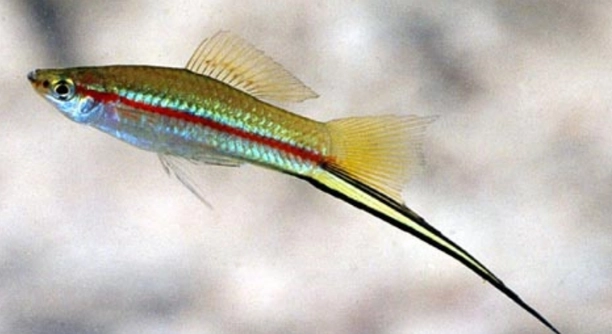
Swordtails are popular aquarium fish known for their lively nature, but they may sometimes display unusual behavior, such as floating strangely. Understanding this behavior can help keep your fish healthy and happy in their environment.
Swordtails may float weirdly due to various factors, including swim bladder issues, water quality, or stress. Swim bladder disorders are common in fish and can cause them to lose buoyancy control, leading to abnormal floating behavior.
Learning more about these factors can help you maintain a balanced tank environment and address your swordtail’s needs effectively.
Common Causes of Floating in Swordtails
Swordtails can float weirdly for several reasons. One of the most frequent causes is swim bladder disease. The swim bladder is responsible for controlling a fish’s buoyancy. When it’s affected, swordtails may float upside down or tilt sideways. Other issues like water quality problems, such as high ammonia levels or improper temperature, can stress the fish, leading to abnormal floating. A sudden change in diet, like introducing unfamiliar foods, may also contribute to digestive problems that impact buoyancy.
If your swordtail is floating strangely, it’s important to assess its environment. Check the water temperature, filter, and ammonia levels regularly. Adjusting these factors may help improve your fish’s condition.
Sometimes, a swordtail’s floating behavior could stem from a minor issue that resolves itself with proper tank management. However, when this behavior persists, you might need to adjust their diet, water conditions, or consult a vet.
How to Fix Floating Issues
Ensuring a balanced and clean aquarium environment is crucial for maintaining swordtail health. Test your water frequently, especially if your fish is floating abnormally.
Swim bladder disease is often treatable with changes in diet and water quality. A proper diet of high-quality pellets and occasional live foods can aid digestion. Additionally, offering pea treats can help clear up any digestive issues. For persistent cases, you may need to isolate the swordtail in a separate tank for further observation.
If these adjustments don’t seem to help, visiting an aquatic vet is the next step. A veterinarian can help identify underlying problems like parasites or infections that may affect your fish’s buoyancy. Taking these actions can help restore your swordtail’s health, making the tank environment a more comfortable place for it.
Water Quality and Its Impact
Water quality is critical in maintaining healthy swordtails. Poor water conditions often lead to stress and abnormal behavior, such as floating. Regular water testing for pH, ammonia, nitrite, and nitrate levels helps ensure a stable environment. Imbalanced water parameters may trigger swim bladder issues or other health problems.
When water quality is compromised, swordtails are more likely to exhibit strange floating behavior. To address this, perform regular water changes, ensure your filter is functioning properly, and keep the water temperature within the recommended range of 72°F to 78°F. Monitoring these conditions consistently can make a significant difference.
A simple water change or a filter cleaning can resolve some floating issues. However, more severe water quality problems may require additional steps, like adjusting the tank’s size or introducing more filtration. Testing and monitoring the water regularly helps maintain an ideal environment for your fish.
Diet and Feeding Habits
Swordtails can also float weirdly due to poor feeding habits or diet. Overfeeding, for instance, can lead to digestive issues that affect buoyancy. Uneaten food in the tank can also pollute the water, worsening water quality. It’s essential to feed your fish the right amount of food.
Feeding swordtails a balanced diet that includes high-quality pellets, flake food, and occasional live or frozen foods can help prevent digestive issues. Avoid overfeeding, as this can cause bloating and swim bladder problems. Additionally, adding plant-based foods like blanched peas or spinach can aid digestion and improve overall health.
A consistent feeding routine is key. Try offering food two to three times a day in small portions, ensuring the swordtail eats it all within a few minutes. Removing any leftover food will prevent it from polluting the tank. By carefully managing your swordtail’s diet, you can prevent health problems that lead to floating.
Swim Bladder Disorder
Swim bladder disorder is a common reason for swordtails floating weirdly. It affects the fish’s ability to maintain proper buoyancy, causing them to float in unusual positions. This condition can result from overfeeding, constipation, or physical damage.
When swim bladder issues occur, fish may float sideways, upside down, or struggle to stay submerged. This disorder is often treatable by adjusting the fish’s diet, adding fiber-rich foods like peas, and maintaining proper water conditions. If the problem persists, more drastic measures, such as isolation, might be necessary.
Tank Environment
The tank environment plays a significant role in swordtail health. Poor water quality, overcrowding, or a lack of hiding spots can cause stress, which may lead to abnormal floating. It’s essential to maintain a clean, spacious environment for the fish.
A comfortable environment includes appropriate tank size, a reliable filter, and temperature control. Swordtails thrive in well-planted tanks where they can hide and feel safe. Keeping the tank clean by performing regular water changes will help reduce the likelihood of stress-related behaviors like floating.
Stress and Anxiety
Swordtails can experience stress from various factors, including aggressive tank mates or sudden changes in the environment. Stress can disrupt normal swimming behavior, causing them to float unnaturally. Identifying and removing stressors is key to improving their condition.
Stress can weaken a swordtail’s immune system and lead to abnormal behavior. If tankmates are the issue, consider separating aggressive fish or offering more hiding spaces for the swordtail. Keeping the environment stable and calm will help reduce stress and prevent floating problems.
FAQ
Why is my swordtail floating upside down?
If your swordtail is floating upside down, it’s likely due to swim bladder disease. This condition affects the fish’s ability to control its buoyancy. Swim bladder issues can arise from poor water quality, constipation, or overfeeding. Ensuring that your swordtail’s diet is balanced and water conditions are stable can often help. Adding fiber-rich foods like peas to the diet can aid digestion and relieve constipation, improving buoyancy control.
What should I do if my swordtail is floating sideways?
Sideways floating can also be a sign of swim bladder disorder, which disrupts the fish’s buoyancy. A swordtail may tilt to one side if it struggles to stay balanced in the water. As with other swim bladder issues, adjusting the water conditions and feeding high-fiber foods can help. In severe cases, isolating the swordtail in a separate tank can allow for easier management and observation.
Can poor water quality cause my swordtail to float weirdly?
Yes, poor water quality is a major factor in abnormal swordtail behavior, including floating strangely. High levels of ammonia, nitrites, or nitrates can stress fish and affect their buoyancy. Regular water testing and water changes are essential for maintaining a healthy tank. Swordtails thrive in water that is kept clean and stable, with proper filtration and temperature control.
How often should I change the water in my swordtail tank?
Water changes should be done regularly to keep the tank environment healthy. It’s recommended to change 25-30% of the water every two weeks. However, if water quality tests show high ammonia or nitrate levels, more frequent water changes may be necessary. Regular water changes can help prevent stress, illness, and floating issues.
Can overfeeding cause my swordtail to float weirdly?
Yes, overfeeding is one of the leading causes of abnormal floating behavior in swordtails. Excess food can cause bloating and constipation, leading to swim bladder issues. It’s best to feed your swordtail small amounts two to three times a day, ensuring they eat all the food within a few minutes. Removing uneaten food helps maintain a clean tank and reduces the risk of digestive problems.
What are some signs of swim bladder disease in swordtails?
Signs of swim bladder disease include floating upside down, floating sideways, or struggling to stay submerged. Swordtails may also appear lethargic, swim erratically, or have difficulty reaching the surface for air. If you notice these behaviors, check the water quality, adjust the diet, and provide a comfortable environment to help your swordtail recover.
Is swim bladder disorder curable in swordtails?
Swim bladder disorder can often be treated if caught early. The first step is to correct any water quality issues, as poor conditions can exacerbate the problem. Adjusting the diet by offering fiber-rich foods like peas can help relieve constipation. In more severe cases, isolating the fish and providing specialized care may be necessary.
Can stress cause my swordtail to float strangely?
Yes, stress is a common cause of abnormal floating in swordtails. Stress can be triggered by various factors, such as aggressive tank mates, sudden changes in water conditions, or overcrowding. Stress weakens the immune system and can lead to behavioral issues. Minimizing stress by providing hiding spaces and a stable environment can help your swordtail feel secure and prevent floating problems.
How can I prevent my swordtail from floating weirdly?
Preventing floating issues begins with maintaining good water quality and feeding your swordtail a balanced diet. Regular water testing and changes will ensure that the water conditions remain optimal. Offering fiber-rich foods and avoiding overfeeding will help keep your fish’s digestive system in check. Providing a stable, stress-free environment with adequate space will also contribute to the overall health of your swordtail.
Can tank mates cause my swordtail to float strangely?
Tank mates can certainly cause stress, which may lead to abnormal floating in swordtails. Aggressive or territorial fish can stress your swordtail, leading to behavioral issues like floating strangely. Make sure your swordtail shares its tank with peaceful, compatible species. Providing plenty of hiding spaces and ensuring the tank isn’t overcrowded can help reduce stress and prevent floating.
Are there any medications that can help with swim bladder disease?
While there are no specific medications for swim bladder disease, treating underlying issues like poor water quality or constipation can alleviate symptoms. For persistent cases, some aquarium stores offer medicated foods designed to help with digestive problems. Always follow the instructions carefully when using any medication, as misuse can harm your fish.
How long will it take for my swordtail to recover from swim bladder disease?
Recovery time varies depending on the severity of the swim bladder disorder and how quickly the underlying cause is addressed. If water quality and diet are corrected, some swordtails may show improvement within a few days. More severe cases, however, may require longer recovery periods. Isolating the fish and providing dedicated care can speed up recovery.
Can swim bladder disease affect other fish species in the tank?
Swim bladder disease is generally not contagious, but the stress caused by a sick fish can affect the entire tank. If multiple fish show similar symptoms, it could indicate poor water quality or an environmental issue that needs to be addressed. Regularly test the water and ensure the tank is appropriately maintained to avoid spreading stress or illness to other fish.
Should I isolate my swordtail if it’s floating weirdly?
Isolating your swordtail can be a helpful step, especially if the issue persists or worsens. A separate tank allows for better observation and control over the fish’s environment, which can help with recovery. However, isolation is not always necessary unless the problem is severe or you want to prevent other fish from becoming stressed.
How can I tell if my swordtail’s behavior is normal or abnormal?
Normal swordtail behavior includes active swimming, feeding regularly, and interacting with other tank mates. If your swordtail is floating weirdly, swimming in circles, or struggling to stay upright, it’s likely experiencing an issue. Abnormal behavior often indicates a problem with the fish’s health, water quality, or stress levels. Keep an eye on your swordtail for changes, and address any issues promptly.
Final Thoughts
Swordtails are vibrant and hardy fish, but they can experience issues like floating weirdly from time to time. When this happens, it’s important to carefully observe the tank conditions and the fish’s behavior. Problems like swim bladder disorder, poor water quality, or stress can all lead to strange floating patterns. Identifying the root cause of the issue is key to providing the right treatment and care for your swordtail.
Maintaining proper water quality is the most crucial step in keeping your swordtail healthy. Regular water changes and proper filtration can help prevent many health issues. It’s also important to ensure the water temperature is stable and the pH level is within the ideal range for swordtails. In addition, overfeeding should be avoided as it can lead to digestive problems, contributing to abnormal swimming behavior. A balanced diet and fiber-rich foods, like peas, can aid digestion and prevent constipation, which is often linked to swim bladder disease.
Addressing stress is another vital aspect of swordtail care. Swordtails are social fish and need a peaceful environment to thrive. Aggressive tank mates or overcrowded conditions can make them anxious, leading to behaviors like floating oddly. Providing plenty of hiding spots and ensuring your tank isn’t too crowded can help reduce stress. Remember, swordtails are more likely to show signs of floating weirdly when they’re uncomfortable, so creating a stable and peaceful tank environment is essential to their overall well-being.

Hello,
If you enjoy the content that we create, please consider saying a "Thank You!" by leaving a tip.
Every little bit helps us continue crafting quality advice that supports the health, happiness, and well-being of pets around the world, for pets of all shapes, sizes, and species.
We really appreciate the kindness and support that you show us!