
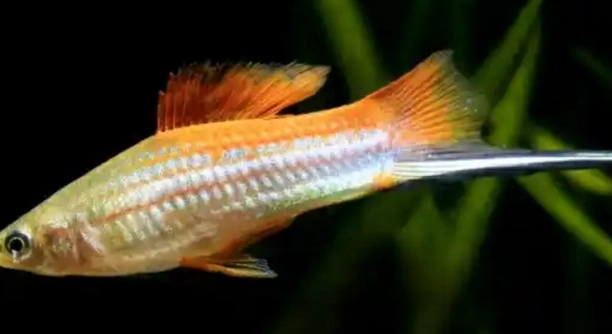
Swordtails are peaceful and lively fish that thrive in community tanks. However, choosing compatible tankmates is essential for keeping a harmonious environment. The right companions can help maintain balance and reduce stress for your swordtails.
Several species, such as peaceful livebearers, tetras, and some catfish, are excellent tankmates for swordtails. These fish are calm, similar in size, and will coexist without aggression. They also contribute to a healthy aquarium ecosystem.
With these suggestions in mind, creating a peaceful community tank for your swordtails is within reach. Keep reading to discover the best choices for happy, compatible fish.
Guppies: A Great Match for Swordtails
Guppies are an excellent choice for tankmates with swordtails. Like swordtails, they are peaceful, colorful, and thrive in similar water conditions. Guppies also enjoy the same temperature range and can coexist with swordtails without causing territorial disputes. Their small size and calm nature make them an ideal companion in a community tank. Additionally, guppies are livebearers like swordtails, which can make breeding in the tank easier.
Despite their compatibility, it’s important to monitor the guppy population. Guppies can breed rapidly, and an overpopulation can create stress and competition for food. Keeping the number of guppies under control ensures a balanced and harmonious tank environment.
Incorporating guppies into your tank not only enhances the visual appeal with their vibrant colors but also maintains the peaceful atmosphere that swordtails thrive in. Just be mindful of their breeding habits and the balance of your aquarium, and you’ll have a peaceful, thriving tank.
Corydoras Catfish: Ideal Bottom Dwellers
Corydoras catfish make fantastic tankmates for swordtails due to their peaceful nature. These bottom dwellers help keep the tank clean by scavenging for leftover food, which contributes to a healthier environment for your swordtails.
These catfish are social creatures and prefer being in groups, so it’s best to keep them in groups of at least three. They are compatible with swordtails as they stay at the bottom of the tank while swordtails swim near the top and mid-levels. Corydoras are non-aggressive and won’t compete with swordtails for food or space, creating a peaceful dynamic in your tank.
Adding corydoras to your setup helps reduce waste, clean the substrate, and promote a balanced ecosystem. They’re an excellent addition to any swordtail tank, offering practical benefits while keeping the tank peaceful and harmonious.
Neon Tetras: A Peaceful Addition
Neon tetras are small, peaceful fish that do well in tanks with swordtails. Their small size and vibrant colors complement swordtails beautifully. They thrive in similar water conditions and don’t cause stress or aggression, making them ideal tankmates.
Neon tetras prefer schools of at least six to feel secure. This behavior helps create a peaceful atmosphere in your tank, as they won’t crowd or bother other fish. They swim mainly in the middle areas of the tank, leaving swordtails space to swim freely near the top. Their non-aggressive nature ensures that they won’t disrupt the swordtail’s peaceful environment.
These tetras are also hardy, making them a good choice for beginners. Their small size and simple care requirements make them a low-maintenance yet colorful addition to your tank. If you want a splash of color without conflict, neon tetras are a great match.
Mollies: A Versatile Tankmate
Mollies are another popular choice for tankmates with swordtails. These livebearers are known for their calm temperament and easy care requirements. Mollies are compatible with swordtails because they share similar water temperature and pH needs, creating a natural fit.
Mollies come in a variety of colors, adding diversity to your tank. They are also known to adapt well to different water conditions, making them easy to care for in both freshwater and brackish environments. As livebearers, mollies can coexist peacefully with swordtails, as long as their numbers are kept balanced to prevent overbreeding.
These fish are also social creatures, so keeping them in groups enhances their well-being. A group of mollies alongside swordtails will create a harmonious and dynamic aquarium environment, with both species happily coexisting without interference.
Platies: Colorful and Compatible
Platies are peaceful fish that do well with swordtails. They are similar in size and temperament, making them ideal companions. Platies are also livebearers like swordtails, which helps create a more dynamic, interactive tank environment.
These fish are hardy and adaptable, thriving in a variety of water conditions. They are easy to care for and share similar temperature and pH preferences with swordtails. Platies add a vibrant splash of color to your tank, with many varieties to choose from, adding variety without aggression. Their calm demeanor ensures a peaceful coexistence with swordtails.
Zebra Danios: Active and Hardy
Zebra danios are a great match for swordtails. These small, active fish add movement and excitement to your aquarium while staying peaceful. They’re known for their resilience and adaptability, thriving in a range of water conditions that are also ideal for swordtails.
Their playful nature and school mentality make them an entertaining addition to any tank. Zebra danios are non-aggressive, sticking to their mid-level swimming zones while swordtails occupy the top. This arrangement minimizes competition and stress, allowing both species to enjoy their space. Their hardiness and ease of care make them a perfect choice for a low-maintenance aquarium.
Bristlenose Plecos: Low-Maintenance Helpers
Bristlenose plecos are excellent bottom dwellers and peaceful tankmates for swordtails. These catfish are known for their algae-eating habits, keeping your tank clean without causing any disruption to the swordtails above.
Bristlenose plecos are low-maintenance and can thrive in similar water conditions as swordtails. They are nocturnal creatures, meaning they stay active during the night and allow swordtails to occupy the upper and mid-level tank space during the day. This helps to maintain peace and prevent any territorial conflicts. With their small size and calm nature, bristlenose plecos are the ideal addition to a community tank with swordtails.
FAQ
Can swordtails live with goldfish?
Swordtails can live with goldfish, but it’s not always the best combination. Goldfish have different water temperature preferences, typically thriving in cooler water, while swordtails prefer warmer temperatures. This difference can cause stress for one or both species. Additionally, goldfish are much slower swimmers and may not be able to compete for food with the more active swordtails. It’s essential to monitor their interactions and ensure both species are comfortable.
What are the best tank conditions for swordtails and their tankmates?
Swordtails and their tankmates thrive in similar water conditions. A temperature range of 72°F to 82°F (22°C to 28°C) is ideal, with a pH level between 7.0 and 8.0. A moderate water hardness of 10 to 25 dGH works well. Regular water changes, proper filtration, and maintaining a clean tank are key to keeping swordtails and their companions healthy.
Do swordtails require a lot of space?
Yes, swordtails need enough space to swim freely. A 20-gallon tank is the minimum for a small group of swordtails, with more space recommended if you’re adding tankmates. Adequate space ensures that swordtails won’t feel stressed and can coexist peacefully with other fish. It’s also essential to avoid overcrowding, as this can lead to competition for resources and territorial aggression.
Can swordtails live with shrimp?
Swordtails can live with shrimp, but there’s some risk. Swordtails are opportunistic feeders and might nibble on smaller shrimp, especially when they’re molting or weak. If you want to keep shrimp with swordtails, choose larger shrimp varieties like Amano shrimp or cherry shrimp, as they’re more likely to avoid being eaten. Providing plenty of hiding places will also help keep the shrimp safe.
Are swordtails aggressive toward other fish?
Swordtails are generally peaceful, but males can become territorial, especially if there’s competition for mates. It’s essential to provide enough hiding spots and territories in the tank to prevent aggression. Keeping more females than males can also reduce territorial behavior, as it helps to distribute attention and minimize competition.
Can swordtails live with bettas?
Swordtails and bettas are not the best tankmates. Bettas, especially males, are territorial and can become aggressive toward other fish, including swordtails. Swordtails are peaceful but active swimmers, and this could trigger aggression in bettas. If you do try to keep them together, a large tank with plenty of hiding spots and lots of plants might help reduce conflicts, but it’s risky overall.
What fish should I avoid with swordtails?
Avoid keeping swordtails with overly aggressive fish like cichlids or larger predatory species, as they may bully or eat the swordtails. Fish that have similar or more aggressive behavior, such as some species of barbs, should also be avoided. Additionally, slow-moving fish with long fins, like angelfish, could be targeted by swordtails, as they might nip at their fins.
How many swordtails should I keep together?
It’s best to keep at least three swordtails together, with a higher ratio of females to males. This helps prevent males from becoming too territorial and aggressive. A group of 5-7 swordtails works well in a community tank, as it creates a more natural social structure and reduces stress.
Do swordtails need a filter?
Yes, swordtails need a filter to keep the water clean and maintain good water quality. A filter helps remove debris, excess food, and waste products that can pollute the water and harm your fish. Regular maintenance of the filter is essential to prevent clogging and ensure optimal performance.
Can swordtails live with other livebearers?
Yes, swordtails can live with other livebearers like guppies, mollies, and platies. These fish have similar care requirements, including water temperature, pH, and hardness. As livebearers, they also breed in similar ways, making them compatible for community tanks. Just make sure to monitor their population to avoid overcrowding.
How often should I feed my swordtails?
Swordtails should be fed 2-3 times a day, offering only as much food as they can consume within 2-3 minutes. Overfeeding can lead to poor water quality and health issues. A varied diet, including high-quality flakes, pellets, and occasional live or frozen food, ensures they get all the nutrients they need.
Are swordtails hardy fish?
Swordtails are relatively hardy, especially in stable water conditions. They can tolerate a range of water parameters, but sudden changes in temperature, pH, or water quality can stress them. Regular maintenance, including water changes and monitoring water quality, helps ensure their well-being.
Do swordtails need plants in their tank?
While swordtails don’t require plants in their tank, plants can provide benefits such as hiding spots, a natural environment, and improved water quality through oxygenation. Live plants like Java fern, Anubias, and Vallisneria are good choices, as they’re easy to care for and provide coverage without being too demanding.
Final Thoughts
Choosing the right tankmates for your swordtails can make all the difference in creating a peaceful and thriving aquarium. Swordtails are active, friendly fish that typically get along well with other peaceful species. However, it’s important to be mindful of the specific care requirements of any tankmates. Fish with similar water temperature, pH, and hardness preferences are ideal. Additionally, compatibility in terms of size, temperament, and swimming behavior can help prevent stress and aggression.
While many fish are suitable companions for swordtails, it’s crucial to monitor their interactions regularly. Even the most peaceful species can experience stress if their environment is too crowded or if there are too many territorial disputes. Keeping the tank well-maintained, with plenty of hiding spots and territories, helps reduce potential issues. It’s also a good idea to have a mix of fish species that occupy different areas of the tank, like bottom dwellers or mid-level swimmers, to minimize competition for space and resources.
Ultimately, selecting tankmates for swordtails is about balance. When you choose fish that complement their peaceful nature, provide adequate space, and maintain stable water conditions, you create an environment where all the fish can flourish. Whether you add colorful platies, energetic zebra danios, or helpful bristlenose plecos, each species brings something unique to the aquarium. By following these guidelines, you can enjoy a diverse and harmonious community tank that showcases the beauty of your swordtails and their companions.

Hello,
If you enjoy the content that we create, please consider saying a "Thank You!" by leaving a tip.
Every little bit helps us continue crafting quality advice that supports the health, happiness, and well-being of pets around the world, for pets of all shapes, sizes, and species.
We really appreciate the kindness and support that you show us!