
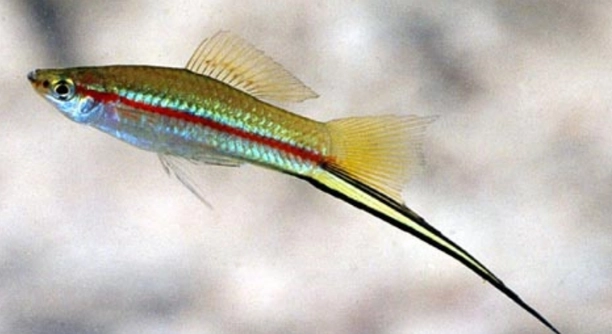
Swordtails are active and social fish, yet it’s not uncommon for one to seem isolated in an aquarium. If you’ve noticed your swordtail swimming alone, there might be a few reasons behind this behavior.
The most common reason for a swordtail being alone is social stress, illness, or dominance issues within the tank. Swordtails are typically social fish and thrive in groups, but sometimes individuals face challenges interacting with other tank mates, causing them to stay isolated.
Understanding the reasons behind your swordtail’s behavior will help you improve its social interactions and overall well-being. There are several steps you can take to resolve this issue effectively.
Common Reasons Swordtails Prefer to Be Alone
There are several reasons why your swordtail may be isolated from other fish. One of the main factors is stress. Stress can result from overcrowding, incompatible tank mates, or poor water quality. Swordtails are active and enjoy being part of a group, but in a stressful environment, they might withdraw and stay alone. Another common cause is illness. When a swordtail is not feeling well, it may avoid others to protect itself from further harm or infection. Lastly, dominant fish in the tank can push the swordtail into isolation. When this happens, the swordtail may choose to stay by itself to avoid conflict.
Sometimes, a swordtail may act alone simply because of the way it is introduced into the tank. New arrivals can face challenges adjusting to a new environment, and if there’s already a hierarchy, they might isolate themselves.
Identifying these factors will help you figure out why your swordtail is alone. With the right changes, you can improve your swordtail’s social interactions.
Addressing Stress in Your Aquarium
If stress is the main cause, it’s important to first assess the living conditions. Start by checking the water parameters such as temperature, pH, and ammonia levels. Swordtails need a stable environment to feel comfortable and thrive. If the water is off balance, your fish may isolate itself as a defense mechanism.
Once the water quality is optimal, consider the number of fish in your tank. Swordtails prefer to be in groups of at least three or four. If the tank is overcrowded, there won’t be enough space for each fish to feel secure, and the swordtail may swim alone. On the other hand, too few fish can also lead to loneliness.
Lastly, review the tank mates. Swordtails get along well with peaceful species, but aggressive or territorial fish can make your swordtail feel threatened. Incompatible companions can drive the swordtail to stay isolated.
Making these adjustments will help reduce stress and encourage your swordtail to interact with others.
Illness and Isolation
Illness is another factor that could make your swordtail swim alone. When a fish isn’t feeling well, it may withdraw from the others to avoid spreading illness or to find a quiet space to rest. Common signs of illness include lethargy, loss of appetite, or changes in behavior. If you suspect your swordtail is sick, it’s essential to check for any symptoms like unusual spots, bloating, or erratic swimming. Quick action can prevent the spread of illness to other fish in your tank.
In many cases, providing a hospital tank for sick fish can make a significant difference. By isolating the affected swordtail, you can ensure that it has the best chance of recovery without the stress of being around other, potentially aggressive fish. You should also monitor its condition closely and ensure proper water quality during this time.
Providing proper care when illness strikes will improve your swordtail’s chances of rejoining the group once it recovers.
Aggressive Tank Mates and Hierarchy
In some cases, dominant or territorial fish can cause your swordtail to retreat and stay alone. Fish like cichlids or certain species of barbs are known to be more aggressive and may bully other fish, especially if they’re competing for food or space. When your swordtail is constantly being chased or harassed, it may seek refuge by staying alone in a corner or behind decorations in the tank.
To avoid this, ensure that your tank mates are compatible. Adding peaceful fish that won’t challenge the swordtail for dominance can help. You may also want to rearrange the tank’s decor to break any established territorial boundaries. Giving the fish new hiding spots can provide a sense of security and reduce conflict.
If aggression continues to be an issue, consider removing the dominant fish to restore balance in the tank. This will allow your swordtail to feel safe and eventually rejoin the social structure of the aquarium.
Poor Water Quality
Swordtails are highly sensitive to water quality, and if the conditions are off, they may choose to be alone. Check the water’s pH, temperature, and ammonia levels regularly. Even slight imbalances can cause stress, making your fish avoid social interaction. Keep the water clean with regular changes to help maintain a healthy environment.
If your swordtail is isolated, the water parameters may be a contributing factor. Swordtails prefer a stable, clean environment with a pH level between 7.0 and 8.4. Ammonia and nitrite levels should be as close to zero as possible, as these toxins can cause stress. Make sure the temperature stays between 72°F and 79°F. Any significant fluctuation can make your swordtail feel uneasy.
Overcrowding in the tank can also affect water quality, leading to higher levels of waste. Make sure you don’t overcrowd the tank and have an efficient filtration system in place. Regular water changes, along with proper filtration, will help ensure a healthier environment for your swordtail.
Social Behavior and Isolation
Swordtails are social fish, but some may prefer isolation due to their individual temperament. Not all swordtails will naturally fit in with other fish, and some may simply feel more comfortable on their own. The behavior can depend on the fish’s personality, which is just as varied as it is in other species.
If your swordtail tends to be more solitary, it might be because it feels overwhelmed by the group. In these cases, it may be helpful to observe if the fish interacts with the others at certain times of the day or under particular conditions. If it’s not showing signs of stress or aggression, the isolation could simply be a natural preference.
Giving your swordtail more time to adjust to its environment can also encourage social interaction. Sometimes, fish need space and time to feel safe enough to join the group. Allowing this space can lead to better long-term relationships with other tank mates.
Tank Size and Space
Swordtails need adequate space to swim and feel comfortable. A cramped tank can cause stress, making the fish more likely to isolate themselves. Ensure your tank is large enough for them to swim freely and avoid overcrowding.
If the tank is too small, swordtails may feel threatened by their tank mates and retreat to a corner. A minimum of 20 gallons is recommended for a small group of swordtails. The more space you can provide, the better. Tank size is crucial for reducing stress and allowing swordtails to thrive in a group.
Incompatible Tank Mates
Certain fish species don’t mix well with swordtails, especially those that are territorial or aggressive. It’s important to research which species can coexist peacefully. Swordtails need peaceful companions that won’t bully or stress them out.
Aggressive fish like bettas, cichlids, or large predatory fish should be avoided. If there are fish in the tank that are consistently pushing your swordtail away, consider separating them to reduce tension. Swordtails thrive in a peaceful environment, and compatibility with tank mates is essential for their well-being.
Lack of Proper Nutrition
A swordtail’s diet plays a big role in its overall health and behavior. If they’re not getting the right nutrients, they may become stressed and withdrawn. Swordtails need a balanced diet with a variety of foods.
Feeding them too much or too little can cause health issues. Provide high-quality flakes, pellets, and occasional live or frozen food like brine shrimp. A varied diet will help keep them healthy and active. If the fish isn’t getting the nutrients it needs, it could become more solitary, avoiding other fish.
FAQ
Why is my swordtail hiding all the time?
Swordtails may hide due to stress, illness, or environmental factors like poor water quality. If your swordtail is hiding, it might be uncomfortable with its surroundings. Stress can come from overcrowding, aggressive tank mates, or water imbalances. Check the water parameters, and make sure the tank has plenty of hiding spots for your fish. If the swordtail is also showing signs of illness, such as faded colors or abnormal swimming, it could be trying to avoid infection. Keeping the tank calm and stable should help the swordtail feel safer and less inclined to hide.
How can I tell if my swordtail is stressed?
A stressed swordtail may display several signs. Common symptoms include erratic swimming, staying at the bottom or top of the tank, loss of color, and reduced appetite. If the swordtail is constantly hiding or acting skittish, that could indicate stress. It may also dart around the tank or rub against objects. Stress can be caused by overcrowding, poor water quality, or aggressive tank mates. To reduce stress, ensure that the swordtail has a calm, stable environment with enough space and compatible tank mates.
Can swordtails live alone?
While swordtails are social fish and thrive in groups, they can live alone if necessary. However, a solitary swordtail may feel stressed or lonely. If you must keep a swordtail alone, make sure the tank is large enough for the fish to feel secure. A solitary swordtail should still have plenty of hiding spots and plants for comfort. While they can live alone, swordtails are more likely to flourish when kept in groups of at least three or four, where they can engage in natural social behavior.
What are the best tank mates for swordtails?
Swordtails do best with peaceful species. Good tank mates include other livebearers like guppies, mollies, and platies. They also get along with tetras, rasboras, and corydoras catfish. Avoid aggressive fish like bettas, cichlids, and large predatory species, as these can bully your swordtail. When choosing tank mates, look for species with similar water temperature and pH requirements to ensure compatibility. Having peaceful, non-territorial tank mates can encourage swordtails to be more social and comfortable in the tank.
Why is my swordtail’s color fading?
Fading color in swordtails is often a sign of stress or illness. Stressors such as poor water quality, overcrowding, or aggressive tank mates can cause a swordtail’s vibrant colors to dull. Illnesses like internal parasites or infections can also lead to a loss of color. If your swordtail is not displaying its usual color, first check the water parameters. Make sure the pH, temperature, and ammonia levels are within the proper range. If the environment is stable and healthy, but the swordtail’s color does not improve, consider consulting a vet or fish specialist for further diagnosis.
How do I encourage my swordtail to socialize?
To encourage social behavior, ensure that your swordtail feels secure and comfortable in its environment. Provide enough space in the tank, as overcrowding can cause stress and lead to isolation. Make sure the water quality is optimal, with stable temperature and pH levels. Additionally, offer plenty of hiding spots and plants so your swordtail can feel safe when it needs to retreat. Having compatible tank mates also helps. Swordtails will naturally engage with other peaceful fish if they feel safe and secure in their environment.
How often should I feed my swordtail?
Swordtails should be fed small amounts twice a day. Overfeeding can lead to water quality issues and health problems like obesity. Offer a balanced diet with high-quality flakes or pellets as the main food source. Supplement their diet with live or frozen foods, like brine shrimp or bloodworms, to provide variety and encourage healthy growth. Ensure that your swordtail eats within a few minutes and remove any uneaten food to avoid polluting the tank. Proper feeding can prevent health issues and support a more active, social swordtail.
How can I improve my swordtail’s environment?
Improving the environment for your swordtail involves maintaining good water quality, providing sufficient space, and choosing compatible tank mates. Regular water changes (about 25% every two weeks) will keep toxins like ammonia and nitrites at safe levels. The tank should have plenty of plants, rocks, and decorations for hiding spots. Swordtails are active swimmers, so make sure the tank has enough open space for them to move freely. Also, check that the temperature remains between 72°F and 79°F, and the pH stays within the recommended range for swordtails.
Is it normal for swordtails to fight?
Swordtails may engage in mild skirmishes, especially if there are multiple males in the tank. Males may compete for territory or the attention of females. This behavior is generally not harmful, but if the fighting becomes excessive or aggressive, it may indicate a problem. If the aggression is intense, you may need to separate the fish or rearrange the tank to break up territorial boundaries. Ensuring that there are enough females in the tank (one female for every two males) can help reduce fighting, as males will focus on courting rather than fighting.
How can I tell if my swordtail is pregnant?
Pregnant swordtails can be identified by a dark spot near their abdomen, known as a gravid spot. This spot indicates that the female is carrying eggs that are ready to hatch. As the pregnancy progresses, the spot will become darker, and the female’s belly will swell. Swordtails have internal fertilization, so the females will carry the eggs inside until they are ready to give birth. It’s important to provide a separate, quiet space for the female to give birth, as the fry can be eaten by other tank mates if not protected.
Can swordtails live with shrimp?
Swordtails can live with shrimp, but there are some considerations. While swordtails are generally peaceful, they may view small shrimp as food, especially if the shrimp are small enough to fit in their mouths. Larger shrimp species like Amano shrimp or cherry shrimp may be safe, but it’s always a good idea to monitor interactions. Make sure the shrimp have plenty of hiding spots and the tank is well-planted to provide cover. If you notice the swordtail chasing or attacking the shrimp, it may be best to separate them.
Final Thoughts
Swordtails are generally social fish that thrive in groups, but they can sometimes appear isolated or spend time alone. The reasons for this behavior can vary, including stress, illness, or environmental factors. It’s essential to provide a stable environment, with proper water quality, space, and compatible tank mates. Swordtails should be kept in a well-maintained tank, as poor water quality can lead to stress and cause them to isolate themselves. When conditions are right, they will show more interest in interacting with other fish and exploring their surroundings.
Paying attention to your swordtail’s behavior and making adjustments to their environment can help improve their socialization. If you notice your swordtail hiding or swimming alone, check the water parameters and tank conditions to make sure everything is optimal. Ensuring that the tank is large enough and has enough hiding spots can help your swordtail feel more secure and less stressed. Also, consider the other fish in the tank. Aggressive or territorial tank mates may intimidate your swordtail, causing it to retreat and avoid interaction.
By providing a peaceful and stable environment, your swordtail can feel more comfortable and less likely to isolate itself. Whether it’s adjusting the tank setup, changing its diet, or rethinking tank mates, small changes can make a big difference in your swordtail’s behavior. With the right care and attention, swordtails can thrive and enjoy a healthy, active life with their tank mates. Keep an eye on their overall health and well-being, and your swordtail will likely become more social over time.

Hello,
If you enjoy the content that we create, please consider saying a "Thank You!" by leaving a tip.
Every little bit helps us continue crafting quality advice that supports the health, happiness, and well-being of pets around the world, for pets of all shapes, sizes, and species.
We really appreciate the kindness and support that you show us!