
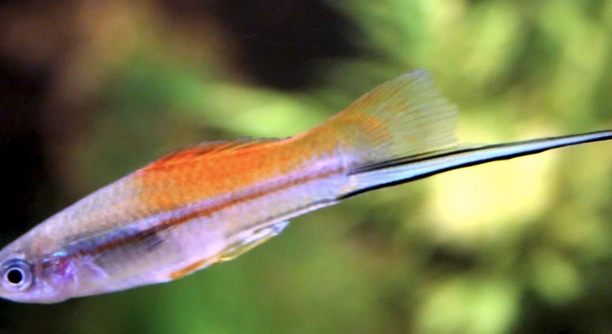
Swordtails are popular aquarium fish known for their vibrant colors and active behavior. However, like all fish, they can experience stress, which may lead to health issues or even death if not properly managed.
Swordtails can indeed die from stress. Stressors such as poor water quality, overcrowding, sudden temperature changes, or aggressive tankmates can weaken their immune system and make them more susceptible to illness. Managing these factors is essential for their well-being.
By understanding the causes of stress and taking appropriate actions, you can create a healthier environment for your swordtail fish. With the right care, they can thrive in your aquarium.
Understanding Stress in Swordtails
Swordtails are sensitive fish that can be easily stressed by various factors in their environment. Common stressors include poor water quality, overcrowding, and changes in water temperature. When stressed, swordtails may display signs such as erratic swimming, hiding, or loss of appetite. Prolonged stress weakens their immune system and makes them more prone to diseases, which can ultimately lead to death if not addressed. It’s important to regularly check water parameters like pH, ammonia levels, and temperature to ensure that the environment is ideal for your swordtail.
Stress can also be triggered by aggressive tankmates. Swordtails are peaceful by nature, and having aggressive or territorial fish in the same tank can cause them significant distress. Ensuring that tankmates are compatible is crucial for maintaining a calm environment. If possible, provide hiding spots where swordtails can retreat to avoid stress. This will allow them to feel secure and help prevent the negative effects of aggression from other fish.
Providing a stress-free environment is vital for swordtails’ health and longevity. By focusing on the key factors of water quality, tankmate compatibility, and hiding spaces, you can create a peaceful home for your fish.
How to Prevent Stress in Swordtails
One of the best ways to prevent stress is by maintaining a stable tank environment. Regular water changes and proper filtration can keep the water clean and safe for your swordtail. Avoid overfeeding and ensure the tank is not overcrowded, as both can contribute to stress.
Make sure your swordtail has enough space to swim and explore. A tank that is too small or lacking hiding spaces can make them feel trapped and stressed. If you notice signs of stress in your swordtail, it’s important to identify the cause quickly to prevent any long-term damage to its health.
The Role of Water Quality in Stress Management
Water quality is one of the most important factors in preventing stress. Swordtails need clean, well-maintained water to thrive. Poor water conditions can lead to harmful bacteria buildup, affecting their health. Regular water changes and proper filtration will help maintain ideal conditions.
Ammonia and nitrites are particularly harmful to swordtails. Even low levels can cause stress and make them vulnerable to diseases. Testing your water regularly is essential to ensure that these levels remain safe. Additionally, ensure that your water temperature stays consistent within the recommended range, as drastic changes can also stress out your fish.
Keeping the water clean not only helps reduce stress but also ensures that your swordtails live a long, healthy life. The more effort you put into monitoring water conditions, the better the chances are that your fish will remain stress-free and happy.
Tank Size and Overcrowding
Overcrowding is another common cause of stress for swordtails. It’s important to ensure that the tank is large enough for the number of fish you have. Too many fish in a small tank can create territorial disputes and limit space for swimming, both of which can lead to stress.
A general rule is to have at least 10 gallons of water for every 2-3 swordtails. Having enough space helps reduce competition for resources and allows swordtails to establish their own space. Providing plants or decorations will also help create hiding places, which are essential for swordtails when they feel threatened.
When planning your tank, always take into consideration the adult size of the fish and their behavior. Swordtails are active swimmers, and they need room to move around without feeling cramped.
Aggressive Tankmates
Aggressive fish can cause significant stress for swordtails. These fish are generally peaceful and prefer a calm environment. Tankmates that display territorial behavior or chase them around will stress them out, leading to poor health or even death. Choosing peaceful, compatible tankmates is key.
When setting up a tank, research the behavior of all potential species. Swordtails do best with other peaceful community fish. Avoid adding overly aggressive fish that might bully them, as this will only lead to constant stress. Giving your swordtail space to retreat helps reduce the impact of any aggression.
Temperature Fluctuations
Temperature fluctuations are another stress factor for swordtails. They are sensitive to drastic changes in water temperature, which can disrupt their metabolism and immune system. Swordtails prefer stable water temperatures between 72-79°F (22-26°C).
A reliable heater is essential in maintaining a consistent temperature. Sudden changes, such as placing your tank near a window or air conditioning, can cause swings in temperature that stress your fish. Monitor the water regularly and adjust accordingly to keep the environment as stable as possible.
Providing Hiding Spots
Hiding spots are important for reducing stress. Swordtails, like many fish, need a safe place to retreat when they feel threatened. These spots provide security and help them relax. Adding plants, rocks, or decorations that offer shelter will help create a peaceful environment for your fish.
FAQ
Can swordtails show signs of stress?
Yes, swordtails can show several signs of stress. Common indicators include erratic swimming, hiding more than usual, loss of appetite, and faded coloration. If your swordtail is behaving differently or not eating, it could be a sign of stress. Monitor the water quality and tank conditions closely to determine the cause. Prolonged stress can lead to a weakened immune system, making your swordtail more vulnerable to diseases.
How do I know if my swordtail is stressed?
Look for signs like lethargy, rapid breathing, or avoiding other fish. Swordtails usually swim actively and interact with other fish, so if they’re suddenly hiding or staying in one spot, something might be wrong. Stress can also cause fin clamping, where the fish holds its fins close to its body. Watch closely for these subtle changes in behavior, and address the underlying issues, like poor water quality or incompatible tankmates.
Can I put swordtails with other fish?
Yes, swordtails are generally peaceful fish that do well in community tanks with other non-aggressive species. However, avoid placing them with aggressive fish that might cause stress. Species like tetras, guppies, or other livebearers typically make good tankmates. It’s crucial to research the temperament of each fish before introducing them to avoid stress and aggression.
How often should I change the water in a swordtail tank?
Water changes should be done regularly to maintain a healthy environment for your swordtails. It’s recommended to change 25-30% of the water every 1-2 weeks. If you have a heavily stocked tank or poor filtration, more frequent changes may be necessary. Always use a water conditioner to remove harmful chemicals like chlorine when doing water changes.
What is the ideal water temperature for swordtails?
Swordtails prefer a water temperature between 72-79°F (22-26°C). Fluctuations outside this range can stress your fish and affect their health. Use an aquarium heater to maintain a consistent temperature, as rapid changes can weaken their immune system. Keep the temperature stable to help your swordtails thrive.
What causes swordtail fish to die?
Swordtails can die from various factors, with stress being a significant cause. Poor water quality, overcrowding, aggressive tankmates, temperature fluctuations, and insufficient oxygen levels can all contribute to stress and eventual death. It’s essential to create a stable, peaceful environment with proper water conditions to prevent this. Regular monitoring of water parameters is crucial to avoid health issues.
Can swordtails survive in cold water?
Swordtails are tropical fish and do not fare well in cold water. They thrive in warmer temperatures and will become stressed in cold water, leading to weakened immune systems and potential illness. Always ensure that the water temperature remains within the recommended range of 72-79°F (22-26°C) for their well-being.
How can I help my swordtail feel more secure?
To help your swordtail feel more secure, add plants, rocks, and decorations to the tank. These provide hiding spots and create territories, which help reduce stress. Swordtails feel less exposed when they have places to retreat to, especially if there are other more aggressive or dominant fish in the tank. A well-decorated tank also mimics their natural habitat, helping them feel more at ease.
Do swordtails need a filter?
Yes, swordtails need a filter to maintain water quality. A good filtration system removes waste and harmful chemicals, keeping the water clean and healthy for your fish. Without a filter, harmful substances like ammonia and nitrites can build up, which can stress or even harm your swordtails. Always ensure the filter is running efficiently and clean it regularly.
What is the best tank size for swordtails?
The best tank size for swordtails depends on the number of fish you have. A 20-gallon tank is usually sufficient for a small group of swordtails. For every additional fish, add 5-10 gallons of water to provide enough swimming space. Overcrowding can lead to stress and territorial disputes, so it’s important to avoid cramming too many fish into a small tank. A spacious tank with plenty of room for your swordtails to swim will reduce stress.
Can swordtails live with shrimp?
Swordtails can live with shrimp, but it’s essential to consider the species of shrimp. Peaceful shrimp like cherry shrimp are often compatible with swordtails, as swordtails typically won’t harm them. However, larger or more aggressive shrimp species might clash with swordtails. Additionally, swordtails may nip at baby shrimp, so it’s important to keep that in mind when setting up a community tank.
Why is my swordtail swimming in circles?
Swimming in circles can be a sign of stress or poor water conditions. It might indicate that your swordtail is feeling trapped or disoriented due to overcrowding or water quality issues. Check the tank’s water parameters, including temperature, pH, and ammonia levels. It could also be a sign of illness, so observe closely for other symptoms like loss of appetite or lethargy.
Do swordtails need a light on their tank?
Swordtails don’t need constant lighting, but they do require a light cycle to maintain a healthy environment. A natural light-dark cycle is ideal for swordtails. They benefit from about 8-12 hours of light per day. Too much light can stress them out, leading to algae growth and poor water quality. Use a timer to maintain a consistent light schedule.
Final Thoughts
Swordtails are generally hardy fish, but like all pets, they require attention and care. Stress is one of the main factors that can negatively impact their health, so it’s important to recognize the signs early. Creating a peaceful, stable environment is key to their well-being. A consistent water temperature, good tank mates, and proper tank maintenance can help minimize stress. Remember that these fish thrive in a balanced ecosystem, where water quality and social conditions are managed correctly.
If you’ve noticed any stress-related behaviors in your swordtails, it’s crucial to address the issue quickly. Monitor water parameters such as pH, ammonia, and nitrate levels. These factors can play a huge role in preventing stress and illness. Regular water changes, proper filtration, and adding hiding spots for your swordtail will also go a long way in ensuring a stress-free environment. Swordtails are social fish, so it’s also helpful to keep them in groups and avoid aggressive tankmates.
Overall, taking the time to understand your swordtail’s needs and behaviors will make all the difference. While they’re fairly easy to care for, they do require a stable and peaceful environment to thrive. Stress is preventable with the right tank setup and routine care. If you provide the right conditions, swordtails can live long, healthy lives, full of vibrant color and activity. Make sure to keep an eye on their behaviors and the tank conditions, and your swordtail will likely reward you with its lively and friendly nature.

Hello,
If you enjoy the content that we create, please consider saying a "Thank You!" by leaving a tip.
Every little bit helps us continue crafting quality advice that supports the health, happiness, and well-being of pets around the world, for pets of all shapes, sizes, and species.
We really appreciate the kindness and support that you show us!