
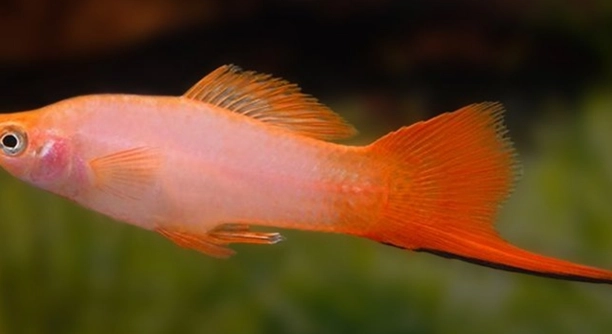
Starting out with swordtail fish can raise many questions for new owners. These colorful and active fish are a great addition to your aquarium, but understanding their care needs is important for their well-being.
The most common questions from first-time swordtail owners involve water parameters, feeding habits, tank mates, and breeding practices. By addressing these topics, you can create a healthy and thriving environment for your swordtails.
We’ll cover the essentials that every first-time owner should know to provide the best care for their swordtails.
What Do Swordtails Need in Their Tank?
Swordtails thrive in tanks with plenty of space and stable water conditions. The ideal tank size for swordtails is at least 20 gallons, allowing them to swim freely. They are social fish, so it’s best to keep them in groups, which helps reduce stress and encourages natural behavior. Swordtails prefer slightly alkaline water with a temperature between 72-79°F (22-26°C). Keep the tank clean by performing regular water changes to maintain optimal water quality.
Adding live plants to the tank can benefit swordtails, offering hiding spots and natural beauty. Floating plants are particularly appreciated, as they provide both shelter and a place to rest. Be cautious with decorations that have sharp edges, as they can harm the delicate fins of your swordtails.
Swordtails are active swimmers, so they require enough swimming space. A well-planted aquarium with smooth decorations and a reliable filtration system will keep them healthy and stress-free. It’s also important to avoid overcrowding, as this can lead to water quality issues.
What Should You Feed Swordtails?
Feeding swordtails is simple, but providing a balanced diet is essential for their health. Swordtails are omnivores, so they will accept a wide variety of foods, including high-quality flake food, pellets, and occasional live or frozen treats like brine shrimp and bloodworms.
Swordtails are not picky eaters, but it’s important to offer them a varied diet to keep them healthy. They require a mix of plant matter and animal protein. You can supplement their diet with blanched vegetables like zucchini or spinach to help meet their nutritional needs. Be sure to feed them small portions two to three times per day, as overfeeding can lead to poor water quality. Swordtails have small stomachs, so it’s better to give them smaller amounts more often.
If you have multiple swordtails, keep an eye on feeding times to ensure each fish gets its share. Swordtails are quick eaters, so any slow eaters may miss out. A balanced diet helps maintain their vibrant colors and supports overall health.
How to Set Up the Right Water Conditions
Maintaining the right water conditions is key for swordtails. Stable water temperature, pH, and hardness are essential for their well-being.
Swordtails prefer a slightly alkaline pH of 7.0 to 8.0 and moderate water hardness. The temperature should stay between 72-79°F (22-26°C). Fluctuations in these conditions can stress your swordtails, making them more susceptible to disease. Regular water tests help monitor pH, ammonia, nitrate, and nitrite levels. A good filtration system will keep the water clean, but regular water changes are also necessary.
It’s a good idea to invest in a reliable thermometer and water test kit to ensure optimal water parameters. Swordtails also appreciate slightly soft water but can adapt to harder water. Pay attention to these details to prevent health issues and maintain a thriving tank environment.
How to Manage Swordtail Breeding
Swordtails are livebearers, meaning they give birth to live fry instead of laying eggs. If you’re considering breeding, keep in mind that swordtails breed easily, and their fry can quickly overwhelm your tank.
To manage breeding, make sure to keep a proper male-to-female ratio. Ideally, there should be two females for every male to avoid stress on the females. When breeding is successful, fry will need to be separated from adult fish to prevent them from being eaten. Set up a breeding tank or use a breeding box within the main tank to give the fry a safe space.
It’s important to keep an eye on the growth of fry and make sure they have plenty of hiding spots. As they grow, you can begin to introduce them to the main tank. Overcrowding the tank can lead to water quality issues, so be sure to monitor the fry’s development and adjust as needed.
What Are the Best Tank Mates for Swordtails?
Swordtails are peaceful fish that get along with most other species. However, they do best with similarly sized fish that are not overly aggressive.
Avoid keeping swordtails with fin-nipping species or very small fish that might become prey. Ideal tank mates include other livebearers like guppies and platies, as well as peaceful community fish like tetras or corydoras catfish.
Swordtails are social creatures and thrive in groups. Keeping them with other peaceful fish will reduce stress and encourage natural behaviors. Make sure to research each species’ temperament before introducing them to the tank to avoid conflicts.
How to Recognize Male and Female Swordtails
Distinguishing between male and female swordtails is relatively simple. Males are typically smaller with long, pointed tails, while females have a broader, rounder body and a shorter tail.
Male swordtails also display more vibrant colors, especially during mating season. They can be quite active, often displaying their tails to attract females. In contrast, females tend to be more subdued in color but are often larger and rounder due to their role in carrying fry. Understanding the difference helps when managing breeding or social groups.
Common Swordtail Health Problems
Swordtails are generally hardy fish, but they can still experience health issues. Common problems include fin rot, ich, and internal parasites.
Proper water quality and a balanced diet are the best ways to prevent illness. However, if you notice signs of disease such as faded colors, abnormal swimming, or visible lesions, it’s important to act quickly. Quarantining infected fish and adjusting water parameters can help prevent the spread of illness to other tank inhabitants.
FAQ
How often should I feed my swordtails?
Swordtails should be fed 2 to 3 times a day. They will eat most types of food, but a balanced diet of flakes, pellets, and occasional live or frozen foods like brine shrimp or bloodworms will keep them healthy.
Avoid overfeeding, as it can lead to poor water quality and obesity. Only feed what they can consume in 2 to 3 minutes. Adjust portions based on how much food is being eaten, and remove any uneaten food after feeding to maintain water cleanliness. Swordtails tend to overeat, so monitoring feeding habits is crucial for keeping them healthy.
Do swordtails need a heater in their tank?
Yes, swordtails thrive in water that stays between 72-79°F (22-26°C). Without a heater, it can be difficult to maintain this temperature range, especially in cooler environments.
A heater is especially important in colder months or for those who keep tanks in rooms with fluctuating temperatures. A stable temperature promotes optimal health and encourages natural behaviors. It’s also important to use a thermometer to keep track of water temperature. Sudden temperature changes can stress swordtails and make them more susceptible to diseases.
Can swordtails live with other fish?
Swordtails are generally peaceful and get along well with other non-aggressive fish. However, they can be territorial and may show aggression towards similar-sized males, especially during breeding.
Tank mates like guppies, platies, corydoras, and peaceful tetras are great options. Avoid keeping swordtails with aggressive species like bettas or fin-nippers that might harm them. Swordtails are also active swimmers, so ensure your tank has enough space to accommodate all its inhabitants. Proper tank size and a balance of peaceful species are key to maintaining a harmonious environment.
How do I breed swordtails?
Breeding swordtails is relatively easy. Start with a healthy pair or group, ensuring there’s a higher number of females to males to avoid stress. Swordtails are livebearers, meaning they give birth to live fry rather than laying eggs.
Ensure your tank is well-planted, providing hiding spaces for the fry once born. When the female is ready to give birth, she’ll look noticeably rounder. Once the fry are born, separate them from the adults to prevent them from being eaten. They’ll need small, nutritious food to grow. Fry can be raised in a breeding box or a separate tank, and as they grow, you can reintroduce them to the main tank.
What is the lifespan of a swordtail?
Swordtails typically live between 3 and 5 years, depending on water conditions, diet, and overall care. Some may live longer with proper maintenance, while poor water quality or stress can shorten their lifespan.
To help your swordtails live a long, healthy life, maintain stable water conditions, feed a well-balanced diet, and avoid overcrowding the tank. Regular water changes and monitoring the tank’s cleanliness will help ensure their longevity. Healthy swordtails also tend to exhibit vibrant colors and active swimming behavior.
Why are my swordtails fighting?
Male swordtails can sometimes become territorial and aggressive, particularly if there are too many males in the tank. This aggression is often seen when they compete for females.
To reduce fighting, maintain a higher female-to-male ratio, as this helps spread the attention of the males. Providing plenty of hiding spots and plants in the tank can also help reduce aggression. If fights persist, consider removing the most aggressive males or adjusting the tank layout to give each fish more space. Avoid keeping swordtails with overly territorial or aggressive species.
How can I tell if my swordtail is sick?
Signs of illness in swordtails include faded colors, abnormal swimming behavior (such as floating upside down or staying at the bottom of the tank), and visible lesions or sores on the body. A decrease in appetite or labored breathing can also indicate health problems.
Regular water changes and maintaining water quality can prevent many illnesses. If you notice these symptoms, quarantine the sick fish to prevent spreading any potential diseases to other tank mates. Consult a vet or treat the tank with appropriate medications if necessary. Early intervention can help save your fish from serious health problems.
Are swordtails easy to care for?
Yes, swordtails are relatively low-maintenance and easy to care for, making them great choices for beginner aquarium owners. They adapt well to a variety of conditions and are generally hardy fish.
Providing them with a clean tank, stable water conditions, and a proper diet is enough to keep them healthy. Swordtails are active swimmers and enjoy a well-planted aquarium, so adding plants and hiding spots can improve their environment. Regular water changes and monitoring the tank’s conditions will ensure they stay happy and healthy.
Why is my swordtail’s tail not growing?
If your swordtail’s tail is not growing, it may be a result of stress, poor water conditions, or malnutrition. Swordtails need clean water, proper temperature, and a balanced diet to grow properly.
Ensure the tank is large enough and not overcrowded. A high fish population can create stress and slow down growth. Also, check the water quality regularly and make adjustments as necessary. A varied diet of both plant-based and protein-rich foods will support their growth. If conditions improve, your swordtail’s tail should begin to grow again.
What do swordtails like to do?
Swordtails are active and curious fish. They enjoy swimming around the tank, exploring their environment, and socializing with other fish. They also enjoy resting among plants and decorations.
Providing hiding spaces and plenty of swimming room will keep your swordtails happy and less stressed. They are also known for their playful behavior, especially when they are kept in groups. Ensuring they have enough space to swim freely and plenty of food will keep them engaged and active.
How do I stop swordtails from jumping out of the tank?
Swordtails can sometimes jump out of tanks, especially if they are startled or if the water quality is poor. To prevent this, ensure your tank has a secure lid or cover.
The tank should be covered with a lid that allows air circulation but prevents any fish from leaping out. If you notice your swordtail attempting to jump, check the water quality, as poor conditions can lead to stress. Make sure the water temperature is stable and the fish are not overcrowded.
Final Thoughts
Swordtails are relatively easy to care for, making them a great option for both beginner and experienced aquarium owners. Their peaceful nature and ability to adapt to various water conditions allow them to thrive in a well-maintained tank. With the right environment, proper feeding, and occasional maintenance, swordtails can live a long, healthy life. They are also active and social, providing a lot of movement and color to your aquarium.
It’s important to remember that swordtails do require some attention to their water conditions. Regular water changes and monitoring the temperature will keep them happy and stress-free. Avoid overcrowding the tank and ensure that the fish have enough space to swim comfortably. The right tank mates, along with a balanced diet, also contribute to the health and well-being of your swordtails. Creating an environment that allows them to feel secure and stress-free will encourage their natural behavior and vibrant colors.
Breeding swordtails is an easy and rewarding experience, especially when you have the proper setup. They reproduce quickly and without much effort, making them an interesting addition to a well-maintained aquarium. By understanding their needs and taking proper care, swordtails can thrive in any tank, providing enjoyment and a beautiful display for years. With their easy-going nature and colorful appearance, swordtails are a wonderful addition to any aquarium setup.

Hello,
If you enjoy the content that we create, please consider saying a "Thank You!" by leaving a tip.
Every little bit helps us continue crafting quality advice that supports the health, happiness, and well-being of pets around the world, for pets of all shapes, sizes, and species.
We really appreciate the kindness and support that you show us!