
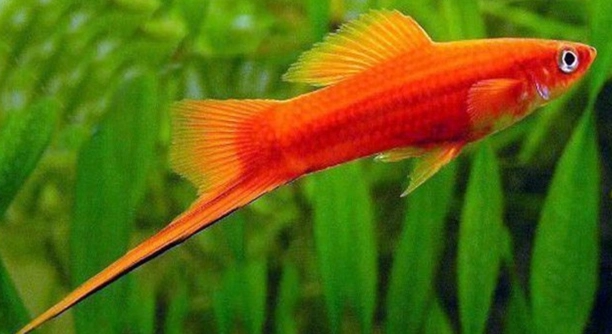
Swordtail fish are known for their ability to reproduce in large numbers, often leaving many aquarium owners wondering how many fry one fish can have. Understanding the reproductive capacity of swordtails is important for their care and management.
Swordtail fish can give birth to anywhere from 20 to 100 fry per litter, depending on the size and age of the fish. Generally, mature and healthy female swordtails tend to have larger numbers of fry in each batch.
Knowing this will help you prepare for the rapid growth of your swordtail population and ensure their well-being in your tank.
Factors That Influence the Number of Fry
The number of fry a swordtail fish produces can be affected by several factors, including the age, health, and size of the female. Younger females might produce fewer fry, while older, more mature swordtails can have larger batches. The water temperature and overall tank conditions also play a significant role in determining how many fry a fish will carry. Swordtails tend to breed more frequently in warm, stable environments with plenty of space to thrive. In addition, the diet of the female can impact the health of the fry. A well-fed fish with access to proper nutrients tends to have stronger, more numerous offspring.
The more stable and ideal the environment, the higher the likelihood of a larger batch of fry. This is why many aquarium owners closely monitor the conditions to encourage healthy breeding.
By optimizing their environment, you can expect swordtail fish to breed successfully and produce vibrant, healthy fry. Proper care ensures that the fry will grow into healthy adults, contributing to a thriving tank.
What Happens After Birth?
Once swordtail fry are born, they are quite small but develop quickly. They tend to scatter in all directions to avoid predators, even in an aquarium. Since swordtail fry are born fully formed, they don’t rely on their parents for care. In fact, it’s common for the adults to ignore their young after birth. The fry rely on their instincts to survive and start looking for food shortly after birth. It’s important to separate them from adult fish, especially males, to prevent them from becoming prey.
Taking immediate action to protect the fry can make a big difference in their survival rate. This means providing them with small food options, such as powdered fish food or freshly hatched brine shrimp, until they are large enough to eat standard food.
How to Manage Swordtail Fry in a Tank
Once swordtail fry are born, it’s important to have a plan for managing them. A separate tank or breeding box can help keep the fry safe from the adult fish. This ensures they aren’t eaten and gives them space to grow without competition. In a well-maintained, separate environment, they can thrive until they’re large enough to integrate with the adults.
In the first few weeks, fry are especially vulnerable. They need calm water and easy access to food. Keeping the water temperature stable between 75-80°F (24-27°C) and using gentle filtration can prevent stress. A fine mesh net or breeding box will also prevent the fry from being sucked into the filter.
At this stage, you should feed them fine, nutritious food like liquid fry food, powdered fish food, or infusoria. It’s crucial to avoid overfeeding, as leftover food can pollute the water quickly, affecting their health. Regular water changes are essential to maintain water quality for the growing fry.
Ideal Water Conditions for Fry Growth
Maintaining the right water conditions is essential for swordtail fry development. Water temperature, pH, and hardness can influence the growth rate and overall health of the fry. Swordtails prefer water temperatures ranging from 75-80°F (24-27°C), with slightly alkaline water and a pH level between 7.0 and 8.0. This will create an environment that encourages healthy growth and breeding.
Good filtration and regular water changes are necessary to keep the fry’s living space clean. Overcrowding can lead to stress and disease, so it’s important to provide enough room for the fry to swim freely. Additionally, soft water is preferred by swordtails, but hard water can be tolerated with proper care.
Feeding Swordtail Fry
Swordtail fry need small, nutritious food to grow strong and healthy. In the first few weeks, their mouths are tiny, so food should be powdered or in liquid form. You can use specially designed fry food or baby brine shrimp. It’s important to feed them multiple times a day to promote steady growth.
Overfeeding can be harmful, leading to poor water quality. Only give enough food that the fry can consume in a few minutes. Removing any leftover food can prevent water contamination, which can harm the fry.
The Importance of Separation
Separating swordtail fry from adult fish is crucial for their survival. Adult fish, especially males, may eat the small fry. To ensure the fry are protected, use a breeding box or separate tank. This also reduces the risk of overcrowding in the main tank.
In their own space, the fry can grow without the stress of competing with adults for food and space. Regularly monitor the fry for signs of stress or illness. Providing proper care will help them thrive as they grow.
FAQ
How long does it take for swordtail fry to grow?
Swordtail fry grow quickly, especially in optimal conditions. Within the first month, they can grow from tiny fry to noticeable fish, reaching about 1 inch (2.5 cm) in length. By 2 to 3 months, they can reach their adult size, which is typically 2-3 inches (5-7.5 cm) for males and 3-4 inches (7.5-10 cm) for females. Proper water conditions, food, and space can speed up this growth process.
How often should I feed swordtail fry?
Swordtail fry should be fed 3 to 4 times a day, offering small amounts of food that they can consume within a few minutes. Fry need frequent feedings because they have high metabolic rates. Offer them a variety of foods, like powdered fry food, liquid food, or baby brine shrimp. Monitor the water quality, as excess food can cause pollution.
When can I move swordtail fry to the main tank?
Fry can be moved to the main tank once they are about 1 inch (2.5 cm) long and can eat the same food as the adults. By this time, they should be strong enough to avoid being eaten by adult swordtails. Before introducing them to the main tank, ensure that they are large enough to compete for food and avoid being stressed by the other fish.
Do swordtail fry need a heater?
Yes, swordtail fry do better in stable water temperatures. A heater is recommended, especially if your aquarium’s room temperature fluctuates. The ideal temperature for fry is between 75-80°F (24-27°C). Maintaining this range will help support healthy growth and prevent stress that could hinder their development.
Can swordtail fry survive in a community tank?
While adult swordtails can coexist in a community tank, fry are very vulnerable. They are easily eaten by larger fish. If you’re keeping a community tank, it’s best to either separate the fry or use a breeding box to protect them. This will also allow the fry to grow without competition from larger fish for food.
How can I tell the difference between male and female swordtail fry?
It’s hard to tell the difference between male and female swordtail fry when they are very young. However, as they grow, males start to show more color and develop a sword-like extension on their tails, which is the defining characteristic of the species. Females remain larger and more rounded, with a more subdued coloration. These differences usually become clearer at about 6 to 8 weeks old.
Why do swordtail fry hide?
Fry instinctively hide to avoid predators, including adult swordtails. They may find shelter among plants, decorations, or even in corners of the tank. This is a natural defense mechanism that helps them survive until they are large enough to swim more freely. Ensuring your tank has plenty of hiding places can help them feel safer.
Can I breed swordtails in a community tank?
Yes, swordtails can breed in a community tank, but the fry will need protection. It’s difficult to prevent adult fish from eating the fry unless they are separated. If you’re planning to breed swordtails in a community tank, consider using a breeding box or separate area to allow the fry to grow without being eaten.
How many times can a swordtail give birth?
Female swordtails can give birth every 4 to 6 weeks, depending on their age and health. The process is called “live-bearing,” where the female holds the eggs inside and then gives birth to fully developed fry. After each birth, the female can become pregnant again almost immediately. Proper care of the female ensures healthy, frequent births.
What do I do with excess swordtail fry?
If you find yourself with more swordtail fry than you can care for, you have a few options. You can sell or give away the fry to local fish stores or other aquarium hobbyists. Some aquarium owners may be willing to take them off your hands. Alternatively, you can donate them to community centers or pet stores that accept fish donations.
Are swordtail fry easy to care for?
Swordtail fry are generally easy to care for, as long as you maintain clean water conditions, provide proper food, and protect them from adult fish. Fry are delicate in the beginning, but once they reach a certain size, they become more resilient. Their care is similar to that of the adults, but with a focus on smaller food and more frequent feedings.
How can I prevent swordtail fry from being eaten?
To prevent swordtail fry from being eaten, use a breeding box or separate tank. Adult fish, especially males, may see the fry as food. Ensuring plenty of hiding spots in the tank can also reduce the chances of them being eaten. Once the fry are large enough, they can be introduced to the main tank without the risk of predation.
How do I breed swordtail fish successfully?
To breed swordtails successfully, ensure that you have a healthy male and female in the right environment. Swordtails are livebearers, meaning the female will give birth to live fry. The water conditions should be optimal—temperature between 75-80°F (24-27°C), pH level between 7.0 and 8.0, and soft to moderately hard water. Providing nutritious food and a stress-free environment will encourage breeding.
Final Thoughts
Caring for swordtail fry requires attention to their needs in the early stages of growth. From the moment they are born, they need a safe and stable environment to thrive. A separate tank or breeding box helps protect the tiny fry from adult fish that may view them as food. Proper water conditions, including temperature, pH levels, and filtration, are essential to ensure healthy development. Without these basic conditions in place, the fry may not survive or grow properly. Keeping a close eye on water quality and feeding practices will also help prevent any issues from arising.
Feeding swordtail fry requires careful attention. As they are tiny, they need specially prepared food that is small enough for their mouths to handle. Offering food multiple times a day helps them grow quickly and stay healthy. However, overfeeding should be avoided as leftover food can pollute the water and harm the fry. It is important to provide a variety of food options like powdered fry food, baby brine shrimp, and liquid food. Monitoring the fry’s growth and adjusting their feeding habits will support their development into strong, adult fish.
Finally, patience and consistency are key to successfully raising swordtail fry. It may take several months for them to grow big enough to live in the main tank with the adult fish, but the process is well worth it. By keeping the fry in an optimal environment, providing regular feedings, and maintaining clean water, you can ensure that the fry will grow into healthy swordtail fish. Once they are ready, they can be moved to the main tank, where they will continue to thrive and integrate into the community. With careful care, swordtail fry can grow into beautiful adult fish.

Hello,
If you enjoy the content that we create, please consider saying a "Thank You!" by leaving a tip.
Every little bit helps us continue crafting quality advice that supports the health, happiness, and well-being of pets around the world, for pets of all shapes, sizes, and species.
We really appreciate the kindness and support that you show us!