
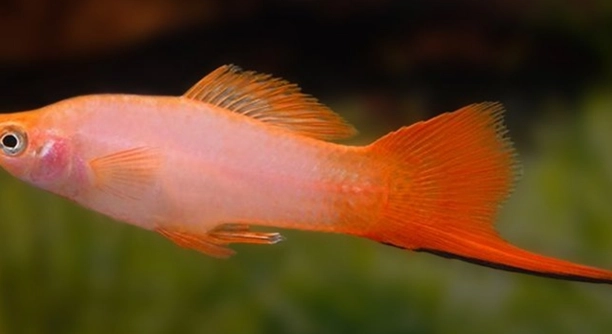
Swordtails are popular aquarium fish, but their behavior can sometimes puzzle owners. One common issue is when swordtails nip at each other’s fins. Understanding the reasons behind this behavior can help improve the health and happiness of your fish.
Swordtails nip fins due to a variety of reasons, including stress, territoriality, overcrowding, or improper tank conditions. In some cases, it may be a result of aggression or boredom. Addressing these factors can help reduce the fin-nipping behavior.
Addressing these issues requires a few practical steps that can significantly improve your swordtails’ well-being. With the right approach, you can prevent further fin damage and ensure a peaceful environment for all your fish.
Why Do Swordtails Nip Fins?
Swordtails can be friendly fish, but they sometimes nip at each other’s fins. There are a few reasons for this behavior, often related to the conditions they live in. One of the main factors is stress. When swordtails feel uneasy or crowded, they may lash out. Overcrowding in the tank can lead to a lack of space, causing fish to become aggressive. Poor water quality can also trigger this response, as swordtails may become frustrated by the conditions. Additionally, they are territorial by nature, and their fins may become a target in these situations.
Swordtails might also nip if they’re bored or under-stimulated. Fish, like all animals, need mental stimulation to stay happy. Without enough space to swim or something to engage with, they may start showing unwanted behaviors like fin-nipping.
Stress, poor water conditions, and lack of space can all make swordtails act aggressively. These issues need to be corrected to prevent them from damaging each other’s fins. Making these changes will lead to happier fish in your tank.
How to Fix Fin-Nipping
To solve the fin-nipping problem, you need to first assess the environment your swordtails are living in. The tank size is crucial. Swordtails need ample space to swim around without feeling cramped. If the tank is overcrowded, they may start fighting for territory, and this often leads to fin damage.
Maintaining clean, stable water conditions is another important step. Swordtails, like many fish, thrive in water that’s properly filtered and balanced. Ammonia, nitrites, and nitrates can irritate them, making them more likely to engage in aggressive behavior. Regular water changes, along with checking the water’s pH and temperature, can create a calmer atmosphere for your fish.
Another fix is adding plants or hiding spots in the tank. Swordtails are less likely to nip if they feel like they have a place to retreat when they feel stressed. Providing these hiding spots can help reduce aggression and create a more peaceful environment overall. Adding a few decorations to break up the visual space in the tank will also make them feel safer and less territorial.
Tank Size and Overcrowding
A too-small tank can cause a lot of stress for swordtails, leading to fin-nipping. Overcrowding is a common issue that triggers aggressive behavior in fish. Swordtails need ample space to swim freely, especially if you have multiple fish.
If the tank is overcrowded, swordtails will start competing for space and territory, making them more likely to nip each other. This can lead to damaged fins and increased stress. As a rule, each swordtail should have at least 10 gallons of space in the tank, with a little extra room if you add more fish.
A larger tank reduces the chances of overcrowding and gives swordtails the room they need to move around comfortably. Keeping your swordtails in a spacious environment encourages peaceful behavior and helps avoid unnecessary stress. It’s one of the easiest ways to create a healthier and happier habitat for your fish.
Water Quality
Poor water quality is another major factor in swordtail fin-nipping. Dirty or improperly maintained water can lead to irritation, making swordtails more likely to nip. Regular water changes and proper filtration are essential to keep the environment healthy.
When the water is polluted, swordtails may act out due to stress. Ammonia or high levels of nitrites and nitrates are common problems in tanks that aren’t cleaned regularly. Even small shifts in pH or temperature can trigger aggression. To fix this, make sure to test your water regularly and do water changes about once a week.
Adding a good-quality filter will also help maintain clean water and reduce the buildup of harmful substances. Swordtails will feel much better in a stable, clean environment, and their fin-nipping behavior will likely subside. Keeping the water quality in check is one of the simplest fixes you can do to improve their well-being.
Stress Reduction
Stress is a significant factor in swordtail fin-nipping. When they are anxious or uncomfortable, swordtails may nip at each other’s fins. This can be triggered by poor water conditions, overcrowding, or aggressive tankmates.
To reduce stress, create a calm environment for your swordtails. Providing plenty of hiding spots, plants, and decorations can help them feel secure. Keep the tank environment stable by maintaining appropriate water temperature and quality.
Aggressive Tankmates
Swordtails can become stressed when housed with aggressive tankmates. Other fish that are too territorial or assertive can cause swordtails to nip back in defense.
To avoid this, choose peaceful fish that won’t disturb your swordtails. Avoid putting them with species that are known for aggression, such as fin-nippers or overly territorial fish. By selecting compatible tankmates, you help your swordtails feel safe and reduce the chances of fin damage.
FAQ
Why do swordtails nip each other’s fins?
Swordtails nip each other’s fins for several reasons, including stress, overcrowding, poor water quality, or aggression. When swordtails feel cramped or threatened, they may resort to nipping. This behavior can also be triggered by the tank’s environment or by their tankmates.
Can swordtails live with other fish?
Yes, swordtails can live with other fish, but it’s essential to choose tankmates that are peaceful and won’t stress them out. Aggressive or territorial fish can cause swordtails to nip. Fish like tetras, guppies, and mollies typically get along well with swordtails.
How can I prevent swordtails from nipping?
To stop swordtails from nipping, ensure the tank is large enough to accommodate them comfortably. Keep the water clean and stable, provide hiding spots, and avoid overcrowding. Also, choose peaceful tankmates that won’t trigger aggressive behavior.
How do I know if my swordtail is stressed?
Stressed swordtails may exhibit unusual behavior such as swimming erratically, hiding more than usual, or appearing to be less active. They may also display damaged fins from nipping. If you notice these signs, it’s a good idea to check their tank environment and water quality.
Do swordtails need a lot of space?
Yes, swordtails need enough space to swim freely. An overcrowded tank can lead to stress and fin-nipping behavior. Ideally, each swordtail should have at least 10 gallons of water. The more space they have, the healthier and happier they will be.
Can swordtails live alone?
While swordtails can technically live alone, they are social creatures that thrive in groups. Keeping them with a few other swordtails will make them feel more secure and reduce the likelihood of aggression. They are also more active and less stressed in groups.
How often should I change the water for swordtails?
Water changes are crucial for maintaining a healthy environment for swordtails. Aim for at least a 25-30% water change every week. Regular water changes will help keep the water clean, remove toxins, and provide a healthier living environment for your swordtails.
What temperature should the water be for swordtails?
Swordtails prefer water temperatures between 72°F and 78°F (22°C to 26°C). Temperatures that are too high or low can cause stress, leading to fin-nipping and other health problems. Keep a reliable thermometer in the tank to monitor and maintain the right temperature.
Do swordtails require special tank decorations?
Swordtails don’t require special decorations, but they do benefit from plants, rocks, and hiding spots. These elements provide them with a more natural environment, reduce stress, and give them places to retreat if they feel threatened. It’s a good idea to use soft plants to avoid fin damage.
Can fin-nipping be harmful to swordtails?
Yes, fin-nipping can cause significant harm to swordtails. Damaged fins can lead to infections and stress, making the fish more vulnerable to other health issues. If fin-nipping is occurring, addressing the root cause is essential to prevent further injury and ensure the fish’s well-being.
How do I know if my swordtail is healthy?
A healthy swordtail is active, swims smoothly, and eats regularly. They should have clear eyes, vibrant colors, and undamaged fins. If your swordtail is swimming erratically, hiding excessively, or has torn fins, it could be a sign of stress or illness.
What should I feed my swordtail?
Swordtails are omnivores, meaning they eat both plant and animal matter. A balanced diet of high-quality flake food, frozen or live food like brine shrimp, and vegetables like spinach will keep them healthy. Offering variety is important to provide all the nutrients they need.
Can swordtails breed in a community tank?
Yes, swordtails can breed in a community tank if conditions are right. To prevent unwanted pregnancies, it’s best to have an all-male or all-female group, or separate males and females. However, swordtail fry are small and may be eaten by other fish in the tank.
Do swordtails get along with their own kind?
Swordtails generally get along with their own species, especially if there’s enough space in the tank. However, male swordtails can become territorial, particularly when there are females present. This can lead to chasing or nipping if there is competition for mates.
What are the signs of an unhealthy swordtail?
Signs of an unhealthy swordtail include faded colors, lethargy, refusal to eat, clamped fins, or visible injuries like torn fins. If any of these signs appear, it’s important to address the cause of the problem, whether it’s related to water quality, tankmates, or disease.
Why do swordtails have sword-like tails?
The swordtail’s distinctive tail is a natural feature, with males having a more pronounced “sword” at the end of their tail. This tail is used to attract females during mating displays. It’s also a way to distinguish males from females, as females have a more rounded tail.
How do I prevent fin damage in swordtails?
To prevent fin damage, make sure the tank conditions are ideal. Keep the water clean, maintain the right temperature, and avoid overcrowding. Offering plenty of hiding spaces can also help swordtails feel secure. Healthy, well-stimulated fish are less likely to damage their fins.
What should I do if my swordtail is not eating?
If your swordtail isn’t eating, it could be a sign of stress, illness, or poor water quality. Check the water parameters and make sure they’re in the ideal range. Also, try offering a variety of foods to see if something appeals to your fish. If the problem persists, consider consulting a vet.
Final Thoughts
Dealing with fin-nipping in swordtails can be a frustrating experience, but understanding why it happens is the first step in resolving the issue. Swordtails are usually peaceful fish, but factors like stress, overcrowding, poor water conditions, and aggressive tankmates can cause them to nip at each other’s fins. Identifying and addressing these factors is key to creating a healthier and more harmonious tank. Whether it’s improving water quality, reducing the number of fish in the tank, or adding plants and hiding spots, small changes can go a long way in improving your swordtails’ environment.
The good news is that most issues leading to fin-nipping can be solved with a few adjustments. Ensuring your swordtails have plenty of space to swim, keeping the tank clean, and selecting peaceful tankmates are some of the most effective ways to reduce aggression and stress. Additionally, monitoring the water temperature and ensuring it stays within the ideal range will help swordtails thrive. By maintaining a stable and comfortable environment, you can prevent many of the common triggers of fin-nipping and encourage peaceful behavior in your fish.
Lastly, remember that swordtails, like all fish, need proper care and attention to stay healthy. Regular tank maintenance, including water changes and filtration, is essential for their well-being. Monitoring their behavior can also provide valuable insights into their needs. If fin-nipping persists despite your efforts, it may be helpful to consult with an aquarium expert to address the problem. With the right environment and care, your swordtails will be able to live a long, happy, and peaceful life.

Hello,
If you enjoy the content that we create, please consider saying a "Thank You!" by leaving a tip.
Every little bit helps us continue crafting quality advice that supports the health, happiness, and well-being of pets around the world, for pets of all shapes, sizes, and species.
We really appreciate the kindness and support that you show us!