
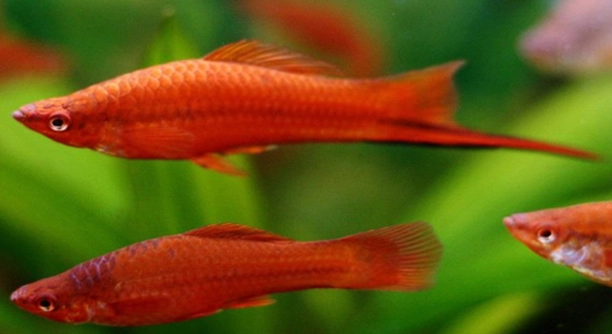
Swordtail fish are often admired for their vibrant colors and playful personalities. If you have these fish in your tank, you might wonder how they interact with each other and whether they can recognize one another.
Swordtail fish have been observed to display behaviors that suggest they can recognize each other. They use visual and chemical cues, including body markings and scent, to distinguish between individuals, which helps with social interactions and mate selection.
Understanding how swordtail fish identify each other sheds light on their behavior and interactions. This knowledge can improve their care and well-being in your aquarium.
How Swordtail Fish Interact with Each Other
Swordtail fish are social creatures that thrive in groups. Their behavior can reveal much about their ability to recognize one another. They use a combination of visual and chemical cues to identify different individuals. Body markings, such as the distinct sword-like tail of males, and scents released from their bodies play an important role in how swordtails interact. These fish also show a tendency to form loose hierarchies within their groups, with dominant fish taking the lead in social interactions and mating.
While swordtails can recognize each other, their interactions go beyond simple recognition. Social behaviors, such as chasing, nipping, and territoriality, are common in swordtail fish. These behaviors can vary depending on the environment and the presence of other fish species. In aquariums, swordtails may display more subdued social behaviors, especially when space is limited.
Understanding these social dynamics helps you manage swordtail populations in your tank. Keeping a good balance of males and females and providing enough space will help reduce aggression and create a more harmonious environment for your fish.
How to Improve Your Swordtail Tank Setup
A well-organized aquarium environment can improve swordtail behavior. Proper filtration, water temperature, and hiding spots will reduce stress and encourage more natural behaviors. Swordtails need clean water and stable conditions to thrive.
Creating a peaceful atmosphere will allow your swordtail fish to engage in more positive social interactions. They are naturally curious and enjoy exploring their surroundings, which makes them more likely to engage in healthy social behaviors.
Identifying Swordtail Fish by Visual Cues
Swordtail fish rely heavily on visual cues for recognition. Male swordtails have long, distinctive tails that set them apart from females and are often used in mate selection. These physical features are also key when fish engage in social or territorial behaviors. Their ability to recognize these features is crucial for their interactions and hierarchy.
Fish often use these visual cues to assert dominance or form bonds within the group. The sword-like tail is a noticeable trait, and male swordtails will often display it to attract females or ward off competitors. Females, on the other hand, may recognize these visual cues as signs of strength or health, which can influence their mating preferences. These visual cues also help reduce aggression by allowing swordtails to know who belongs to their social circle.
Chemical Signaling in Swordtail Fish
Swordtail fish use chemical cues, such as pheromones, to communicate with one another. These chemical signals help the fish identify each other, especially in crowded environments where visual cues might be less effective. Pheromones released by the fish can indicate factors like health, stress, or reproductive status.
These chemical signals are crucial for social bonding and reproductive behavior. Swordtails, like many other fish species, rely on scent to find mates. The release of specific pheromones can help males attract females or signal to other males that they are ready to mate. Understanding this aspect of swordtail behavior can aid in creating a more suitable environment for them, as pheromone signals influence their interactions with each other.
Social Hierarchy Among Swordtail Fish
Swordtail fish establish a social hierarchy within their groups. Dominant males often assert their position by displaying their tails and engaging in aggressive behaviors, such as chasing or nipping. These social structures help maintain order and reduce conflict within the tank.
In a well-balanced group, the hierarchy usually remains stable, and aggression is limited. However, in smaller tanks with limited space, the dominance behaviors can become more frequent. Males will often compete for female attention, and stress may increase if there aren’t enough hiding spots. Providing a larger tank space can help reduce these tensions and allow swordtails to establish a more natural social order.
Swordtail Fish and Mating Behavior
Mating behavior in swordtail fish is influenced by both visual and chemical signals. Males will display their long tails to females and use subtle movements to attract their attention. Females, in turn, choose mates based on these displays, which signal health and genetic quality.
The mating process can also involve intense competition between males. Dominant males often have the advantage, but females may choose mates with better visual displays. Mating success is not only based on appearance but also on the overall health and behavior of the male, which can signal good genes to the female.
Keeping Swordtails in Groups
Swordtail fish thrive in groups of at least three to six individuals. A larger group helps reduce stress and allows fish to establish more complex social interactions. Providing a balanced ratio of males and females will help maintain harmony within the tank.
FAQ
Do swordtail fish recognize their owners?
Swordtail fish, like many species, do show signs of recognizing their environment and the people who interact with them. While they may not recognize their owners in the way pets like dogs or cats do, they can associate certain actions with food. If you consistently feed them at the same time or engage in regular tank maintenance, they may learn to anticipate your presence. This behavior is more of a conditioned response rather than true recognition.
How can I tell if my swordtail fish is stressed?
Signs of stress in swordtail fish include unusual swimming patterns, such as erratic movements or staying near the surface. They may also stop eating or exhibit fin clamping, where their fins are held tightly against their bodies. Stress can be caused by poor water quality, overcrowding, or aggressive tank mates. Monitoring your tank’s conditions and ensuring it is suitable for swordtails can help prevent stress.
Do swordtail fish need a lot of space?
Swordtail fish do best in tanks with plenty of space to swim. A minimum tank size of 20 gallons is recommended for a small group of swordtails. Overcrowding can cause stress and result in aggression among fish. Providing ample space allows them to establish their social structures and engage in natural behaviors.
What do swordtail fish eat?
Swordtail fish are omnivores and thrive on a varied diet. They will eat high-quality flake foods, but it’s best to offer a mix of pellets, frozen or live foods like brine shrimp, and vegetables like spinach or zucchini. A balanced diet helps swordtails stay healthy and vibrant.
Can swordtail fish live with other species?
Swordtail fish are generally peaceful and can live with many other species, provided they are not overly aggressive. It’s important to avoid pairing them with fin-nipping fish or overly territorial species. Good tank mates include peaceful community fish like tetras, guppies, and mollies. Always consider the size and temperament of other species before introducing them.
Why is my swordtail fish’s tail curved?
A curved tail in swordtail fish can be a sign of a few things, such as poor water quality or physical injury. If you notice a significant curve in the tail, it’s a good idea to check your water parameters, such as pH and ammonia levels. If the fish appears to be healthy otherwise, the curve may be a natural characteristic, especially in some males with long, sword-like tails.
Do swordtail fish breed easily?
Yes, swordtail fish breed easily, especially in well-maintained tanks. They are livebearers, meaning they give birth to live young rather than laying eggs. To encourage breeding, maintain a balanced ratio of males and females, with at least two females for every male to reduce stress. Keep the water quality clean and ensure proper conditions for fry growth, such as plenty of hiding spaces.
How long do swordtail fish live?
Swordtail fish typically live between 3 to 5 years in an aquarium, provided they are given proper care. This includes a suitable tank size, proper water quality, and a balanced diet. With optimal conditions, swordtail fish can live longer and remain healthy throughout their lifespan.
Can swordtail fish change gender?
There are reports of swordtail fish, particularly in the case of certain aquarium strains, changing gender in response to environmental factors. However, this is relatively rare and not fully understood. Swordtail fish are usually born male or female, but in rare cases, females may develop male characteristics, including the sword-like tail. This phenomenon is more common in environments where there are imbalances in male-to-female ratios.
Do swordtail fish need a heater?
Yes, swordtail fish are tropical fish that prefer warmer water, typically between 72°F and 82°F (22°C – 28°C). If you live in a cooler climate or your home is subject to temperature fluctuations, it’s best to use an aquarium heater to maintain a consistent temperature. Sudden changes in water temperature can stress the fish and lead to health problems.
Why is my swordtail fish aggressive?
Aggression in swordtail fish can arise from overcrowding, poor water quality, or competition for mates. Males may display aggressive behavior toward other males, especially in tanks with limited space. It’s important to ensure your tank has enough room and a proper balance of males and females to minimize aggression. If aggression persists, consider providing more hiding spaces or rearranging the tank to break up territories.
How do I prevent swordtail fish from breeding too much?
If you don’t want your swordtail fish to breed constantly, consider keeping only one sex in your tank or separating males and females. Another method is adding other species to the tank that do not breed as readily, thus preventing an overload of swordtail fry. Some aquarium owners use breeding traps to separate pregnant females, but this requires extra effort and monitoring. Regularly maintaining your tank’s cleanliness can also reduce the chances of breeding.
Can swordtail fish live in cold water?
Swordtail fish are not suited for cold water and should not be kept in tanks with temperatures below 70°F (21°C). Cold temperatures can weaken their immune systems and make them more susceptible to diseases. It’s essential to maintain a tropical temperature range to keep swordtails healthy and active.
How can I tell if my swordtail fish is pregnant?
Pregnant female swordtail fish display a noticeable dark spot near their abdomen, known as a gravid spot. This dark spot indicates the developing fry inside her. You may also notice the female becoming fuller and rounder as she gets closer to giving birth. If you don’t want the fry, it’s helpful to separate her into a breeding tank to prevent them from being eaten by other fish.
What should I do if my swordtail fish has fin rot?
Fin rot in swordtail fish is typically caused by poor water quality or bacterial infection. To treat fin rot, you should first perform a partial water change to improve the tank’s conditions. Adding aquarium salt and a proper antibacterial medication can help treat the infection. Keep an eye on the fish’s progress and ensure the tank conditions remain optimal to prevent further issues.
Can swordtail fish jump out of the tank?
Yes, swordtail fish can jump out of the tank, especially if they are startled or if the water quality is not ideal. It’s important to keep a lid on your aquarium or ensure that the water level is low enough to prevent jumping. Keeping your tank covered also helps maintain consistent temperature and humidity.
Final Thoughts
Swordtail fish are relatively easy to care for and make great additions to many aquariums. They are active, colorful, and thrive in a variety of tank environments. With the right tank conditions, including proper water temperature, space, and diet, swordtail fish can live for several years and bring joy to any aquarium. Their social nature allows them to coexist with other peaceful fish, and they are an excellent choice for community tanks. However, it’s important to remember that they do have some specific needs, such as maintaining a balanced male-to-female ratio to prevent aggression. Understanding their behavior, like their social structure and mating patterns, can help ensure a happy and healthy tank.
When keeping swordtail fish, it is essential to monitor the water quality regularly. Swordtail fish are sensitive to poor water conditions, and neglecting to maintain clean water can lead to stress and health issues. Regular water changes, proper filtration, and monitoring ammonia, nitrate, and pH levels will help keep the tank environment stable and safe. Additionally, providing enough space for the fish to swim freely and establishing hiding spots can reduce stress and aggression. These small adjustments go a long way in creating a thriving tank for swordtail fish.
Lastly, while swordtails are generally hardy fish, they do require attention to prevent overpopulation and stress. They are livebearers, meaning they give birth to live young, and can breed quickly. If breeding is not desired, taking steps to limit reproduction, such as separating males and females or using breeding traps, can help manage population levels. By being mindful of these aspects and understanding the fish’s natural behavior, you can ensure your swordtail fish remain healthy, happy, and an active part of your aquarium for years to come.

Hello,
If you enjoy the content that we create, please consider saying a "Thank You!" by leaving a tip.
Every little bit helps us continue crafting quality advice that supports the health, happiness, and well-being of pets around the world, for pets of all shapes, sizes, and species.
We really appreciate the kindness and support that you show us!