
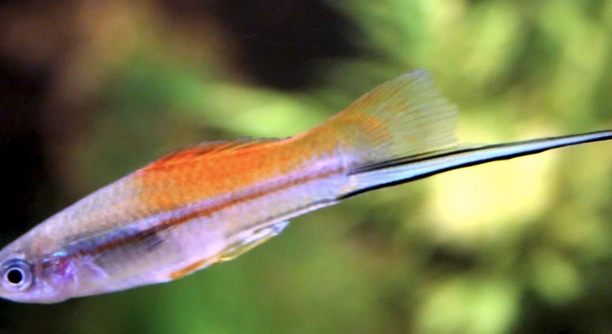
Caring for swordtails can be rewarding, but mistakes can lead to health issues. Proper care requires attention to water conditions, diet, and tank setup to ensure these fish thrive and display their natural beauty.
Avoiding common swordtail care mistakes is crucial for maintaining a healthy aquarium environment. Key mistakes include improper water temperature, overfeeding, and insufficient tank space. These factors can lead to stress and disease, compromising the well-being of your swordtails.
Understanding these simple yet important factors will help you maintain a happy and healthy environment for your swordtails. Keep reading to discover how to avoid these common mistakes.
1. Improper Water Temperature
Swordtails are sensitive to temperature changes. Keeping the water at a consistent temperature, between 72°F and 78°F, is essential. If the water gets too cold or too warm, swordtails may experience stress, which weakens their immune system. This stress can make them more prone to illness.
A common mistake is to rely solely on the heater’s settings without monitoring the actual water temperature. Even small fluctuations in temperature can lead to problems like fin rot, lethargy, or a lack of appetite. Regularly check the water temperature with a thermometer to ensure it remains within the recommended range.
Maintaining stable water conditions is vital for swordtail health. By investing in a reliable heater and thermometer, you can easily monitor and adjust the temperature to avoid causing any harm. Consistent temperatures will help your swordtails thrive and display their best colors.
2. Overfeeding
Swordtails are often overfed, which leads to excess waste and poor water quality. Overfeeding can cause the fish to become bloated and may even lead to internal health issues.
Feeding your swordtails small amounts once or twice a day is enough. If they are left with uneaten food, it can affect the water quality. This can lead to issues such as increased ammonia levels, which can harm both fish and plants in the tank.
Overfeeding is an easy mistake to make, especially when swordtails are constantly swimming around looking for food. However, controlling their portions will help maintain a cleaner tank and a healthier environment for your fish.
3. Poor Tank Size
Swordtails need ample space to swim freely. A common mistake is keeping them in tanks that are too small. A tank that holds at least 20 gallons is necessary for a group of swordtails. Crowded conditions can cause stress, fighting, and disease.
When swordtails are cramped in a small space, their behavior can change. They may become aggressive or hide more often. Additionally, a small tank can lead to poor water quality, making it harder to maintain a stable environment. It’s crucial to provide enough space for swordtails to move comfortably, which helps reduce stress and promotes their overall well-being.
A tank that is too small can lead to constant water quality issues, which impact fish health. Overcrowding also creates tension, as swordtails are territorial. By offering a larger tank, you’ll reduce these risks, allowing your swordtails to grow, swim, and interact without interference.
4. Incorrect pH Levels
Maintaining the right pH level is vital for swordtails. The ideal range for swordtails is between 7.0 and 8.4. Anything outside of this can stress them out or even lead to illness.
Swordtails are adaptable but still prefer slightly alkaline water. If the pH level in their tank is too acidic or too basic, they may experience difficulty breathing, weakened immune systems, or a lack of appetite. Regular testing of the pH level helps ensure that the water stays within the safe range.
Adjusting the pH level is necessary if it’s outside the ideal range. You can use pH buffers or adjust the water source to correct it. Stability is key; sudden changes in pH can be more harmful than a steady, off-range level.
5. Inadequate Filtration
A poor filtration system is one of the most overlooked mistakes. Swordtails produce waste that can quickly pollute the water. Without proper filtration, harmful toxins build up, leading to stress and disease.
Choosing a filter that’s appropriate for the tank size is key. A filter that’s too small won’t be able to handle the waste load. Additionally, regularly cleaning and maintaining the filter will ensure it works efficiently and keeps the water clean.
Investing in a quality filter that fits your tank size will reduce the frequency of water changes and keep your swordtails healthy.
6. Lack of Hiding Spaces
Swordtails are peaceful but need places to hide and rest. Lack of hiding spots can cause them stress, as they can’t escape from tank mates. Adding decorations like plants, caves, or driftwood will help them feel safe.
Providing hiding spots helps swordtails reduce stress and gives them a place to retreat if they feel threatened. It also encourages natural behaviors like exploring and resting, which can improve their overall health.
Hiding spots are especially important in tanks with other fish. Swordtails often need a place to escape from territorial species or larger tank mates.
FAQ
What do swordtails eat?
Swordtails are omnivores and enjoy a varied diet. They thrive on high-quality fish flakes, pellets, and live or frozen foods like brine shrimp, bloodworms, and daphnia. Providing a balanced diet with both plant and animal-based foods ensures that swordtails get all the nutrients they need to stay healthy.
How often should I feed my swordtail?
Swordtails should be fed once or twice a day. Offer them only what they can consume within a few minutes to avoid overfeeding. Too much food can pollute the water and cause health problems. Make sure to remove any uneaten food to maintain water quality.
What is the lifespan of a swordtail?
Swordtails typically live for around 3 to 5 years. Their lifespan can vary based on factors such as water quality, diet, and overall care. Maintaining optimal water conditions and providing a proper diet will help them live a longer, healthier life.
Do swordtails need a heater in their tank?
Yes, swordtails require a heater to maintain a stable water temperature. They thrive in temperatures between 72°F and 78°F. A reliable heater helps prevent fluctuations in temperature, which can stress swordtails and lead to health problems.
Can swordtails live with other fish?
Swordtails are generally peaceful and can coexist with many other species. However, they do best in a tank with other peaceful fish of similar size. Avoid keeping them with aggressive or overly territorial species, as this can cause stress or aggression.
How do I know if my swordtail is sick?
Signs that your swordtail may be sick include abnormal swimming behavior, loss of appetite, fading colors, or visible lesions or fins that appear torn. If you notice any of these signs, it’s important to test the water and check for any stress factors.
Why are my swordtails fighting?
Swordtails can sometimes become territorial, especially if they are in a tank that’s too small or overcrowded. Males may fight with each other to establish dominance. Adding more hiding spots and ensuring there’s enough space can help reduce aggression.
What is the best tank size for swordtails?
A minimum of 20 gallons is recommended for a small group of swordtails. Larger tanks are always better, as they provide more space for swimming and help maintain better water quality. Overcrowding can lead to stress, aggression, and poor water conditions.
Can swordtails breed in a community tank?
Yes, swordtails can breed in a community tank, but you’ll need to ensure that the male and female swordtails are not stressed by other fish. If you don’t want to breed them, consider keeping only one sex or using a breeding box to separate them.
How can I tell the difference between a male and female swordtail?
Male swordtails are typically smaller and have a longer, more elongated tail fin. Their colorful markings are often brighter and more vivid. Female swordtails are larger, rounder, and have shorter, less colorful tails. These differences become more pronounced as they mature.
Why is my swordtail’s color fading?
A fading color in swordtails could be a sign of stress or poor water quality. It can also be related to an imbalanced diet or illness. Make sure the water conditions are optimal and provide a varied diet to help maintain their vibrant colors.
Do swordtails require special care?
Swordtails don’t require overly special care, but they do need stable water conditions, a balanced diet, and an adequately sized tank. Regular water changes and good filtration are also important for keeping them healthy and vibrant. They are relatively low-maintenance compared to other fish.
Can swordtails live with plants?
Yes, swordtails are compatible with live plants. They enjoy swimming through plants, and plants help improve water quality by absorbing excess nutrients. However, ensure that the plants are hardy and can tolerate the swordtails’ movement, as some plants might be uprooted if not secured.
How do I prevent swordtail diseases?
To prevent disease, maintain proper water quality, avoid overfeeding, and reduce stress by providing enough space and hiding spots. Quarantining new fish before introducing them to the tank also helps prevent the spread of any potential diseases. Regularly check water parameters to keep everything balanced.
What are the most common health problems in swordtails?
Common health issues in swordtails include fin rot, dropsy, ich, and swim bladder disease. These conditions are often caused by poor water quality, stress, or a lack of proper nutrition. Regular water changes, a varied diet, and avoiding overcrowding are the best preventive measures.
Final Thoughts
Swordtails are relatively easy to care for, making them a popular choice for many aquarium enthusiasts. With the right tank setup and attention to their needs, these fish can thrive and add a vibrant touch to your aquarium. However, it’s important to remember that they do have specific requirements when it comes to water conditions, tank size, and diet. Ensuring that their environment is stable and suitable will help prevent common issues and keep them healthy for years.
One of the key factors in swordtail care is maintaining proper water quality. Regular water changes and proper filtration are essential to keeping your fish healthy. Swordtails can be sensitive to poor water conditions, and neglecting these basic needs can lead to stress, disease, and even early death. Testing water parameters regularly, including pH, ammonia, nitrites, and nitrates, will help you stay on top of your tank’s health and avoid potential problems. The right temperature range and a stable environment are also crucial to their well-being.
Additionally, swordtails are peaceful fish that enjoy being in groups. They do best in well-planted tanks with plenty of hiding spots. Adding these elements will help them feel secure and reduce stress. Swordtails can live with other peaceful fish but should not be kept with aggressive species. Proper tank mates, regular maintenance, and attention to their feeding habits will go a long way in ensuring your swordtails live a long, healthy life. With the right care, these fish can be a great addition to your aquarium, bringing both beauty and calm to your underwater world.

Hello,
If you enjoy the content that we create, please consider saying a "Thank You!" by leaving a tip.
Every little bit helps us continue crafting quality advice that supports the health, happiness, and well-being of pets around the world, for pets of all shapes, sizes, and species.
We really appreciate the kindness and support that you show us!