
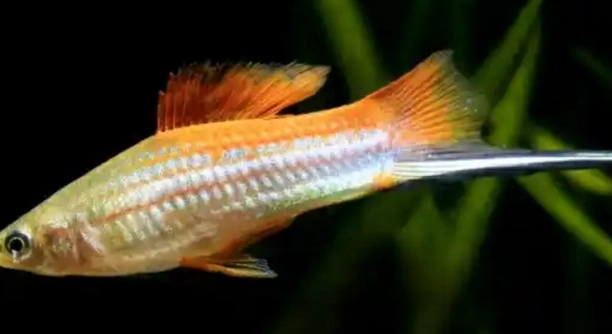
Swordtails are vibrant, lively fish known for their distinct tails. Keeping them healthy and happy requires attention to their diet, water quality, and environment. By following the right steps, your swordtails can thrive and enjoy a long life.
To keep swordtails healthy and happy, maintain proper water conditions, provide a balanced diet, and offer suitable tank mates. Regular water changes, appropriate temperature, and feeding a variety of foods are essential for their well-being.
Ensuring your swordtails have the right environment and care is essential for their happiness. This article outlines steps that will make a difference in their health and longevity.
Maintain Clean and Stable Water Conditions
Swordtails thrive in clean water with stable parameters. The most important factors to consider are temperature, pH, and hardness. Maintaining a consistent temperature between 72°F and 82°F (22°C – 28°C) ensures they stay active and healthy. Regular water changes of 25-30% every two weeks are crucial to remove toxins and prevent stress. Keep the water’s pH level between 7.0 and 8.0, and hardness around 10-15 dGH. You can test these values regularly with simple aquarium test kits to ensure they are within the ideal range.
To keep the water clean, use a good filtration system. The filter will help remove waste and excess food, preventing harmful buildup. It’s also important to monitor the tank’s ammonia and nitrate levels. High ammonia levels can quickly harm fish, leading to diseases and even death.
If you observe any abnormalities in your swordtails’ behavior or appearance, it’s important to test the water and address any problems right away. Clean water is vital for their overall health and happiness.
Provide a Proper Diet
Swordtails require a varied diet to stay healthy. Offer high-quality flakes or pellets as a base, supplemented with frozen or live foods such as brine shrimp and bloodworms.
A well-balanced diet ensures they get the necessary nutrients for growth and energy. Overfeeding, however, can cause water quality issues and stress the fish.
Choose the Right Tank Size
Swordtails need enough space to swim freely. A tank that’s at least 20 gallons is ideal for a small group. This gives them room to move around and reduces stress.
Overcrowding can lead to competition for resources and increased aggression. A larger tank helps maintain stable water conditions and supports the overall health of your swordtails. Keeping a single swordtail or only a few will also ensure they have enough territory to feel secure and thrive.
A tank that is too small can quickly become unhealthy, even if the water is regularly changed. Swordtails grow quickly and need space to grow properly. By providing them with a suitable environment, you’ll reduce the risk of stress and disease.
Keep Them With Compatible Tank Mates
Swordtails are generally peaceful but can become aggressive in crowded or stressful environments. They do well with other peaceful fish, such as guppies or mollies, but avoid keeping them with overly aggressive species like cichlids.
Choosing compatible tank mates reduces stress and allows your swordtails to thrive in a peaceful environment. However, be mindful of tank size to avoid overcrowding. When introducing new fish, it’s important to acclimate them properly to avoid shock. This will help your swordtails feel comfortable and safe in their home.
While swordtails can live with other species, be cautious of adding fish that might nip their fins or cause stress. Watch the interactions to make sure all the fish coexist peacefully.
Regular Water Changes
Regular water changes are essential to keep your swordtails healthy. Aim for 25-30% water changes every two weeks to ensure clean, oxygenated water. This helps prevent toxins from building up, reducing the risk of diseases.
During water changes, avoid disturbing the tank too much. Use a siphon to remove debris from the substrate and ensure you’re replacing it with water that’s similar in temperature to avoid shocking the fish. Consistency is key.
Water changes also help control nitrate levels, which can harm swordtails if left unchecked. Regular maintenance is an easy way to keep them happy and healthy.
Maintain the Right Temperature
Swordtails thrive in a consistent water temperature between 72°F and 82°F (22°C – 28°C). Keeping the tank within this range supports their metabolic processes and overall health.
Using a reliable aquarium heater and thermometer can help maintain a stable temperature. Swordtails can become stressed if the temperature fluctuates too much. Ensure the heater is suitable for the size of your tank, and avoid placing it near the filter to ensure even heating throughout the tank.
Avoid Aggression and Stress
Swordtails are generally peaceful but can become stressed in overcrowded or hostile environments. Stress can weaken their immune system, making them more susceptible to illness.
Monitor their behavior closely. If you see signs of aggression, such as chasing or fin nipping, it may be due to overcrowding or incompatible tank mates. Reducing the number of fish or adjusting the environment can help lower stress.
FAQ
How often should I feed my swordtails?
Swordtails should be fed once or twice a day, with only as much food as they can consume in a few minutes. Overfeeding can lead to water quality issues and obesity. Offer a variety of foods, such as high-quality flakes, pellets, and occasional live or frozen foods like brine shrimp or bloodworms. Feed small portions to ensure they don’t leave food behind, which could decay and harm the water quality.
What is the best water temperature for swordtails?
Swordtails thrive in water temperatures between 72°F and 82°F (22°C – 28°C). Consistent temperatures help maintain their health and reduce stress. Fluctuations outside this range can cause health issues. Use an aquarium heater with a thermometer to keep the water stable, and avoid drastic temperature changes during water changes.
Can swordtails live with other fish?
Yes, swordtails can live with other peaceful fish like guppies, mollies, and small tetras. However, avoid pairing them with aggressive species like cichlids or fish that might nip their fins. Always monitor interactions to ensure compatibility and avoid overcrowding, as this can cause stress and aggression.
What size tank do swordtails need?
A 20-gallon tank is ideal for a small group of swordtails. It gives them plenty of space to swim and reduces stress. Swordtails grow quickly, so a larger tank will be necessary as they mature. Overcrowding can lead to poor water quality and increased aggression, so it’s important to provide enough room.
Why is my swordtail swimming at the surface?
Swordtails swimming at the surface could be gasping for oxygen, which may indicate poor water quality or low oxygen levels. Check the tank’s filtration system and water parameters. If the water is too warm or lacks proper aeration, it could be causing the swordtails to swim near the surface. Ensure proper water circulation and filtration to prevent this behavior.
How can I tell if my swordtail is sick?
Signs of illness in swordtails include loss of appetite, faded color, unusual swimming behavior (such as swimming near the surface or hiding), or visible spots, lesions, or torn fins. If you notice any of these symptoms, test the water quality and consider isolating the sick fish in a quarantine tank to prevent spreading any potential disease. Seek treatment as soon as possible.
Do swordtails need a filter?
Yes, a filter is necessary to maintain clean water for swordtails. The filter helps remove debris, uneaten food, and toxins like ammonia and nitrates. A reliable filtration system ensures the water remains oxygenated and free of harmful substances, which are essential for swordtail health. Regular maintenance of the filter is crucial.
Are swordtails easy to breed?
Swordtails are relatively easy to breed in a suitable environment. They are livebearers, meaning they give birth to live young instead of laying eggs. To breed swordtails, provide a separate breeding tank with plenty of hiding spots for the fry. Female swordtails can give birth every 28 days, and the fry are usually ready to swim on their own shortly after birth. Keep in mind that swordtails breed readily, so managing the fry population may be necessary.
What should I do if my swordtail is aggressive?
Aggression in swordtails is often a result of stress or overcrowding. If your swordtail becomes aggressive, check the tank for compatibility with other fish. Reducing the number of tankmates or adding more hiding spots may help reduce tension. If necessary, consider separating the aggressive fish into a different tank to avoid harm to others.
How long do swordtails live?
Swordtails typically live for about 3 to 5 years with proper care. Providing a stable environment, maintaining clean water, and feeding them a balanced diet can help increase their lifespan. Regular tank maintenance and monitoring their health will contribute to a longer, happier life.
Can swordtails live in hard water?
Swordtails are adaptable and can live in water that is moderately hard to hard. They do best in water with a hardness between 10 and 15 dGH. If your water is too soft or too hard, you can adjust the hardness by adding aquarium salts or using a water conditioner. Always test the water parameters before making adjustments to ensure the fish’s comfort.
Why is my swordtail’s tail not growing?
If your swordtail’s tail isn’t growing, it could be a sign of poor water quality, lack of proper nutrition, or stress. Ensure the tank’s water parameters are within the ideal range, provide a varied diet, and avoid overcrowding. Stress from aggressive tankmates or improper water conditions can stunt their growth.
Final Thoughts
Swordtails are relatively easy to care for when provided with the right environment and care. Ensuring they have enough space to swim, maintaining good water quality, and offering a proper diet will help them thrive. Regular water changes, appropriate tankmates, and monitoring their behavior for signs of stress or illness will keep them healthy and happy.
Proper tank size is one of the most important factors in keeping swordtails. A larger tank not only allows them to move freely but also helps maintain stable water conditions. Avoid overcrowding, as it can lead to stress and poor water quality. Pairing swordtails with compatible tankmates is also essential for their well-being. When selecting other fish, look for peaceful species that won’t cause aggression or stress.
Finally, swordtails are hardy and adaptable, but they require consistent care. Regular tank maintenance, such as water changes, filter cleaning, and temperature checks, will ensure a healthy environment. With the right conditions and attention, swordtails can live long and happy lives.

Hello,
If you enjoy the content that we create, please consider saying a "Thank You!" by leaving a tip.
Every little bit helps us continue crafting quality advice that supports the health, happiness, and well-being of pets around the world, for pets of all shapes, sizes, and species.
We really appreciate the kindness and support that you show us!