
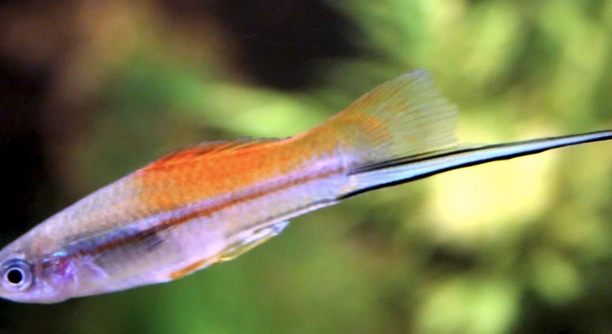
Swordtails are popular aquarium fish, known for their vibrant colors and active behavior. You might have noticed their distinct flicking movements with their fins. This quirky action can sometimes leave aquarium owners curious about its purpose and meaning.
The primary reason swordtails flick their fins is to communicate with other fish and display their health. They also use fin-flicking during mating rituals and to assert dominance over territory. It is a natural and common behavior among these fish.
Fin flicking can also indicate a swordtail’s mood or environment changes. Understanding this behavior is essential for providing the best care for your fish.
Understanding Swordtail Behavior
Swordtails flick their fins for various reasons, often linked to communication and interaction with other fish. This behavior can signal aggression, courtship, or simply a sign of the fish’s mood. While it may seem random, it’s quite important in their social structure. For example, when a swordtail flicks its fins, it may be indicating dominance or trying to warn other fish to stay away. During mating, the fin flicking becomes a more intricate display, used to attract potential mates. This is one of the reasons why swordtails are so engaging to watch in a tank. They have complex social dynamics and rely on behaviors like fin flicking to maintain order in their environment.
Fin flicking isn’t always a sign of distress or discomfort. It’s part of how swordtails express themselves, both socially and physically. Understanding this behavior helps aquarium owners create a better environment for their fish.
While fin flicking can appear playful, it’s often a form of communication. Swordtails may also flick their fins when they are exploring their environment, trying to interact with tank mates, or seeking attention. This movement isn’t usually aggressive, but can sometimes signal they are feeling threatened or challenged by other fish. In some cases, it may also be a way to show off their health and strength to potential mates. In a tank full of swordtails, watching these interactions can provide insight into the social structure and behavior of the fish.
The Role of Fin Flicking in Mating
Fin flicking plays a key role in swordtail mating rituals. When male swordtails want to impress females, they perform elaborate fin movements. The flicking of their fins can act as a visual display of their fitness and vitality. Males may increase the frequency and intensity of fin flicking when they are in the presence of females, especially during courtship. The female swordtails, in turn, may respond by showing interest or moving closer to the male. This display helps the males demonstrate their health, which is important for successful reproduction.
Understanding the mating rituals of swordtails allows aquarists to recognize signs of stress or agitation in their fish. Male swordtails will often flick their fins to signal their intentions, and observing this can give you a clue about how your fish interact. It’s also a sign that swordtails are reaching sexual maturity, and these behaviors become more pronounced during breeding seasons. When keeping swordtails in a tank, it’s vital to ensure that the environment supports their natural behaviors, including mating rituals. Proper tank conditions and suitable companions make all the difference in the success of breeding and overall health.
Why Swordtails Flick Their Fins Around Other Fish
Swordtails often flick their fins to establish boundaries with other fish. This behavior can signal to other fish that the swordtail is not to be messed with, especially if they feel their space is being invaded. It helps them assert their place in the tank’s social hierarchy.
In a tank with multiple species, fin flicking is a clear way for swordtails to communicate. They may use this movement to warn other fish to back off, reducing the likelihood of conflict. It can also be an expression of territorial behavior, showing that they are claiming their space. Swordtails in an overcrowded tank may flick their fins more frequently to deal with the stress of competition for resources.
Swordtails may also flick their fins when interacting with other fish during the feeding process. If there’s a scarcity of food, they could flick their fins to assert dominance or deter other fish from getting too close. This behavior keeps them from being pushed around in the tank, ensuring they get their fair share of the food. Over time, you may notice that swordtails develop certain habits or patterns when interacting with others.
Health and Fin Flicking Behavior
Sometimes, swordtails flick their fins due to discomfort or illness. If a fish is feeling unwell or stressed, the fin flicking may become more erratic. This can indicate an underlying health issue, such as parasites or poor water quality.
Swordtails flicking their fins may also be trying to remove irritants like debris or parasites from their body. In a healthy environment, this behavior should be minimal, but if it increases, it could be a sign of poor water conditions. Keeping a clean tank and monitoring water parameters, such as pH, temperature, and ammonia levels, can reduce this type of fin flicking. If other symptoms like lethargy or faded colors are present, it may be time to check for disease.
In some cases, the flicking could also result from fin damage. Swordtails are generally active fish, and minor injuries can occur during aggressive interactions or rough tank conditions. Regularly inspecting your fish for physical injuries can help you identify potential causes of excessive fin flicking. Prompt treatment for any issues can help restore their health and minimize the behavior.
How Tank Size Affects Fin Flicking
The size of the tank can directly influence the frequency of fin flicking in swordtails. Smaller tanks often lead to more stress, causing swordtails to flick their fins as a way of expressing discomfort. Overcrowded tanks intensify this behavior.
In a cramped environment, swordtails feel more confined, and their natural territorial behaviors become more prominent. If there isn’t enough space for each fish to claim its territory, fin flicking can become a frequent way for them to interact and stake a claim. This can escalate into more aggressive behaviors, affecting the overall health of the tank.
Keeping the tank size appropriate for the number of swordtails can help reduce stress and excessive fin flicking. Larger tanks allow for more room for swordtails to swim freely and reduce their need to constantly signal others to keep their distance.
The Impact of Water Quality on Fin Flicking
Poor water quality can significantly contribute to fin flicking. If swordtails are exposed to dirty water, they may flick their fins in an attempt to rid themselves of irritants like parasites or harmful bacteria.
Water quality plays a vital role in keeping swordtails comfortable. Changes in temperature, pH levels, or high ammonia levels can cause them to react with fin flicking. Regular water changes and proper filtration can prevent the buildup of toxins. Swordtails in healthy water are less likely to engage in this behavior, making it an important factor in their well-being. Monitoring and maintaining proper water conditions keeps the tank environment stable.
Environmental Factors That Trigger Fin Flicking
Environmental factors such as lighting, temperature, and tank decorations can also influence fin flicking. Swordtails may flick their fins in response to changes in their surroundings or to new objects added to their tank.
If there’s a sudden change in lighting or temperature, swordtails may react by flicking their fins as a sign of stress. Similarly, the introduction of new tankmates or decorations can make them feel unsettled, leading to more frequent fin flicking. Familiarizing your swordtails with gradual changes in their environment can help reduce this behavior and keep them comfortable.
FAQ
Why do swordtails flick their fins when they swim?
Swordtails flick their fins while swimming to communicate and navigate their environment. This behavior helps them maintain balance and swim more efficiently. They may flick their fins in response to changes in current or to signal to other fish. In some cases, this behavior is also used to assert dominance or claim space within the tank.
Can fin flicking be a sign of stress in swordtails?
Yes, fin flicking can be a sign of stress. Swordtails often flick their fins when they are feeling uncomfortable or threatened. Stress can be caused by overcrowding, poor water quality, or environmental changes. If the fin flicking becomes excessive or is accompanied by other signs of distress, like erratic swimming or loss of appetite, it’s important to address the cause of the stress.
Is it normal for swordtails to flick their fins during mating?
Yes, fin flicking is a normal part of swordtail mating behavior. During courtship, males often flick their fins to attract females. This behavior is used to display their health and vigor. Female swordtails may respond to the fin flicking by moving closer to the male or showing interest in mating. This is an essential part of their reproduction process.
Can fin flicking indicate that a swordtail is sick?
Fin flicking can sometimes indicate that a swordtail is sick. If the fish is flicking its fins excessively or rubbing against objects in the tank, it may be trying to remove parasites or alleviate discomfort from an illness. Illnesses like fin rot or external parasites can cause these behaviors. If you notice unusual flicking, it’s essential to check the fish for signs of illness and take appropriate action.
How can I reduce fin flicking in my swordtails?
To reduce fin flicking, it’s important to ensure a healthy tank environment. First, make sure the tank is appropriately sized for the number of swordtails, as overcrowding can lead to stress. Regular water changes and monitoring water quality are crucial to keeping your fish comfortable. If fin flicking is due to aggression or territorial issues, consider adding more hiding spaces and decorations in the tank. Providing a calm, stable environment helps minimize this behavior.
Why do swordtails flick their fins at other fish?
Swordtails flick their fins at other fish as a way to communicate, assert dominance, or establish boundaries. They may flick their fins to warn other fish to stay away, especially if they feel their territory is being threatened. This behavior is most common in tanks with multiple swordtails or other species. It’s a natural part of their social structure and helps maintain order in the tank.
How does tank size affect fin flicking in swordtails?
Tank size plays a significant role in how frequently swordtails flick their fins. In smaller tanks, swordtails feel more confined, leading to increased stress and more frequent fin flicking. Overcrowding can make the fish feel territorial and agitated, causing them to flick their fins to communicate their discomfort. A larger tank with enough space for each fish can reduce stress and help minimize fin flicking.
What should I do if my swordtails are flicking their fins a lot?
If your swordtails are flicking their fins more than usual, it’s important to investigate the cause. Start by checking the water quality to ensure it’s within the ideal range for swordtails. Poor water quality can cause irritation, leading to fin flicking. Also, observe the behavior of other fish in the tank to see if aggression or territorial disputes are causing the flicking. Finally, ensure the tank isn’t overcrowded and that the fish have enough space to swim and thrive.
Can fin flicking be a sign of aggression?
Yes, fin flicking can be a sign of aggression. Swordtails often use fin flicking as a way to assert dominance or establish territorial boundaries with other fish. If two males are present in the tank, they may flick their fins at each other as a way to signal that they are claiming their space. This behavior is common when swordtails feel the need to protect their territory or compete for mates.
What does it mean if my swordtail is flicking its fins and swimming erratically?
If your swordtail is flicking its fins and swimming erratically, it may be a sign of stress, illness, or discomfort. Erratic swimming combined with fin flicking can indicate poor water quality or the presence of parasites. It’s important to check the tank’s water parameters and inspect the fish for any signs of illness. If the behavior continues, it may be necessary to treat the fish for illness or improve the tank conditions.
Final Thoughts
Swordtails are active and colorful fish, and their fin flicking behavior is a natural part of their communication and social interactions. Whether it’s to establish dominance, attract a mate, or navigate their environment, fin flicking helps these fish express themselves. It’s important to recognize that this behavior is typically harmless and part of their daily routine. Understanding when fin flicking is normal and when it may signal stress or illness can help you take better care of your swordtails.
If you notice excessive fin flicking in your swordtails, it’s essential to look closely at their environment. Stress from overcrowding, poor water quality, or aggressive interactions with other fish can all lead to more frequent fin flicking. Ensuring your tank is large enough for the number of fish you have, maintaining clean water, and providing hiding spots can help reduce stress and minimize this behavior. A healthy tank environment is key to keeping your swordtails happy and comfortable, which in turn reduces the chances of abnormal behavior.
Lastly, while fin flicking is often just a part of swordtail behavior, it’s essential to keep an eye out for other signs that may indicate a problem. If you notice your fish showing signs of illness, like lethargy, faded colors, or unusual swimming patterns, it’s a good idea to investigate further. Regular water changes and monitoring your fish’s health can help prevent more serious issues. By paying attention to the needs of your swordtails and understanding their behaviors, you can ensure they thrive in your aquarium for years to come.

Hello,
If you enjoy the content that we create, please consider saying a "Thank You!" by leaving a tip.
Every little bit helps us continue crafting quality advice that supports the health, happiness, and well-being of pets around the world, for pets of all shapes, sizes, and species.
We really appreciate the kindness and support that you show us!