
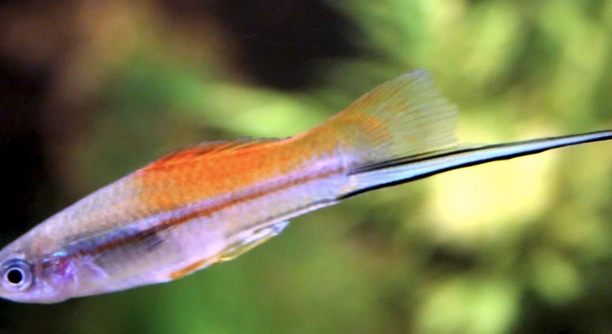
Caring for swordtail fry can be a rewarding experience, but it can also present some challenges. Ensuring their survival requires attention to water quality, feeding habits, and creating a safe environment for them to grow.
To help swordtail fry thrive, maintain clean water, provide adequate food, use protective tank decorations, control water temperature, and minimize stress. Additionally, ensuring proper filtration and gentle water currents can support their development and overall health.
Understanding these simple steps can give your swordtail fry the best chance at survival. Keep reading to learn the best ways to care for them and help them grow strong and healthy.
Maintaining Clean Water
Keeping the water clean is one of the most important things you can do for your swordtail fry. Dirty water can lead to diseases, stunted growth, and even death. Fry are especially sensitive to pollutants, so a proper filtration system is essential. You should aim to change at least 25% of the tank water every week to ensure the environment remains safe.
In addition to water changes, it’s essential to monitor the water’s parameters. Pay close attention to the pH, ammonia, nitrite, and nitrate levels, as these can impact fry health. A water testing kit is a useful tool to keep everything in check.
It’s also a good idea to use a sponge filter rather than a strong current filter for fry tanks. The sponge filter is gentle, making sure the fry aren’t sucked in, while still keeping the water clean. Make sure the filter is appropriate for the size of the tank. Over-filtering can stir up debris and cause stress. Maintaining a steady, clean environment helps fry stay healthy and grow faster.
Proper Feeding Techniques
Feeding your swordtail fry the right food is key to their development. Small portions of high-quality fry food should be offered multiple times a day.
You can use liquid fry food or finely crushed flakes to provide the necessary nutrients. It’s important to feed in small amounts to avoid uneaten food polluting the water. As fry grow, they can be gradually introduced to larger food such as baby brine shrimp or daphnia.
Feeding smaller, frequent meals helps keep fry energy levels high while ensuring they are getting the nutrients they need. Avoid overfeeding, as this can lead to poor water quality, which can negatively affect their survival. Proper feeding habits are one of the simplest ways to support their growth and health.
Temperature Control
Keeping the water temperature within the right range is vital for swordtail fry. The ideal range is between 75°F and 80°F (24°C to 27°C). Temperature fluctuations can lead to stress, weakening their immune systems.
A heater with a thermometer is a simple solution to maintain consistent temperatures. Fry are more sensitive to cold than adults, so make sure the heater is set correctly. If the water gets too cold, it can slow down their growth and make them more susceptible to illness.
Avoid placing the tank in areas with extreme temperature changes, such as near windows or air conditioners. It’s important to ensure the water stays within a stable range. If the temperature is too high, it can cause oxygen depletion and stress. Keeping a steady temperature promotes healthy growth and reduces the chance of health issues.
Providing Safe Hiding Spaces
Swordtail fry are small and vulnerable, so creating hiding spaces is crucial. Adding plants, rocks, or decorations can offer places for the fry to hide from adult fish and reduce stress.
A tank filled with soft-leaved plants, such as Java moss or water sprite, gives fry a place to feel secure. These plants also help maintain water quality by absorbing excess nutrients. Ensure the hiding spots are not too small, as fry may get trapped, causing more harm than good.
It’s important to provide plenty of hiding spaces throughout the tank, so fry feel safe and are less likely to be eaten. A well-planted tank mimics their natural habitat and reduces anxiety. Fry are naturally curious and will explore these spaces, which is essential for their mental and physical development. This is especially important when they are still very young and require time to grow into their surroundings.
Minimize Stress
Swordtail fry are easily stressed by sudden changes in their environment. Keeping their surroundings calm and quiet helps reduce stress. Avoid tapping on the tank or making loud noises nearby.
Adding a background or covering part of the tank with plants or decorations can help the fry feel more secure. A peaceful environment will encourage healthy growth and development. Stress can weaken their immune system, making them more vulnerable to diseases.
Avoid Overcrowding
Overcrowding can lead to poor water quality and stress, both of which are harmful to fry. Keep the tank properly stocked based on its size to ensure the fry have enough space to grow.
When the fry begin to grow, they may need to be moved to a larger tank. Not giving them enough space can stunt their growth and lead to fights. Provide enough room to ensure the fry have a chance to thrive.
Protect from Adult Fish
Adult swordtails may eat the fry, so it’s crucial to protect them. Using a breeder box or separate tank for fry can keep them safe from adult fish.
In some cases, creating barriers in the main tank can help separate the adults from the young. The fry are small and easy prey for the adults, especially if they are hungry. Keeping fry separated ensures they have a better chance to grow without fear of being eaten.
FAQ
How long does it take for swordtail fry to grow?
Swordtail fry usually grow to a noticeable size in about 2 to 3 months. They begin to show their full colors and physical traits around 4 months old. However, the growth rate can vary depending on factors like water quality, temperature, and diet. If they have an optimal environment, swordtail fry may grow quickly and become robust, but if conditions are poor, their growth may slow down.
What should I feed my swordtail fry?
In the early stages, swordtail fry should be fed tiny, high-quality foods designed for fry, such as liquid fry food, powdered flakes, or newly hatched brine shrimp. As they grow, you can start offering larger foods like baby brine shrimp or daphnia. Offering small portions multiple times a day is important, as it helps avoid overfeeding and maintains water quality.
Can swordtail fry be kept with adult fish?
It’s not recommended to keep swordtail fry with adult fish unless the adults are well-fed and the fry have enough hiding places. Adult swordtails may view the fry as food. If you do decide to keep them in the same tank, use a breeder box or other protective barriers to separate the fry from the adults.
How can I tell if my swordtail fry are healthy?
Healthy swordtail fry are active, swimming around the tank and exploring their environment. Their colors should be vibrant, and they should have a clean, smooth appearance without lesions or discoloration. They should also be eating regularly. Any signs of lethargy, faded colors, or physical abnormalities could indicate health problems, and you may need to address water quality or feeding habits.
What size tank is best for swordtail fry?
A 10 to 20-gallon tank is ideal for housing swordtail fry, especially if you’re planning to raise several. A larger tank gives them more space to swim and grow, and it helps maintain stable water conditions. However, if you have a smaller tank, make sure to monitor the water quality closely and perform frequent water changes.
Should I add plants to the fry tank?
Yes, adding plants is a great idea. Live plants provide natural hiding spaces, reduce stress, and improve water quality. Plants like Java moss or water sprite are especially good for fry tanks, as they offer protection and act as natural filtration. Additionally, plants help create a more natural environment, which aids in the fry’s growth and development.
Can I use a filter for the fry tank?
You can use a filter in the fry tank, but it’s important to choose one with a gentle flow. Strong currents can be too harsh for the tiny fry, potentially injuring or stressing them. Sponge filters are a great option because they provide filtration without creating strong water movement, making the water cleaner without disturbing the fry.
How often should I change the water in the fry tank?
You should change 25-30% of the water in the fry tank every week. Fry are particularly sensitive to changes in water quality, so frequent water changes help prevent the build-up of toxins. Always use water that is dechlorinated and at the correct temperature to avoid shocking the fry.
Is it normal for swordtail fry to hide?
Yes, it’s normal for swordtail fry to hide, especially when they are young. They are naturally cautious and will often hide in plants or other decorations for safety. As they grow older, they may become more confident and swim out in the open more often, but initially, they prefer the security of hiding spots.
How can I prevent swordtail fry from being eaten by adult fish?
To prevent adult swordtails from eating the fry, you can use a breeder box, a separate tank, or even create a division within the main tank. These methods keep the fry safe while allowing them to grow in a protected environment. If you keep them in the main tank, make sure there are plenty of hiding spots to give the fry a better chance of survival.
Final Thoughts
Caring for swordtail fry requires patience and attention to detail. These tiny fish need a stable, safe environment to grow and thrive. By maintaining clean water, providing the right food, and keeping the tank temperature consistent, you can help them grow into healthy adults. Avoiding stress, overcrowding, and providing hiding spots will also make a big difference in their development. It’s not a difficult task, but it does require consistent effort and observation.
While swordtail fry are resilient, they are vulnerable at the early stages of life. As you create the right environment for them, you’ll notice that they grow more quickly and stay healthier. The more you understand their needs, the better prepared you’ll be to ensure they survive and flourish. Regular water changes, careful feeding, and using appropriate tank decorations can help minimize problems that might arise. The goal is to create a stress-free environment that encourages healthy growth.
In the end, raising swordtail fry can be a rewarding experience. Seeing them grow from tiny, fragile fish to vibrant, active adults is incredibly satisfying. By following the right steps and keeping a close eye on their progress, you can ensure that your fry have the best chance at survival. Whether you choose to keep them in a separate tank or a community tank, with a little care, you can help them reach their full potential.

Hello,
If you enjoy the content that we create, please consider saying a "Thank You!" by leaving a tip.
Every little bit helps us continue crafting quality advice that supports the health, happiness, and well-being of pets around the world, for pets of all shapes, sizes, and species.
We really appreciate the kindness and support that you show us!