
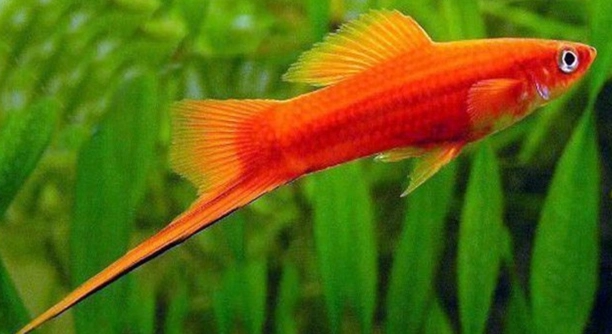
Swordtails are popular freshwater fish known for their vibrant colors and lively nature. After they give birth, their behavior and care of their offspring can be fascinating. This article explores what happens next in the process.
After swordtails give birth, the female typically separates herself from the young, and the fry are left to fend for themselves. They grow quickly, feeding on tiny particles in the water, and are at risk of being eaten by adults.
The newborn swordtails go through interesting stages of development. Understanding their growth and needs can help you ensure their survival and well-being. This guide will give you tips on caring for them as they grow.
What Happens to Swordtails After Giving Birth?
After giving birth, swordtail mothers typically retreat from their fry. These baby fish are born fully formed but very small, often measuring only a few millimeters in length. They instinctively start to swim and seek food, relying on their surroundings for protection. Swordtail fry are vulnerable to many threats, especially from larger fish, including their own parents. The mother doesn’t provide any care for the fry after birth, and they must survive on their own.
The fry are initially transparent, making it harder for predators to see them. As they grow, they start developing their vibrant colors, resembling their parents. However, even in their early stages, they must find food like small algae or zooplankton to survive.
This period is a critical time for swordtail fry. Without proper shelter and access to enough food, many won’t make it past the first few weeks. Ensuring they have a safe environment, away from adult swordtails, can significantly increase their chances of survival.
How Do You Care for Swordtail Fry?
Caring for swordtail fry is important if you want them to grow healthy. Providing a safe, quiet space helps reduce stress and danger from adult fish.
The fry need food like finely crushed flakes or specialized fry food, which they can consume immediately. A well-maintained aquarium with plants, rocks, or any structure that offers hiding spots is ideal. Fry that are exposed to open water are more likely to become food for the adults. If you want to ensure their survival, consider separating the adults from the fry or adding plenty of hiding places.
Feeding them is essential, but it’s also crucial not to overfeed. Uneaten food can create water quality issues. Make sure you remove excess food to prevent waste buildup. Regular water changes are also important to keep the environment clean and healthy for the fry. By keeping the aquarium clean and providing enough food and shelter, you can increase their chances of growing into vibrant, healthy adults.
How to Recognize When Swordtail Fry Are Ready for Their Own Tank
As swordtail fry grow, they become more active and start showing signs of maturity. Once they reach about 1 inch in length, they are usually ready for their own tank. They will start to swim in more coordinated patterns and will also begin to show their distinct colors.
Before moving the fry, make sure their new tank has stable water conditions, appropriate hiding spots, and a filtration system. If the fry are still small, consider using a net or breeder box to keep them separated from other fish. A separate tank helps reduce stress and gives them more space to grow.
Proper feeding and water quality are essential for their development. Provide them with fine, protein-rich foods like baby brine shrimp or specialized fry food. Keep the water clean by doing regular water changes. Monitor their growth closely, as some fry may need more time before moving to a bigger space.
Common Challenges When Raising Swordtail Fry
Raising swordtail fry comes with its share of challenges. One common issue is overcrowding, as too many fry in a tank can lead to stunted growth. It’s important to ensure enough space for the fry to grow. Having a tank with proper filtration will help maintain water quality.
Another challenge is the risk of predation. Swordtail fry are vulnerable to being eaten by other fish, including adult swordtails. To prevent this, provide plenty of hiding spaces in the tank. Plants, rocks, or breeding nets can offer much-needed refuge. If you notice that the fry are being chased, consider separating them from the adults.
Water conditions also play a significant role in their survival. Make sure the tank temperature, pH level, and hardness are within the recommended range for swordtails. Poor water quality can lead to diseases or stunted growth. Regular maintenance is key to providing a healthy environment for the fry.
Importance of Temperature for Swordtail Fry
The water temperature is crucial for the growth and health of swordtail fry. Keeping the temperature between 75°F to 80°F (24°C to 27°C) promotes proper development. A stable temperature will help them grow faster and avoid stress that could stunt their growth.
Temperatures that are too high or low can lead to health issues for the fry. A heater with a thermostat can help maintain the ideal water temperature. Sudden fluctuations in temperature should be avoided, as they can weaken the fry’s immune system and lead to diseases.
Feeding Swordtail Fry
Feeding swordtail fry properly is essential for their growth. They need a high-protein diet to develop strong and healthy bodies. You can feed them finely crushed flakes or live food like baby brine shrimp. Small amounts of food should be given throughout the day to prevent waste buildup.
Offer a variety of food types to ensure they get all the nutrients they need. You may also consider using specialized fry food designed for swordtail fish. Overfeeding can cause water quality problems, so only give as much as they can consume in a few minutes.
Keeping the Water Clean
Regular water changes are essential for the fry’s health. Swordtail fry are sensitive to poor water quality, which can stunt their growth and lead to diseases. Aim to change 10-20% of the water weekly.
This helps maintain a stable environment and removes excess food and waste. Keeping the water clean also prevents harmful bacteria and algae from thriving, which can pose risks to the fry.
FAQ
How can I tell if my swordtail is pregnant?
Pregnant swordtails show clear signs before they give birth. The female will develop a dark spot near her abdomen, often referred to as a gravid spot. As the pregnancy progresses, her belly will expand, and you may notice her becoming rounder. She may also be less active and more focused on hiding. If you keep a close eye on her, you might even notice the fry developing in her belly as they become more visible before birth. These signs will help you identify when your swordtail is nearing the end of her pregnancy.
What should I do if the swordtail fry are being eaten by other fish?
If your fry are being eaten, it’s crucial to act fast. You can separate the fry by placing them in a breeding net or creating a dedicated fry tank. Adding plants, rocks, or other hiding places in the main tank will give them more protection. It’s also a good idea to feed the adults well to reduce their desire to hunt the fry. If overcrowding in the fry tank is an issue, you may need to transfer the fry into a larger space once they grow bigger and can fend for themselves.
Can swordtail fry live with other fish?
Swordtail fry are delicate and vulnerable when they’re young. It’s best to keep them in a separate tank or a breeding net to protect them from adult fish, including other swordtails. Once the fry grow and become more robust, you can gradually introduce them to the main tank. However, make sure the adult fish in the tank are peaceful and won’t try to eat the fry. Fish like tetras or other peaceful species might be safe tankmates. Always monitor the fry to make sure they are not being harassed.
How long does it take for swordtail fry to grow?
Swordtail fry grow quickly under optimal conditions. In just a few weeks, you’ll start seeing noticeable changes in their size and color. Generally, it takes about 2 to 3 months for them to grow to a size where they can be introduced to the main tank with other adult swordtails. At this stage, they should be at least 1 inch long and fully developed. However, the time it takes to grow can vary depending on factors like water temperature, feeding, and the overall environment in the tank.
Should I separate the male and female swordtails after birth?
It’s a good idea to separate the males and females after birth, especially if you don’t want the males to harass or potentially eat the fry. Male swordtails can become aggressive toward the females, especially when there are young fry involved. If your female swordtail is exhausted from giving birth, it’s best to allow her to rest in a quieter space, away from males. After a few days, you can return her to the main tank, but keeping a separate environment for the fry can still be beneficial for their growth and safety.
What type of food should I give to swordtail fry?
Swordtail fry need a high-protein diet to grow strong and healthy. Baby brine shrimp, finely crushed flakes, or specialized fry food are all great options. You can also feed them micro-worms or daphnia, which are easy for them to consume. It’s important to provide small portions throughout the day to avoid overfeeding. Overfeeding can cause water quality issues that might harm the fry. Make sure the food is finely ground, as larger pieces can be difficult for the small fry to eat.
How often should I feed swordtail fry?
Swordtail fry should be fed small amounts several times a day. Offering food two to three times a day helps ensure they get enough nutrients without overwhelming the tank with leftover food. Monitor how much the fry are eating and adjust the portions accordingly. If you notice that the fry aren’t finishing the food within a few minutes, you can reduce the amount or frequency. Always remember that healthy water quality is just as important as proper feeding.
What should I do if I have too many swordtail fry?
If you have an overpopulation of fry, you have a few options. You can consider selling or giving away some of the fry once they’re big enough. Another option is to separate some fry into another tank to prevent overcrowding. Overcrowding can cause stunted growth and poor water quality, so it’s essential to manage the number of fry in the tank. Alternatively, you could set up a separate breeding tank with proper filtration to allow the fry to grow comfortably.
What water conditions are best for swordtail fry?
Swordtail fry thrive in water that mimics their natural environment. The ideal temperature for fry is between 75°F and 80°F (24°C to 27°C). The pH should range from 7.0 to 8.0, and the water hardness should be medium to hard. Maintaining a consistent temperature and keeping the water clean is essential for the fry’s survival. Regular water changes will help remove waste and keep the water quality high. Invest in a good filter to ensure a stable environment for your fry as they grow.
Can I breed swordtails in a community tank?
While it’s possible to breed swordtails in a community tank, there are some challenges to consider. The main concern is that the fry may not survive because other fish might eat them. If you want to breed swordtails in a community tank, you should add plenty of hiding spaces, like plants, rocks, and breeding nets, to help protect the fry. You can also keep the females and males in a separate breeding tank and move the fry to the main tank after they are large enough to avoid being eaten.
Final Thoughts
Raising swordtail fry can be a rewarding experience, but it does come with its challenges. From the moment they are born, these tiny fish need a safe and clean environment to grow and develop. As their caretaker, it’s important to ensure their needs are met, such as providing them with the right food, maintaining proper water conditions, and giving them plenty of hiding spaces to protect them from adult fish. Without this care, many of the fry will not survive to adulthood, making it essential to stay on top of their care.
One of the key aspects of raising swordtail fry is providing them with a stable environment. This includes keeping the water at a consistent temperature, ensuring the tank is properly filtered, and doing regular water changes. Fry are sensitive to water conditions, so small fluctuations can cause stress, affecting their growth. The right temperature (around 75°F to 80°F) helps them grow faster, while the proper pH and hardness make sure they stay healthy. Regular monitoring of these factors will ensure your fry thrive and grow into healthy adult fish.
While it can be difficult to keep all the fry alive, taking the necessary steps to protect them from predators, overfeeding, and poor water quality can greatly improve their chances. Offering them food multiple times a day in small amounts is key, and separating them from adults when necessary will reduce the risk of them being eaten. With patience, careful observation, and proper care, you can watch your swordtail fry grow into vibrant fish ready to join your aquarium.

Hello,
If you enjoy the content that we create, please consider saying a "Thank You!" by leaving a tip.
Every little bit helps us continue crafting quality advice that supports the health, happiness, and well-being of pets around the world, for pets of all shapes, sizes, and species.
We really appreciate the kindness and support that you show us!