
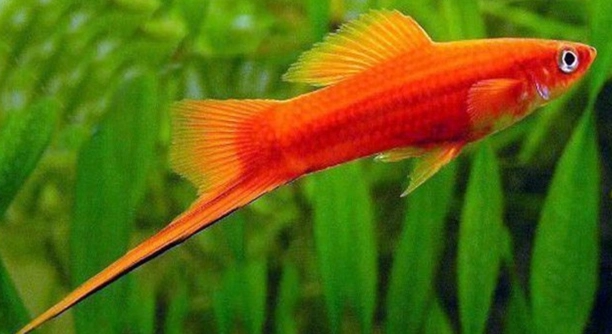
Swordtail fry are delicate creatures, and many aquarists have noticed that they seem to disappear without a trace. This can be frustrating, especially when trying to ensure their growth and survival in the tank.
Several factors contribute to swordtail fry disappearing. Predation by adult fish, poor water conditions, and improper tank setups can all lead to their sudden disappearance. Additionally, fry may hide in plant debris or other small spaces, making them hard to find.
Understanding the causes behind disappearing swordtail fry can help you create a more suitable environment for them.
Common Reasons for Swordtail Fry Disappearing
Swordtail fry are often vulnerable to their environment, and a few common reasons can explain why they seem to vanish. One of the most frequent issues is predation from adult swordtails or other fish in the tank. Adult fish may view the fry as a snack, making them a prime target. It’s essential to ensure that your fry have safe hiding places to avoid this risk.
Another factor contributing to fry disappearance is poor water quality. Swordtail fry are highly sensitive to changes in water parameters, such as temperature, pH, or ammonia levels. If these levels fluctuate, the fry may become stressed or even perish.
A tank that’s not well-maintained can also be a hiding place for the fry, making it harder to spot them. Having plants or decorations can offer a hiding space, but it can also make it difficult to monitor their well-being. Ensuring your water conditions are stable and offering proper shelter can make a huge difference.
How to Keep Swordtail Fry Safe
To keep swordtail fry safe, it’s important to create a suitable environment. Make sure to provide plenty of hiding spots, such as live plants or decorations. Fry will feel more secure and have less chance of becoming a snack for adults.
Maintaining optimal water quality is another key factor. Fry are extremely sensitive to water changes, so monitoring ammonia, nitrite, and nitrate levels regularly is essential. A proper filtration system and regular water changes can help keep the environment clean and safe for both adults and fry.
Consider separating the fry from adult swordtails. A separate breeding tank or a breeder box can keep them safe from predation while they grow. Reducing the number of adult fish in the tank can also reduce the risk of predation. If you notice that the fry are still disappearing, it could be helpful to check for other underlying issues, like overcrowding or disease.
Tank Setup and Hiding Spots
Swordtail fry need adequate hiding spots to thrive. Without proper shelter, they can become easy targets for adult fish. Plants like Java moss, Anubias, or other dense greenery can provide excellent coverage. Adding caves or small decorations can also offer additional hiding spaces. Fry feel safer in environments that allow them to hide and stay protected.
Creating the right tank environment for swordtail fry means focusing on both visual barriers and safety. A well-planted aquarium not only looks beautiful but also serves a practical purpose by offering fry the chance to hide. Floating plants like duckweed or water sprite provide additional shelter while allowing fry to swim freely underneath. The more hiding spots you create, the better your fry will adapt and survive. However, avoid overcluttering the tank as it may interfere with water flow and filtration, making the water quality suffer. The goal is to strike a balance between offering shelter and maintaining a clean environment.
To further reduce the risk of predation, consider separating the fry from the adult swordtails using a breeder box. These boxes keep the fry safe while allowing them to grow without the constant threat of adult fish. You can also use a separate breeding tank if you’re actively trying to raise the fry. While these solutions can be temporary, they give your fry the best chance to grow in a safe and controlled environment.
Water Quality and Temperature
Swordtail fry are highly sensitive to changes in water conditions, making water quality and temperature critical factors in their survival. Maintaining stable levels of ammonia, nitrites, and nitrates is essential for their health. Regular water changes and proper filtration help ensure a clean environment.
Keeping the water temperature consistent between 72°F to 78°F is ideal for swordtail fry. Sudden temperature fluctuations can stress them, making them more vulnerable to disease and predation. You can use a heater with a thermometer to regulate the temperature, ensuring it stays within a safe range.
Additionally, check the pH level to ensure it’s between 7.0 and 8.0 for optimal growth. Fry thrive in these conditions, so avoid sharp changes in pH or temperature. If the water quality is poor, fry may not only disappear but may also show signs of illness, such as faded colors or lethargy. Regular water tests are an easy way to monitor these factors and keep the environment safe.
Predation from Adult Fish
Adult swordtails are often the biggest threat to fry. They may view the small fry as food and will actively hunt them. It’s important to ensure that adults are not in close proximity to fry during their vulnerable early stages.
Separating adults from fry can prevent predation. A breeder box or separate tank can be a simple solution to this problem. This also ensures that fry have enough space to grow without being chased by larger fish. If you have a community tank, the risk of predation increases, so consider reducing the number of aggressive adult fish.
Overcrowding
Overcrowding in the tank can lead to stress and health problems for both adult swordtails and fry. Too many fish can cause poor water quality, which harms the fry. A crowded environment also increases competition for food and hiding spots.
Keeping the tank properly stocked is key. Make sure to give your fry enough room to swim freely, without feeling crowded or stressed. Overcrowding can lead to weaker fry and lower survival rates. If needed, adjust the number of fish in the tank to avoid overpopulation and maintain a healthier environment.
Disease and Infection
Swordtail fry are susceptible to various diseases and infections, particularly in the early stages of their life. Poor water quality, stress, or a sudden change in temperature can weaken their immune systems, making them more vulnerable to illness.
Common diseases like Ich or fungus can affect the fry and cause them to disappear. Maintaining optimal water conditions and isolating sick fish can help prevent disease outbreaks. Regularly cleaning the tank and avoiding overfeeding will keep the environment healthy for your fry.
FAQ
Why are my swordtail fry disappearing?
There are a few main reasons why swordtail fry might disappear. Predation by adult swordtails or other fish is the most common cause. Fry are very small and can easily be eaten by adult fish. In addition, poor water quality, stress, or a lack of hiding spots can contribute to fry disappearing. Fry may also hide in plants or decorations, making them difficult to spot. Ensuring the right tank setup and providing safe spaces for the fry can help improve their chances of survival.
How can I prevent adult swordtails from eating fry?
Adult swordtails can sometimes see fry as a snack, especially if they are hungry. The best way to prevent this is to separate the fry from the adults. You can use a breeder box, a separate breeding tank, or even create barriers within the tank to keep the fry safe. Providing lots of plants and hiding spots in the tank can also help fry avoid adult swordtails. Keeping the adults well-fed can reduce their instinct to hunt the fry.
What water conditions are best for swordtail fry?
Swordtail fry need clean water with stable parameters. The temperature should be kept between 72°F to 78°F. The pH level should be between 7.0 and 8.0. It’s essential to keep ammonia and nitrite levels at 0 ppm and nitrates below 20 ppm. Regular water changes and a good filtration system are necessary to maintain healthy water conditions for both adults and fry. Fry are very sensitive to poor water quality, and fluctuations can lead to stress and even death.
Do swordtail fry need special food?
Yes, swordtail fry require small, easily digestible food to grow strong and healthy. Newly hatched brine shrimp, finely crushed flake food, or liquid fry food are good options for feeding swordtail fry. It’s important to feed them multiple times a day, offering small amounts that they can consume quickly. Overfeeding should be avoided to prevent water contamination. As they grow, you can start feeding them larger foods, but always ensure they are small enough for the fry to eat.
How can I tell if my swordtail fry are stressed?
Stress in swordtail fry can manifest in several ways. If the fry are constantly hiding, swimming erratically, or staying at the surface of the water, they may be stressed. Other signs of stress include faded colors, loss of appetite, or lethargy. Stress can be caused by poor water conditions, too much noise, or overcrowding. If you notice these signs, it’s essential to check water parameters, reduce stressors, and provide adequate hiding spaces.
What is the best way to breed swordtail fish?
To breed swordtail fish, it’s important to have one male for every two or three females to ensure successful mating. Keep the breeding tank at the right temperature (72°F to 78°F) and ensure the water is clean and well-maintained. Providing plenty of hiding spots, such as plants or decorations, can help protect the fry once they are born. Swordtail fish are livebearers, meaning the female will give birth to fully formed fry. After birth, remove the adults to prevent them from eating the fry.
Should I remove the swordtail fry from the main tank?
If you want to raise swordtail fry successfully, it’s a good idea to remove them from the main tank. Adult swordtails, as well as other fish in a community tank, may eat the fry. Moving the fry to a breeder box or separate tank can provide them with a safer environment. Make sure the fry have access to plenty of hiding spots and good water quality in the new tank.
Can swordtail fry be kept with other types of fish?
Swordtail fry can be kept with other peaceful fish as long as the tank conditions are suitable for all species. However, larger or more aggressive fish might pose a threat to the fry. It’s best to avoid keeping fry in a tank with fish that might be predatory. If you want to raise swordtail fry in a community tank, be sure to monitor the fish closely and remove any aggressive or predatory species.
How long does it take for swordtail fry to grow?
Swordtail fry grow fairly quickly under optimal conditions. In about 2-3 months, the fry will grow large enough to be safely kept with adult swordtails. During this time, it’s important to monitor their growth and ensure they are getting enough food and proper care. Fry that are kept in good water conditions and fed properly will grow steadily and develop their adult coloration as they mature.
Can I add more swordtail fry to the tank after the first batch?
Yes, you can add more swordtail fry to the tank, but only after the initial batch has grown enough to avoid being eaten by adults. If you’re raising multiple batches, it’s important to have separate tanks or breeder boxes to protect the fry from adult swordtails. You should also ensure the tank isn’t overcrowded, as this can lead to poor water quality and stress among the fish.
Final Thoughts
Understanding why swordtail fry disappear can help you take better care of them and increase their chances of survival. The most common reasons are predation from adult swordtails, overcrowding, and poor water quality. When fry are born, they are incredibly vulnerable, so it’s essential to take steps to protect them. By ensuring they have a safe environment with good water conditions, you can give them the best start in life. Setting up a separate tank or breeder box for the fry is one way to prevent them from becoming a meal for adult fish.
The health of your swordtail fry also depends on the environment you provide. Water quality is crucial, as fry are particularly sensitive to changes in the tank. Keep the temperature stable, and make sure the pH levels are right. Regular water changes are necessary to remove harmful toxins and prevent stress, which can weaken fry. Without clean water, your fry may become sick, stressed, or fail to thrive. Keeping the tank well-maintained and avoiding overcrowding will help prevent many of the common issues that lead to fry disappearing.
Taking care of swordtail fry requires a bit of patience and attention, but it is very rewarding. The time and effort you put into creating a safe, healthy environment for your fry will pay off as they grow into adult swordtails. By being mindful of their needs and addressing the factors that might cause them to disappear, you can help ensure that your fry develop into strong, healthy fish. Even with the best care, some fry may still be lost, but minimizing risks will give them the best chance to survive and thrive in your aquarium.

Hello,
If you enjoy the content that we create, please consider saying a "Thank You!" by leaving a tip.
Every little bit helps us continue crafting quality advice that supports the health, happiness, and well-being of pets around the world, for pets of all shapes, sizes, and species.
We really appreciate the kindness and support that you show us!