
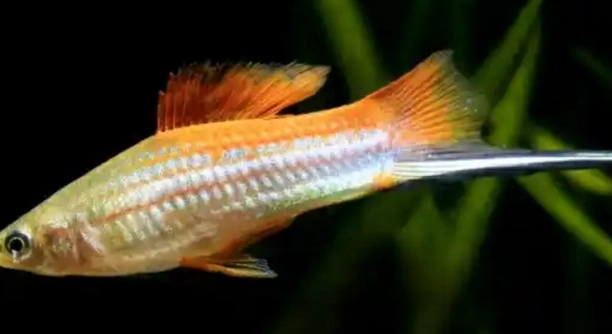
Swordtails are popular fish for beginner aquarists due to their peaceful nature and vibrant colors. Setting up the right tank for them is essential for their health and longevity. Here are some key tips to help you create the perfect home for your swordtails.
To set up a tank for swordtails, focus on providing adequate space, proper water conditions, and appropriate tank mates. Ensure the water is clean, well-filtered, and maintained at a temperature between 72°F to 82°F. Regular water changes and appropriate decorations will help swordtails thrive.
Creating the best environment for swordtails involves choosing the right tank size, plants, and water parameters. Proper setup ensures they live a healthy, stress-free life, so let’s explore the necessary steps for making your tank a swordtail-friendly haven.
Choosing the Right Tank Size for Swordtails
When setting up a tank for swordtails, the size of the aquarium plays a vital role in their comfort and health. Swordtails are active swimmers and need enough space to move freely. A minimum of 20 gallons is recommended for a small group of swordtails. This size allows enough room for the fish to swim around, explore, and exhibit their natural behaviors. Having a larger tank is even better if you plan to keep other fish or add plants and decorations. Swordtails do best when they aren’t overcrowded, so proper space is essential.
A tank smaller than 20 gallons may lead to stress and territorial behavior, especially with multiple swordtails. In such a confined space, the water quality can degrade faster, and fish may not thrive as well.
As swordtails grow, they need more space to thrive. It’s essential to consider not only the number of fish but also the tank’s shape. Long tanks offer more horizontal swimming space compared to tall ones, which encourages natural movement patterns. Keeping your swordtails in an appropriately sized tank helps reduce stress, maintain water quality, and ensures their overall well-being.
Maintaining Proper Water Conditions
Swordtails require stable and clean water to stay healthy. Water temperature should be between 72°F to 82°F, with a pH level ranging from 7.0 to 8.4. Regular water changes of about 20-30% per week will keep the tank conditions optimal.
Swordtails are sensitive to poor water quality, so filtration is crucial. A good filter will help keep the water clean, removing waste and excess nutrients. It also helps oxygenate the water, which is beneficial for swordtails and other tank inhabitants.
Tank Decorations and Plants for Swordtails
Swordtails appreciate a tank with plenty of hiding spots and plants. Adding live plants helps mimic their natural habitat, providing shelter and places to rest. They are peaceful fish, but a bit of space to retreat is always beneficial.
Live plants like Java ferns, Anubias, and hornwort are easy to care for and thrive in the conditions swordtails prefer. In addition to plants, use rocks and driftwood to create hiding areas. These additions also give your tank a more natural, appealing look. Avoid sharp decorations, as they can damage swordtails’ fins.
You should also keep the plants well-maintained. Trim them regularly to prevent them from taking over the tank. The right balance of plants and open space lets swordtails feel comfortable without overcrowding the aquarium. Keep in mind that plants also help with water filtration by absorbing excess nutrients, improving water quality. Proper decoration ensures both the swordtails and the plants thrive.
Choosing the Right Tank Mates
Swordtails get along well with most peaceful fish, but it’s important to choose tank mates wisely. Avoid aggressive species that may harass swordtails. A good rule of thumb is to pick fish that are similarly sized and not too territorial.
Popular tank mates for swordtails include guppies, mollies, platies, and corydoras catfish. These fish have similar care requirements and are generally non-aggressive. However, avoid keeping swordtails with fin-nipping species, such as tetras or bettas, as they might cause stress or harm. It’s also wise to avoid keeping multiple male swordtails in a small tank, as they may become territorial.
The right tank mates can make a big difference in swordtail behavior and overall tank harmony. Swordtails are social fish, so having companions they can interact with can help reduce stress. When introducing new fish, always monitor their interactions to ensure everyone is getting along.
Water Filtration for Swordtails
A good filter is essential for keeping the water clean and healthy for swordtails. Choose a filter that’s appropriate for your tank size and can handle the waste produced by multiple fish. Swordtails produce moderate waste, so filtration is crucial for maintaining water quality.
The filter should be capable of removing debris, excess nutrients, and harmful substances like ammonia and nitrites. It also helps oxygenate the water, which is vital for swordtails. Make sure to clean the filter regularly and replace the filter media as needed to ensure it continues functioning properly.
Regular Water Changes
To keep swordtails healthy, regular water changes are necessary. Aim for 20-30% changes weekly to maintain water quality and prevent toxic buildup. This helps keep the tank clean and the fish stress-free.
Performing water changes is also a great way to check water parameters like pH, temperature, and ammonia levels. Regular changes promote a stable environment, preventing fluctuations that may harm the swordtails.
FAQ
How many swordtails should I keep together?
Swordtails are social fish, so it’s best to keep them in groups. A group of at least 3-5 swordtails will help them feel comfortable and reduce stress. If you only have a single swordtail, it may feel lonely and more stressed. In a group, swordtails can interact with each other, swim together, and exhibit natural behavior. Keeping both males and females is okay, but if you don’t want to breed, it’s often best to have one male for every two or three females. This balance reduces aggression from the males.
What size tank do swordtails need?
Swordtails need a minimum tank size of 20 gallons for a small group. This space gives them enough room to swim around and prevents overcrowding, which can lead to stress. If you plan on adding other fish, plants, or decorations, consider a larger tank. A 30-gallon tank or more is ideal for a peaceful community setup. A larger tank also helps maintain water quality and reduces the frequency of necessary water changes.
What are the best water conditions for swordtails?
Swordtails thrive in water that is slightly alkaline, with a pH level ranging from 7.0 to 8.4. The water temperature should be kept between 72°F to 82°F. It’s important to monitor these conditions regularly using water testing kits. Stability is key, as swordtails don’t do well with sudden changes in water parameters. Maintain a good filtration system to keep the water clean and oxygenated. Regular water changes are also essential to prevent the buildup of harmful substances.
Can swordtails live with other types of fish?
Yes, swordtails are peaceful and can live with many other fish. The best tank mates are other peaceful species that enjoy similar water conditions, like guppies, mollies, and platies. Avoid aggressive fish like bettas or larger predatory fish that may harm swordtails. Also, avoid species that are known for fin-nipping, as this could lead to stress or injuries. It’s always a good idea to research potential tank mates before adding them to ensure compatibility.
How often should I feed my swordtails?
Swordtails are not picky eaters and will eat a variety of foods, including flakes, pellets, and live or frozen foods like brine shrimp and daphnia. Feed them small amounts twice a day. Be sure to only give them as much food as they can consume within 2-3 minutes to avoid overfeeding. Overfeeding can lead to poor water quality, which can harm the fish. You can vary their diet to keep them healthy and encourage natural behaviors, but always remove any uneaten food to keep the tank clean.
Why is my swordtail hiding all the time?
Swordtails may hide when they are stressed, unwell, or feeling threatened. If your swordtail is hiding more than usual, check the water quality first. Poor water conditions, like high ammonia or nitrate levels, can cause stress. Also, make sure there aren’t any aggressive tank mates that might be bullying the swordtail. Lastly, check for signs of illness, such as faded colors, spots, or abnormal swimming behavior. If the swordtail continues to hide and shows no improvement, a trip to a fish expert or veterinarian might be necessary.
Do swordtails need a lot of plants in their tank?
While swordtails don’t require a heavily planted tank, they do appreciate plants for shelter and enrichment. Plants like Java ferns, Anubias, and hornwort provide hiding spots and help create a natural, comfortable environment. Plants also improve water quality by absorbing excess nutrients, which can prevent algae growth. Having a few plants in the tank can reduce stress and provide a more natural habitat, but swordtails are also fine in tanks with minimal plant coverage, as long as they have adequate space to swim.
Can I breed swordtails in a home aquarium?
Yes, swordtails are easy to breed in a home aquarium. If you have males and females, they will likely breed without much effort. Swordtails are livebearers, meaning they give birth to live young instead of laying eggs. To prevent overpopulation, it’s important to monitor the male-to-female ratio and remove males if you don’t want babies. If you do want to breed them, you can provide plenty of hiding places in the tank for the fry to avoid being eaten by adults. The fry will grow quickly, so you may need to separate them as they mature.
How can I tell the difference between male and female swordtails?
The easiest way to tell males and females apart is by looking at their tails. Male swordtails have an extended, sword-like fin on the bottom of their tail, while females have a more rounded tail fin. Males are typically smaller and more colorful than females, and they may display more aggressive behavior, especially when competing for mates. Female swordtails are generally rounder and larger, especially when carrying eggs or developing fry.
Why is my swordtail’s tail damaged?
Damaged tails in swordtails can be caused by several factors. One common reason is aggression from tank mates. If there are fin-nipping fish in the tank, they may be causing the damage. Another cause could be sharp decorations or objects in the tank. Make sure the tank is free of anything that could harm your swordtail’s fins. If the damage is severe, you may need to quarantine the fish and treat any injuries with aquarium salt or other remedies designed for fin recovery.
Final Thoughts
Setting up a tank for swordtails doesn’t need to be complicated, but it does require attention to detail. The most important factors are providing enough space, maintaining proper water conditions, and selecting suitable tank mates. Swordtails are hardy fish, but they thrive in a stable environment where their needs are met. A tank of at least 20 gallons with clean, well-filtered water will make all the difference in keeping them healthy. Regular water changes and monitoring water quality are essential parts of their care routine.
Swordtails are active and social fish, so it’s important to choose tank mates that share similar water requirements and are peaceful. They get along well with other non-aggressive species like guppies, mollies, and platies. However, it’s essential to avoid aggressive or fin-nipping fish, as these can cause stress and injury to your swordtails. Also, be mindful of the male-to-female ratio to reduce aggression, as males may fight for territory. Providing enough hiding spots and plants can help ensure a peaceful, natural environment for all the fish in your tank.
By maintaining a balanced tank setup, swordtails can live a long and healthy life. Offering a variety of plants, decorations, and enough space to swim freely promotes natural behaviors and reduces stress. They are beautiful, vibrant fish that add life to any aquarium. Whether you’re a beginner or more experienced, swordtails are a great choice for a peaceful, low-maintenance aquarium. With proper care, they can be a colorful and lively addition to your home for years to come.

Hello,
If you enjoy the content that we create, please consider saying a "Thank You!" by leaving a tip.
Every little bit helps us continue crafting quality advice that supports the health, happiness, and well-being of pets around the world, for pets of all shapes, sizes, and species.
We really appreciate the kindness and support that you show us!