
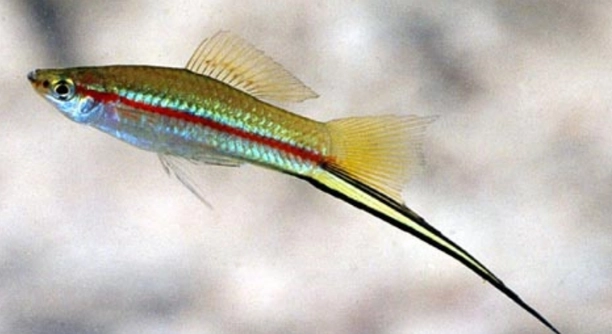
Swordtails are beautiful fish that make great pets, but knowing how to feed them properly is important for their health. Some foods can harm them, and it’s crucial to be aware of what they should avoid.
Swordtails should never be fed human food, especially those high in fat, salt, or sugar. Avoid offering processed foods, such as bread or fried items, as they can lead to digestive issues and other health problems.
Understanding the right foods for swordtails will help keep them healthy and vibrant. Keep reading to learn what you should avoid feeding these lovely fish.
Human Food is Not for Swordtails
Swordtails are not equipped to handle the same foods that humans enjoy. Many types of human food, such as processed snacks, junk food, or foods high in salt, sugar, or fat, can be very harmful to them. Their digestive systems are not built to process these types of ingredients, and feeding them such foods can cause serious health problems, like obesity or internal damage. Even seemingly innocent foods like bread or pasta can create long-term issues if fed regularly. It’s best to avoid giving them anything that comes from your own plate.
If you’ve ever thought about sharing your meals with your swordtail, it’s essential to reconsider. Human food can disrupt their nutrition balance, making them sick over time.
Swordtails thrive on foods designed specifically for fish. Offer them a variety of pellets, flakes, and occasional live or frozen foods like brine shrimp or bloodworms. These options help provide the nutrients they need to stay healthy, active, and colorful. Always check the ingredients to ensure the food is appropriate for their diet. Avoid feeding them too much at once. Overfeeding can lead to bloating and poor water quality in the tank.
Processed Foods and Sweets
Processed foods and sugary snacks can also harm swordtails.
Sugar and artificial additives in processed foods can cause digestive issues in swordtails, leading to poor health. Over time, these foods may impact their immune systems, leaving them more vulnerable to diseases. Stick to foods made for aquarium fish, and avoid anything that could throw off their diet.
High-Fat Foods Should Be Avoided
High-fat foods can lead to health problems for swordtails. Over time, excessive fat can cause obesity and disrupt their metabolism, which may lead to serious issues like organ failure. Foods like fatty meats or oils are not meant for their bodies and can result in fatty deposits.
Fish need healthy fat in their diet, but too much can have harmful effects. Stick to specialized fish foods that contain balanced nutrients, and avoid feeding them anything that’s overly greasy or rich in unhealthy fats. Overfeeding high-fat foods can also lead to poor water quality, which affects the health of your fish tank.
It’s easy to fall into the trap of offering snacks that seem harmless, but high-fat foods like chips or fast food should never be part of a swordtail’s diet. These foods don’t provide the necessary vitamins and minerals that are crucial for their well-being. If you want your swordtails to thrive, avoid offering any food that is not specifically designed for them. It’s important to keep their diet balanced and healthy, which is key to long-term health and vibrancy.
Bread and Starchy Foods
Bread, pasta, and other starchy foods can cause issues for swordtails.
These types of foods can swell up in their stomachs, making it hard for them to digest. The starches can also lower water quality, as they break down into particles that create debris. Bread is particularly dangerous because it can stick to their digestive systems, making it difficult for them to process.
If you want to feed your swordtails something different, look for specially formulated fish treats or veggies that won’t break down and cause blockages. Starchy foods just don’t align with the diet that swordtails need to thrive. A balanced diet of appropriate fish food will ensure they remain healthy and active.
Dairy Products Can Harm Swordtails
Dairy products like milk, cheese, and yogurt should never be fed to swordtails. Their digestive systems can’t break down lactose, which can cause discomfort, bloating, and even severe digestive problems. Dairy will only contribute to poor health and water quality in the tank.
Feeding dairy may lead to long-term digestive issues, affecting their ability to absorb nutrients properly. Even a small amount can upset their stomach and overall health, so it’s best to avoid any dairy products altogether.
Vegetables: Choose Carefully
While some vegetables are fine for swordtails, others can create problems.
Be sure to provide small, finely chopped vegetables like spinach or zucchini, which are safe for fish to eat. Avoid feeding them starchy vegetables, such as potatoes, as these can cause bloating or digestion issues. Not all vegetables are suitable for swordtails, so research before feeding them new foods.
Overfeeding Leads to Problems
Feeding too much, even with the right foods, can lead to issues.
Swordtails are prone to overeating if offered food too frequently. Overfeeding can cause digestive issues, increase the risk of diseases, and lead to poor water quality in the tank. Stick to proper feeding schedules and portion sizes to ensure they get enough nutrition without excess.
FAQ
Can swordtails eat fruit?
Swordtails should not be fed fruit. While fruits may seem like a healthy treat, they contain high sugar levels that swordtails can’t properly digest. Feeding fruit can lead to digestive issues, weight gain, and water quality problems. Stick to foods specifically designed for fish, such as high-quality pellets, flakes, or occasional live or frozen foods.
What should I feed my swordtail daily?
Swordtails should be fed a balanced diet of high-quality fish pellets or flakes designed for livebearers. You can supplement their diet with occasional treats, like frozen or live brine shrimp, bloodworms, or daphnia. It’s important not to overfeed, offering only as much as they can consume in 2-3 minutes. Make sure the food you provide contains the necessary nutrients, like protein and vitamins.
Is it safe to feed swordtails live food?
Live food, like brine shrimp or daphnia, is a natural and healthy food option for swordtails. It can provide additional protein and stimulate their natural hunting behavior. However, be careful when using live food from outside sources, as it may carry parasites or diseases that could harm your fish. Always make sure the live food is from a safe, reputable source.
Can swordtails eat frozen food?
Frozen food is perfectly safe for swordtails and can be a nutritious addition to their diet. Frozen foods like brine shrimp, bloodworms, and daphnia are great options. Always thaw the food before feeding it to your fish, and only give them small portions at a time to avoid water contamination.
Can swordtails eat plants?
Swordtails can safely eat certain types of plants, especially soft-leafed ones. Some swordtails will nibble on plants in the aquarium, but they shouldn’t rely on plants for their main source of nutrition. Offering them a variety of leafy greens like spinach or lettuce can be an occasional treat. However, avoid providing plants that are too hard or fibrous, as they can cause digestive problems.
How often should I feed swordtails?
Swordtails should be fed once or twice a day, depending on their age and activity level. Adult swordtails typically only need one meal a day, while younger fish or pregnant females might need more frequent feedings. However, it’s important to avoid overfeeding them, as excess food can lead to health problems and dirty tank water.
Can swordtails eat algae?
Swordtails may nibble on algae, but they should not rely on it as their primary food source. Algae can be an occasional snack, but it’s not sufficient to meet their nutritional needs. It’s best to provide them with a balanced diet that includes pellets or flakes, along with occasional treats like live or frozen food.
What happens if I overfeed my swordtail?
Overfeeding swordtails can lead to several health issues. Excess food that isn’t eaten can decompose in the water, leading to poor water quality and the growth of harmful bacteria. Additionally, swordtails can become obese, which can strain their organs and reduce their lifespan. It’s important to stick to proper portion sizes to keep your fish healthy.
Are there any foods swordtails should never eat?
Swordtails should never be fed processed foods, human food, or anything high in salt, sugar, or fat. Avoid offering them dairy products, starchy foods like bread or pasta, and anything fried or greasy. These foods can lead to digestive problems, obesity, and even organ failure. Stick to fish-specific foods to ensure their health.
What types of pellets are best for swordtails?
When choosing pellets for swordtails, look for high-quality options designed for livebearers. These pellets should be rich in protein, with a balanced amount of fiber, vitamins, and minerals. Avoid pellets with fillers or artificial additives. Brands like Tetra and Hikari offer good choices for swordtails, providing the essential nutrients they need.
Can swordtails eat shrimp?
Yes, swordtails can eat shrimp, and it’s a great source of protein for them. You can feed them live or frozen shrimp, such as brine shrimp or ghost shrimp, which are safe and nutritious. Be sure to offer shrimp in small portions, as too much can lead to overfeeding and water quality issues.
What’s the best way to introduce new foods to my swordtail?
When introducing new foods to your swordtail, do so gradually. Start by offering small portions alongside their regular diet and observe how they respond. If they show interest, you can slowly increase the amount over time. This helps prevent digestive upset and allows you to monitor for any potential adverse reactions. Always make sure any new food is safe for them.
Can swordtails eat live plants?
Swordtails may nibble on live plants, especially soft-leafed ones. While they can help maintain a natural balance in the tank by grazing on algae, they should not rely on plants as their primary food source. Providing a variety of suitable fish foods is necessary to ensure they get all the essential nutrients.
Do swordtails eat their babies?
Swordtails, like many livebearers, may eat their own young if they are hungry or feel stressed. To protect the babies, provide hiding spaces like plants or breeding boxes where they can hide from adult fish. You can also move the fry to a separate tank to ensure their safety.
How do I prevent my swordtail from getting bloated?
To prevent bloating, avoid overfeeding your swordtail. Stick to small portions and feed them only what they can consume in a few minutes. Make sure to avoid feeding them foods that are difficult to digest, like bread or high-fat items, as these can lead to bloating and other digestive problems.
Can swordtails eat insects?
Swordtails can eat small insects, like ants or fruit flies, in moderation. However, it’s important not to feed them insects that are too large or could cause choking. Insects should be a rare treat rather than a regular part of their diet, and they should always be pesticide-free.
Final Thoughts
Taking care of swordtails involves much more than just feeding them the right foods. A balanced diet is essential for their long-term health and happiness. By avoiding harmful foods, such as processed items, dairy, and human snacks, you can help prevent digestive issues and other health problems. Instead, focus on feeding them high-quality fish pellets or flakes specifically designed for livebearers. Occasional treats like frozen brine shrimp, daphnia, or small amounts of vegetables can also be a good addition to their diet. By offering the right foods in proper portions, you’ll keep your swordtails healthy and vibrant.
Remember that overfeeding is a common mistake that many fish owners make. While it might seem like feeding your swordtail extra food will help them grow faster or get bigger, it can actually lead to serious issues like obesity, poor water quality, and even organ failure. Stick to a regular feeding schedule and offer small amounts of food that your fish can consume within a few minutes. Keeping track of how much you feed them is important to maintain a healthy balance in the tank and avoid the risks that come with overfeeding.
Lastly, always pay attention to the overall environment in the tank. The water quality is just as important as the food they eat. Regular water changes, proper filtration, and monitoring of tank conditions will help support your swordtail’s well-being. A clean and safe environment, combined with a balanced diet, will ensure your swordtails remain healthy, active, and colorful for years to come. By understanding what to feed your fish and what to avoid, you’ll be able to create a thriving home for them in your aquarium.

Hello,
If you enjoy the content that we create, please consider saying a "Thank You!" by leaving a tip.
Every little bit helps us continue crafting quality advice that supports the health, happiness, and well-being of pets around the world, for pets of all shapes, sizes, and species.
We really appreciate the kindness and support that you show us!