
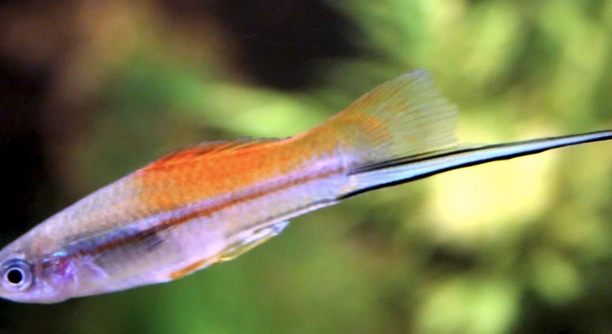
Swordtails are popular aquarium fish, but identifying their gender can be tricky for many fish enthusiasts. Knowing how to distinguish between male and female swordtails can be essential for breeding or maintaining a balanced tank.
The gender of swordtails can be identified by observing several physical traits. Males typically have a long, pointed tail extension, while females have a shorter, rounder tail. Additionally, males are generally more colorful and smaller in size.
Learning these distinctions ensures proper care and helps you better understand your swordtails. This knowledge makes maintaining a healthy and thriving aquarium easier for you.
Recognizing Male Swordtails: Key Traits
Male swordtails can be easily identified by a few distinct features. One of the most noticeable traits is the long, sword-like extension on their tails. This unique characteristic gives them their name and is a defining feature of male swordtails. These fish tend to be smaller than females, with a more vibrant and colorful appearance. Their brighter colors are often a combination of red, orange, or yellow hues, making them stand out in a tank. They also tend to be more active and have slimmer bodies compared to females.
Understanding these traits is essential when trying to identify males in a group of swordtails. The sharp tail extension is the most obvious characteristic that sets them apart. These males also display a high level of agility and are often seen swimming more freely than their counterparts.
Knowing the appearance of males will help when trying to breed swordtails or ensuring a balanced aquarium setup. It’s also useful for keeping track of your tank’s dynamics.
Identifying Female Swordtails
Female swordtails have their own set of distinguishing features. Unlike males, females lack the long tail extension and are generally larger and rounder. They are usually a duller color, with shades of silver, green, or tan. This makes them blend in more easily compared to their more colorful male counterparts. Females are typically less active and spend more time near the tank’s bottom, where they are often seen grazing or resting.
Recognizing females is crucial if you’re planning on breeding swordtails. Their larger size allows them to carry eggs, and understanding their role in reproduction can help ensure the health of the tank.
Females’ rounded bodies allow for the development of eggs, which they carry until they give birth to live young. The absence of the sword-like tail is the key trait to identify them, making it easier to tell the genders apart when observing your swordtails closely.
Behavior and Activity Levels
Male swordtails are generally more active than females. They swim around more frequently, exploring different parts of the tank. This high energy level is linked to their mating behavior, where they actively pursue females. Their constant movement is one of the easiest ways to spot them in the tank.
In contrast, female swordtails tend to be more sedentary. They often remain close to the bottom of the tank or hover near plants, moving less frequently. Their slower movements are linked to their role in reproduction, as they carry eggs and need more time to rest. This behavioral difference becomes clear when observing both genders together.
If you’re looking to separate males and females for breeding, behavior can be a helpful indicator. Males will chase the females, while the females tend to be more passive. Understanding these habits helps you identify their roles and manage their interactions in your tank more effectively.
Pregnancy and Gravid Spot
One of the most reliable ways to identify a female swordtail is by observing the gravid spot near her abdomen. This darkened area appears as she prepares to give birth to live young. The gravid spot is a clear sign that the fish is carrying eggs.
Unlike males, females will often develop a prominent gravid spot as they near the end of their pregnancy. This spot is usually black or dark brown, contrasting with the lighter body of the female. As the pregnancy progresses, this spot becomes more pronounced, making it easier to distinguish females from males. In some cases, the gravid spot may be less visible in very young or newly pregnant females.
Once the gravid spot is noticeable, it’s a good indication that a female swordtail is about to give birth. This is a crucial observation for breeders or those interested in breeding swordtails. Recognizing this spot helps track the stages of pregnancy and prepare for the birth of new fry.
Size Comparison: Male vs. Female Swordtails
Male swordtails are generally smaller than females, which are bulkier and rounder due to their egg-carrying capacity. The males’ smaller size allows them to move quickly, making them more agile in the tank. The females’ larger size helps them support the development of eggs.
This size difference can be noticeable when observing swordtails together. Males are often slimmer and more vibrant in color, while females are more substantial in shape. The overall size and body shape give a clear distinction between genders, making it easier to identify them.
Color Differences Between Genders
Male swordtails often have brighter, more intense colors compared to females. These males display shades of red, orange, and yellow, which become more vibrant during mating periods. In contrast, females tend to be duller, with green, tan, or silver hues.
The difference in coloration is another indicator of gender, especially when both males and females are in the same tank. Males use their colors to attract females, which is why their pigmentation is often more intense. This contrast helps to quickly differentiate the genders at a glance.
Swordtail Fin Shape
Swordtails’ fins also vary between males and females. Male swordtails tend to have longer, sharper dorsal fins, while females have shorter, rounder fins. These differences further distinguish the two genders. The sharpness of the male’s dorsal fin plays a part in their attractiveness during mating.
FAQ
How can I tell the difference between a male and female swordtail?
The easiest way to tell the difference between male and female swordtails is by looking at their size, tail shape, and coloration. Males are typically smaller and more vibrant in color, with long, pointed tail extensions, also known as the “sword.” Females, on the other hand, are larger, rounder, and lack the sword-like tail. Their colors are usually more subdued, ranging from silver to green.
Do male swordtails always have long tails?
Yes, male swordtails almost always have long, pointed tails. This tail extension is a defining characteristic of males and becomes more prominent as they mature. It serves as a way for males to attract females during mating displays. Females, however, lack this extension and have shorter, rounder tails.
Are male swordtails more colorful than females?
Generally, yes. Male swordtails are brighter in color, often displaying shades of red, orange, yellow, or even a mix of colors. This vibrant coloration is a way for males to attract females. Females, however, tend to be more subdued in color, typically appearing silver, tan, or green. The difference in color is more noticeable when both genders are observed together.
Can female swordtails develop a sword tail?
No, female swordtails do not develop a sword tail. The sword-like tail extension is a characteristic unique to males. However, females may appear to have a more rounded, shorter tail, which sets them apart from males.
How can I tell if my swordtail is pregnant?
A pregnant female swordtail will often develop a dark spot near her abdomen, called the gravid spot. This spot becomes more prominent as the female gets closer to giving birth. The gravid spot is a sign that the female is carrying eggs, which she will soon release as live young.
What is the gravid spot on a female swordtail?
The gravid spot is a darkened area near the belly of a pregnant female swordtail. It appears as the female carries eggs, and it becomes darker and more visible as the pregnancy progresses. This spot is an excellent way to identify if a female swordtail is pregnant.
Can female swordtails give birth multiple times?
Yes, female swordtails can give birth multiple times. Swordtails are livebearers, meaning they give birth to live young rather than laying eggs. A female can store sperm from a male and release it over several breeding cycles, allowing her to give birth to multiple batches of fry without needing to mate again immediately.
How long does it take for a swordtail to give birth?
The pregnancy of a female swordtail typically lasts between 3 to 4 weeks, depending on water conditions, temperature, and the female’s health. As the pregnancy progresses, the gravid spot will become more prominent. Once the female is ready, she will give birth to live fry.
Can I breed swordtails in my aquarium?
Yes, swordtails breed easily in aquariums. For successful breeding, ensure you have both males and females in the tank, and provide proper water conditions, such as a temperature between 72-82°F (22-28°C) and slightly alkaline pH. Males will actively court females, and soon, the females will become pregnant and give birth to live fry.
How many babies can a swordtail have at once?
A female swordtail can give birth to anywhere from 20 to 100 fry at a time, depending on her size and age. The fry are fully formed and can swim away shortly after birth, making them relatively independent compared to other species of fish.
How can I care for swordtail fry?
To care for swordtail fry, ensure that they have a safe environment with plenty of hiding places. Newborn fry are small and vulnerable, so adding plants or a breeding box to separate them from adult fish can help. Fry can be fed small amounts of baby fish food or finely crushed flake food until they are large enough to consume standard fish food.
Do swordtails need special care during pregnancy?
While swordtails do not require extensive special care during pregnancy, maintaining a stable environment is essential. Ensure the water temperature is suitable, and the tank is clean. A stressed female may have difficulty carrying her fry, so providing a peaceful, stress-free environment is crucial. Avoid overfeeding her to prevent complications during birth.
How can I breed swordtails in a community tank?
Breeding swordtails in a community tank is possible, but you’ll need to ensure that the tankmates are not too aggressive or large to harm the fry. It’s a good idea to provide hiding spots for the young, such as plants or decorations, to help protect them from larger fish. Separating males and females before birth can help ensure the fry’s safety.
How often do swordtails breed?
Swordtails breed frequently, especially if you have both males and females in your tank. They can breed as often as every month, producing several batches of fry over the course of the year. Female swordtails store sperm, so they can give birth multiple times without mating each time.
What do I do if I have too many swordtail fry?
If you have too many swordtail fry, you can either rehome them, keep them in a separate tank, or trade them at a local pet store. Overcrowding in a tank can lead to stress and poor water quality, so it’s important to manage the fry population to maintain a healthy environment for both adults and young fish.
Are swordtail fry hard to care for?
Swordtail fry are relatively easy to care for as long as you provide them with appropriate tank conditions and food. Since they are livebearers, the fry are born fully formed and can swim away immediately, which makes them more independent than egg-laying species. However, their small size makes them vulnerable to predators, so it’s crucial to offer them hiding spots and separate them from adult fish if necessary.
Can swordtails live with other fish?
Swordtails are generally peaceful and can live with other non-aggressive species in a community tank. However, avoid housing them with very large or aggressive fish that may view them as prey. Swordtails do well with other livebearers, such as guppies, mollies, and platies, as long as their tankmates are compatible.
Final Thoughts
Understanding how to tell the gender of swordtails can significantly enhance your experience as an aquarium keeper. With their distinct differences, male and female swordtails offer a unique opportunity for both observation and breeding. The key physical traits, such as the male’s swordtail and the female’s rounder shape, make it relatively easy to distinguish between the two. This knowledge is especially useful for breeding or managing the tank to ensure a balanced environment. It can also be helpful when pairing swordtails for specific purposes, such as creating a peaceful community or preventing overpopulation.
When it comes to breeding swordtails, knowing the gender differences is crucial for maintaining a healthy aquarium. Male swordtails are typically more vibrant and active, often courting the females with their swordtails. This behavior adds an interesting dynamic to your tank and ensures that both males and females are involved in the reproduction process. Females, being the larger and rounder fish, are better equipped for carrying and giving birth to live young. Keeping an eye on the female’s gravid spot can help you monitor her pregnancy, giving you a better understanding of when to expect new fry. This is important not only for the health of the mother but also for the survival of the young.
In conclusion, distinguishing between male and female swordtails isn’t just about curiosity or aesthetics—it’s about creating an optimal environment for both the fish and the keeper. Whether you’re simply enjoying the beauty of these fish or trying to breed them, knowing their genders helps ensure that your tank runs smoothly. With the right care and understanding of their needs, swordtails can thrive in any aquarium. Their unique behaviors, attractive appearance, and ease of care make them a rewarding species for fish enthusiasts of all levels. By paying attention to their gender differences and other care requirements, you can enjoy watching them grow and interact in your tank.

Hello,
If you enjoy the content that we create, please consider saying a "Thank You!" by leaving a tip.
Every little bit helps us continue crafting quality advice that supports the health, happiness, and well-being of pets around the world, for pets of all shapes, sizes, and species.
We really appreciate the kindness and support that you show us!