
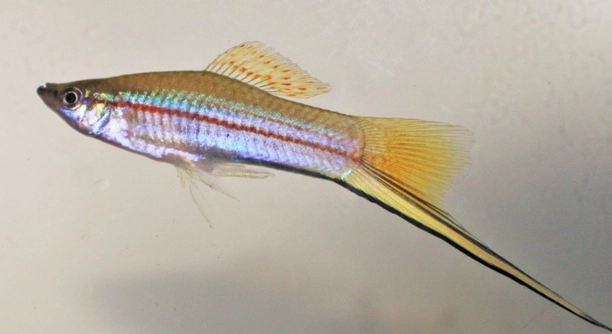
Swordtails are vibrant fish, but sometimes, their color may start to fade. This change can be unsettling for any fish keeper, but understanding the reasons behind it can help restore their health and appearance.
The loss of color in swordtails is often caused by stress, poor water quality, or inadequate diet. A drop in water temperature or the presence of toxins can also contribute to this change. Identifying the cause is essential for effective treatment.
Understanding the key factors affecting your swordtail’s color will guide you in making the necessary adjustments to improve its environment and well-being.
Stress and Its Effect on Swordtail Color
Stress is one of the main reasons swordtails lose their vibrant colors. When fish experience stress, their bodies react in ways that can lead to color fading. Stressors like overcrowding, aggressive tank mates, or sudden changes in their environment can cause this. Swordtails are sensitive to their surroundings, and stress often manifests in their appearance. It’s crucial to monitor their environment closely to ensure they feel safe. Keeping a peaceful tank environment with enough space for each fish can help reduce stress levels. Additionally, consistent water quality is key to preventing undue stress. Regular maintenance and ensuring the water conditions remain stable will support healthy fish and vibrant colors.
When stress is reduced, swordtails can recover their colors over time. It may take some time, but a calm and stable environment helps restore their natural beauty.
Identifying the cause of stress and addressing it as soon as possible is essential. Regular observation and proper care are the best ways to prevent color loss in swordtails.
Water Quality and Swordtail Color Loss
Water quality plays a critical role in the health of swordtails. Poor water conditions can directly affect their physical appearance, including color fading. Elevated levels of ammonia, nitrites, or nitrates can stress the fish, leading to color loss. Swordtails are highly sensitive to water changes, especially when it comes to pH, temperature, and the presence of harmful chemicals. Regular water testing and maintenance are essential to keeping the water quality in check. Performing partial water changes and ensuring proper filtration can significantly improve the environment.
Inadequate water conditions can lead to more serious health issues for swordtails, including weakened immune systems. The stress caused by poor water quality can take a toll on their physical condition and appearance. If the water is not regularly maintained, it becomes difficult for swordtails to thrive. Healthy water is crucial for maintaining their natural colors.
Proper water care is not just about keeping the fish healthy; it’s also about preserving their vibrant colors. By focusing on water quality, you’re helping ensure your swordtails remain beautiful and lively.
Diet and Its Impact on Swordtail Color
Swordtails rely on a balanced diet to maintain their health and color. A lack of essential nutrients can lead to color loss. Protein-rich foods, such as high-quality fish flakes and live foods like brine shrimp, are important for vibrant coloration. Offering a variety of foods ensures that swordtails get the necessary vitamins and minerals. Deficiency in key nutrients, particularly those that support skin and scales, can make swordtails appear dull and less colorful.
A diet that includes foods rich in carotenoids, such as spirulina or colorful vegetables, can help bring back their natural vibrancy. These nutrients are directly linked to color enhancement and overall health. Providing a well-rounded diet also boosts their immune system, keeping them healthy and less susceptible to stress or disease. Swordtails that are well-fed and nutritionally balanced are more likely to display their full range of colors.
Proper feeding is not just about making sure swordtails are full; it’s about ensuring they receive the right nutrition for their long-term health and appearance.
Temperature and Its Role in Swordtail Color
The temperature of the water plays a significant role in the color of swordtails. If the water is too cold or too hot, swordtails may lose their vibrancy. Swordtails thrive in temperatures between 72°F and 78°F (22°C to 26°C). Temperature extremes cause stress, which impacts their overall well-being. It’s important to maintain a consistent temperature, as fluctuations can contribute to fading color.
When water temperature drops or rises beyond their comfort zone, swordtails may exhibit signs of stress, including dullness in their colors. Consistent water temperature is key to keeping them healthy and colorful. A reliable aquarium heater is a useful tool to ensure the water stays within the optimal range. By monitoring the temperature regularly, you can prevent stress-related color loss.
Maintaining the right temperature also helps swordtails feel more secure in their environment, reducing stress and keeping them active. Consistency in temperature is one of the simplest ways to maintain your swordtail’s vibrant appearance.
Overcrowding and Its Effect on Swordtail Color
Overcrowding a tank can negatively affect the health and appearance of swordtails. Too many fish in a small space leads to stress, and this can cause color fading. Swordtails need room to swim and feel secure. Keeping the tank spacious helps them stay active and colorful.
Stress from overcrowding also affects the fish’s immune system. Swordtails under constant stress are more susceptible to diseases, further impacting their health and vibrancy. It’s essential to monitor the number of fish in the tank to maintain a balanced environment. A spacious tank with appropriate fish numbers ensures a healthy, colorful display.
Illness and Disease Impact on Swordtail Color
Illnesses and diseases can lead to significant color loss in swordtails. Parasitic infections, such as velvet or ich, cause stress that impacts their appearance. Sick fish often appear dull and lethargic. Treating any signs of illness promptly is crucial to prevent further deterioration of their condition.
When swordtails become ill, their body’s ability to maintain bright coloration is compromised. Many diseases suppress the fish’s immune system, making it harder for them to recover without intervention. Early diagnosis and treatment improve the chances of restoring their natural colors and overall health. Providing the correct medication and maintaining optimal water conditions will aid in recovery.
Lighting and Swordtail Color Changes
Lighting in the tank can also play a role in the color of your swordtails. If the lighting is too dim or too bright, it may cause colors to appear washed out. Moderate lighting helps bring out the full potential of swordtail colors.
FAQ
Why is my swordtail turning pale?
A pale swordtail often indicates poor health, which could be due to stress, water quality, or diet. Stressful conditions, such as overcrowding or aggressive tank mates, are common causes. Additionally, swordtails may lose their color if their diet lacks essential nutrients. Poor water quality, especially the presence of ammonia or high nitrate levels, can also lead to discoloration. Improving their environment and addressing these issues will help restore their color.
How can I improve my swordtail’s color?
To improve your swordtail’s color, focus on reducing stress, maintaining clean water, and providing a balanced diet. A variety of nutritious foods, including high-quality fish flakes, brine shrimp, and vegetables, can help enhance their colors. Regular water changes and maintaining stable water conditions are also important. Swordtails thrive in tanks with appropriate lighting and a peaceful atmosphere. With proper care, they can regain their vibrant hues.
Can poor water quality cause my swordtail to lose its color?
Yes, poor water quality is a major factor in color loss. Elevated levels of ammonia, nitrites, and nitrates can stress your swordtail, leading to fading colors. It’s essential to perform regular water tests and keep these levels within a safe range. Consistent water changes, proper filtration, and tank maintenance will ensure the water quality stays optimal for your swordtails to thrive.
How can I reduce stress in my swordtail?
To reduce stress in your swordtail, provide a peaceful tank environment. Avoid overcrowding, ensure there’s enough space for each fish, and offer hiding spots to create a secure habitat. Keep the water temperature stable and avoid sudden changes. Minimize noise and movement around the tank to help your swordtail feel at ease. A calm, stable environment promotes vibrant color and overall health.
What is the ideal temperature for swordtails?
Swordtails prefer a water temperature between 72°F and 78°F (22°C to 26°C). Extreme temperature fluctuations can stress them, which may lead to fading colors. Using a reliable aquarium heater will help maintain a consistent temperature. Regularly monitor the tank’s temperature to ensure it stays within the recommended range for optimal health and vibrant coloration.
Can swordtails recover their color once it fades?
Yes, swordtails can recover their color once it fades, but it depends on the underlying cause. If the color loss is due to stress, poor water quality, or inadequate diet, addressing these issues can help restore their natural vibrancy. It may take some time for them to fully recover, but with the right care, they can regain their bright, healthy colors.
Do swordtails need special lighting to maintain their color?
Yes, lighting plays a role in the appearance of swordtails. Too much or too little light can cause their colors to appear dull. Moderate lighting enhances the natural colors of your fish. Proper tank lighting also helps maintain a healthy environment, which supports vibrant coloration. Make sure the lighting is not too harsh and avoid leaving it on for extended periods to prevent stress.
How often should I feed my swordtail to improve its color?
Feed your swordtail once or twice a day with small portions of high-quality food. A balanced diet that includes protein-rich foods, such as fish flakes, and vegetable-based options, like spirulina, will provide the nutrients necessary for maintaining vibrant colors. Avoid overfeeding, as this can lead to water quality issues. Regular, varied meals are key to a healthy, colorful swordtail.
What are the common diseases that affect swordtails and cause color loss?
Common diseases that cause color loss in swordtails include ich, velvet disease, and bacterial infections. Ich causes white spots on the skin, while velvet results in a yellowish, dust-like coating. Bacterial infections can lead to skin lesions and color fading. Early detection and treatment with the appropriate medication can help restore their color and overall health.
Can overcrowding affect swordtail color?
Yes, overcrowding can significantly impact the color of swordtails. When too many fish are kept in a small tank, stress levels increase, which leads to faded colors. Swordtails need space to swim and establish territories. Overcrowded tanks also raise the risk of poor water quality, which can further stress the fish. It’s essential to maintain proper stocking levels to avoid overcrowding and help keep your swordtail healthy and colorful.
How do I know if my swordtail is stressed?
Signs of stress in swordtails include faded colors, erratic swimming, hiding, and decreased appetite. Stressed swordtails may also show signs of aggression towards other fish or appear lethargic. If you notice any of these signs, it’s important to assess the water quality, tank mates, and environmental conditions to identify the cause and reduce stress. Reducing stress will help maintain vibrant colors and improve overall health.
Can I use medications to restore my swordtail’s color?
Medications may be necessary if your swordtail is suffering from an illness that is affecting its color. However, medications alone won’t restore color caused by stress, poor water quality, or diet deficiencies. It’s important to address the root cause of color loss for the best results. Medications should be used to treat specific illnesses, but proper care and tank maintenance are essential for long-term color restoration.
Final Thoughts
Swordtails are resilient and beautiful fish that can maintain vibrant colors with the right care. If your swordtail starts losing color, it’s important to consider factors like water quality, diet, and tank conditions. A healthy, stress-free environment is key to ensuring your swordtail remains colorful and active. Regular water changes, a balanced diet, and appropriate tank mates will go a long way in promoting your fish’s health. Keeping an eye on the water temperature and lighting conditions also plays a significant role in maintaining their natural appearance.
Color loss in swordtails often happens due to stress, illness, or poor water quality. By providing a stable environment, you can reduce the chances of color fading. Swordtails thrive in tanks with proper filtration and space to swim freely. Ensuring a consistent routine for feeding and water maintenance will help your fish stay healthy and colorful. When swordtails are under stress, their immune systems weaken, and they become more susceptible to diseases, further contributing to their color loss. A proactive approach can prevent this and allow your fish to recover their vibrant colors.
Ultimately, swordtail health and color are directly related to the environment they live in. Regularly checking water parameters like ammonia, nitrates, and pH levels will ensure your swordtail stays in the best possible condition. If your fish does experience color loss, consider all possible factors, from overcrowding to illness. With the right adjustments and consistent care, swordtails can bounce back and continue to be a bright addition to your aquarium. Investing time in maintaining optimal conditions for your swordtails will ensure their long-term health and vibrant colors.

Hello,
If you enjoy the content that we create, please consider saying a "Thank You!" by leaving a tip.
Every little bit helps us continue crafting quality advice that supports the health, happiness, and well-being of pets around the world, for pets of all shapes, sizes, and species.
We really appreciate the kindness and support that you show us!