
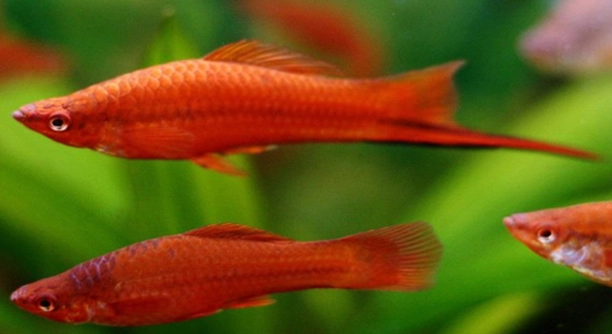
Have you ever brought home a swordtail fish and wondered if it could thrive in cooler water conditions without a heater?
Swordtails are tropical fish and require warm water temperatures between 72°F and 82°F. Keeping them in cold water can lead to stress, weakened immune function, and an increased risk of illness, making it unsuitable for their long-term health.
Learning how temperature affects swordtails can help you make better choices for your aquarium and ensure a more stable and healthy environment.
Why Cold Water Is Harmful to Swordtails
Swordtails are tropical fish, and their bodies are adapted to warm, stable temperatures. When kept in cold water, their metabolism slows down, making them less active and more prone to health issues. Their immune system also becomes weaker, which increases the risk of bacterial and fungal infections. Cold water can cause digestive problems, impact their ability to reproduce, and reduce their overall lifespan. Even if the change in temperature doesn’t cause immediate issues, long-term exposure to colder environments leads to a decline in their well-being. It’s not just about comfort—it directly affects survival. Swordtails need consistent warmth to maintain their energy, color, and behavior. While some hardy species tolerate minor fluctuations, swordtails are not among them. Investing in a reliable heater ensures they stay within their healthy range. Choosing the right setup from the beginning can prevent complications and create a more natural, balanced aquarium for your fish.
Keeping swordtails in cold water might not kill them right away, but it slowly damages their health over time and shortens their lifespan.
Warm water helps swordtails stay active, eat properly, and fight off illness. Cold environments create constant stress that affects every part of their internal systems, making their living conditions uncomfortable and risky.
Ideal Tank Setup for Swordtails
Tank temperature should be kept between 72°F and 82°F. A dependable heater and thermometer are essential tools to maintain these conditions safely.
Swordtails thrive in stable environments with proper filtration and regular maintenance. A tank size of at least 20 gallons is recommended, as swordtails are active swimmers and appreciate open space. Alongside heating, maintaining clean water with a quality filter reduces the risk of diseases. Regular water changes, ideally 20–30% every week, help keep ammonia and nitrate levels in check. A consistent light cycle also supports their natural rhythm, while live plants and hiding spots offer security and enrichment. It’s also important to monitor pH levels, keeping them between 7.0 and 8.4. Avoid sudden changes in water chemistry or temperature. If you live in a cooler area, insulate the tank or keep it away from windows and drafts. These small adjustments make a big difference in supporting a healthy environment. With the right setup, swordtails can live comfortably and show their best colors and behavior daily.
Signs Your Swordtail Is Struggling in Cold Water
If your swordtail seems less active, refuses food, or shows faded colors, it may be reacting to low temperatures. Cold stress weakens their immune system and leads to sluggish behavior, illness, and changes in swimming patterns or posture.
A swordtail in cold water may stay near the bottom of the tank, move less, or breathe more rapidly. Its appetite can drop noticeably, and it may stop interacting with tankmates. Fin clamping, pale coloration, and an overall dull appearance are signs that the fish is not thriving. If these signs continue, the fish becomes more vulnerable to infections, including fin rot and fungal problems. These changes don’t always happen all at once, but a combination of a few can indicate a serious issue with the water conditions. Regularly checking your tank’s temperature can help catch the problem early and reduce long-term effects on the fish’s health.
When a swordtail struggles in cold water for too long, it can lead to permanent damage. Their ability to process food declines, their movement becomes more limited, and their stress levels increase. Over time, these issues can make it harder for them to recover, even if the temperature is corrected later. Prevention through proper heating is more effective than recovery.
How to Safely Adjust the Temperature
Temperature changes must be slow and controlled to avoid shocking your fish. If the tank is too cold, increase the temperature gradually, no more than 1–2°F per day, using a reliable heater.
Before adjusting anything, check the accuracy of your thermometer. Use a submersible aquarium heater with adjustable settings to control temperature shifts. If your swordtail has been in cold water for an extended time, let the heater slowly bring the tank up to a safe range. Avoid direct exposure to rapid warmth, like warm water pours, which can worsen stress. Also, ensure your tank has good water flow so heat spreads evenly. During adjustment, monitor your swordtail for signs of improvement, such as increased activity and appetite. You can also insulate the tank with foam board or blankets if your room is very cold. This helps retain heat and prevents fluctuations during the night. Keeping the room temperature stable supports the tank environment and gives your fish a better chance to recover without additional stress.
Common Mistakes with Swordtail Tank Temperatures
Relying on room temperature alone often causes tanks to drop below safe levels, especially during colder months. Without a heater, water can quickly become too cold for swordtails, even if the room feels warm to you.
Using unreliable heaters or skipping routine temperature checks can lead to unnoticed fluctuations. These small changes add up and affect the fish’s health over time.
Best Heaters for Maintaining Stable Warmth
Choose a submersible, adjustable heater that matches your tank’s size. Look for models with built-in thermostats and overheat protection. For tanks 20 gallons or larger, a 100-watt heater usually works well. Place the heater near a filter to help distribute warmth evenly. Some aquarists also use two smaller heaters to avoid total failure if one stops working. Always double-check temperatures with a separate aquarium thermometer, not just the heater display. If your home gets very cold, consider using a heater with a built-in digital display and automatic shut-off for better reliability. Taking the time to choose the right equipment will help prevent stress and illness in your swordtails.
Seasonal Temperature Shifts to Watch
Colder seasons bring indoor temperature drops that often affect aquarium stability. Without active heating, the tank may slowly cool, even in heated rooms. Always adjust your tank setup before winter to avoid problems later.
FAQ
Can swordtails survive in cold water for a short period?
Swordtails may survive for short periods in cold water, but this can cause stress and affect their overall health. Prolonged exposure to low temperatures weakens their immune system and makes them more susceptible to illness. It’s best to avoid this situation by maintaining a stable, warm environment.
How do I know if my swordtail is too cold?
Signs of a swordtail being too cold include lethargy, reduced appetite, and slower swimming. They may also congregate at the bottom of the tank or near the heater, attempting to find warmer areas. Faded colors and irregular swimming patterns are other indicators.
What temperature should swordtails live in?
Swordtails thrive in water temperatures between 72°F and 82°F. This range is ideal for maintaining their health and activity. Temperatures outside this range can cause stress, slow their metabolism, and lead to health complications over time.
Can swordtails live with other fish in cold water?
Swordtails are tropical fish and need warmer water temperatures. Mixing them with other species that prefer cold water is not advisable. The differences in temperature preferences could lead to health problems for both types of fish. Stick to tropical species that can tolerate similar conditions.
What are the consequences of keeping swordtails in cold water?
Keeping swordtails in cold water can cause various health issues, including weakened immune function, reduced appetite, and a shorter lifespan. They may also become more susceptible to infections, such as fin rot or fungal diseases. Long-term cold exposure can eventually lead to death.
How often should I check the temperature of my tank?
It’s recommended to check the water temperature at least once a day, especially if your heater is older or if your room temperature fluctuates. Use a reliable thermometer and ensure your heater is maintaining the correct temperature range. This helps prevent sudden drops or spikes in temperature.
Can I use a heater with a thermostat for swordtails?
Yes, a heater with a built-in thermostat is highly recommended. It allows you to maintain a consistent temperature, which is crucial for swordtails’ health. Be sure to regularly monitor the water temperature with an external thermometer to confirm that the heater is functioning properly.
What if the water temperature is too high for swordtails?
Water temperatures above 82°F can cause stress to swordtails. Higher temperatures can lead to increased oxygen consumption and faster metabolism, making them more prone to health issues. If your tank is too warm, gradually lower the temperature to a safer range using a cooling fan or by adjusting the heater.
Can swordtails adapt to cooler water over time?
Swordtails cannot naturally adapt to cooler water over time. They are tropical fish and need warmth to thrive. Keeping them in cold water consistently will weaken their immune system and reduce their lifespan. It’s important to maintain a stable, warm environment to support their health.
Do swordtails need a heater in the summer?
While summer temperatures may provide a naturally warmer environment, many indoor tanks can still cool down at night or in air-conditioned rooms. It’s important to monitor the temperature during warmer months. If the room temperature drops significantly, a heater may still be necessary to maintain the optimal range.
How can I adjust the temperature of my tank safely?
To adjust the temperature, increase or decrease it gradually by no more than 1–2°F per day. This prevents shock to the swordtail. Use a reliable, adjustable heater and monitor the temperature regularly with a separate thermometer to ensure it stays within the ideal range.
What type of heater is best for swordtails?
A submersible aquarium heater with an adjustable thermostat is ideal for swordtails. It provides more consistent temperature control. Choose a heater that suits the size of your tank. For larger tanks, consider using two smaller heaters placed at opposite ends to ensure even heating.
Can swordtails live in a tank without a heater?
Swordtails should not live in a tank without a heater if the room temperature drops below their optimal range of 72°F to 82°F. A heater is essential for providing stable, warm conditions. Without it, swordtails may suffer from cold stress and other related health issues.
What should I do if my heater breaks?
If your heater breaks, replace it immediately with a reliable one to avoid temperature fluctuations. In the meantime, try to maintain the water temperature using other methods, like placing a bottle of warm water in the tank (while avoiding direct contact with the fish). Monitor the temperature closely.
Can swordtails live in fluctuating temperatures?
Swordtails do not thrive in fluctuating temperatures. They require a consistent, stable temperature range for optimal health. Frequent temperature changes can cause stress, weaken their immune system, and make them more susceptible to illness. A reliable heater helps prevent this issue.
How long can swordtails survive in cold water before showing symptoms?
Swordtails can survive in cold water for a few days to a week without showing immediate symptoms. However, prolonged exposure will weaken their immune system, making them more susceptible to illnesses. It’s important to address temperature issues as soon as possible to prevent long-term damage.
Final Thoughts
Maintaining the right water temperature is crucial for the health of your swordtails. These fish are best suited for warm, tropical environments, and keeping them in a tank with consistent, stable temperatures between 72°F and 82°F will ensure they remain healthy and active. Swordtails can tolerate slight variations in temperature, but extremes—whether too hot or too cold—can cause stress and health issues. If you notice signs of discomfort, such as lethargy or faded colors, it may be due to the water temperature not being ideal. Consistent monitoring of tank conditions is key.
Using a reliable aquarium heater is one of the most effective ways to maintain a stable environment for your swordtails. Heaters with adjustable thermostats are especially useful, as they allow you to fine-tune the temperature to suit the needs of your fish. It’s essential to also use an external thermometer to verify the heater’s accuracy, as malfunctions can happen. With the right equipment in place, swordtails will have a better chance at thriving in a controlled environment. Regular checks and maintenance of your heater and thermometer will help keep your tank in optimal condition.
In summary, while swordtails can live in colder water for short periods, they do best in warm conditions. If you’re keeping swordtails, investing in a quality heater and ensuring consistent water temperature will prevent health problems and promote long-term well-being. By staying proactive with temperature control and monitoring, you can create a stable environment that supports the health of your swordtails and enhances their overall quality of life.

Hello,
If you enjoy the content that we create, please consider saying a "Thank You!" by leaving a tip.
Every little bit helps us continue crafting quality advice that supports the health, happiness, and well-being of pets around the world, for pets of all shapes, sizes, and species.
We really appreciate the kindness and support that you show us!