
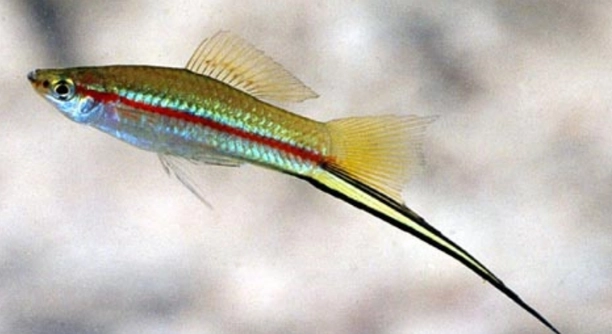
Swords are fascinating creatures to keep in aquariums, but knowing when they’re about to give birth can be tricky. Understanding their behavior and physical signs will help you prepare for the arrival of their young.
The most noticeable sign that a Swordtail is giving birth is the swelling of her abdomen and a dark gravid spot near her anal fin. As she gets closer to delivery, she will become more sluggish, and her movements may slow down.
Knowing these signs will make it easier to care for your Swordtail and prepare your tank for the new fry.
Signs That a Swordtail Is Pregnant
When a Swordtail is pregnant, there are several signs you can look for. One of the first is a noticeable swelling in her belly, especially as the pregnancy progresses. Her abdomen will become rounder and more pronounced. Another key indicator is the dark gravid spot, which appears near the anal fin. This spot will become darker as she gets closer to giving birth. Additionally, she may start to act a bit more sluggish or avoid swimming as much. Some Swordtails will also begin to hide more, seeking a safe space. These signs usually show up about 2 to 3 weeks before the actual birth. The changes are subtle at first, but they become more obvious as the due date approaches.
If you notice these physical changes, it’s a good idea to prepare the tank for the upcoming birth. Be sure to have a breeding box or a space with plenty of plants to give the baby fish a safe environment.
Once you recognize the signs, it’s time to set up the right conditions for the birth. Make sure the tank is free from any aggressive fish that could harm the fry. A well-maintained aquarium with clean water will help keep your Swordtail healthy and ready for the big day. Make sure the water temperature is consistent, as fluctuations can cause stress. Swordtails tend to give birth in a calm, safe environment, so maintaining peace in the tank is crucial. You can also prepare a breeding box or a separate space for the fry. This ensures that the baby fish have a place to grow and survive without being eaten by other tank mates.
Preparing for Birth
Once you spot the signs of pregnancy, it’s time to get everything ready. Setting up a separate breeding space can help ensure the survival of the fry.
When preparing for the birth, it’s essential to provide a calm and safe environment. Swordtails can become stressed easily, and this can affect both the mother and the fry. A breeding box, or at least a section of the tank with plenty of plants or decorations, gives the fry a chance to hide and grow in peace. Some aquarium owners even add a fine mesh net to separate the mother from other fish, which can help protect the newborns. It’s also important to ensure the water quality remains optimal. Keeping the water clean and stable in terms of temperature and pH helps the mother stay healthy.
When to Expect Birth
Swordtail fish typically give birth around 3 to 4 weeks after mating. However, this can vary depending on factors such as water temperature and the health of the fish. Warmer water tends to speed up the process, while cooler water can delay it.
It’s important to keep an eye on the mother during this period. As she nears her due date, her abdomen will continue to swell, and the dark gravid spot will become even darker. You may notice more hiding behavior, as Swordtails often look for a private spot to give birth. She may appear less active as she gets ready. Birth usually occurs over a period of hours rather than all at once. After the fry are born, the mother will often spend some time resting before swimming normally again.
If you’re observing your Swordtail closely, you can also notice subtle changes in her behavior, such as refusing food or swimming slowly. These are common signs that labor is approaching. Keeping the tank calm and stable will help the process go smoothly.
Caring for Newborn Fry
Once the fry are born, they can swim immediately and are independent, but they still need protection. Most adult fish, including the mother, will eat the baby fish if they can catch them.
To help ensure the fry’s survival, place them in a separate breeding box or a well-planted section of the tank. Live plants offer natural hiding spots, while the fry can also hide behind decorations or in any gaps between rocks. A breeding box helps prevent the adult fish from eating the fry but gives them enough space to grow. Some aquarium owners even use a mesh divider to separate the fry from the rest of the tank until they’re big enough to swim freely.
Keep the water clean, and ensure there’s no significant water flow, as the fry are small and can easily be swept away. Use a sponge filter or a gentle filtration system to maintain water quality while avoiding strong currents.
Post-Birth Care for the Mother
After giving birth, the mother may appear tired and sluggish. It’s normal for her to need some time to recover. Make sure she has a peaceful environment to rest in. Avoid stressing her further by keeping the tank calm and maintaining water quality.
It’s also important to feed the mother high-quality food after birth. Giving her a nutritious diet will help her regain energy and strength. Some fish owners provide extra protein-rich foods like brine shrimp or daphnia. These will help her recover and stay healthy.
Feeding Fry
Newborn Swordtail fry require tiny, nutritious food to grow properly. Start by offering them powdered food or specially formulated fry food. You can also give them finely crushed flakes. For a more natural option, try infusoria or micro worms.
It’s crucial to feed them small amounts multiple times a day. As they grow, you can gradually increase the size of their food. Be careful not to overfeed, as leftover food can pollute the water. Keeping the tank clean and the fry well-fed will ensure they grow into healthy young fish.
Monitoring Fry Growth
As the fry grow, keep a close eye on their development. Watch for signs of healthy growth, such as increasing size and active swimming. If you notice any fry lagging behind, it could indicate a problem, such as poor water quality or insufficient food.
FAQ
How can I tell if my Swordtail is pregnant?
To tell if your Swordtail is pregnant, look for a swollen abdomen and a dark gravid spot near her anal fin. As she gets closer to birth, the swelling will increase, and the gravid spot will become darker and more noticeable. You may also notice that she’s less active and may seek out hiding places.
How long do Swordtails stay pregnant?
Swordtails are pregnant for about 3 to 4 weeks. The time can vary depending on the water temperature and the health of the fish. Warmer water speeds up the pregnancy, while cooler water can delay it. Once you notice her belly swelling and the gravid spot darkening, it’s usually about 2 to 3 weeks until birth.
How many fry can a Swordtail have at once?
Swordtails can give birth to anywhere from 20 to 100 fry at a time, though the number may vary depending on the size and age of the mother. Younger or smaller Swordtails tend to have fewer fry, while older or larger ones can have a larger batch.
Should I separate the pregnant Swordtail from the other fish?
It’s a good idea to separate the pregnant Swordtail from the other fish, especially if you have aggressive species in your tank. A breeding box or a tank with lots of hiding spaces will help reduce stress and ensure the safety of the fry after birth. The mother may also be more comfortable in a calm, separate area.
What should I feed the fry after birth?
After birth, feed your Swordtail fry small amounts of powdered food or specially formulated fry food. You can also give them finely crushed flake food. Once they grow a bit, you can feed them small live foods like brine shrimp or micro worms. Make sure not to overfeed, as excess food can pollute the water.
Can Swordtail fry survive in the same tank as adults?
Swordtail fry are vulnerable to being eaten by adult fish, including their own mother. It’s best to keep the fry in a separate breeding box or tank section until they’re large enough to avoid being eaten. Once they grow, you can introduce them back into the main tank.
Do Swordtails need special care after giving birth?
After giving birth, the mother needs time to recover. Ensure she has a peaceful, stress-free environment with clean, warm water. Feed her high-quality, nutritious food to help her regain strength. It’s normal for her to be more sluggish for a few days after birth.
How can I help my Swordtail fry grow faster?
To help your Swordtail fry grow faster, ensure they have a steady supply of small, nutritious food and maintain excellent water quality. Frequent, small feedings throughout the day will help them grow. A clean tank with stable water conditions is essential for healthy fry development.
What temperature should the water be for pregnant Swordtails?
Pregnant Swordtails thrive in water temperatures between 72°F and 78°F (22°C to 25°C). This temperature range supports healthy pregnancy and fry development. Water that is too cold or too warm can cause stress or affect the development of the fry.
How can I prevent my Swordtail from giving birth to deformed fry?
The chances of deformed fry are usually low, but they can be influenced by genetics, poor water quality, or stress. To minimize the risk, maintain a clean and stable tank with proper filtration. Providing a nutritious diet for both the mother and fry is also important for healthy development.
What is the best way to care for newborn Swordtail fry?
Newborn Swordtail fry need a safe, calm environment where they can hide from adult fish. Keep the water temperature stable, around 75°F (24°C), and make sure it’s clean with gentle filtration. Feed the fry small amounts of nutritious food, and separate them from the adults to ensure they’re not eaten.
Can I use a breeding box for my pregnant Swordtail?
Yes, a breeding box is an excellent way to protect the pregnant Swordtail and her fry. It allows the mother to give birth in a controlled environment, reducing the risk of fry being eaten by other tankmates. After birth, the fry can stay in the box until they’re large enough to swim freely.
Do Swordtails eat their own fry?
Yes, Swordtails are known to eat their own fry if they’re not protected. Adult Swordtails, including the mother, may view the fry as food. To prevent this, it’s best to move the fry into a separate tank or breeding box immediately after birth to ensure their safety.
Final Thoughts
Taking care of Swordtails during their pregnancy and after they give birth can seem challenging at first, but with some preparation and attention, it’s a rewarding experience. Observing the signs of pregnancy, such as the swelling of the abdomen and the dark gravid spot, will help you know when to expect the birth. Being prepared with a separate space or a breeding box for the mother and fry is essential for their safety and well-being. This simple step will protect the fry from being eaten and help them grow in a peaceful environment.
Once the fry are born, you’ll need to provide them with the proper food and tank conditions. Offering them small, nutritious food several times a day ensures they grow strong and healthy. Keeping the water clean and stable is equally important to support their development. Even though they’re independent right after birth, fry are still very vulnerable, so providing hiding spots with plants or decorations can help them avoid predators in the tank. The growth of the fry will also be influenced by how well you care for them, so maintaining a calm and stable environment is key.
Remember to also take care of the mother after the birth. She’ll need time to recover, so avoid stressing her and ensure she has access to high-quality food. Swordtails are relatively easy to care for, but maintaining a good environment and watching for signs of pregnancy and birth will make the process easier. By being patient and prepared, you can successfully raise both the mother and her fry, helping them grow into healthy, thriving fish.

Hello,
If you enjoy the content that we create, please consider saying a "Thank You!" by leaving a tip.
Every little bit helps us continue crafting quality advice that supports the health, happiness, and well-being of pets around the world, for pets of all shapes, sizes, and species.
We really appreciate the kindness and support that you show us!